
Welcome to a newsletter themed at the intersection of longevity and wine history. 🍷
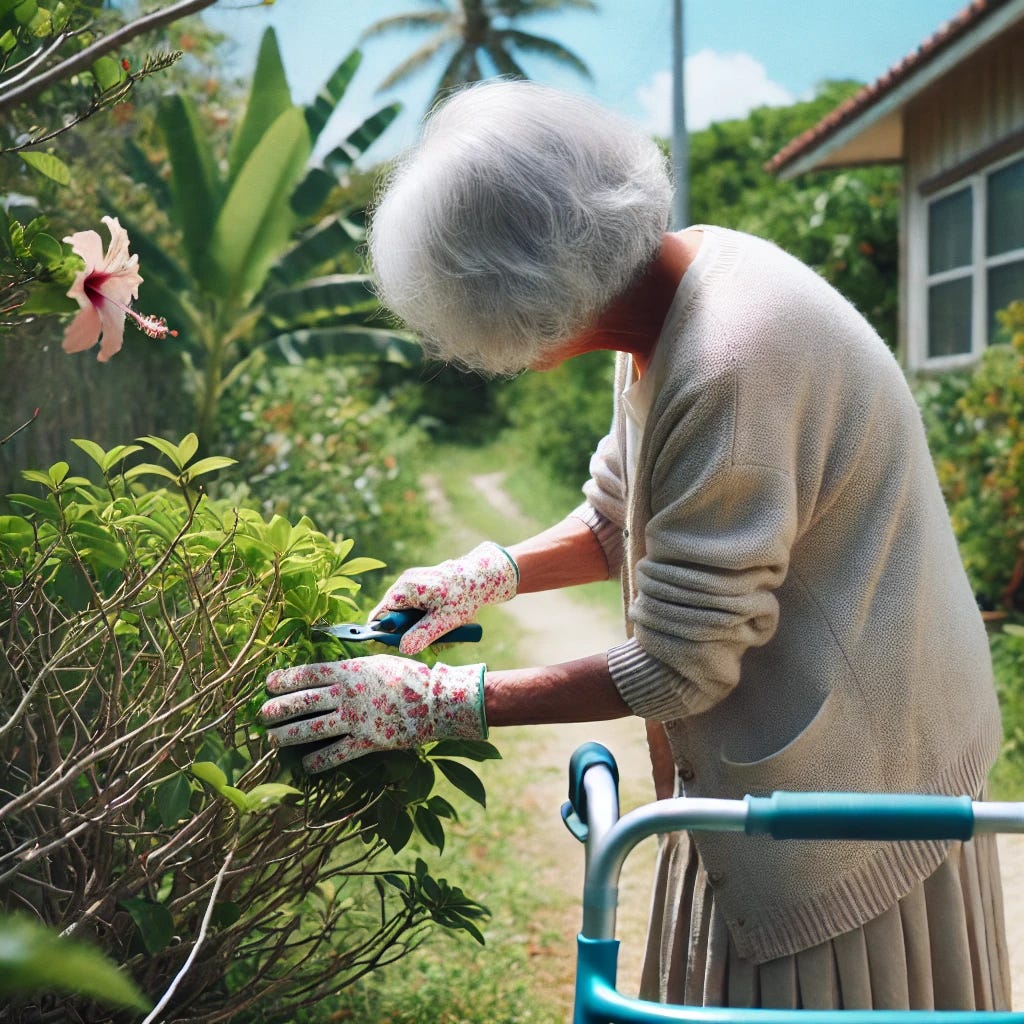
Strong social connections combined with a sense of purpose are two of the many commonalities shared among communities with the world’s highest concentration of centenarians.
These centenarian hotspots known as Blue Zones provide hope for many people who aren’t blessed with hereditary longevity genes. That’s because lifestyle habits can play up to 60% of a role in how long you might live, medical researchers say.
That means by optimizing your lifestyle, you may gain as much as an extra decade of good life you’d otherwise miss, stresses Dan Buettner, author of the Blue Zones book franchise. His team of researchers originally defined five Blue Zones back in 2008. These regions are Loma Linda, California; Nicoya, Costa Rica; Sardinia, Italy; Ikaria, Greece; and Okinawa, Japan. In 2023, Singapore was added as a sixth Blue Zone.
These areas were dubbed Blue Zones, where people reach age 100 at 10 times greater rates than in the United States, because demographers originally circled these longevity hotspots on a map in blue ink. Once identified, a team of anthropologists, demographers, epidemiologists, and researchers were sent in to study their lifestyle characteristics.
Before breaking down elements of these lifestyle habits, we should explore how much healthy habits can impact your longevity.
What’s unique about centenarians, as well as most people who make it into their 90s, is their ability to slow the aging process by dodging age-related diseases, such as Alzheimer’s, heart disease, stroke, diabetes, and certain cancers, says Dr. Tom Perls, founder of the New England Centenarian Study at the Boston University School of Medicine.
In the past 30 years his study has analyzed more than 3,000 centenarians, including my grandmother, Kay Gemello. Her 105th birthday is June 26. Perls’ medical researchers have explored the genetic factors, lifestyle choices, and environmental influences that appear to play a role in the study participants’ longevity.
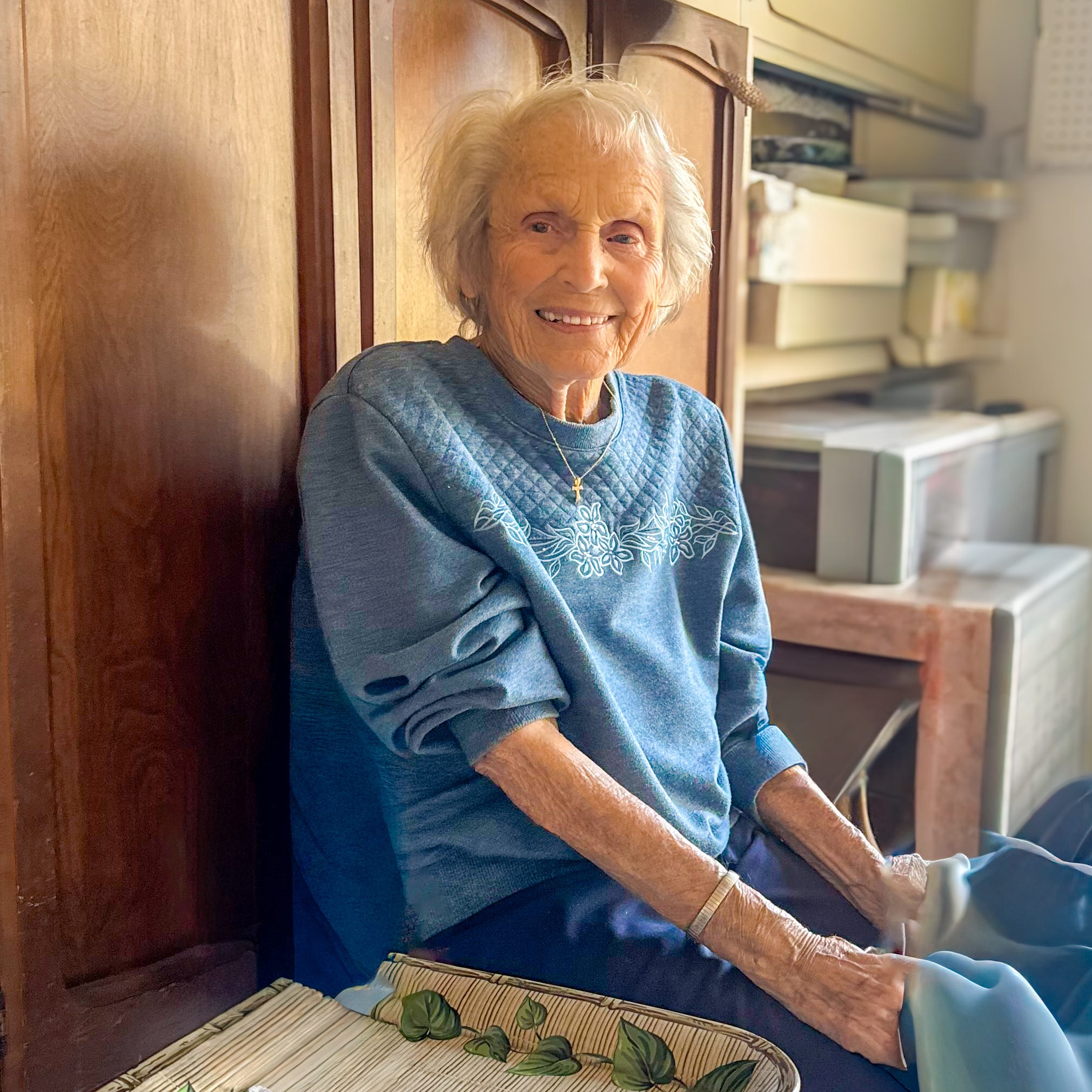
Fall, 2025: Grandma Kay at 104
Perls said that to reach age 90, about 75% of longevity is driven by healthy behaviors. The other 25% is genetics.
For people hoping to get to 100, unfortunately, they have less control over it, he says. Until recently, it was believed that healthy habits drove 60 percent of 100-year-olds’ longevity.
However, new research published in the journal Science suggests it’s the opposite: 60 percent is driven by your genes.
There are more than 200 genetic variants that affect aging, Stacy Andersen, co-director of the study, told Time magazine.
“Genetics accounts for about 75% of what gets you to really extreme ages like 105 and older,” says Andersen.
In the U.S., people on average tend to live their last 12 years battling chronic disease, according to medical researchers. If you want to extend your healthy years, also known as healthspan, these are seven common lifestyle traits practiced in Blue Zone regions.
1. Move naturally. Instead of lifting weights or running marathons, these people live in environments that constantly nudge them into moving without thinking about it. They grow gardens and do not have mechanical conveniences for house and yard work.
2. Sense of purpose. The Okinawans call it ikigai and the Nicoyans call it plan de vida. For both, it translates to “why I wake up in the morning.” Knowing your sense of purpose is worth up to seven years of extra life expectancy.
3. Stress reduction. Stress leads to chronic inflammation, associated with every major age-related disease. What the world’s longest-lived people have that others do not are routines to shed that stress. Okinawans take a few moments each day to remember their ancestors; Adventists in Loma Linda pray; Ikarians take a nap; and Sardinians gather for happy hour.
4. The 80% Rule. Before meals, Okinawans recite hara hachi bu, a 2,500-year-old Confucian reminder to stop eating when 80% full. That small gap may help prevent weight gain. Blue Zone residents also eat their lightest meal early and avoid eating later in the day.
5. Plant-based diet. Beans, including fava, black, soy, and lentils, are the cornerstone of most centenarian diets. Meat—mostly pork—is eaten on average only five times per month.
6. Loved ones first. Blue Zone centenarians prioritize family. They keep older relatives close, commit to a life partner, and invest time in their children. Strong family bonds are linked to longer lives, healthier families, and support when aging parents eventually need care.
7. The right tribe. The world’s longest lived people chose—or were born into—social circles that supported healthy behaviors. Research from the Framingham Studies2 shows that smoking, obesity, happiness, and even loneliness are contagious. So the social networks of long-lived people have favorably shaped their health behaviors.
Centenarians in four of the original five Blue Zones (identified in 2008) commonly drink a little red wine with their meals. However, several new studies over the past few years have indicated that “no amount of alcohol is safe for the brain,” says Annie Fenn, MD, author of the Brain Healthy Kitchen, on her recent podcast.
She acknowledges that red wine used to be part of the “10 Brain Healthy Food Groups” published by the MIND diet,* a research-backed eating pattern designed to support brain health and lower the risk of cognitive decline and dementia.
“But they retired it last year when the U.S. Pointer Trial came out because of all the data we’ve had over the years that shows there’s no amount of alcohol that’s safe for the brain,” she says. “We don’t know if [red wine] is one of the reasons the Mediterranean diet is healthy, or if the Mediterranean diet is healthy despite it.”
“Based on what we know now in 2026, we don’t call red wine a brain healthy drink. So if you do drink, be a light drinker, which is six or [fewer] drinks a week,” Fenn advises.
She says she believes it’s the latter, even though red wine is commonly consumed in some Blue Zone regions.
“I think people living in the Blue Zones have so many health factors going for them and their lifestyle outside of diet that inclusion of a little bit of red wine with meals doesn’t take away from their overall health trajectory,” Fenn says.
“Based on what we know now in 2026, we don’t call red wine a brain healthy drink. So if you do drink, be a light drinker, which is six or [fewer] drinks a week,” Fenn advises.
I’m the author of 🍷 Rain on the Monte Bello Ridge,🍷 my forthcoming memoir about health, aging and winemaking. (Read the origin story of the book.) 🍇
The Centenarian Playbook is my newsletter, which features:
Healthy aging/longevity tips and stories from Grandma Kay’s long life.
Wine history & stories of the Gemello Winery
Ancestry & family research tips
No posts
Comments
Nothing yet. Say the first thing.
Sign in to join the conversation.