
I have been busier these last couple of months and wasn’t able to publish the May edition but now there are two months’ worth of updates in one. And I have a new job, using AI to help find people who are better at using AI to help AI go well.
I’ll be at EA Global this weekend if you want to say hi and discuss any of the topics that come up in the newsletter (or anything else).
I’ll also be travelling to NYC, Boston, Albania and South Korea over the next 50 days, so if you happen to be in any of those, let me know and we can grab a coffee.
Nan Ransohoff - The third wave of American philanthropy - AI could unlock ~$37b-100b a year in new philanthropic spend, and the talent and organisations to absorb it barely exist
OpenAI Foundation - Committing an initial $250m to building secure and abundant economic futures
Coefficient Giving launches the Strep A Vaccine Fund
$200m over five years for a pathogen that kills ~639,000 a year
Announcing the Africa Jobs Fund - Aiming to mobilise $100m towards export manufacturing and international labour mobility to create $50b in income gains
In Development - Exporters Without Borders: Why you should start a company instead of working in aid
Abi Olvera - EA focused on bednets while a malaria vaccine was stuck for 35 years. The case for Abundance
In Development Magazine - Managing Editor
Renaissance Philanthropy - Senior Manager, Research and Origination, Fund Ecosystem
J-PAL - Director - Global Monitoring, Evaluation and Learning
Impactful Policy Careers - EU global health policy accelerator
A fully-funded accelerator in Brussels that prepares professionals to influence global health governance and development aid through European policy
Recruiters, project managers and various types of researcher
Hi-Med Career Planning course - Pathways to impact in medical careers
Probably Good Job Board
OECD data shows development assistance fell 23% to $174b in 2025
Dan Banik & Elina Scheja - Can aid still fight poverty? - Donors are reallocating from poverty reduction towards defence and border control
CGD - USAID spending at the country and sector level - What happened in FY2025?
Ghana rejects a proposed US health aid deal over data sharing terms
Oliver Hanney - The Lies We Sell
The claim that aid reduces migration is false (development unlocks migration capacity), and selling aid on that premise is counterproductive
Coefficient Giving - What questions do policymakers ask about foreign aid?
Tony Senanayake - Reconciling cost-effectiveness and “cheap enough”
Interventions need a viable path to government or consumer financing at scale
Lant Pritchett - The World Bank’s $1-a-day poverty line is a dead end
Ideas in Development - The manufacturing escalator is breaking down
Dani Rodrik on the end of the manufacturing escalator, service led growth and industrial policy for the new era
IMF - Sub-Saharan Africa hit 4.5% growth in 2026 after reforms
World Bank - Growth, jobs and poverty reduction lessons from Paraguay
Poverty fell from 50% to 16% over 20 years on ~5% annual GDP growth
Deena Mousa - We don’t know why Malawi is poor
There was some pushback on this in the comments
Our Long Walk - Bigness is goodness - Large firms, not small ones, will solve South Africa’s jobs crisis
Barely 1,000 firms in South Africa employ 1,000+ workers - 0.5% of formal firms but half of all formal employment
Feyi Fawehinmi - Nigeria’s 2026 tariff reform shifts the logic of protection, not its substance
The import prohibition list shrank from 26 to 17 items and sugar tariffs fell from 70% to 55%, but the regime stays protectionist
Oliver Hanney
The development economics I’d like to see
Whose questions are we trying to answer?
Donor funding skewed the field towards programme evaluation questions rather than the growth questions governments face
Karthik Tadepalli - “Good institutions” are tautological or unsupported
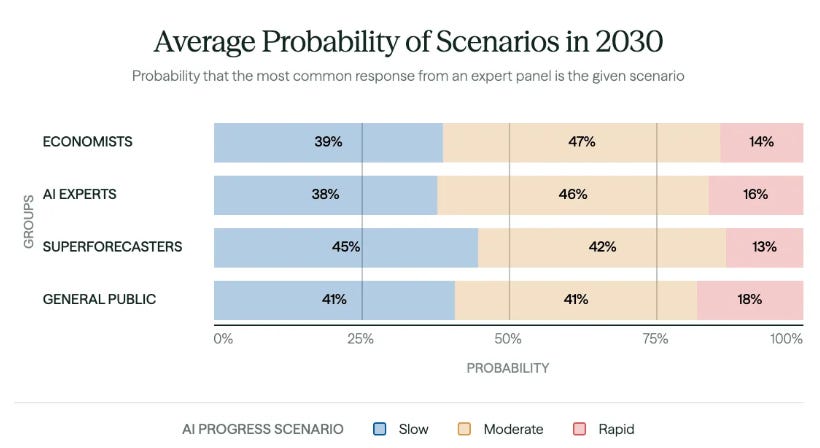
Forecasting Research Institute - Forecasting the economic effects of AI
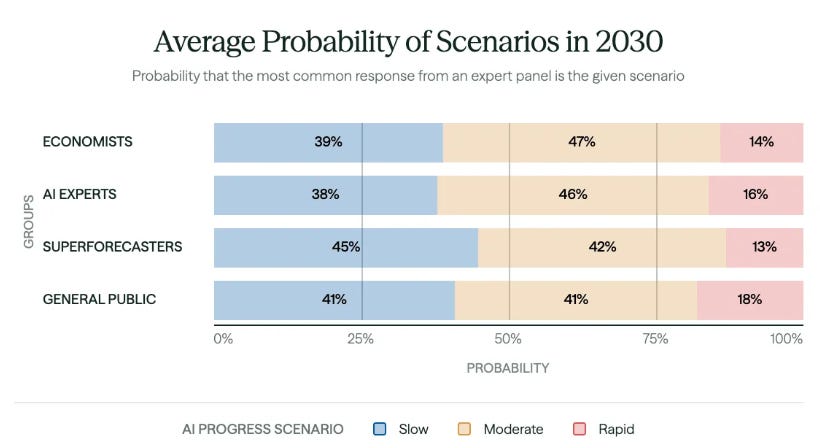
Windfall Trust - When AI grows the economy but shrinks the tax base
As income shifts from taxed wages to corporate profits, government revenues could fall up to 15% over a decade
Realistic Optimist - Iraq’s incremental shift to digital payments
Johan Fourie - South Africa’s withdrawal of its AI draft policy is an opportunity
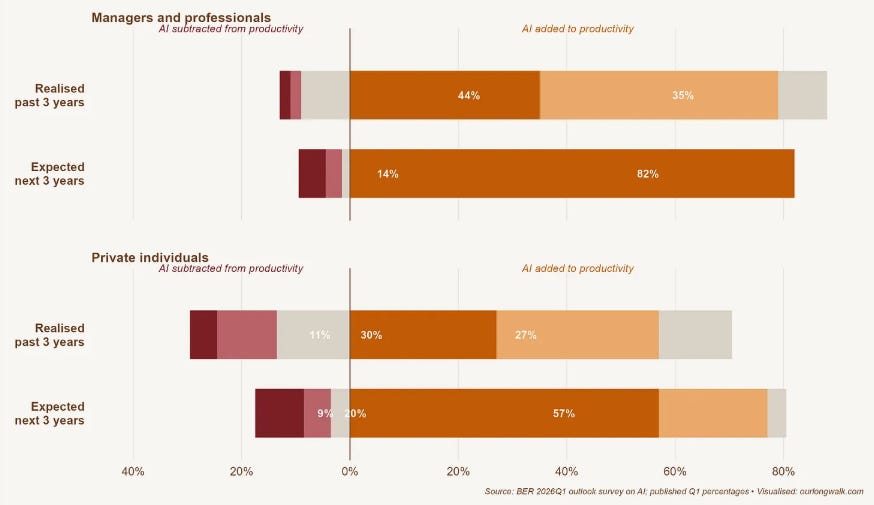
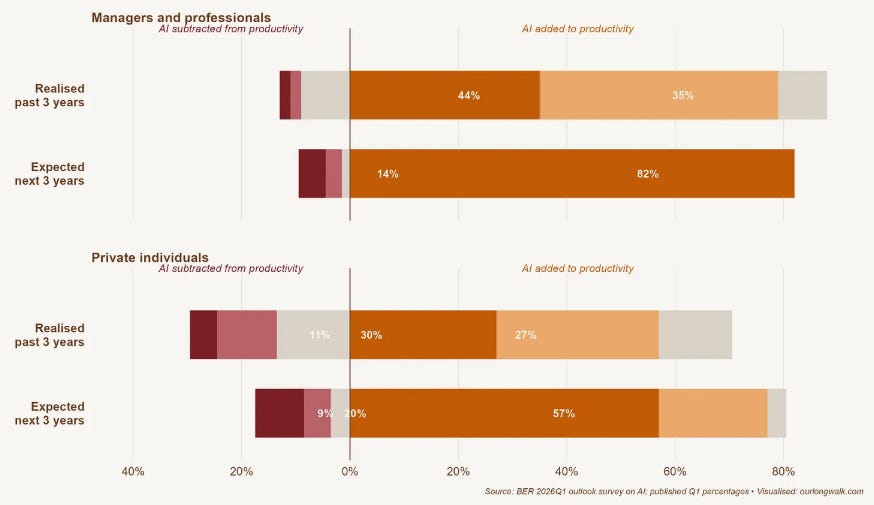
In Development - Charles Kenny - Where’s my ministry for emigration?
Laos’s 2025 census came in at 6.74 million people, 14.4% below UN projections of 7.87 million
Tajikistan’s remittances are worth nearly half the country’s GDP
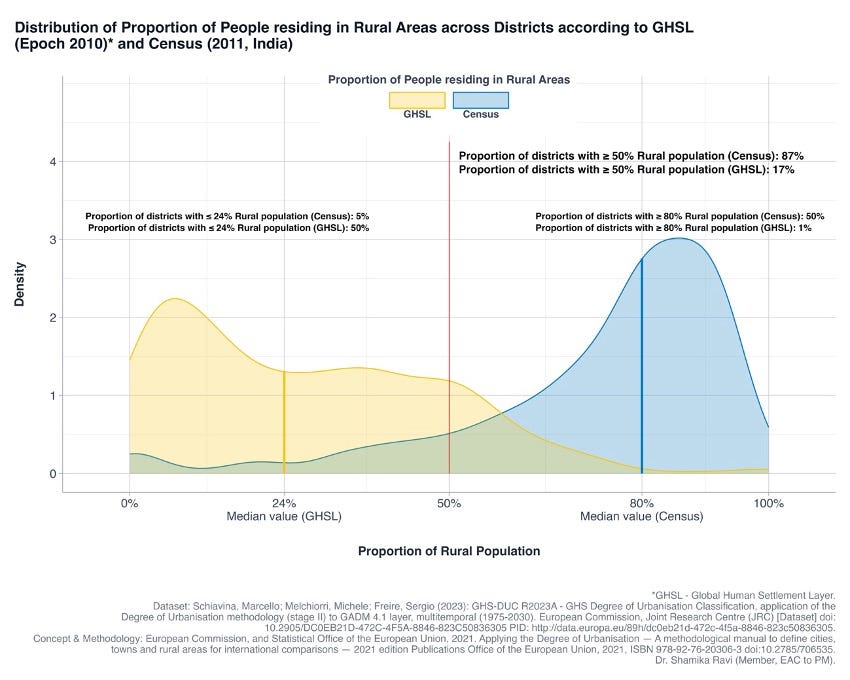
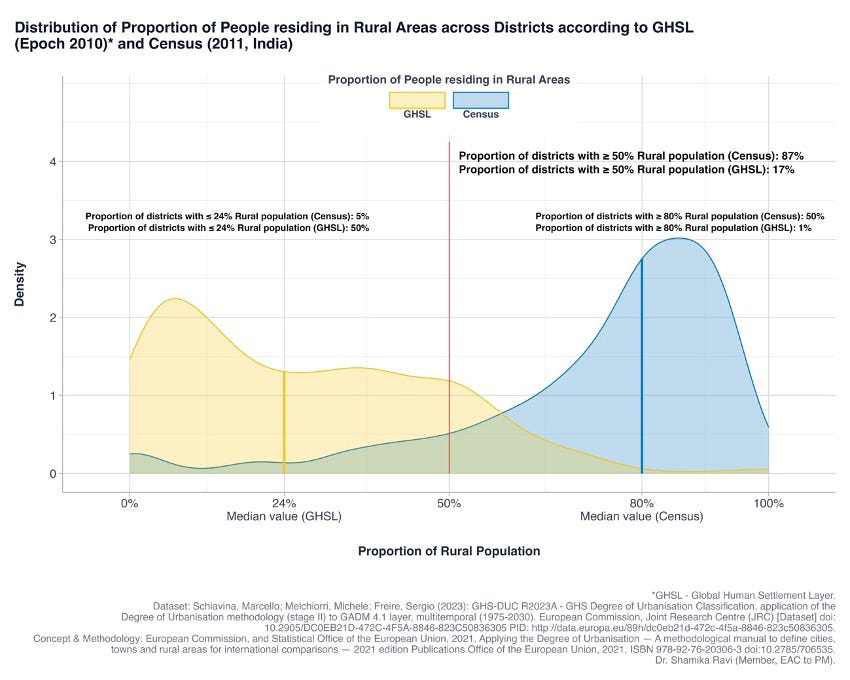
India’s hidden urbanisation - the share of districts that are majority rural is 87% by census but just 17% by satellite data
The WHO declares the Bundibugyo Ebola outbreak a public health emergency of international concern
Gavi - Proposing new incentives (AVMA+) to advance African vaccine manufacturing
$189m to guarantee procurement of up to 70m doses, part of $1b in total incentives
Rowena Luk - Kenya’s SHA - The Social Health Authority’s AI algorithm systematically overburdened the poor
Indoor air pollution causes almost three million premature deaths every year
In Development
India’s Treatable Crisis: Why 7 million opioid patients go without care
Can Africa regulate as a continent?
Hannah Ritchie - An end to cervical cancer is possible
The HPV vaccine gives 80%+ protection, putting elimination within reach
Hard Drugs - Inventing the second malaria vaccine with Katharine Collins
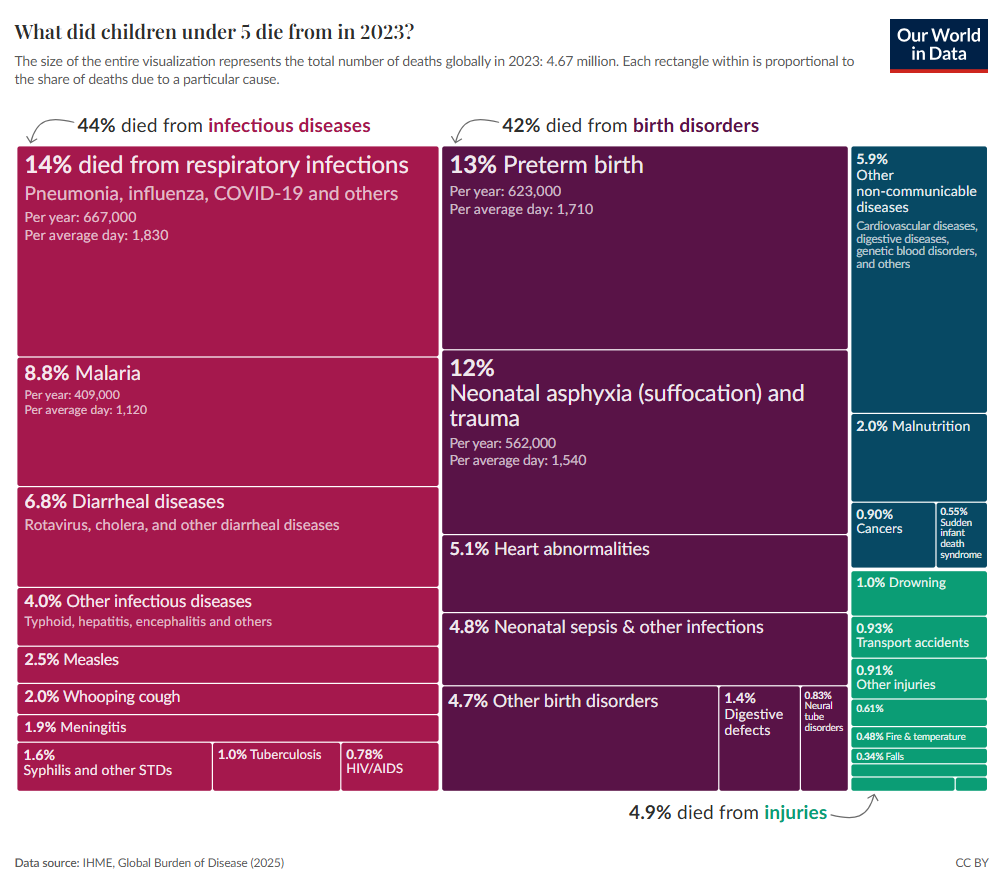
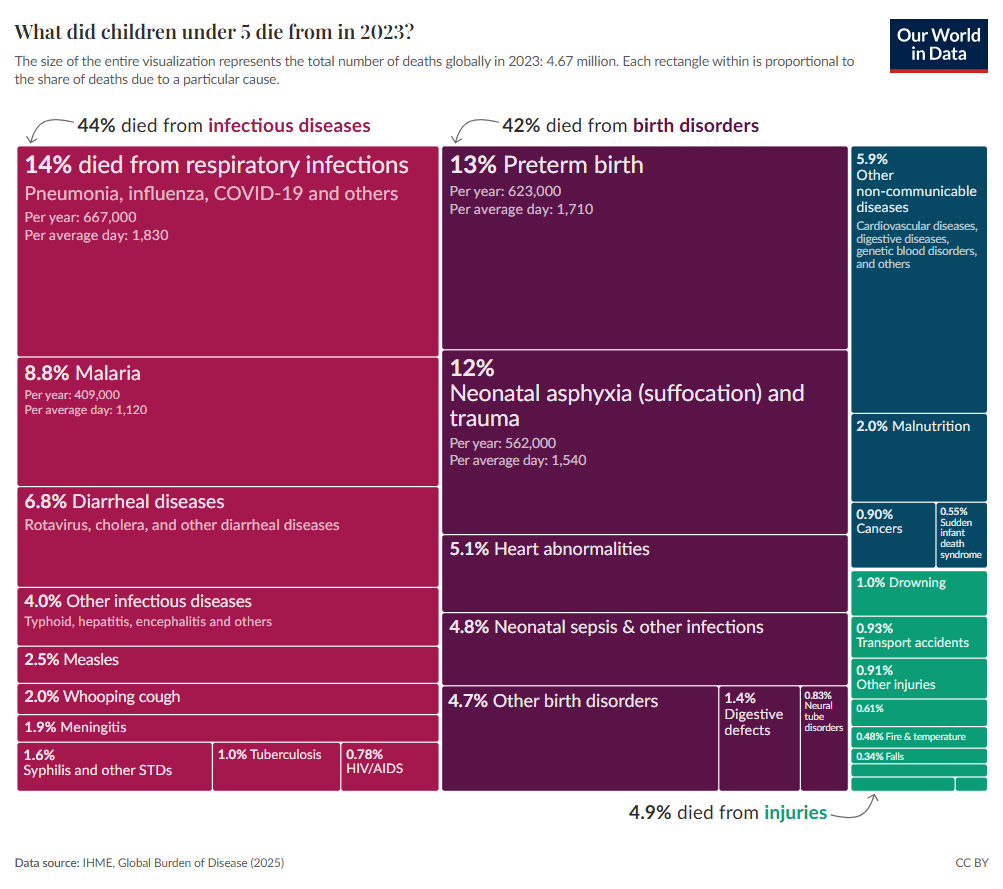
Five million children die every year - what do they die from?
The evidence on evidence - Across 128 cash transfer evaluations Michelle Rao finds no overall link between what evaluations show and what governments then spend
Ideas in Development - Why was Rwanda’s land reform so successful
10m parcels registered and 7m title deeds issued in under five years at about $6 per parcel, versus over $3,000 in neighbouring countries
How e-invoicing affected VAT compliance in Uganda
Mandated e-invoicing raised reported VAT liabilities ~150% and brought 12,000 firms into the net for the first time
Todd Moss - Transparency is the Swiss army knife of development
Togo scraps visas for all Africans
Benjamin Hornsby - Good intentions, poor outcomes
What Ghana’s post-COVID transformation programme taught me about how quickly big cross-cutting government initiatives can fail
The Economist - how the world has avoided an oil catastrophe so far
Brent sits at $106 (vs $129 in 2022) as record US exports and collapsing Chinese imports create a mini-glut
Robert Kappel - China scrapping tariffs on 53 African nations does little for structural transformation - 80-90% of African exports to China are raw materials
World Bank - The commodity markets outlook in eight charts
World Bank - MIGA to double Africa guarantees to $6.4b/year over 3.5 years, targeting $23b in private capital
Semafor - BII CEO says development financing is undergoing a structural reset
Shifting from aid towards capital mobilisation and regional integration
Afreximbank unveils a $10b Gulf crisis response programme
Mozambique clears its $701m debt to the IMF, taking its balance to zero
Semafor - The war is sending Africa’s debt costs spiralling
France24 - Macron pledges €23b at the Africa Forward summit in Nairobi
Devex
The US DFC shifts to larger deals blending development and foreign policy, after Congress raised its cap from $60b to $205b
Inside the EBRD’s Africa push
SSIR - The problem with RCTs - Over 90% of nonprofit RCTs have validity issues, only well resourced orgs can afford them and multi-year trials freeze programme design
Lant Pritchett - The incredible credulity revolution
World Bank - The Atlas of Global Development is an interactive tool covering 26 indicators over 75 years
Dean Karlan - “The Sisyphean Pursuit of Evidence for Poverty Traps”
Aubrey Niederhoffer raised $7.3m for Swoop, a Lagos food delivery app aiming to become Africa’s WeChat-style super app
WhatsApp and women's livelihoods - Nearly 100m women across India, Kenya, Nigeria and Pakistan use it for income
Semafor - An energy shortfall scuppers Kenya’s $1b Microsoft data centre
It would need a third of national capacity
VoxDev - Why trillions failed to attract private infrastructure investment
In Development - Jakarta’s remarkable urban transit transformation
Nearly 90% of residents now have access to bus rapid transit or trains, up from under 20% in 2015
Optics matter - African governments favour visible infrastructure (highways, stadiums) over invisible systems (sewerage, drainage)
Uganda secures $540m from the World Bank for urban infrastructure across 10 cities
Devex - The World Bank’s water shift
The new strategy moves from building infrastructure to systemwide management via government “compacts”
Ag Safari
How Nigeria ate its farms - Domestic agricultural decline and the startups trying to rebuild local food economics
The Land API - Expanding farm sizes are boosting African output but concentrating control over land
OWID - Cereal yields in Ghana have increased much faster over the past decade
For more African agriculture news check out Ag Safari
Ember - The Global Electricity Review 2026
Solar met 75% of 2025’s demand growth
Renewables overtook coal (33.8% vs 33.0%) for the first time
Fossil generation fell 0.2% as China and India both cut fossil output
VoxDev - new Climate Adaptation VoxDevLit (Issue 2) is out
China’s solar industry follows the sun to Africa - Shipments hit 18.8GW in 2025, up 48%
Semafor - South Africa hunts for nuclear talent abroad as it targets 5,200MW of new reactor capacity by 2039
Energy from first principles - Nigeria treats power as household lighting rather than productive infrastructure
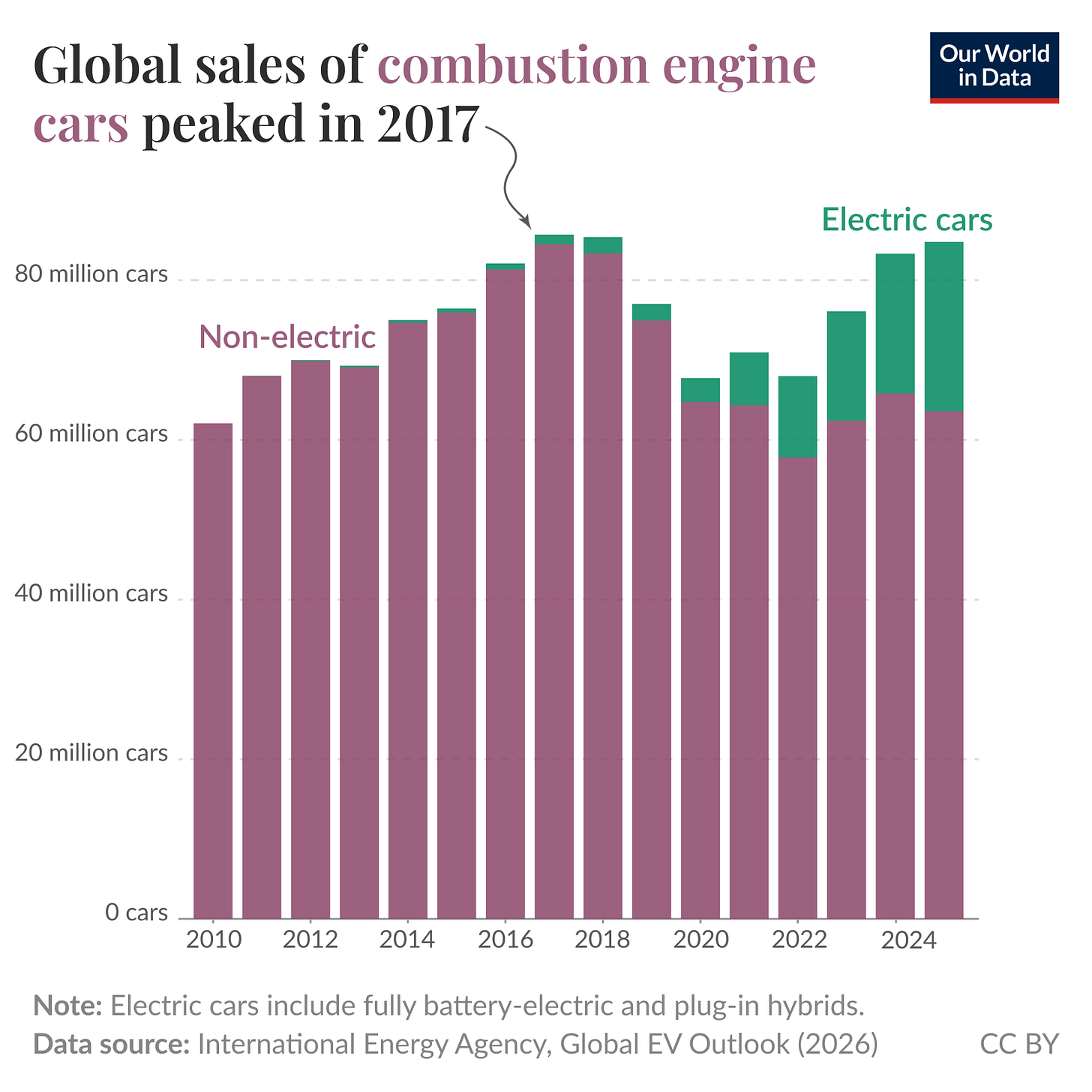
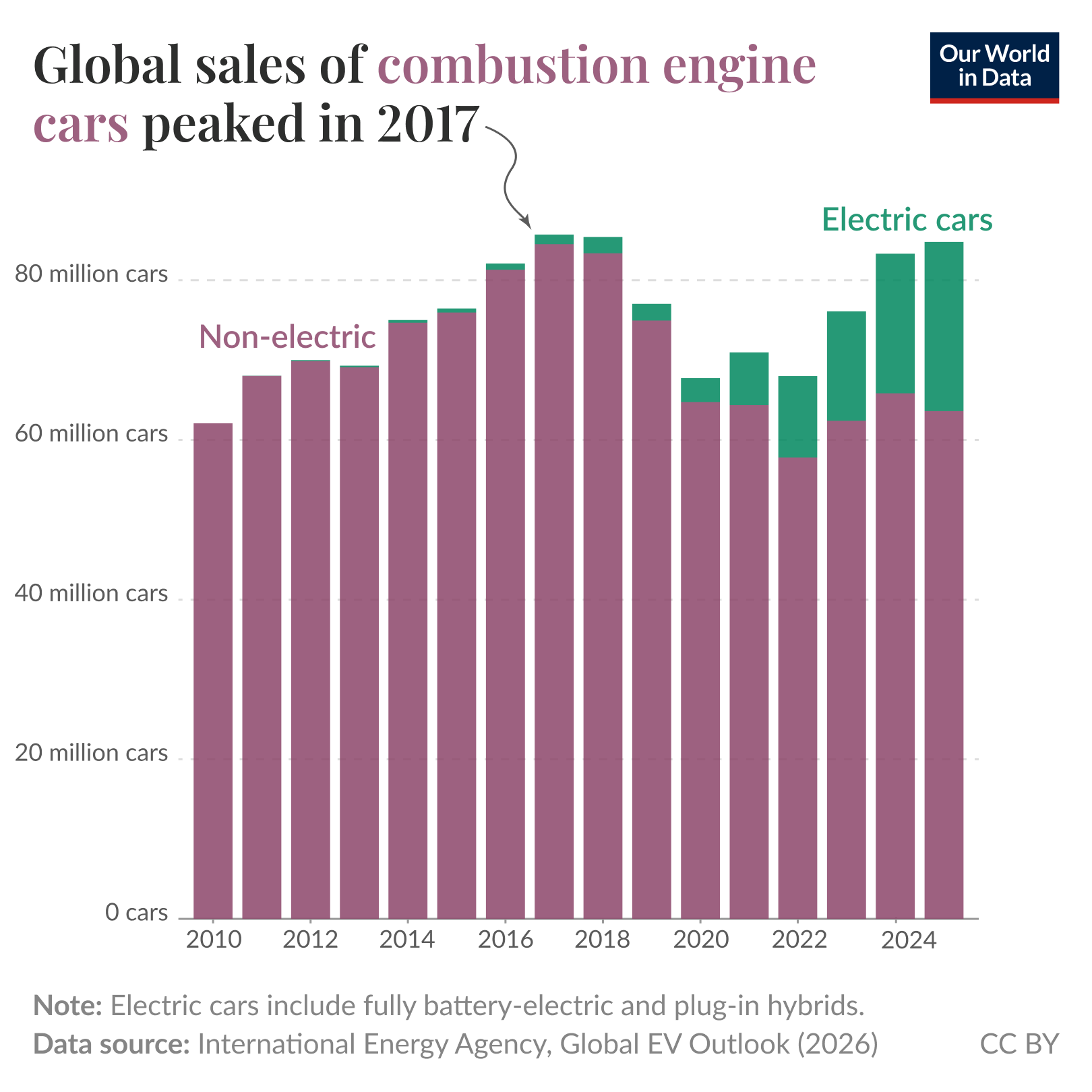
Global sales of combustion engine cars peaked in 2017
Sudan - Nearly 20 million people face acute hunger
VoxDev - Cross-border military cooperation reduced jihadist violence in the Sahel but struggles without institutional stability
Alice Evans - Why Sub-Saharan Africa’s earliest states became terrorism epicentres
The resurgence of fortified landscapes in West Africa
Ideas in Development - How crime captures a city, with Chris Blattman
Mexico’s Peace Index records its largest-ever annual improvement
Homicides fell 22.7% in 2025 (~7,000 fewer deaths)
Violence still costs 11% of GDP
Works in Progress - What’s new in biology, spring 2026 - A roundup of medical advances
Matt Clancy - A little progress is worth a trillion
Nudging US growth from 2% to 2.1% generates ~$1.2t in cumulative income and health gains
US science agencies have money but can’t spend it
The NSF is making awards ~70% slower than usual and the NIH ~50% below pace despite full FY2026 funding
Good Science - How institutional review boards threaten research
Renaissance Philanthropy - Rethinking AI for science funding
Ideas in Development - Two research institutes founded in 1973 both bet on human capital first
Taiwan’s ITRI (a $16m RCA licensing deal that seeded TSMC)
Brazil’s Embrapa (which unlocked the Cerrado, now ~70% of Brazil’s soybeans)
The case for funding Heat Action Plan implementation support in LMICs
Measured Life
Your grants are the floor, not the ceiling
How to double your impact by changing how, not what, you fund
SSIR - Scale really matters - Kevin Starr argues scale is exponential, not linear: NGOs must shift from being service providers to enabling governments to deliver solutions at scale
Renaissance Philanthropy - Philanthropy 2.0
GiveWell opens a malaria RFI - Request for proposals for prevention pilots and research, deadline 24 June
How GiveWell is searching for the best ways to help in 2026 - Scaling to grant at least $500m
What a decade of iron funding has taught us
Implementation and monitoring
Independent surveys found Dispensers for Safe Water reached ~70% fewer people than its own monitoring claimed in Uganda and Malawi, despite $70m+ from GiveWell and Open Phil
Global health charity founders argue GiveWell underestimates implementation difficulty and cost risks across its portfolio
GiveWell’s own scrutiny of vitamin A revised its mortality effect down (from 19% to 1-11%) but it stays ~25x the funding bar
Building its safe-water grantmaking - a new ~$5m RFP via the DIV Fund (the relaunched former USAID innovation fund)
Alice Evans - patriarchal rents - how patriarchy operates as economic extraction via labour arrangements, kinship, exclusion and impunity
Menstrual cups as a cost-effective gem - a $7 cup lasting 7.5 years works out at roughly $120 per DALY averted, before counting under-studied wellbeing benefits
More than a million people die from road injuries every year
The global suicide rate has fallen since the 1990s, but the death toll is still high
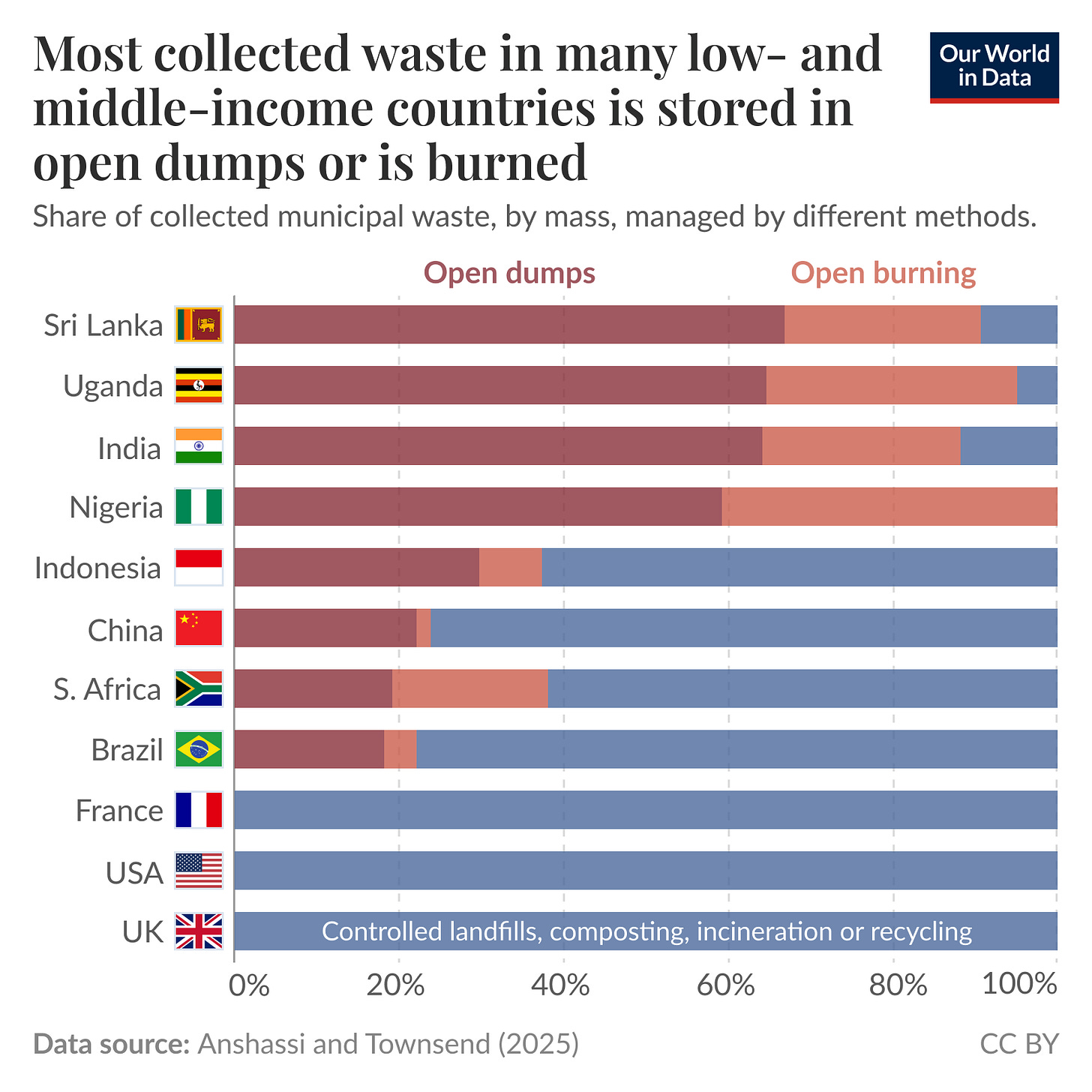
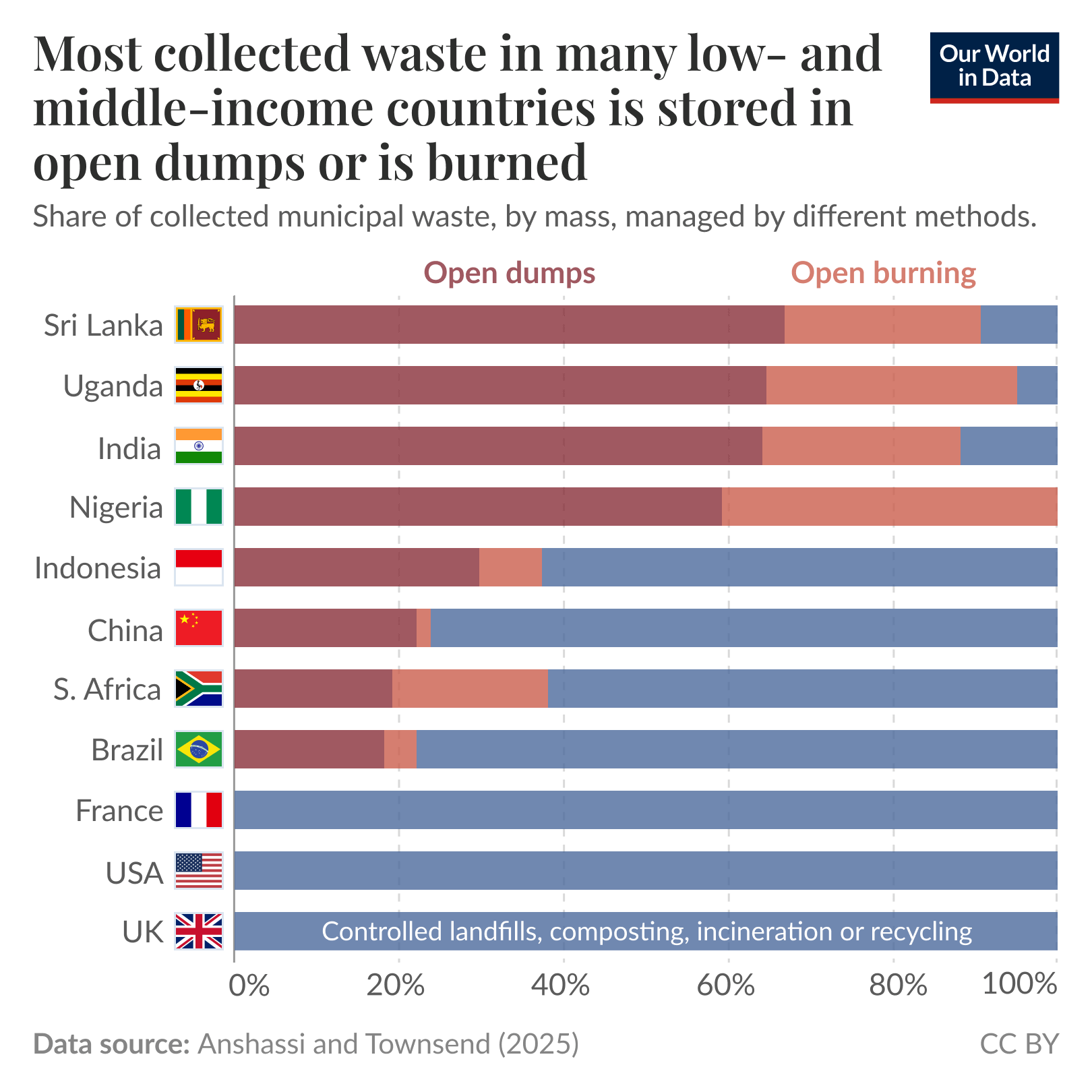
Most collected waste in many LMICs is stored in open dumps or is burned
Global democracy is in better shape.
73% of countries held or improved their democracy scores last year
Latin America the most improved region after nine years of decline
Global substance use disorder rates have fallen ~17% since 1990
Malaria progress across Africa
WHO approves Coartem Baby, the first malaria treatment for infants
Burkina Faso - Cases fell 32% (10.8m to 7.3m) and deaths 44% in a year after the vaccine rollout
The Gambia - Cases dropped 46% on net distribution and child chemoprevention
Algeria and Tunisia are validated by the WHO as having eliminated trachoma
The Bahamas is certified for eliminating mother-to-child transmission of HIV
South Sudan and Sudan eliminate maternal and neonatal tetanus
For more good news check out Fix The News & Human Progress
Comments
Nothing yet. Say the first thing.
Sign in to join the conversation.