
Today marks the start of Foster Care Fortnight 2026.
Mark Owers (CEO of the Nationwide Association of Fostering Providers) put out a call on social media:
“So here’s my challenge to LinkedIn.
Over the next two weeks, let’s make this a genuine conversation about fostering.
Not just celebration — though there should absolutely be celebration.
But honesty. Curiosity. Questions. Ideas. Challenge. Solutions.”
This is a brilliant idea. Celebration (yes, definitely), and all the other aspects Mark lists here. It feels like something inherently outlawed by social media algorithms, but is holding both what works and what doesn’t still possible? Let’s see.
Mark poses five prompts to get us going:
- What do you know about fostering?
- What surprises you?
- What’s working?
- What isn’t?
- What would you change?
I’m starting today with the first prompt, and I’ll answer each additional one with each new day of the week.
1. Fostering was the hardest thing I’ve ever done, and the best thing

It was May 2017 when these three came into my life. They were 10, 8, and 4. I joke that now, 9 years on, I’m finally starting to adjust to the change. Like most jokes, it’s at least partly true.
I didn’t realise it was possible to love someone so much until these three arrived.
It’s been (by far) the hardest thing I’ve ever done. There were times I wasn’t sure I could keep going. Worried my body would step in and my health would stop me. Worried the systems (designed to protect and support) would eat me alive.
And yet, given the opportunity to do this 100 times over, I would say yes every single time.
2. Ideally, we wouldn’t need fostering, but we do. And we need it more than ever
I wish fostering didn’t exist. I wish every family could receive early support. I wish that it could change their lives for the better. But wishing isn’t enough.
Raising my three kids and now working with others doing the same leaves me with no illusion about whether fostering needs to exist.
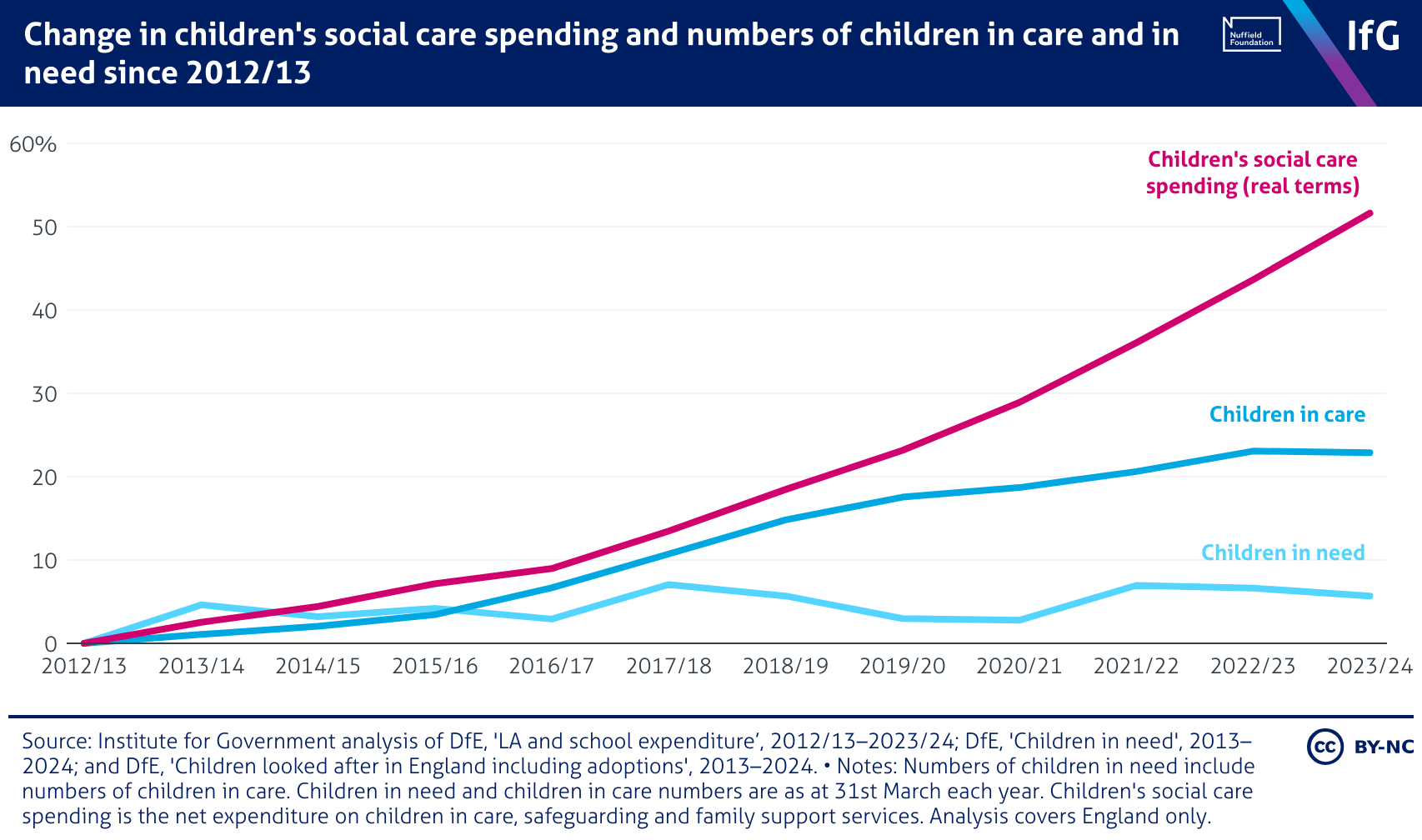
And the Institute for Government paints a stark picture of where we’re at:
But in 2024, the total number of fostering households in England was at its lowest point since at least 2014, standing at 42,615. Meanwhile, the number of children in care has continued to grow. There are now 14,840 more children in care than there were in 2014, but 2,165 fewer fostering households. The Fostering Network estimated this year that an additional 5,000 foster families were needed in England to meet demand.
If there aren’t enough foster homes, children (who should have been in foster homes) will likely go into residential children’s homes. Guess what that does to decimated local authority budgets:
3. There’s a right way to foster, and lots of wrong ways
I advocate for a therapeutic, trauma-informed approach to fostering. Mostly because I’ve lived it. I’ve seen the difference it made to my children’s lives. If I ever forget or falter, I don’t need to look far. I just look at my three kids and see how far they’ve come.
Fostering services have recognised this, and many have become “therapeutic”.
But a sign above the door and a tweak to the website do not make a fostering agency therapeutic. There’s a parallel here with the current “proteinification” trend in the food industry. Foster carers want a therapeutic approach, and so we’re seeing a “therapeutification” of the fostering world.

A therapeutic approach is definitely the way forward. Having seen it work for my children, I now get to watch it happen every single week with the families I work with.
But a label on the packaging isn’t enough. That’s not therapeutic. That’s marketing.
What do you know about fostering? I would love to hear from you in the comments.
Enjoyed this? Here’s Part Two: What surprises you about fostering?
No posts
Comments
Nothing yet. Say the first thing.
Sign in to join the conversation.