
You’ve probably never heard of Gillian Lynne. But I bet you’ll know her work.
That may never have been the case, because Gillian had a bit of a problem at school.
She wouldn’t sit still, would distract the class, and was more interested in the world outside her window.
The school was worried. So worried that they wrote to her parents.
Her Mum, wanting the best for Gillian, took her daughter to see a psychologist.
After hearing all the issues, he thanked Gillian for her patience and asked her to wait in the room while he spoke to Mum in private.
Just before he left the room... he turned on the radio.

Standing outside the room, peering in through a window on the door, they watched what happened.
Within moments, Gillian jumped to her feet. Then, she began dancing gracefully around the room.
The doctor paused, then said,
“You know, Mrs Lynne, Gillian isn’t sick. She’s a dancer.”
After finding a new home at a nearby dance school, Gillian went on to audition for the Royal Ballet School. Her audition went well. Later, she would join the Royal Ballet Company.
After her time there, touring the world, she launched her own company... where she met Andrew Lloyd Weber.
Gillian would go on to choreograph some of the most successful productions in musical theatre history, including Cats and The Phantom of the Opera.
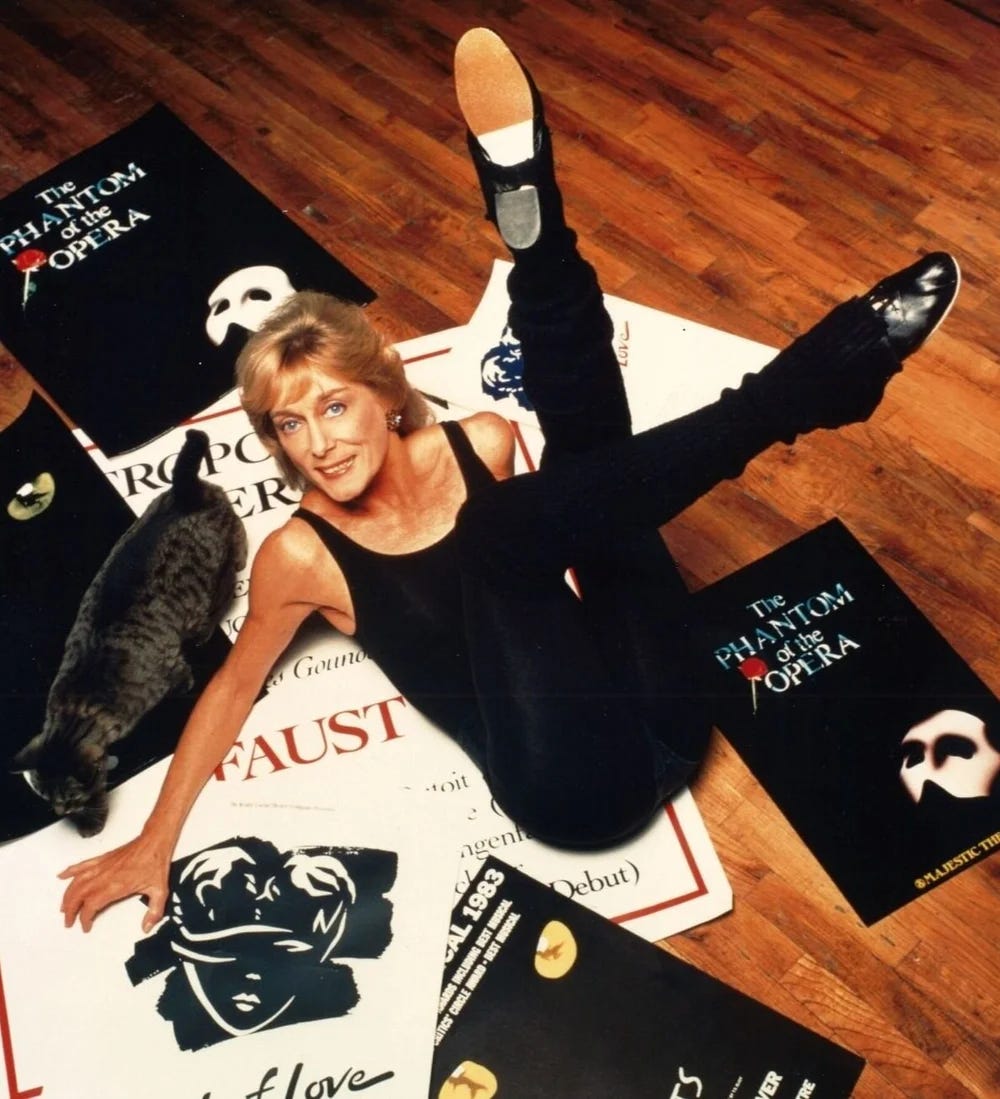
She brought joy to so many, was a millionaire, and lived an unparalleled life of fulfilment. She was also the first non-royal woman to have a West End theatre named after her.
Sir Ken Robinson told Gillian’s incredible story in his famous TED Talk:
His talk seemed to strike a chord. It’s the most popular video on the TED website, with 80 million plays (plus another 24 million on YouTube).
I love Gillian’s story. I first wrote about it in 2021.
And I was reminded of it yesterday during some excellent training on Autism & ADHD for children who have also experienced trauma, from the brilliant Dr Libby Gaskell.
How many kids are we telling to calm down? Asking them to fight against who they are and what they know works for them? Telling them our way is the only way?
As Ken says during his talk:
“Someone else might have put her on medication and told her to calm down.”
We can choose to do things differently.
More information: Sir Ken Robinson Foundation
No posts
Comments
Nothing yet. Say the first thing.
Sign in to join the conversation.