
Only if we understand, can we care. Only if we care, we will help. Only if we help, we shall be saved.
JANE GOODALL
I was so sad to hear of the passing of Jane Goodall, a true saint among us, someone who really understood compassion for this world.
I do think understanding is the key to caring, and so many people don’t. It’s not always their fault, and I don’t want to start out this piece on any sort of blame game, but here’s hoping that our future generations are helped on a path towards understanding our planet better.
I certainly never had this myself at school (1980’s and early 90’s), though I did biology and geography like everyone else. I learnt about photosynthesis but they didn’t teach me how the trees and peat bogs regulate our environment through carbon capture. I learnt the life cycle of a butterfly, but not the importance of biodiversity or how an ecosystem works to keep everything in balance. I learnt the water cycle, but nothing about the impact of droughts or floods or the importance of not wasting water because it’s a precious resource.
I don’t have children, so I don’t know what gets taught in school these days, but I do hope times have changed, and our kids now get to learn the more important stuff of life. My learning about our planet and our impact on it has come mainly from books, articles and documentaries, all of which have taught me the theory and shown me what’s happening on a wider planetary scale, but in the garden and mainly on the allotment I have learnt lessons closer to home.
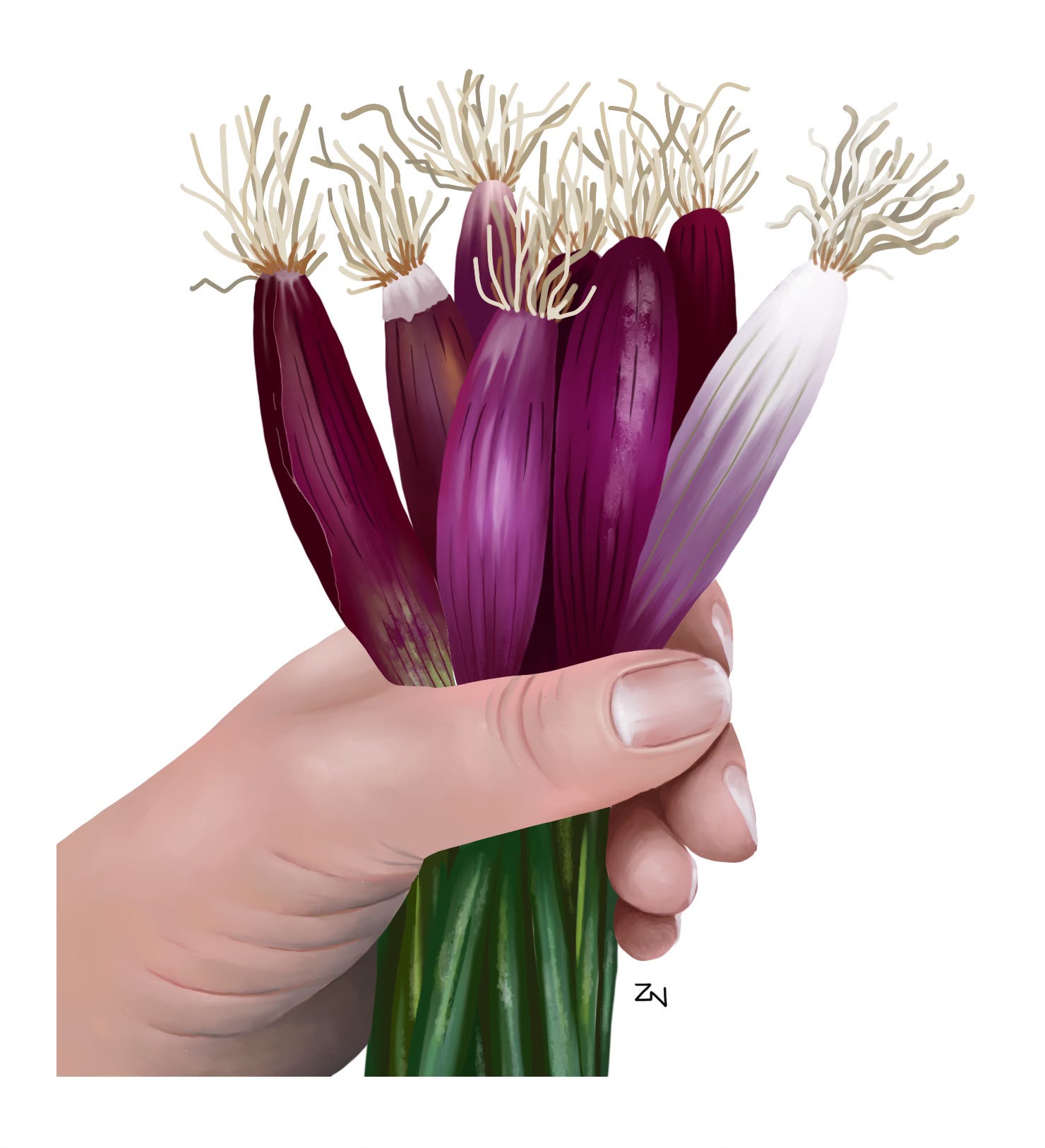
Growing my own food has taught me about the seasonality of our food and what it should taste like straight from the ground or picked directly from a plant, and not from the shelves of the supermarket out of season, after weeks or months of cold storage. How fruit in particular should taste when it’s been fully ripened on a plant by the sun, rather than artificially. I will hold my hand up here and admit that I don’t know how a banana should taste direct from a tree, and so I do buy them year round having become used to how they taste to us in the UK, and I’m sure that wouldn’t be the case if I had this knowledge. But I wonder whether people would still buy those watery, tasteless tomatoes in the middle of January if they knew how artificial they are. I once had a conversation with someone who had recently come home from a summer holiday somewhere in the Med (Turkey or Greece – I forget now) and they raved about how amazing the fresh tomatoes tasted over there. I had to bite my tongue from telling them, no that’s just how tomatoes should taste when they’re fully ripe and still warm from the vine, try growing them!
It’s taught me not to waste food, after experiencing first-hand the energy and resources that go into the growing and harvesting of it, let alone the packaging, storage and transport. And that’s just fresh food.
I now understand the importance of healthy soil, and how that makes a huge difference both to the success of growing food in it but also to the nutrition of that food once it’s harvested, and I further understand what it takes to keep that soil healthy without the use of chemicals, and why that in itself is important.
Observing the ladybirds on stinging nettles in early spring, led me to learn that they rely on an early emerging variety of aphid that are attracted to nettles. The nettle patch is left to grow, but also gets harvested for myself due it being packed with nutrients (those aphids know a thing or two) and later, when they get woody, turned into a homemade nitrogen rich fertiliser, meaning I don’t have to use further resources and plastic to bring in shop bought ones.
A frog hopping out from overgrowth at the bottom end of my plot made me realise that the frogs will only hang out on my patch if they have somewhere to hide, so I shouldn’t strive to have a clear and tidy plot over winter, and if that means a few slugs hiding out, then that means food for the frogs and hedgehogs. The frogs were the messengers, but who knows how many other creatures also need that messy area of overgrowth, a compost heap, a random pile of woody stems to burrow into or in between, a few seed heads for little winter shelters, a stash of leaves to keep warm beneath. I also learnt that the frogs love to hide out under nasturtium leaves, and so if you grow them between your crops, they can move around under a little green canopy for protection, and will hoover up any slugs under there.
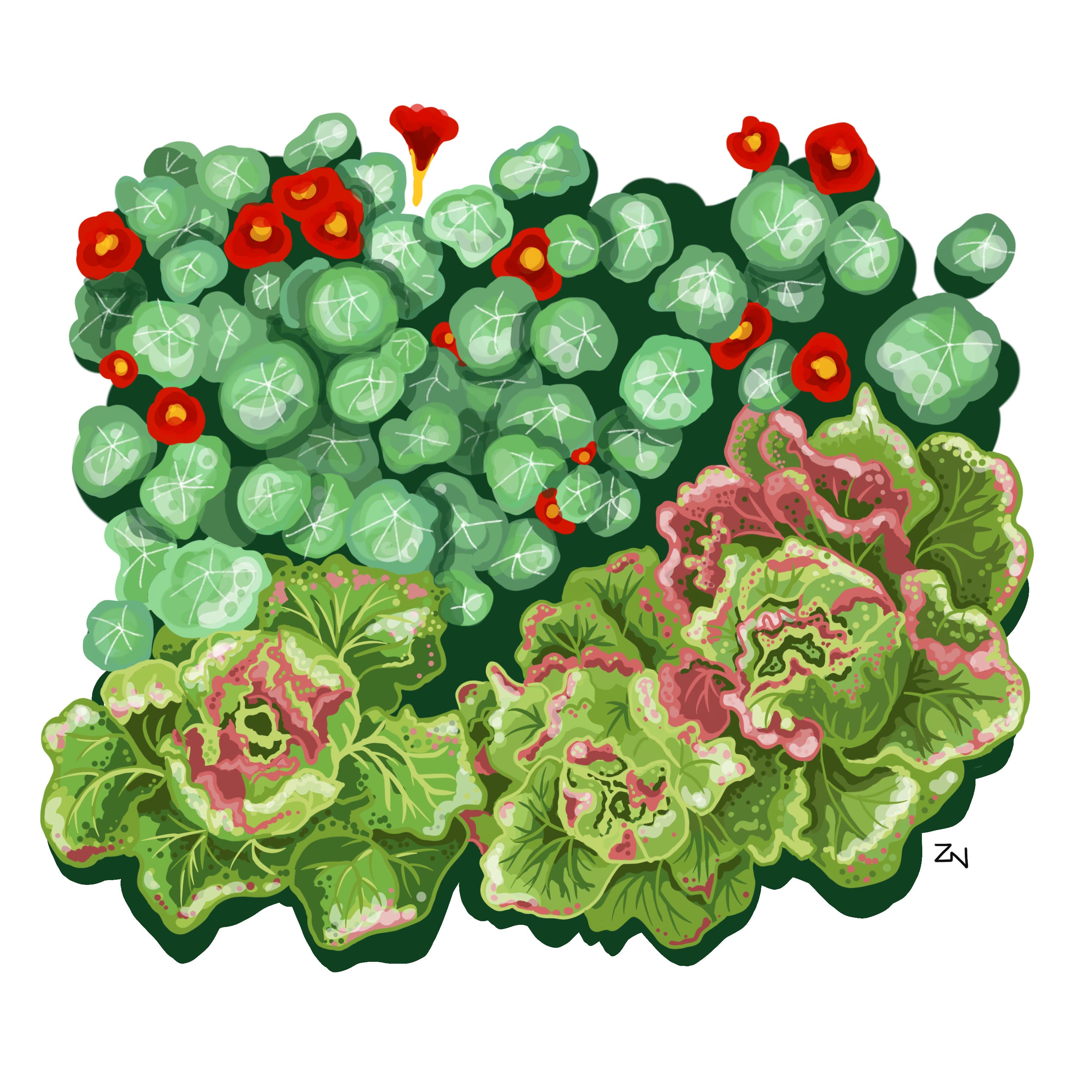
From my office, I watch a blackbird hopping down my grassy path, pulling out random insects that I can’t see, and I understand the importance of even the smallest patch of grass, and it makes me horrified at anyone who would even consider replacing their lawn with a plastic alternative, just so they don’t have to mow it.
Learn, understand, care, help. Learn some more, keep learning.
I’m sure Jane saw far worse atrocities than plastic lawns and liberally sprayed glyphosate, and I’m certainly not making any claims to be perfect when it comes to being green, but all these little things add up, and the more you fully understand, the better placed you are to make a difference.
Thanks for reading Garden Bliss. If you’d like to support this newsletter you can buy me a coffee here which will be very much appreciated. I also have a shop on Etsy called Zoe’s Garden Prints that you might like to mooch through, or you can share this post.
No posts
Comments
Nothing yet. Say the first thing.
Sign in to join the conversation.