
Part 3 of The New Game: Power, Product, Place
I know. It has been a minute since Part 2. Blame Asia. I have spent the last stretch bouncing between Japan and Korea. One night I’m ringside in Fukuoka watching sumo with a bowl of noodles the size of my head. Two days later I’m in Seoul eating beef dumplings so good I considered cancelling my flight home. In between that there were a few projects that will surface next year. Classified for now.
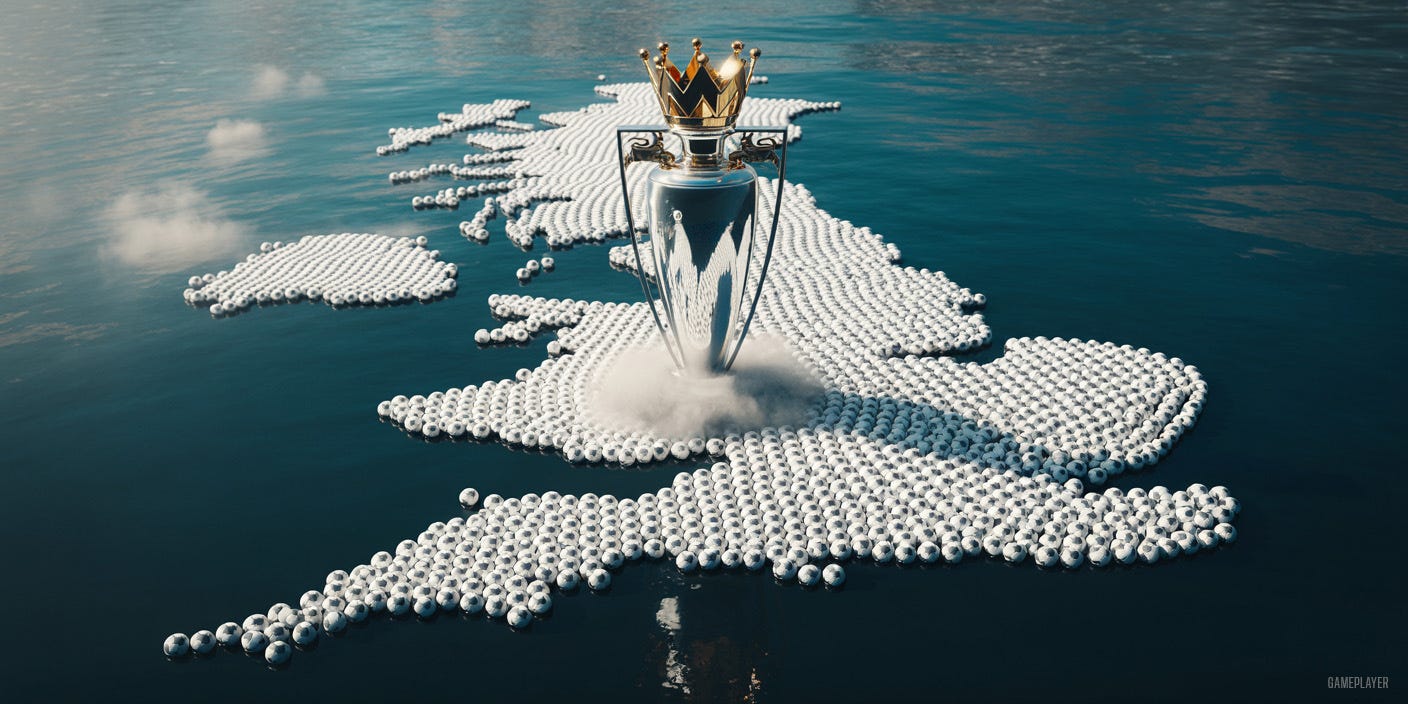
What travel does is reset your eyes. You watch how people in Tokyo consume football. You watch how people in Seoul talk about the Premier League. You realise the game is global in a way English fans sometimes forget. Then you land back home and remember. As global as football feels, the gravitational centre is still an island.
England built this sport. Geography shaped it. Culture sustained it. And the next decade will decide whether the island evolves or gets overtaken by the world it inspired.
Every global industry has its birthplace. Tech has Silicon Valley. Fashion has Paris. Football has England. Not by sentiment. By geography.
The UK is freakishly well designed for football to thrive. Big enough for deep pyramids. Small enough that rivalries feel intimate. According to the Department for Transport the average away trip in English professional football is around 70 miles. In France it is closer to 200. In Italy well over 230. That is the difference between a spontaneous midweek away day and booking a flight, a hotel and a prayer.
The result is ritual. English fans go everywhere because everywhere is reachable. And when something is reachable it becomes habit. And when it becomes habit it becomes culture.
Deloitte’s Annual Review of Football Finance has repeated the same line for years. The Premier League generates the highest matchday income in world football. The secret is not ticket prices. It is attendance. Week in, week out, stadiums are full. The Premier League’s average attendance in 2023 and 2024 hit levels no other league has ever touched.
People call it the best league in the world. They forget it is also the most accessible league in the world. The island advantage is real. Every away day feels achievable. Every home game feels communal. It is the density that does it. The closeness. The concentration.
This is what foreign investors misunderstand when they talk about “scaling the model”. The model is geography. The model is trains. The model is towns that never lost their sporting identity. In England even the twentieth club in the table still fills a stadium most countries would kill for.
That guaranteed demand is gold. Institutional investors love certainty. The Premier League offers it in a way no other league can. Not because of the teams. Because of the island.
American investors who are used to four hour flights between franchises cannot believe you can watch your club away twice a month without leaving the south of England. They cannot believe a stadium can be a liquidity engine without a single upgrade. They cannot believe that even relegated clubs carry a matchday footprint bigger than most top flight sides in Europe.
This is why funds approaching football now think in PropCo terms. Buy the land. Optimise the asset. Monetise the seven day experience. If the team gets relegated it hurts your media rights but not your footfall. People still come.
The island turns football clubs into real estate plays with a heartbeat.
And there is no better example than Tottenham.
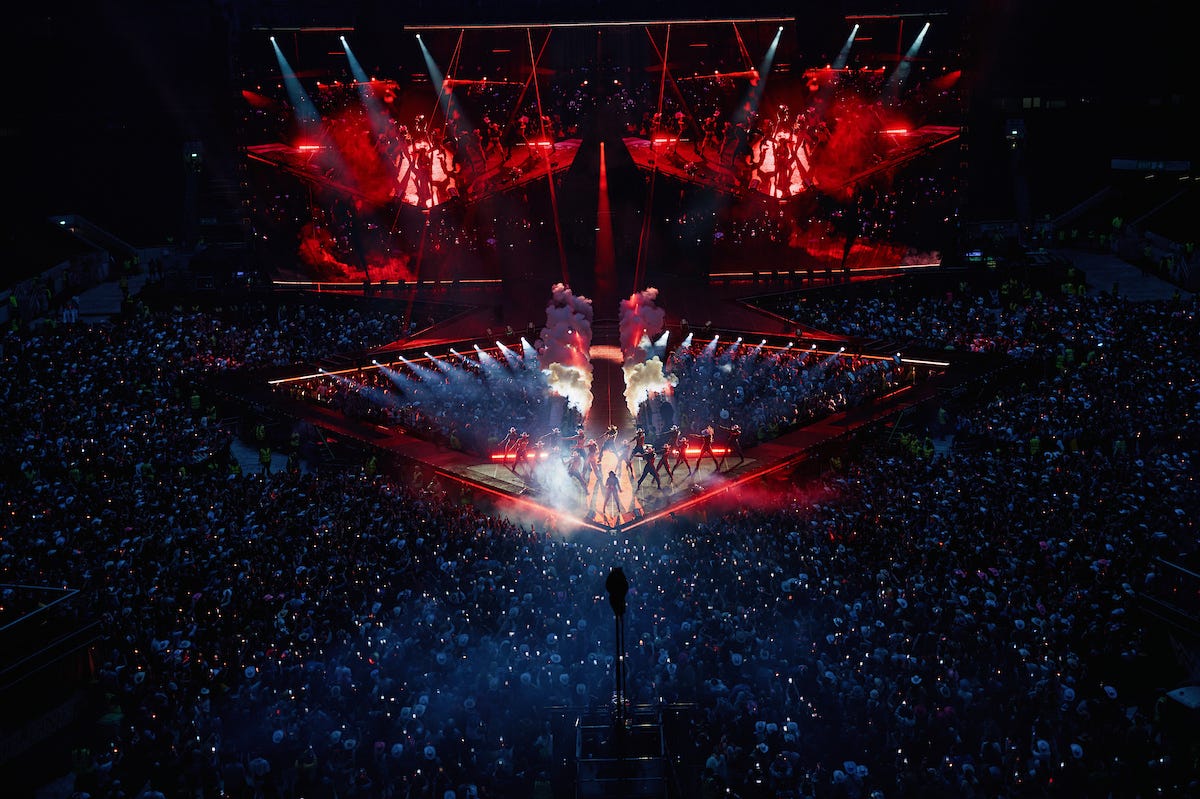
Tottenham Hotspur Stadium is the closest thing European football has to a cheat code. Part sports venue. Part entertainment complex. Part billionaire’s dream. Spurs were clearing roughly £106 million in matchday revenue in 2023/24. That is what happens when a football stadium is built like a global entertainment asset. And that figure is before you add Beyoncé, NFL weekends, boxing cards, rugby finals and the world’s most efficient beer pouring system.
This is PropCo before football knew the word. And the architect of all of it is Daniel Levy.
It has become fashionable to criticise Levy without doing any homework. But the truth is simple. Levy is one of the best operators English football has ever had. Full stop.
People say he never cared about on pitch success. Fine. Let’s look at the receipts. He hired Antonio Conte and José Mourinho. He hired Paul Mitchell and Fabio Paratici, two of the most respected football talent architects of the last decade. He brought in Damien Comolli long before “sporting director” was a normal term in England. And he worked with Franco Baldini, a director with Champions League pedigree who shaped some of the club’s most ambitious recruitment cycles. He backed Mauricio Pochettino into a title race. He went to a Champions League final. Yes, the final. Spurs are European champions today. That is the truth.
He kept the club competitive through stadium construction. He built an asset that will outlast every manager and every cycle.
This is the part nobody talks about enough. Football’s competitive advantage has shifted. It no longer sits only in player wages or transfer budgets. It sits in infrastructure.
Birmingham City’s new American owners understand this. Knighthead did not arrive with fairy tale rhetoric. They arrived with a build plan. Stadium redevelopment. Non matchday revenue. City district activation. They are not trying to rebuild a club. They are trying to rebuild its gravity.
Wrexham’s story is cute but the real story is the Racecourse redevelopment. A textbook PropCo play wrapped in a Hollywood script. And clubs across League One and League Two are watching closely. Because they know they cannot climb the pyramid on football revenue alone. They need assets.
KPMG and EY have both published reports on this. Football clubs sit on undervalued real estate that traditional lenders once ignored. Not anymore. Stadiums are being treated like airports. High footfall infrastructure with reliable demand.
No country is better built for this than England. Stadiums sit inside cities. Transport is elite. Away fans travel in huge numbers. The island makes infrastructure a weapon.
But here is the part money cannot manufacture. English football worked long before investors arrived because the culture was already cooked.
Walk into a Premier League ground twenty minutes before kick off. It does not feel like live entertainment. It feels like ritual. You see grandad in the same seat he has protected for forty years. You see his son next to him and his daughter after that because the waiting list for season tickets is longer than most relationships. You see tourists taking photos and locals rolling their eyes but secretly loving it.
And if I had a pound for every time I have a friend over from the States asking me how to get a ticket to Arsenal versus United, I would own a club by now. They are genuinely perplexed that there are simply none available. Maybe one lonely GA seat for £800 if the stars align. Such is the level of demand. This is not armchair fan energy or “take the niece out for the day” like you get in the NBA or NFL. Where you can always get a ticket. English football is scarcity. Scarcity creates culture. Culture creates value.
That is what investors are buying. Ritual. Not goals. Not kits. Ritual.
And that is why the island matters. Ritual is location bound. You cannot export it without losing the flavour.
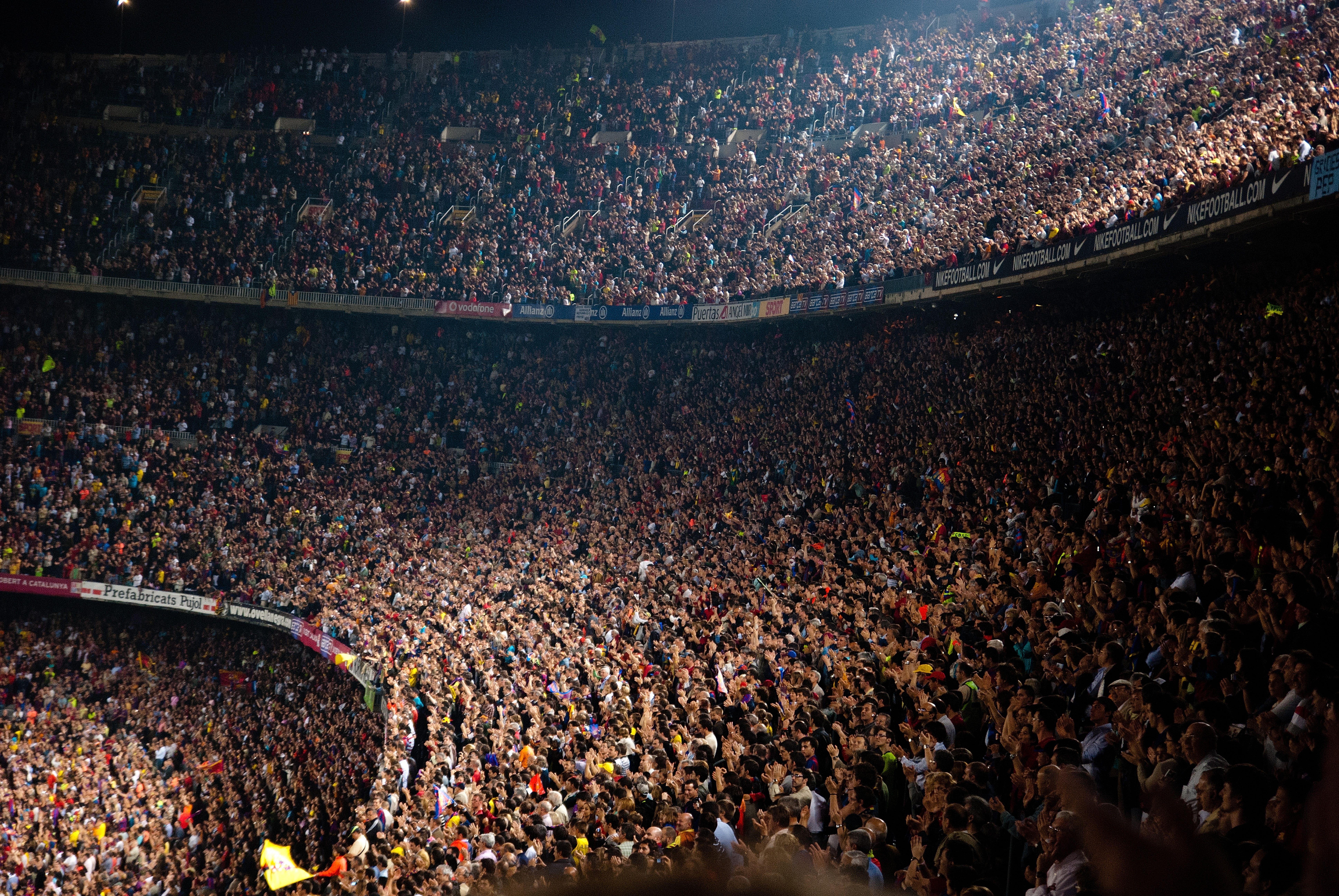
Globalisation is the Premier League’s superpower. But globalisation is also the threat. The league became the most powerful in the world by opening its borders to talent and capital. But the more global it becomes the easier it is to lose what made it special.
The Premier League cannot become a subscription show. It has to remain a civic heartbeat. The songs. The streets. The trains. The rivalries. All of it is part of the product. All of it is born from geography.
If the island loses its intimacy the league loses its moat.
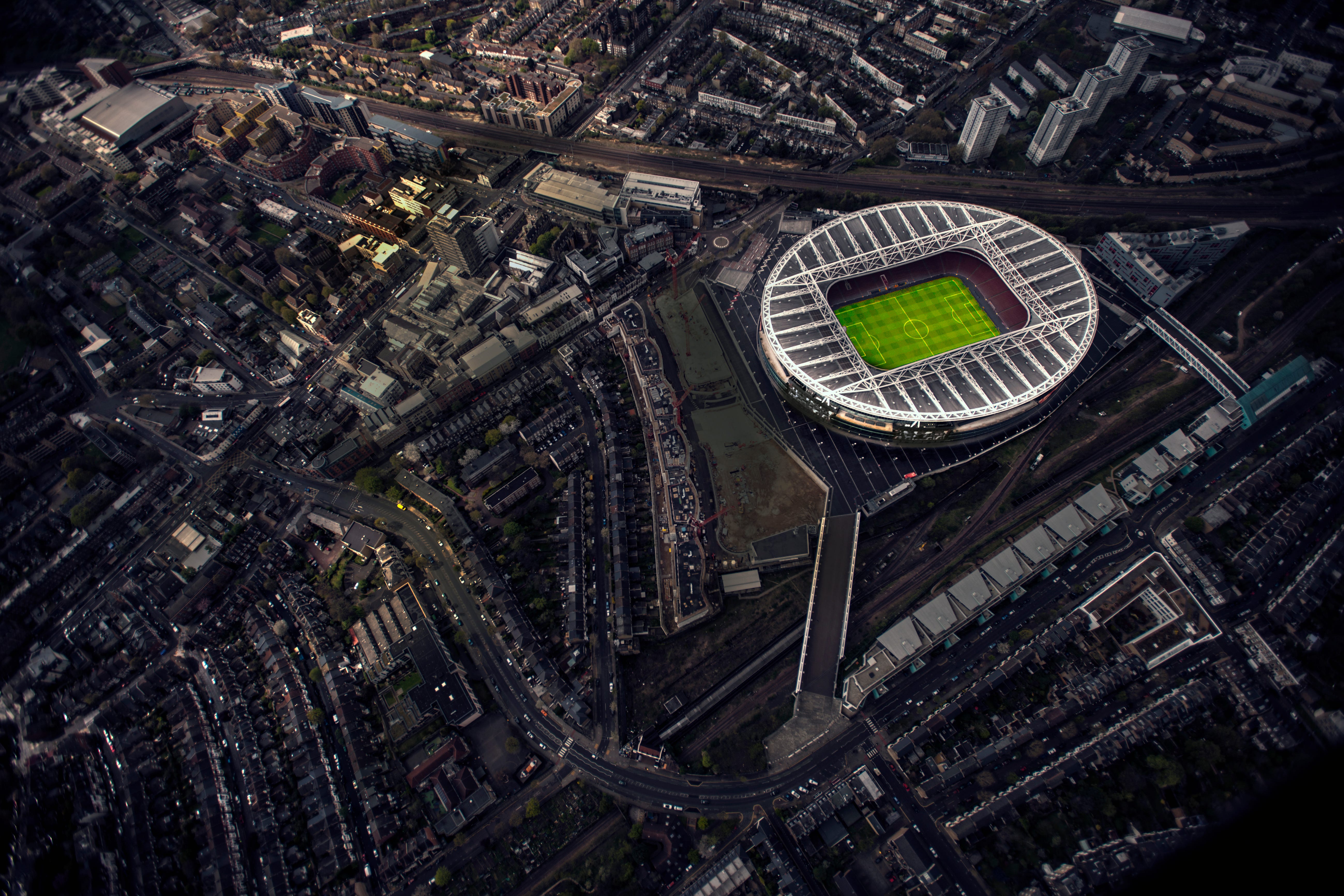
If English football is heading into a new era, it will be defined by how the island handles pressure from the outside world while protecting what makes it different. That tension between place and scale, ritual and revenue, is the real battleground now.
Fans want the game to grow without losing the thing that made them fall in love. Clubs want to get bigger without feeling corporate. Investors want predictability without flattening the culture. Not many industries survive that kind of tightrope. English football might. If it chooses intention over inertia.
This game started on an island. Whether it still belongs to the island in twenty years depends on the decisions being made in boardrooms, council chambers and training pitches right now.
A three-part series exploring how power, creativity and ownership are reshaping modern football.
I don’t just write about the future of football, I help shape it. If this hit a nerve, I’m probably already thinking about how we could build something together.
Thanks for reading GAMEPLAYER.
Through EDEN, CAOS, GAFFER, and over 100 football contracts, transfers, brand deals, and equity-driven partnerships, I’ve seen power shift from clubs to investors, brands to athletes, and legacy to culture.
I break down what matters. Private equity takeovers, athlete-led media, billion-dollar sports IP, and the future of merchandising and streaming.
This isn’t just commentary. It’s about who’s making the real moves and what’s coming next.
Comments
Nothing yet. Say the first thing.
Sign in to join the conversation.