
Disclaimer: This content is not intended as treatment or support for any medical condition. Content for entertainment purposes only. Not medical or health advice.
Back in October, I made a post outlining my typical day of eating, what supplements I tend to take daily (and why), and the habits I engage in to stay well.
Since my diet tends to change somewhat with the seasons, and since I’ve made a couple of changes to both my habits and supplement routine since then, I figured that it’s now time for “part two.”
With the onset of spring, I start to crave meals that are lighter, brighter, and often colder. My appetite for oxtail or chicken soup is replaced with cravings for fish and seafood. I start wanting to have beef tartare or ceviche in place of beef stew. I crave more smoothies, fruit, vegetables and herbs. This article reflects how my plates change as we move out of the cozy winter season into the warm, energetic spring/summer season.
Below you’ll find three days of my typical springtime meals (along with photos and loosely formulated recipes), their macro-and micronutrient breakdowns, my regular supplement rotation, and the non-food-related habits that help me feel and function my best.
As a quick disclaimer: the foods I eat and the supplements I take are tailored to my individual needs. They’re not a prescription for anyone else. I explain the reasoning behind my food and supplement choices below.
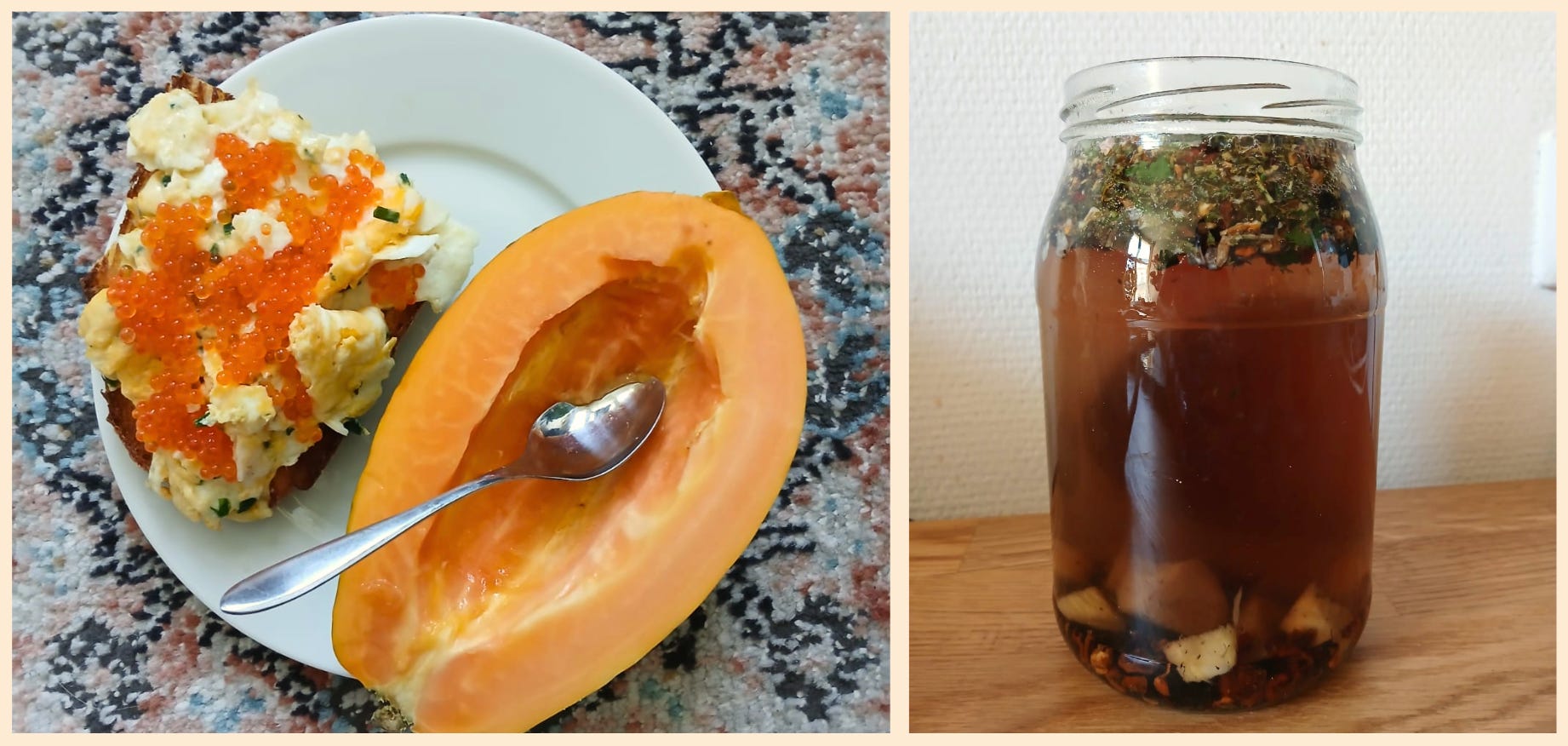
Eggs will forever be one of my favourite breakfast ingredients. Here we have two scrambled eggs (cooked in about a teaspoon of coconut oil), with a slice of Gouda, some salt, and chives, served on top of toasted sourdough bread and topped with trout roe. I buy my chives frozen and pre-cut, which is mostly a convenience thing. Fresh chives wither too quickly for my liking. A pinch of frozen ones can be promptly sprinkled onto eggs during cooking, without the need for washing and chopping. Next to the eggs, I’m having half a papaya (I toss the seeds away).
While some people advocate eating papaya seeds for their anti-parasitic properties, I avoid them because they’ve been shown to lower progesterone levels in animal models1 and have even been used as contraceptives or abortifacients in some folk medicine practices. Low progesterone levels lead to a worsening of PMS as well as infertility. The seeds also affect male fertility, lowering sperm production and motility. Personally, I am far more worried about tanking my hormone levels than I am about parasites.
“Traditional healers use Carica papaya seeds as a remedy for diseases and as a contraceptive for men and abortion in women. […] Our data show that aqueous C. papaya seed extract significantly and negatively affects sperm motility parameters crucial for fertility.”2
While the seeds are destined for the trash, papaya itself is one of my favourite fruits, both in terms of flavour and its health properties. It’s one of the most vitamin C-packed fruits. Its vitamin C content is overshadowed only by guavas and some berries, like acerola. Half a large papaya gets me about 180 mg of vitamin C. Vitamin C aside, papaya eaten with meats or other animal proteins can improve digestion, as papain, an enzyme found in papaya, helps disassemble proteins for absorption.
Most people don’t get enough vitamin C, as the commonly-eaten fruit (like apples or bananas) don’t have much of it. Subclinical vitamin C deficiency can show up as newly-onset or worsening seasonal allergies, bleeding gums, dark under-eye circles, low blood sugar spells, worsening depression, broken sleep (from high histamine levels), broken blood vessels (that look like little red or blue dots on the skin), loss of skin elasticity (because you need vitamin C to make collagen), and easy bruising. In my opinion, the established vitamin C RDA (which is 75 mg) is criminally low. I feel my best getting at least 500 mg of vitamin C from food daily, and I think most people would, too.
Eggs and fish eggs are both incredible sources of choline. Choline supports all parts of digestion, including stomach acid release, digestive enzyme release, and bile release. It’s also needed for healthy liver function and helps prevent fatty liver disease. Choline also supports brain function and memory formation. Just like vitamin C, most people don’t get enough choline, not even meeting the already-low RDA of 450 mg.
After breakfast, I always have a strong Americano to welcome the day (not pictured).
Calories: 579
Carbs: 62 grams
Protein: 30 grams
Fat: 24 grams
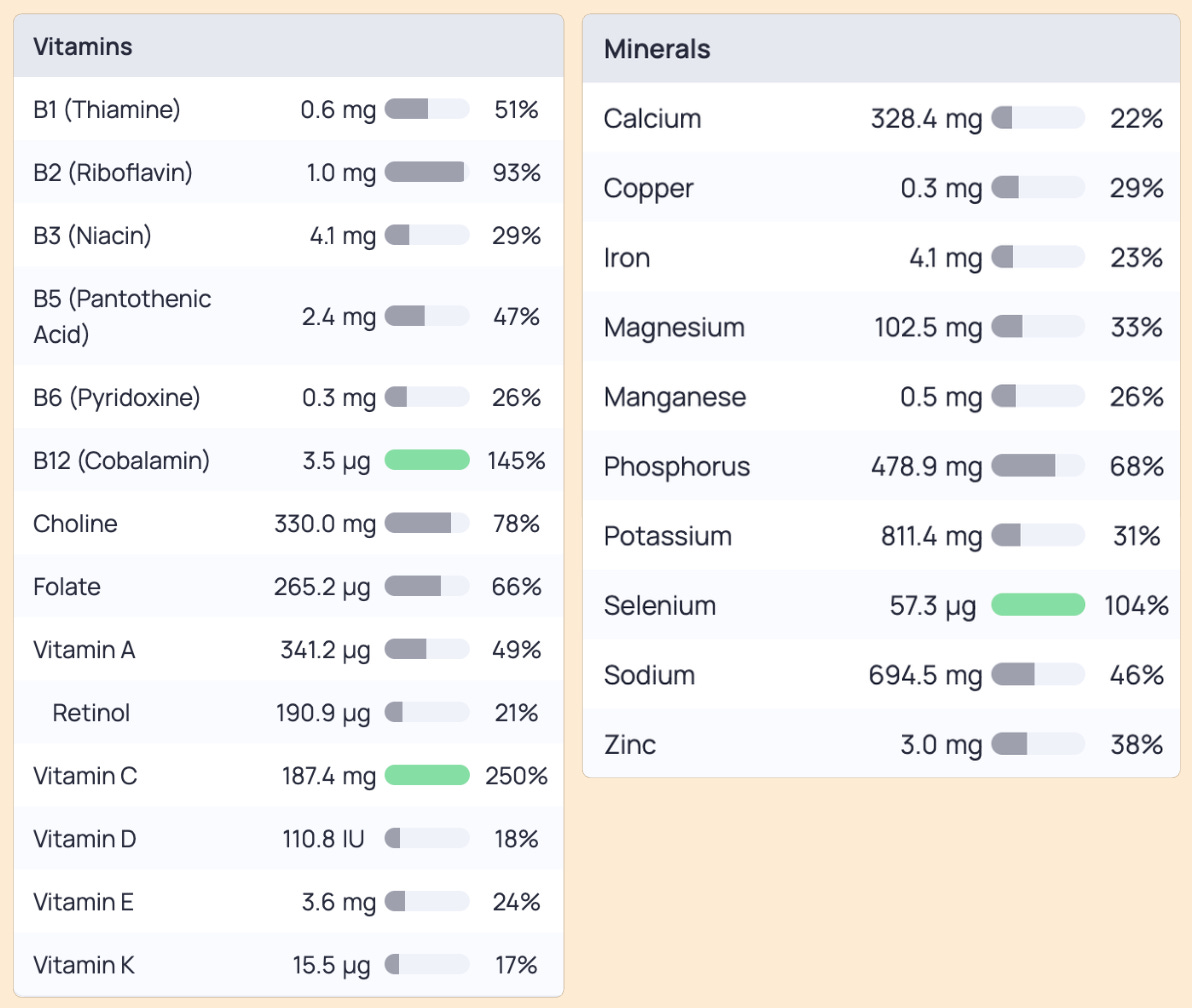
Note: I do not track the supplements I take in my Cronometer logs, nor the herbal infusion that I have with breakfast, as micronutrient data for herbs is lacking in Cronometer. I only track my foods, and it’s always my goal to meet at least 90% of established daily RDAs with diet alone.
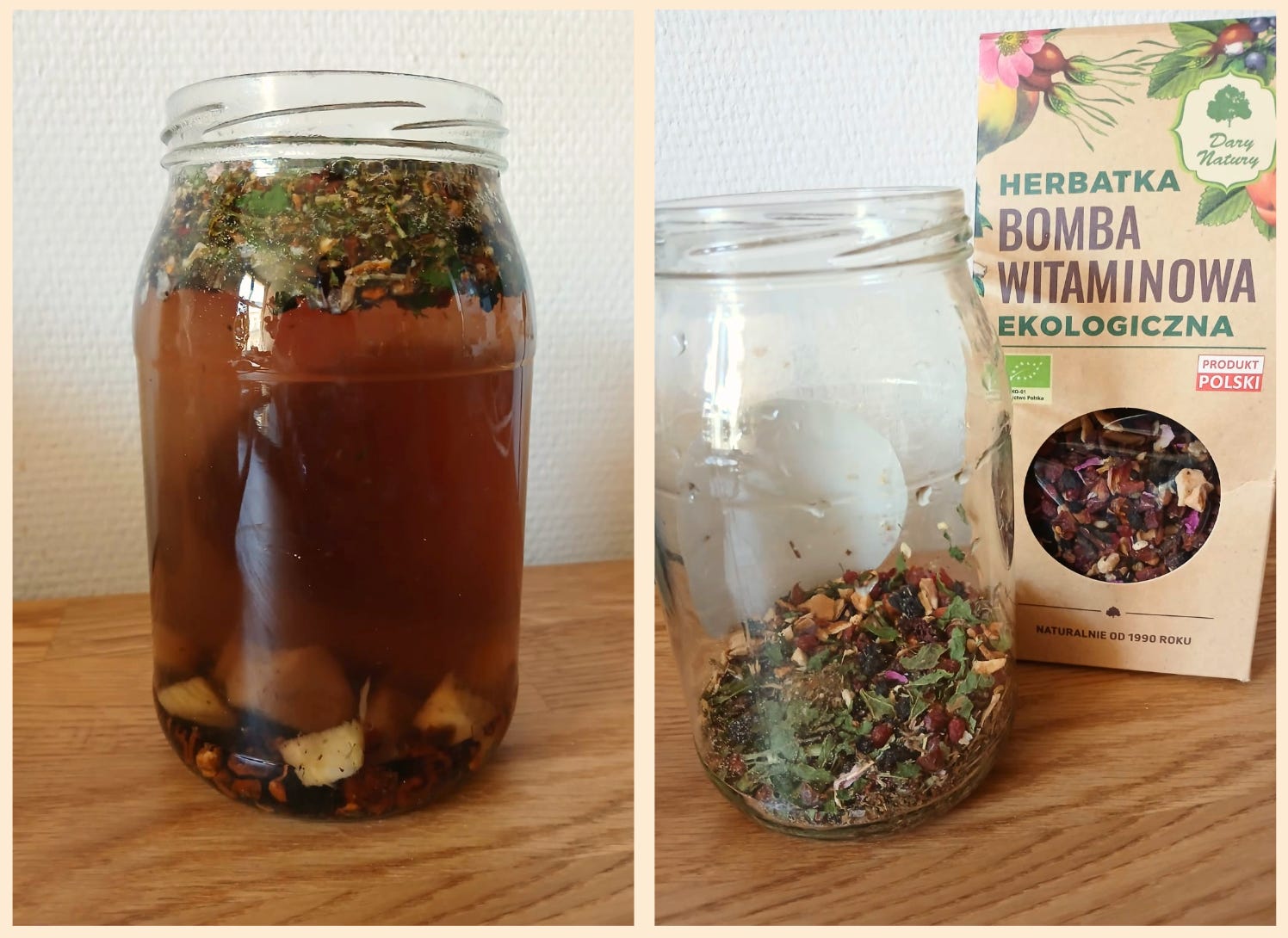
Pictured next to my breakfast is my daily herbal infusion. I try to use slightly different herbs each day to diversify the micronutrients and polyphenols that I get from them.
Here we have:
A dried fruit and flower mix containing rose buds and petals, apples, blackthorn berries, high-bush blueberries, barberries, elderberries, rowanberries, blackcurrant, hawthorn berries, raspberries, and hibiscus flowers
Big chunks of peeled ginger
Dandelion leaf & root
Orange peel
Nettle leaf
I boil some filtered water, pour it over the herbs, and let the mixture steep for about half an hour before drinking.
The above herbs are known for their positive effects on digestion, particularly their ability to favourably change the composition of the microbiome. All berries have flavonoids that support the survival of good bacteria while making the gut less hospitable to pathogens.
Barberries are a natural source of berberine, a known antifungal. However, the amount of berberine in this infusion is far lower than that found in supplements and far less likely to lead to adverse side effects like hypoglycemia.
Rowanberries are particularly high in malic acid,3 which helps increase urine pH, protecting against kidney stones.
Elderberries are helpful in preventing respiratory infections by stimulating the antiviral immune response.
Ginger increases stomach acid and speeds up gut motility, making it a well-known constipation remedy. It’s also a relatively potent mast cell stabilizer,4 which is why ginger helps prevent nausea.5 Ginger has also been shown to help reduce hypothyroid symptoms, likely through its antioxidant-like properties that guard the thyroid gland against damage.6
Flavonoids in orange peels similarly possess anti-histamine properties and can increase the populations of helpful butyrate-producing bacteria in the gut.7 Nettle, through its quercetin content, also possesses anti-histamine properties.8 It’s also effective against excess water retention. Blackthorn is another quercetin-rich plant ally.
Meanwhile, dandelions contain compounds that protect the liver against injury by lipid peroxides.9 The bitter taste of dandelion helps stimulate the release of saliva and bile, which is why dandelion is often used in the prevention of gallstones and cholestasis. The body generally recognizes bitter flavours as “potential poisons.” The release of digestive secretions in response to them is the body gearing up to better dispose of any potential poison that may have been ingested (since bile helps eliminate fat-soluble toxins).
Nearly all edible herbs are antibacterial, antifungal, and antiparasitic, so drinking herbal infusions helps improve the oral and gut microbiome. The levels of polyphenols in many common, edible herbs used for teas and infusions aren’t high enough to risk damage to our cells, but they are strong enough to damage the cell membranes and biofilms of unwanted pathogens that try to inhabit our bodies. By tweaking immune function, providing antioxidants that guard our tissues from damage, strengthening the gut lining, and feeding beneficial bacteria, these compounds strengthen our innate defences against unwanted microbial residents.
Herbal infusions are also an underrated way to get an extra micronutrient serving, as many are rich in calcium, potassium, magnesium, manganese, vitamin C, vitamin K, and carotenoids.
Importantly, though, I drink them for an extra little boost on top of an already solid diet and a dialled-in supplementation protocol (for my needs). Herbal allies are helpful. But metabolic, liver, or digestive problems are not caused by a dandelion or ginger deficiency.
Micronutrient repletion (to supply compulsory cofactors for vital metabolic pathways), adequate caloric and macronutrient intake, and open detox pathways are what’s really needed for robust digestion, stable liver function, appropriate immune reactions, and vigorous metabolic function. The helpful compounds in herbs simply act as a little “power-up” bonus.
Earlier this year, I got an Instant Pot, which has revolutionized cooking for me, because meals that would previously take four or so hours to make (like oxtail stew, for example) now take 30 minutes. In general, the ability to leave a meal to cook while I go off and do something else, without having to stand over the stove stirring and monitoring constantly, has been immensely convenient.
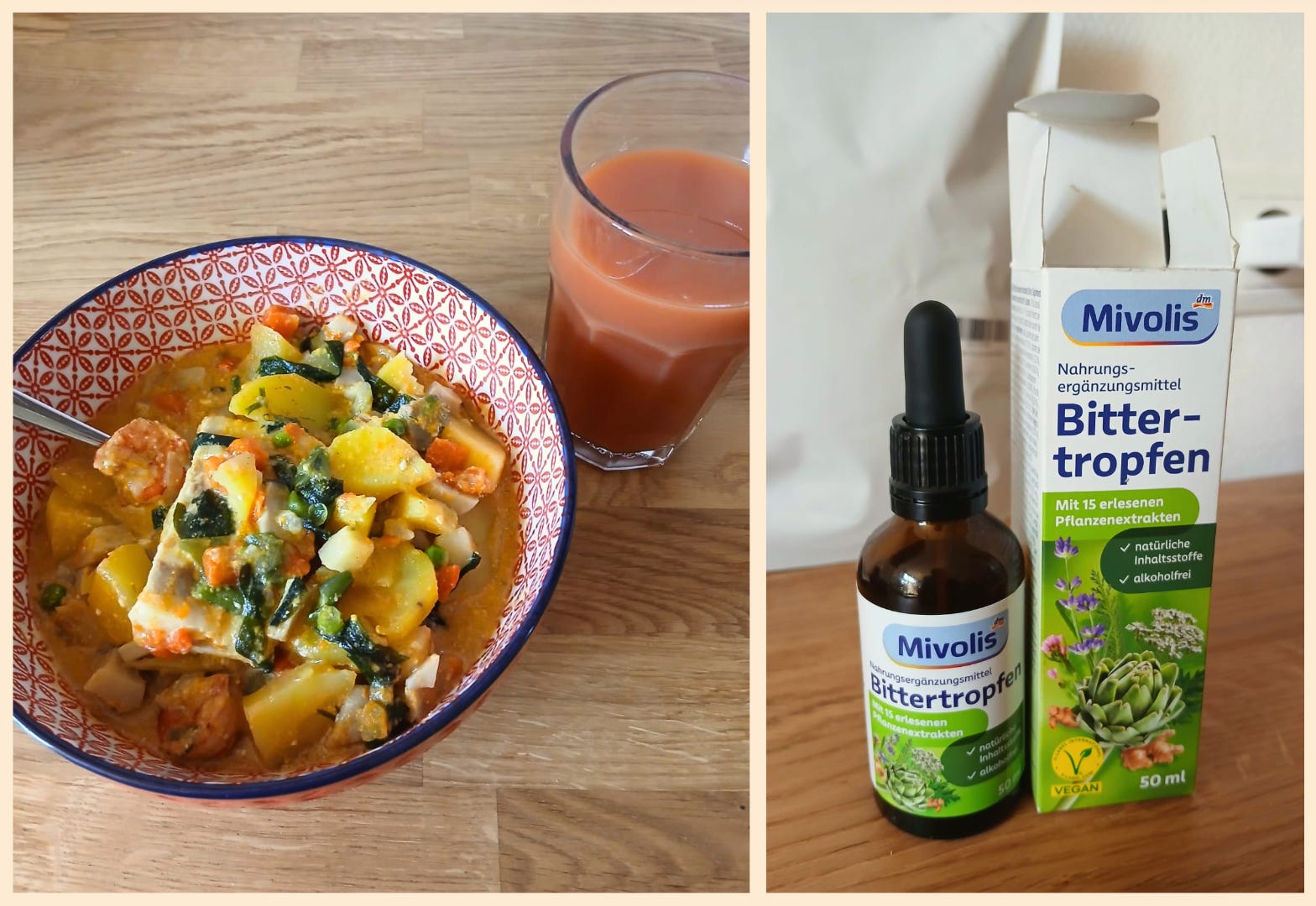
Here’s a lunch that I’ve been having quite often lately, which is a “freestyle” seafood curry.
I placed about 250 grams of peeled potatoes, chopped king trumpet mushrooms, a frozen veggie mix (containing carrots, peas, green beans, leeks, and onions), about 100 grams of frozen shrimp, one frozen cod filet, half a can of coconut milk, half a packet of Kooray massaman curry powder, a tall teaspoon of salt, and a sprinkle of dried wakame seaweed in the Instant Pot and set it to pressure-cook on the high setting for seven minutes.
Wakame is a particularly rich iodine source, and I’ve started adding it to meals simply because I’ve been craving seaweed lately, which suggests to me that I might need more iodine. I only add about 1-2 grams of it to my meals to avoid iodine excess, especially since cod and shrimp are also sources of iodine.
I’ve also been making a lot of use of frozen proteins and frozen vegetables lately. They’re convenient, keep for longer, and are already pre-cut and pre-processed. In case it’s not obvious already, I’m a pretty lazy cook, so I’m always on the lookout for practices that make “healthy eating” easier, quicker, and more accessible.
There’s this lingering cultural impression of frozen foods and frozen vegetables being somehow inferior, which is why many people insist on always getting fresh ones. Yet, data shows that frozen vegetables may retain their nutrients even longer than fresh ones.10 Plus, frozen vegetables may have less pesticide residue, as they are often thoroughly washed and blanched before packaging. Brands often have to have samples of their products screened to see whether they meet the legal pesticide residue limits before hitting supermarket shelves. The end product has to be relatively clean, as it’s known that frozen veggies aren’t washed before cooking. Of course, I’m not dissuading you from eating fresh veggies. I just want this to be your invitation to not feel bad about getting them frozen to save on time and effort when needed.
Lastly, I realize that some of you may have some strong feelings about the fact that I use potatoes, not rice, as my carb source for curries. Potatoes are simply a far superior micronutrient source, coming pre-packed with nutrients required for processing glucose, like potassium, magnesium, and copper. As long as they’re peeled, the texture pairs perfectly well with curries, in my opinion at least.
As I always crave fruit with savoury meals, I am having a glass of blood orange juice on the side for extra carbs, minerals, hydration, and vitamin C.
Since my lunches are my biggest, densest, and most fibre-rich meals, I’ve recently been experimenting with using digestive bitters (on the right) right before eating lunch. I take approximately half a dropper full of bitters before eating, and I find that doing so has made me tolerate a near-endless array of fibre sources, ones that would sometimes still lead to gas in the past.
Digestive bitters—like gentian, artichoke, nettle, angelica root, and bitter orange—stimulate the release of saliva, stomach acid, and bile, prepping the body for digestion and flushing any bacteria that may have migrated up the intestine back to the colon. They’ve become one of my top 5 favourite supplements, especially since I do sometimes find myself eating in between tasks and not relaxing enough before eating (which I’m sure is also something that many of you may struggle with because, such is life, it’s not always possible to take your time to wind down for 30 or so minutes before eating). For those of you who are forced to have meals in a rush, or who struggle with fibre or protein digestion, these will likely be a game-changer.
Calories: 845
Carbs: 115 grams
Protein: 41 grams
Fat: 28 grams
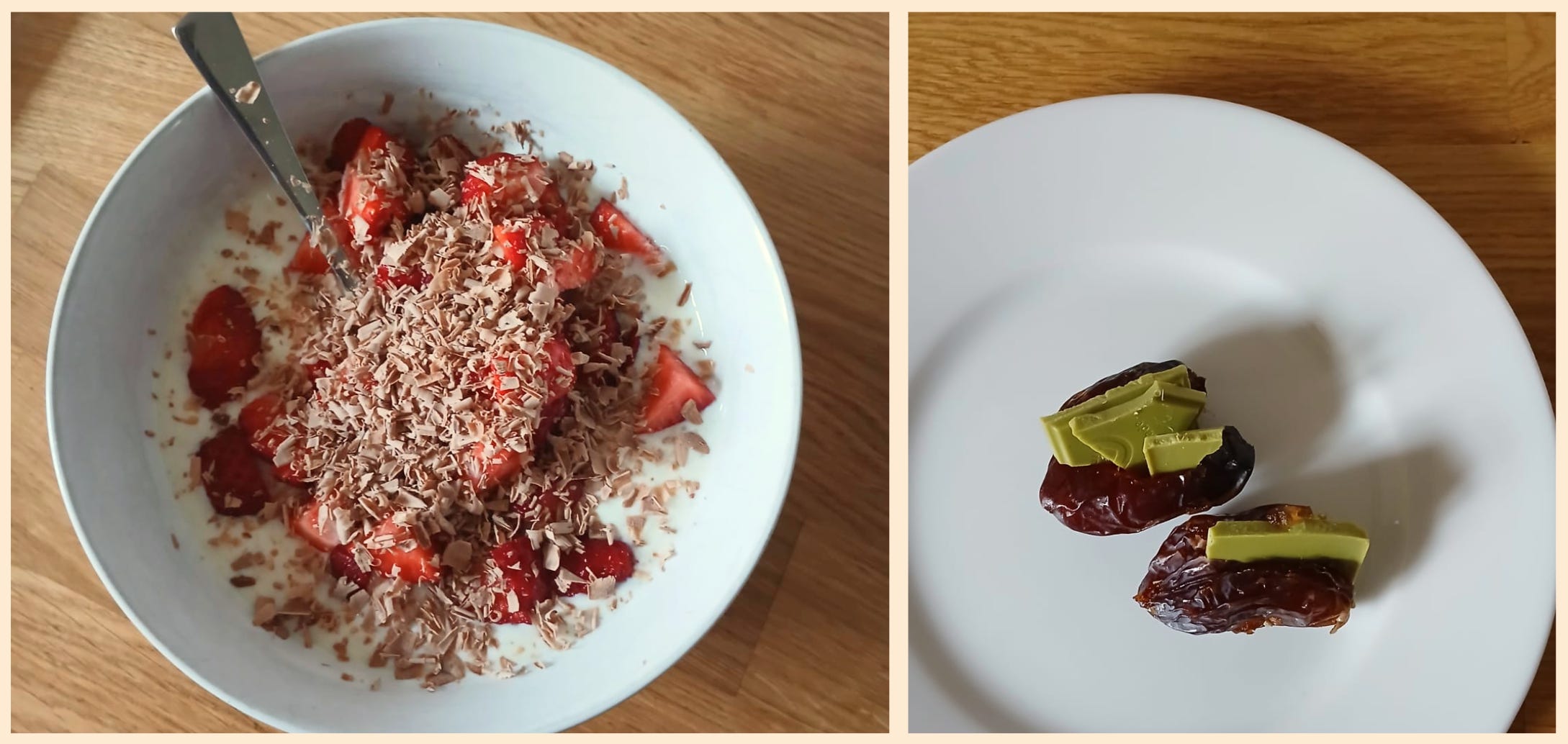
While I like having big, satiating meals for breakfast and lunch, my “dinners” and bedtime snacks are usually light “finger food” that doesn’t require much time or effort to make or eat. The word “dinner” seems too disjointed from what these meals actually are. They are, however, still calorically dense, providing me with the energy I need, even if they don’t look like much.
Here I had goat milk Skyr (a high-protein, fat-free yogurt), with honey, royal jelly, and collagen, topped with strawberries and chocolate shavings. Towards the evening, I like having more calcium-rich meals as I find that this helps me wind down for the night. I also had some Medjool dates with pieces of white matcha chocolate for extra calories and carbs. My usual pairing is dates with dark chocolate (absolutely delicious), but this day I ran out of dark chocolate, so I made do with this unnecessarily fancy matcha chocolate I had on hand.
These types of “snack” meals are just a personal preference. While it is generally best to have the majority of daily calories earlier in the day to keep the metabolism up and running during our most active hours, this can also be achieved simply by cooking a smaller, savoury, typical dinner. However, I just don’t like to spend my time cooking more than once a day. It’s not the most nutrient-dense meal, but it is delicious. 🌞
Calories: 573
Carbs: 100 grams
Protein: 34 grams
Fat: 7 grams
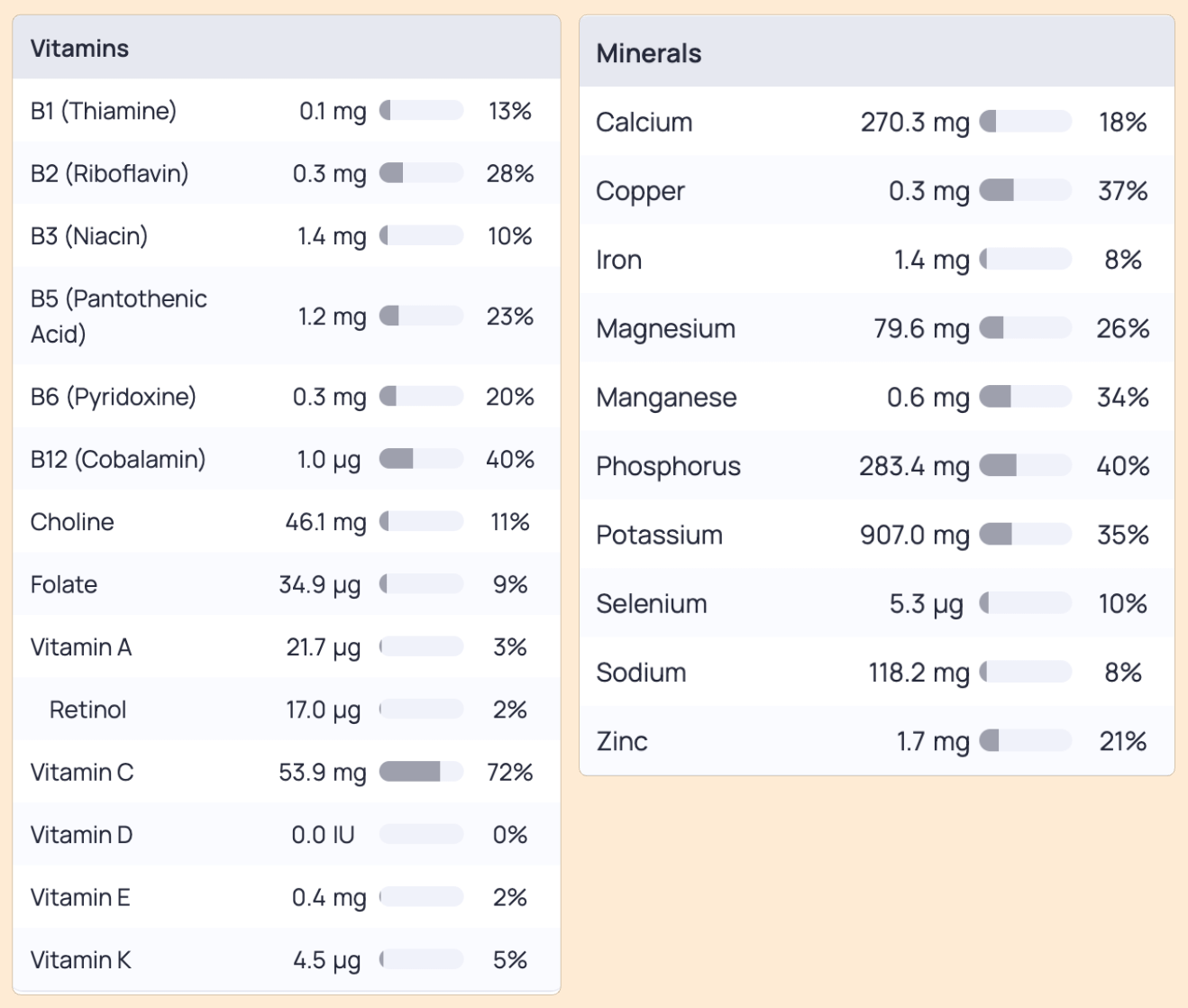
*There’d be more B5 in this meal than what Cronometer tracked. They don’t have nutrition data for royal jelly in their database, which is the densest food source of vitamin B5.
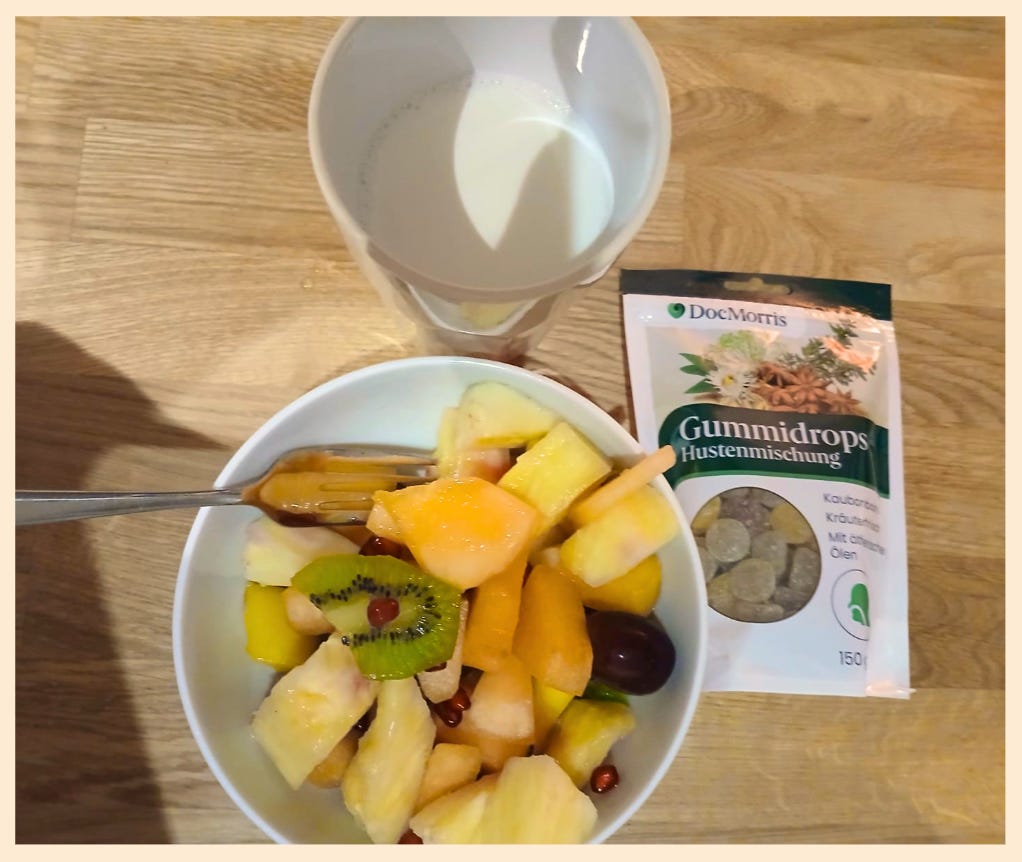
About an hour or so before going to sleep, I had a fruit salad (kiwi, pomegranate, pineapple, grapes, mango, and cantaloupe), a glass of warm, salted goat milk, and about 1/3rd of a pack of these gummies, made with pork gelatin and herbal extracts.
Salt helps keep adrenaline levels down at night, preventing nighttime waking and nightmares. Both calcium (in milk) and vitamin C (in fruit) have anti-histamine properties, helping prevent waking in the middle of the night or racing thoughts at bedtime.
The sugars in milk, fruit, and gummies help replenish liver glycogen to supply a steady stream of glucose to maintain blood sugar during sleep. Vitamin C helps package glucose into “glucose for later” (liver glycogen), which is then slowly released into the blood during sleep. This keeps nighttime cortisol low. Cortisol (our main stress hormone) spikes when blood sugar drops too low, brute-forcing the liver into gluconeogenesis, which is the process of converting proteins and fats into glucose to raise blood sugar levels. Unfortunately, this cortisol spike can massively disrupt sleep, causing us to wake up wired at 3 am. The combination of milk and nutrient-dense carbs before bed guards against this.
Lastly, gelatin (found in gummies) is a source of the amino acid glycine. Glycine is more than just a protein building block. It acts like a neurotransmitter within the nervous system. As a neurotransmitter, glycine is “inhibitory,” which means that it makes the mind “quieter” and makes us feel calmer and more relaxed, which is the perfect state for inducing restful sleep and peaceful dreams.
Calories: 473
Carbs: 82.5 grams
Protein: 14 grams
Fat: 12 grams
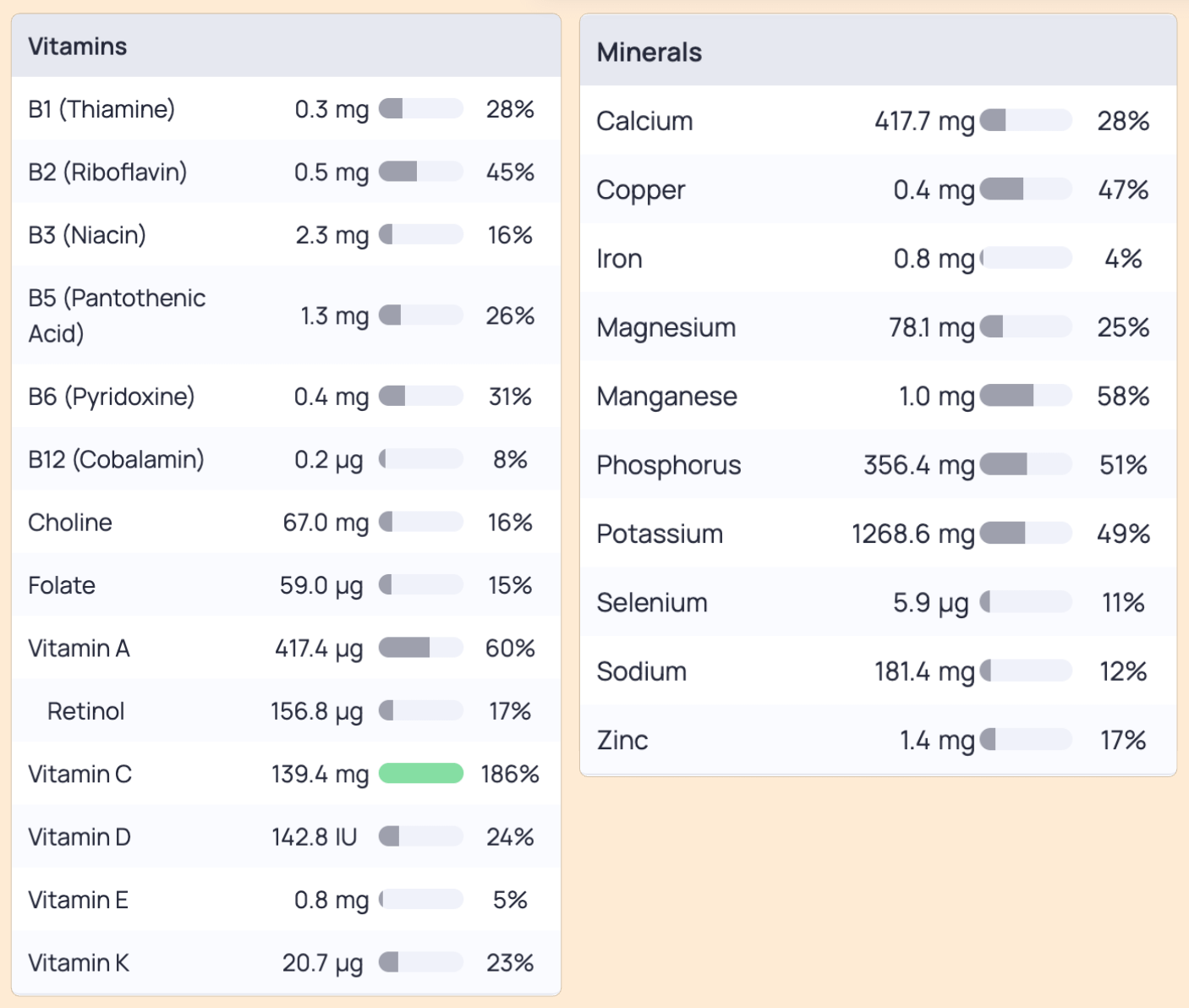
Total calories: 2,470
Total carbs: 360 grams (54% of total calories)
Total protein: 119 grams (20% of total calories)
Total fat: 72 grams (26% of total calories)
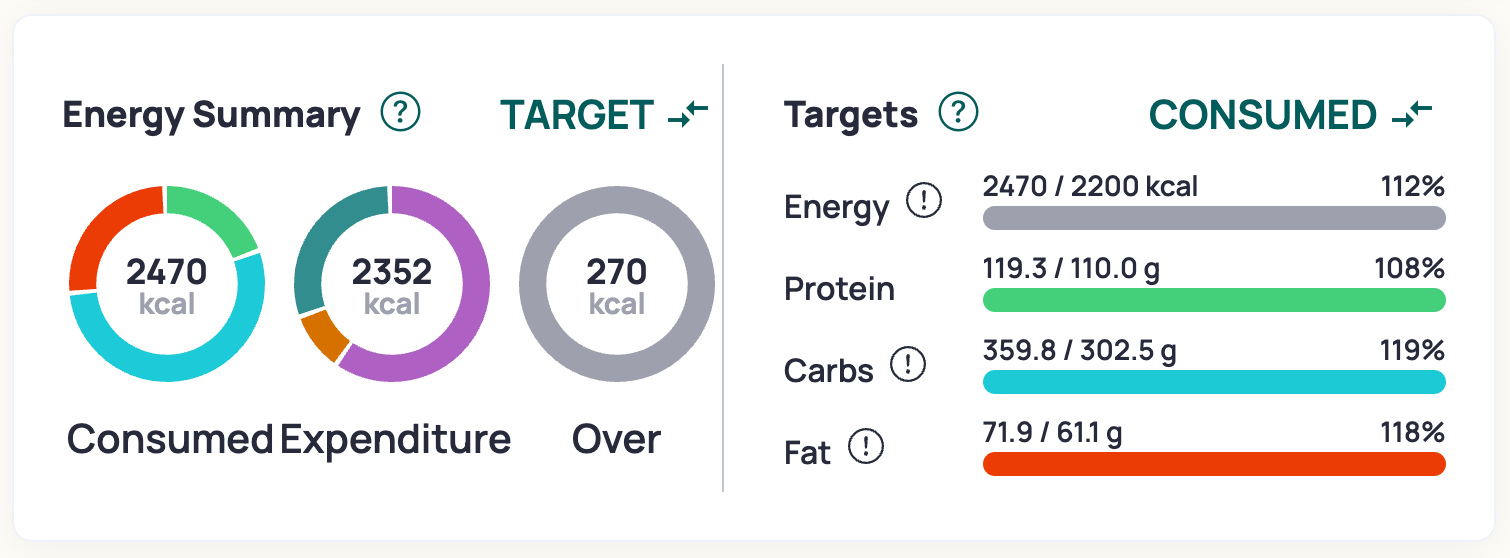
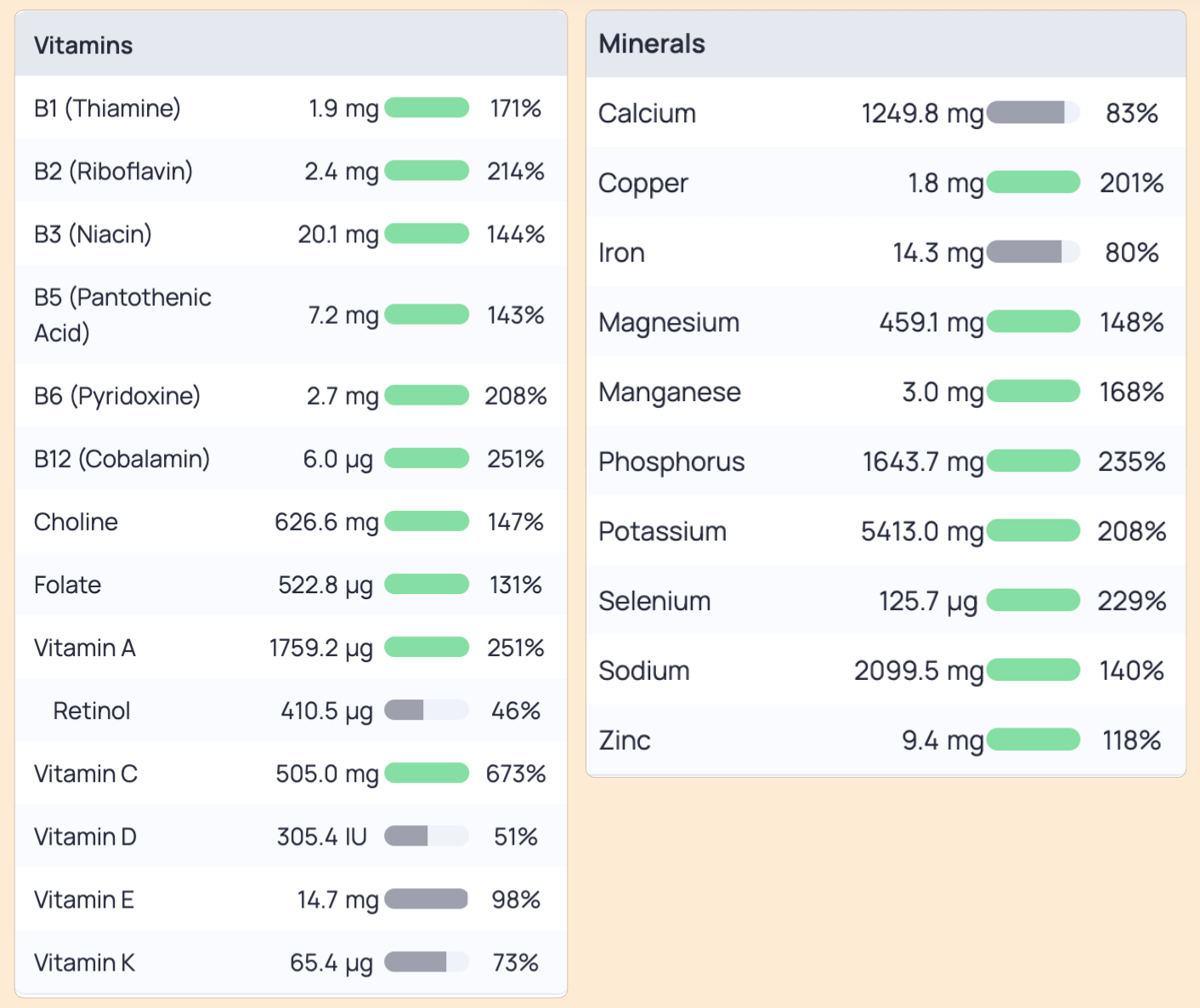
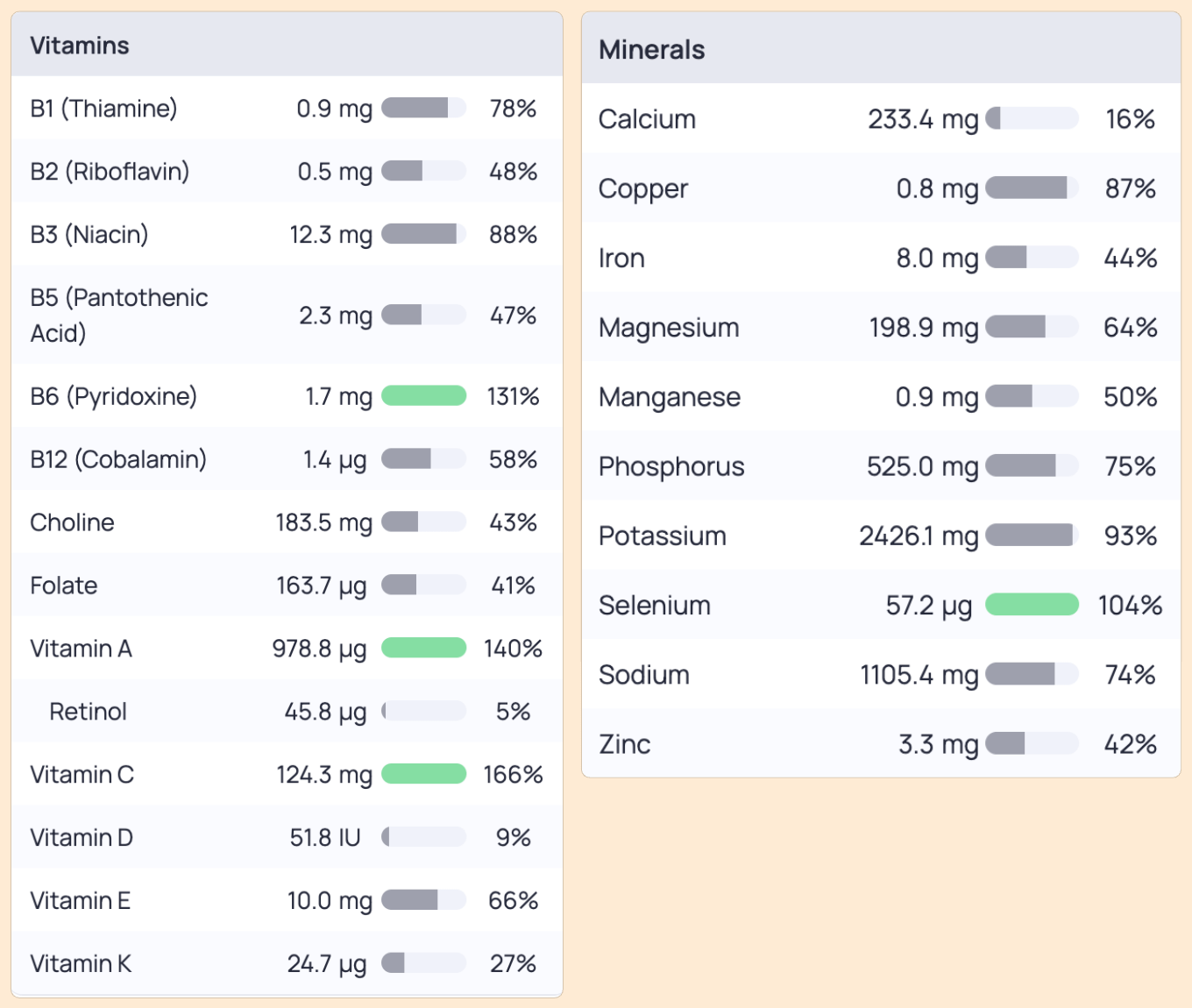
Overall targets met: 94% (as per the Cronometer score)
Fat-soluble vitamins (vitamins D, E, K and retinol) are stored in much larger amounts in the body than water-soluble vitamins. The liver and body fat are where the back-up reserves of fat-soluble vitamins are stored. Unlike fat-soluble vitamins, water-soluble vitamins are barely stored and get depleted and peed out pretty rapidly from day-to-day. While I strive to hit and exceed the RDAs for water-soluble vitamins daily, I am not super concerned with hitting the RDAs for fat-soluble vitamins every single day, especially since on other days (for example, when I eat liver) I tend to get far more than the RDA.
As already mentioned, I do not track the supplements I take in my Cronometer logs, nor the herbal infusion that I have with breakfast, as micronutrient data for herbs is lacking in Cronometer. This is just what I’m getting through food alone. It’s always my goal to meet at least 90% of established daily RDAs with diet alone.
I also don’t track my salt intake, so I definitely had more sodium than what the logs say.
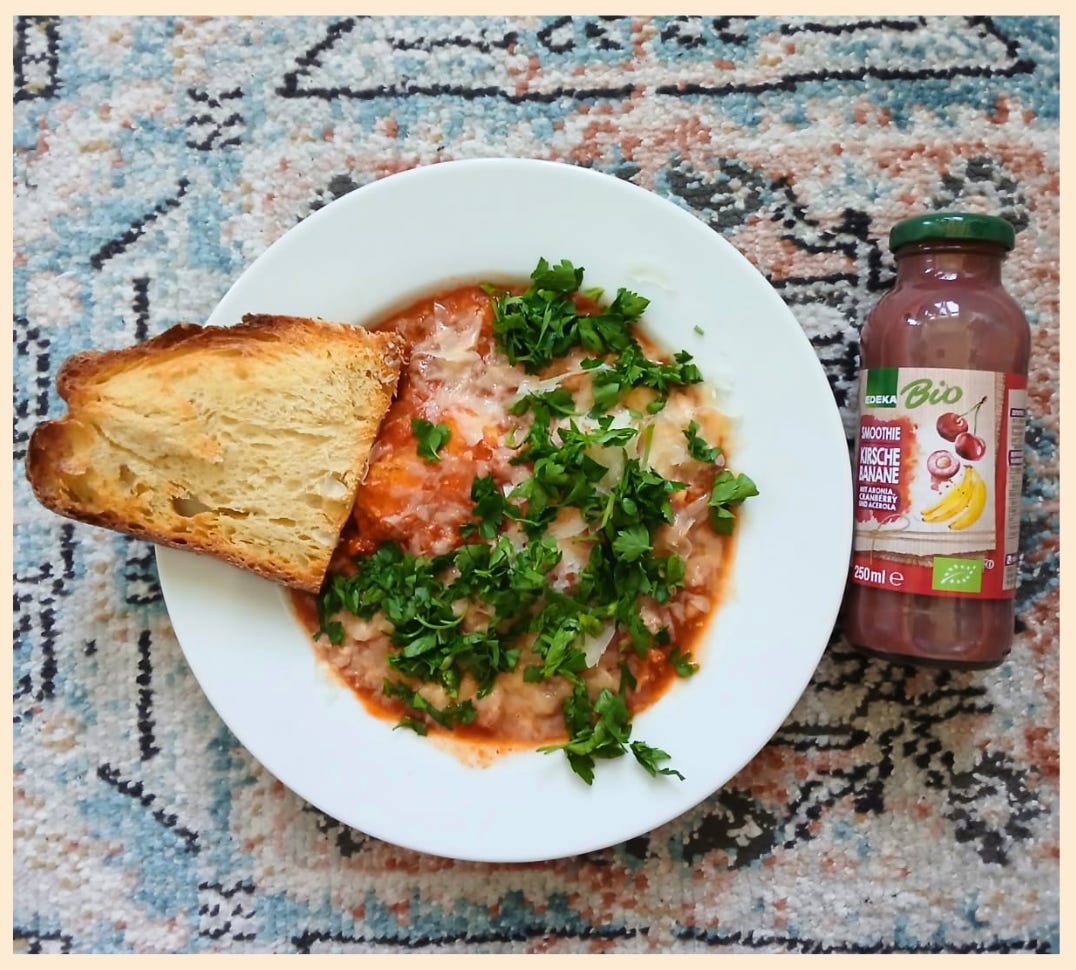
This is my take on shakshuka, a Middle Eastern/North African dish of eggs poached in tomato sauce.
To make the meal more filling and interesting, and to get some extra soluble fibre, I prepare it with canned white beans. Beans aren’t a typical ingredient in shakshuka, but I find the meal a lot more satisfying when some legumes are added.
Comments
Nothing yet. Say the first thing.
Sign in to join the conversation.