
Disclaimer: Content for entertainment purposes only. Not medical or health advice.
This is a stripped-down version of an article that I published at the start of this year, where I covered the history of the lipid-heart hypothesis, Ancel Keys, the Seven Countries study, the Mediterranean diet, the functions of cholesterol and its carriers (LDL and HDL), and the underlying systemic dysfunction that drives both high LDL levels and heart disease.
Since I got a little bit too excited writing that article, making it way too long and covering so many related topics in one place, I figured that the information regarding LDL, why it’s high, and how to lower it by addressing core dysfunctions, probably got buried.
I decided that it would make sense to create a more streamlined article, one where I address only that. For a more detailed deep dive, check out my earlier article.
What is “LDL Cholesterol” and Why Are Statins Prescribed to Lower It
Why Statins Are Not the Ideal Solution
Arterial Plaque Isn’t Just “Cholesterol Deposits”
High Blood LDL Levels Aren’t Caused by a “Statin Deficiency”
Why Are Statins the Leading Treatment for Heart Disease?
The Metabolic Downfalls of Statins
How to Lower LDL Naturally, In 10 Steps
Other Tools for Preventing Heart Disease
Cholesterol is an essential-to-life fatty compound. Most of it is made in the body, by the liver, but some is also found in animal foods, like eggs and meat. Cholesterol is the “raw material” used to make all hormones and synthesize vitamin D. It is used to make bile and thus helps with the absorption of fat-soluble vitamins and the elimination of fat-soluble toxins, like environmental estrogens. It is also a structural “building block,” used to make cell membranes and other cellular components.1
Between 70-80% of all cholesterol in circulation is made in the body rather than absorbed from the foods you eat.23 Yes, you read that right. Most of the cholesterol in your body doesn’t come from dietary cholesterol!
The liver makes cholesterol out of coenzyme A, which is an “energy packet” made from all fuel sources: glucose, fats, and proteins. The key raw materials needed for the creation of coenzyme A are ATP (cellular energy), the amino acid cysteine, and vitamin B5, not dietary cholesterol.
“If you eat only 200 to 300 milligrams (mg) of cholesterol a day (one egg yolk has about 200 mg), your liver will produce an additional 800 milligrams per day from raw materials such as fat, sugars, and proteins.”
- from: Harvard Health Publishing, “How it’s made: Cholesterol production in your body.”
Many tissues also make cholesterol locally. They don’t rely on dietary cholesterol or the cholesterol that your liver makes. For example, the skin and brain make most of their own cholesterol (out of coenzyme A). The brain is the most cholesterol-rich organ, as cholesterol is used to form myelin, the protective insulation that guards neurons and enables the brain to transmit nerve signals.
Cholesterol is absolutely vital, which is why many get confused by the terms “bad cholesterol” and “good cholesterol.” In my longer article, I expand on why I think these terms are misleading and confusing, but let me just summarize what these terms actually refer to and why they’re so commonly used.
The terms “bad cholesterol” and “good cholesterol” are imprecisely used to refer to the different lipoproteins that carry cholesterol through the blood. In reality, there is only one type of cholesterol. LDL and HDL are just the “boats” that cholesterol hitches a ride on to traverse the bloodstream.
The HDL lipoprotein removes used-up or damaged cholesterol from cells, sending it back to the liver so that it can be expelled with bile. Cholesterol bound to HDL in the blood is the so-called “good cholesterol.”
The LDL lipoprotein delivers brand-new cholesterol to cells that need it. For example, it sends cholesterol to muscles so that they can use it to repair damaged cells, or to the sex organs—like the ovaries or testicles—so that they can make fertility-and vitality-sustaining hormones, like testosterone and progesterone. Cholesterol bound to LDL in the blood is the so-called “bad cholesterol.”
LDL-bound cholesterol gets called “bad cholesterol” not because it’s actually bad, but because high levels of it building up in the blood point at a deeper, systemic dysfunction.
If LDL is high in the blood, it means that cells are struggling to grab LDL from the blood and that cholesterol may not be getting delivered to cells, which obviously means that something must be going wrong with the body’s system as a whole. Calling it “bad cholesterol” is basically just a massive oversimplification to make it easier for the “average Joe” to understand that high LDL levels on their blood test are probably not a good thing.
However, the reason why the average cardiologist is worried about high LDL isn’t because they see it as an underlying symptom of hypothyroidism, infection, deficiencies, or a sign that cells are struggling to burn fuel. Most doctors, sadly, do not think about the body systemically. They’re worried about LDL because of the clear link between high blood LDL levels and heart disease.
Statins are the “leading” treatment for heart disease because, by inhibiting a key enzyme in cholesterol synthesis, they accordingly lower circulating LDL levels.
Statins are frequently prescribed to lower circulating LDL cholesterol, under the pretext that doing so will help prevent Coronary Artery Disease.
Coronary Artery Disease is the most common type of heart disease, characterized by plaque buildup in the arteries of the heart. This plaque can block the flow of blood and oxygen to the heart, depriving it of the resources that it needs to keep beating.
Cholesterol is a key component of arterial plaque. Statins are prescribed because they block the liver’s ability to make cholesterol. Since the liver, like any other organ, needs cholesterol to repair and function, when statins block its ability to make cholesterol, the liver starts expressing more LDL receptors to soak up more of the circulating LDL-bound cholesterol for its own needs. This then lowers the amount of LDL-bound cholesterol in circulation.
Cholesterol bound to LDL is cholesterol that’s “out for delivery” to different tissues. The core idea behind statins is that the less cholesterol there is “out for delivery,” the lower the chance of cholesterol getting “stuck” in arteries and clogging them.
Yet, arterial plaque contains more than just cholesterol, and the health of the arterial tissues and the metabolic and immune environment of the body dictate its resilience to plaque formation.
Even many health practitioners mistakenly believe that cholesterol alone is what clogs the arteries. This, however, isn’t true.
Plaque isn’t the result of cholesterol simply settling in and clogging our vasculature as it floats through the blood. If it were as simple as that, then we’d be seeing an epidemic of the tiniest of veins (like the capillaries) getting “clogged,” which doesn’t happen. Instead, plaque is found in big, wide arteries.
Arterial plaque is not just made of cholesterol, but also bacteria, viruses, bacterial endotoxin, white blood cells, debris of dead cells, fragments of damaged fats, and calcium deposits.
Plaque deposits tend to form only in places where the protective coating of cells lining the vasculature has undergone damage. Veins and capillaries share the same protective coating as arteries, but they’re not prone to plaque deposits. This is because their coating (the endothelial lining) is far less prone to injury.
Arteries, especially in sections where they bend or branch, are subjected to greater blood pressure and more turbulent blood flow, which increases the susceptibility of the endothelial lining to damage. When oxidative stress is high and the arterial lining fails to repair rapidly enough, its propensity to mechanical damage increases.
Once the endothelium is injured, LDL particles become prone to getting lodged and “stuck” under the arterial lining. These stuck particles, however, do not yet directly contribute to arterial plaque buildup.
For cholesterol to become incorporated into arterial plaque, it must become damaged (glycated or oxidized). Once cholesterol molecules are damaged, the immune system begins to recognize them as potential sources of harm. White blood cells (which are part of the immune system’s damage-response team) are then deployed to catch and restrain these oxidized particles beneath the endothelium. The damaged particles remain detained until they can be handed off to an HDL particle for removal. This is why arterial plaque forms under the endothelium (under the protective coating), rather than on top of it.
In summary, arterial plaque isn’t simply cholesterol that got stuck while flowing through the arteries. Arterial plaque forms in response to damage. It’s the body’s attempt to trap damaged fats, bacterial fragments, viruses and toxins, and detain them under the delicate arterial lining—in an effort to protect the artery in the short term—until they can be neutralized and removed.
If, however, the arterial lining is constantly being damaged, and the onslaught of damaged fats and pathogens is greater than what the body can handle, these damaging particles that make up arterial plaque are never fully neutralized and removed. Consequently, plaque continues to grow until it finally suffocates the heart. Essentially, arterial plaque is akin to a garbage dump that eventually turns into a trash avalanche because too much junk is constantly being thrown out and not enough of it is being destroyed, removed, or recycled.
You can see in the figure below 👇 how arterial plaque forms under the protective coating of cells lining arteries, and not on top of it.
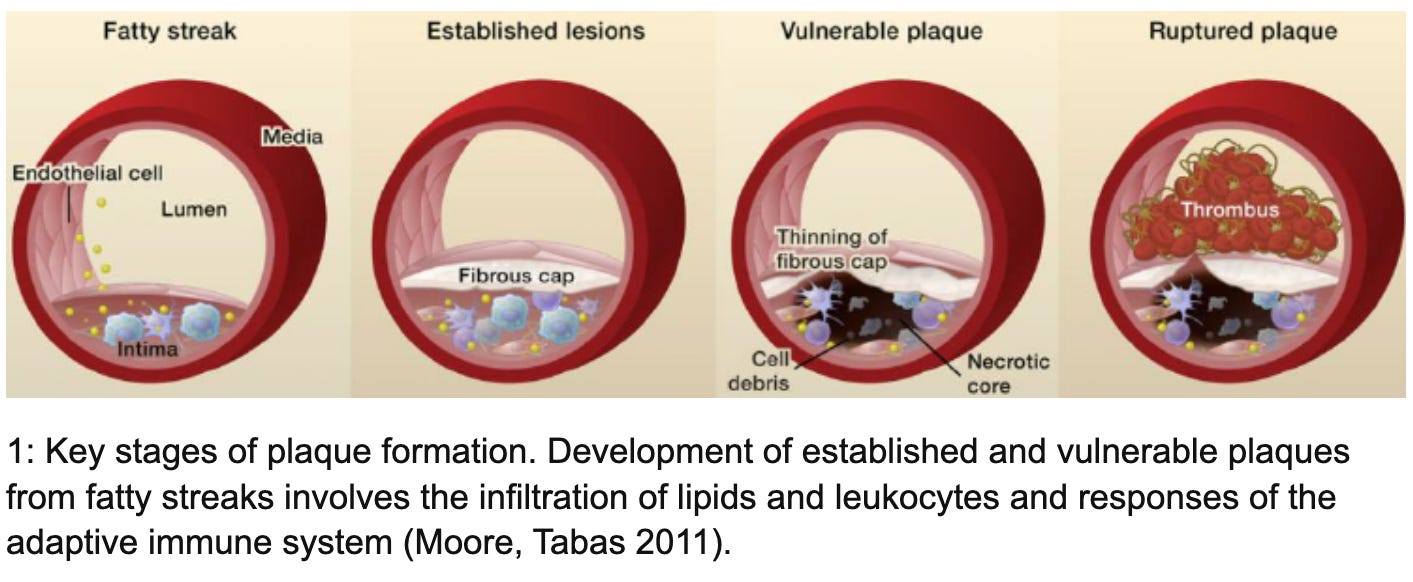
While damaged cholesterol makes up part of arterial plaque, it’s not its only component, nor is it responsible for triggering the event that ignites the development of arterial plaque.
So, why are statins prescribed then?
For one, when LDL-bound cholesterol ends up floating through the blood for too long, its likelihood of getting damaged and oxidized increases.
By blocking cholesterol production, statins lower the concentrations of LDL-bound cholesterol in the blood. As a result, statins lower the amount of LDL particles “available” for injury, and, indirectly so, lower the amount of oxidized, damaged LDL.
Unfortunately, they do not address the root of the problem.
The levels of LDL-bound cholesterol in the blood rise, and LDL-bound cholesterol spends too much time circulating in the blood, when LDL receptors within different tissues—like muscle cells, liver cells, or reproductive organs—stop responding to LDL. As a consequence of this LDL-receptor malfunction:
Cells struggle to receive their cholesterol delivery from LDL, which can result in their cholesterol needs not being fully met, diminishing their ability to repair and make hormones.
LDL-bound cholesterol is left endlessly circulating in the blood like a lost delivery driver, where its likelihood of eventually getting damaged by a reactive oxygen species increases.
This LDL-receptor desensitization is secondary to metabolic problems, especially hypothyroidism, as thyroid hormones sensitize LDL receptors. Statins don’t fix the problem of “LDL resistance” in non-liver cells. They simply lower LDL levels.
Yet, since cholesterol is but one part of arterial plaque, statins don’t address most other risk factors for heart disease or plaque formation, such as:
Chronically high blood pressure, which damages the arterial lining, creating the terrain for arterial plaque formation.
Chronically high parathyroid hormone levels leading to arterial calcification.
Severe electrolyte imbalances that can deprive the heart of energy, disrupt its electrical potential, and bring on cardiac arrest.
High levels of oxidative stress—be it due to iron or copper overload, antioxidant depletion by toxic metals like arsenic or mercury, rampant lipid peroxidation, or NADPH depletion due to poor glucose handling—which damage the endothelial lining directly.
Any number of factors that seriously thwart the production of cellular energy (ATP), be it hypothyroidism, long-term dieting, severe micronutrient deficiencies, or the presence of factors that block cellular energy generation capacity, such as bacterial endotoxin. ATP depletion of heart cells alone can bring on cardiac arrest, as the heart runs out of the energy it needs to keep beating.
Bacterial and viral infections, including those caused by Porphyromonas gingivalis, the bacteria responsible for gingivitis. This bacterium can invade the endothelial lining of arteries and blood vessels, leading to white blood cell deployment and eventually arterial plaque formation.
High levels of dietary and tissue-stored PUFAs (especially linoleic acid), which, when incorporated into the fats surrounding the LDL molecule, make it extremely prone to damage. When these fats decompose into toxic lipid peroxides, they act as direct harm-inflicting agents that mutilate LDL-contained fats and cholesterol, triggering an immune response and contributing to plaque formation.
Advanced glycation endproducts (AGEs), formed when the body struggles to fully burn glucose for energy, which damage the ApoB protein portion of LDL particles.
Many statin medications, especially atorvastatin and simvastatin, come with off-label benefits unrelated to their LDL-cholesterol-lowering potential.
While these are rarely advertised and probably also rarely known about outside of research circles, some statins have been shown to act akin to antibiotics, suppressing the growth of H. pylori45 and Chlamydia pneumoniae.6 Both of these infections directly contribute to arterial plaque formation. H.pylori infections increase the production of fibrinogen,7 a protein in the body that promotes clot and fibroid formation, which accelerates the growth of arterial plaque. Chlamydia pneumoniae is an intracellular bacterium that can infect white blood cells and the endothelial lining of arteries, directly driving arterial plaque formation.
Select statins, specifically atorvastatin, also possess some direct antioxidant potential because of their chemical structure. Atorvastatin, specifically, can somewhat protect LDL particles from damage.89
Statins can also bind to and “deactivate” certain receptors (like the LOX-1 receptors), which prevents oxidized LDL from binding to them.10 These receptors help the body recognize damaged LDL and recruit white blood cells to detain it under the arterial lining. By blocking these receptors, statins directly lower the amount of damaged cholesterol that enters arterial walls.
Lastly, probably the main reason for statins’ popularity is that they are an easy solution to give to people.
The unfortunate reality is that the current medical paradigm isn’t structured to promote root-cause solutions. Short consultation windows don’t give doctors the time to explain to their patients the lifestyle and systemic factors that contribute to their problems, even if they wish to do so. Many patients are also not interested in root cause solutions, which, considering that you’re here reading this, may be difficult to grasp. However, there is a vast population of people who aren’t interested in better health or longevity; they just want a pill that will let them indulge in their vices a bit longer. Maybe it’s a grim and cynical thing to say, but it’s an unfortunate reality. Finally, while good patients deserve good practitioners, there are also sadly many arrogant and ignorant medical practitioners who do not care for root cause solutions and are happy to prescribe statins because they are the agreed-upon standard of care, despite the known mechanisms through which these pills can be damaging.
Statins are far from a magic pill. Even though some statin drugs have additional off-label properties that extend their protective effects past just lowering cholesterol production, they don’t actually resolve the underlying dysfunctions that prime the body’s terrain for heart disease development. They also come with substantial and alarming side effects.
The main question that we should be asking is whether the beneficial effects attributed to statin use in some studies are due to them being systemically beneficial, or do they mostly just so happen to be masking a dysfunction? Unfortunately, systemically, statins happen to shut off many important pathways in the body, doing more than blocking cholesterol production.
Statins work primarily by inhibiting the HMG-CoA reductase enzyme in the liver.
This enzyme is responsible for converting Acetyl-CoA (which is the body’s “universal building block” used to make hormones, bile, CoQ10, vitamin D, cell membranes, signalling proteins, and cofactors of mitochondrial complexes) into mevalonate. Mevalonate would then eventually be converted into cholesterol, but statins block its production.
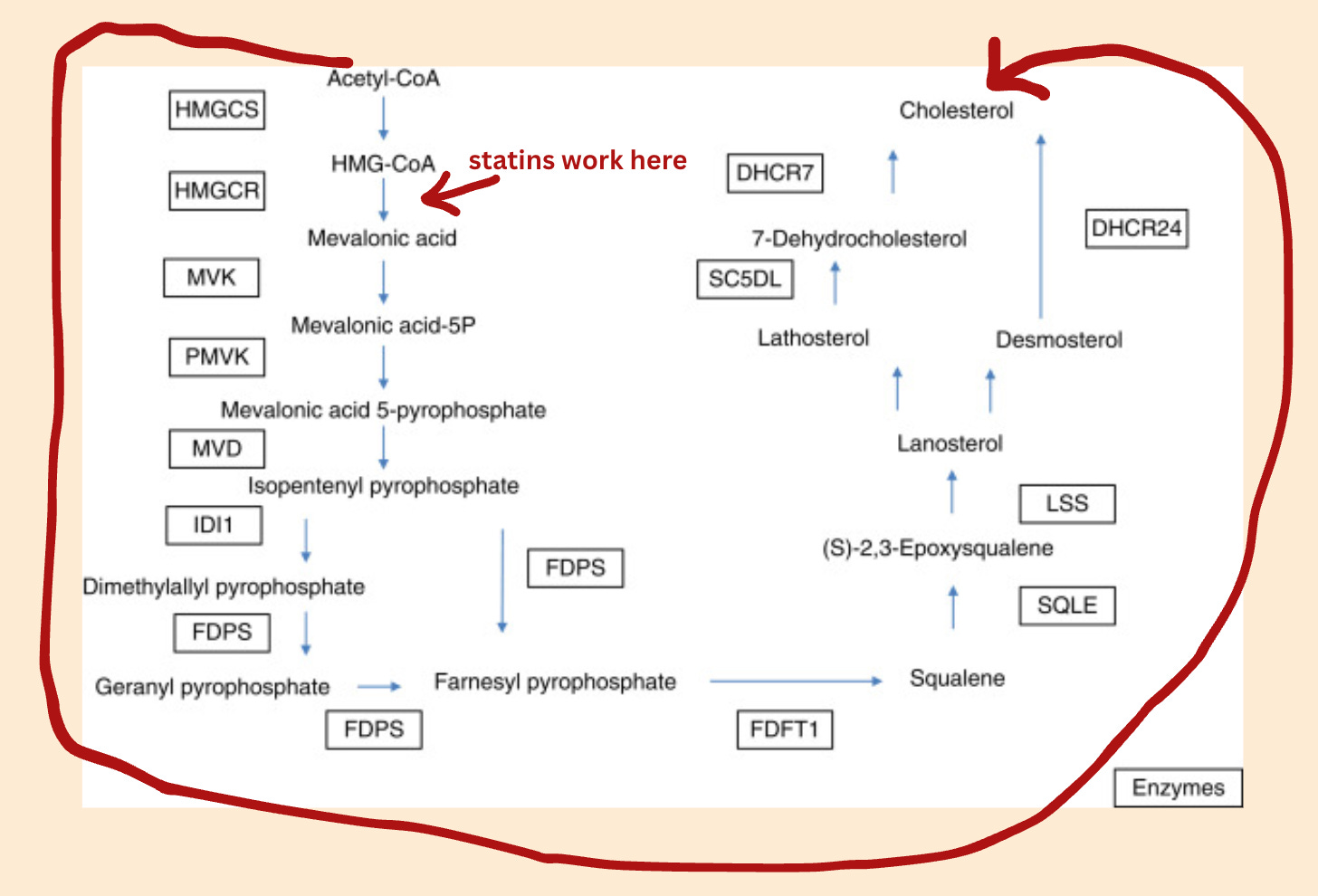
As you can see in the diagram that I annotated above, statins work by blocking an enzyme that’s super early on in all the reactions that take place to convert Acetyl-CoA into cholesterol, consequently blocking all those reactions in the middle.
Let’s cover the actual, symptomatic consequences of blocking all these reactions.
First, statins impair the production of Coenzyme Q10 (CoQ10), which is a known “side effect” (direct effect) of statins. Isopentenyl pyrophosphate (see diagram above), the creation of which statins block, is a building block used to make CoQ10.
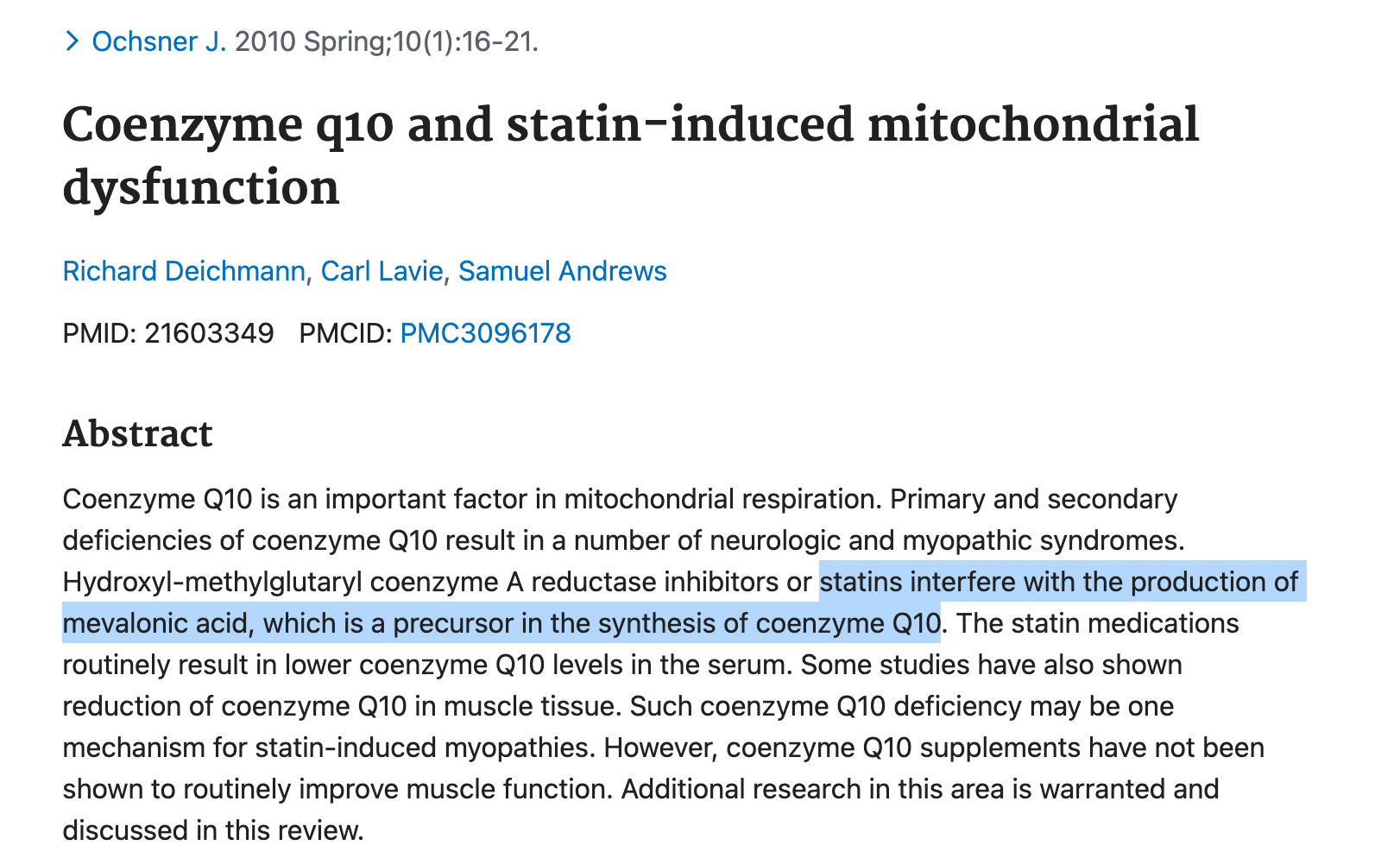
CoQ10 is the main antioxidant in the structure of the LDL molecule that protects it from getting oxidized, so blocking CoQ10 production actually makes LDL-bound cholesterol more vulnerable to damage.11
Most importantly, though, CoQ10 enables cells to harness energy from food. CoQ10 is akin to a “hatch” that pairs the flow of electrons “harvested” from foods to the generation of cellular energy (ATP). Even if you eat plenty of calories, get ample B vitamins and minerals, and have robust thyroid function, you won’t be able to turn foods into energy without CoQ10. Ironically, the organ with the greatest concentration of and the greatest reliance on CoQ10 is the heart, because it has to be able to constantly generate energy to keep beating and keep us alive.
The best studied “side effect” of statins is their contribution to the collapse of energy production in muscle cells, which leads to muscle damage, severe loss of muscle mass and strength, muscle cramps, and sometimes even rhabdomyolysis (a potentially life-threatening syndrome caused by rapid skeletal muscle breakdown, which often leads to kidney damage).12 This collapse in muscle energy metabolism is largely a consequence of CoQ10 deficiency. This risk is increased in anyone with poor liver function or hypothyroidism, as these states slow the breakdown of statins.13
Other disease states linked to the energy failure to which low CoQ10 levels contribute include congestive heart failure, heart attacks, lactic acidosis, macular degeneration, glaucoma, neuropathy, Alzheimer’s disease, and Parkinson’s disease.1415 Less specifically, since CoQ10 deficiency leads to overall decreases in ATP levels across all tissues and higher levels of oxidative stress, it can result in a generalized “sick” syndrome presenting as a lack of energy, poor cognition, various aches and pains, worsening sleep, and failing immune function.
Statins can decrease circulating CoQ10 levels by up to 40%.16
Another direct effect of statins is lowering the production of selenoproteins (selenium-dependent proteins), which are used to convert thyroxine (the thyroid pro-hormone) to triiodothyronine (the active thyroid hormone, aka T3) and to make glutathione (our main antioxidant). This is because isopentenyl pyrophosphate, a derivative of mevalonate (the creation of which statins block), is used to make these selenoproteins.17 Additionally, selenoproteins are involved in burning glucose for energy, so dysfunctional selenoproteins can contribute to diabetes.
“Selenium deficiency in animals as well as in humans (Keshan disease observed in rural areas of China) is characterized by myopathy and cardiomyopathy* closely resembling statin-induced myopathy. Statin-induced deficiency of selenoproteins could compromise not only antioxidant defense but also thyroid function.”18
*Cardiomyopathy is a disease of the heart muscle that reduces the heart's ability to pump blood effectively, often leading to heart failure or arrhythmias.
“Selenoproteins are involved in several steps of glucose metabolism and insulin actions, providing a potential etiologic basis for statin-induced diabetes mellitus.”19
Farnesylpyrophosphate, another substance made from mevalonate, is used to make fatty compounds called dolichols. Dolichols help assemble various receptors, including insulin receptors. When these receptors can’t be assembled properly, insulin resistance is the end result.20
Mevalonate is also used to make heme A, an iron-containing group that’s used to assemble mitochondrial complex IV. This mitochondrial complex is the final step in the mitochondrial respiratory chain, which governs total mitochondrial respiration and ATP synthesis. Complex IV can’t function without mevalonate-derived heme A. This is another mechanism through which statins are anti-metabolic. You can’t simply block so many metabolic pathways without major consequences, as no metabolic pathway in the human body is dispensable.
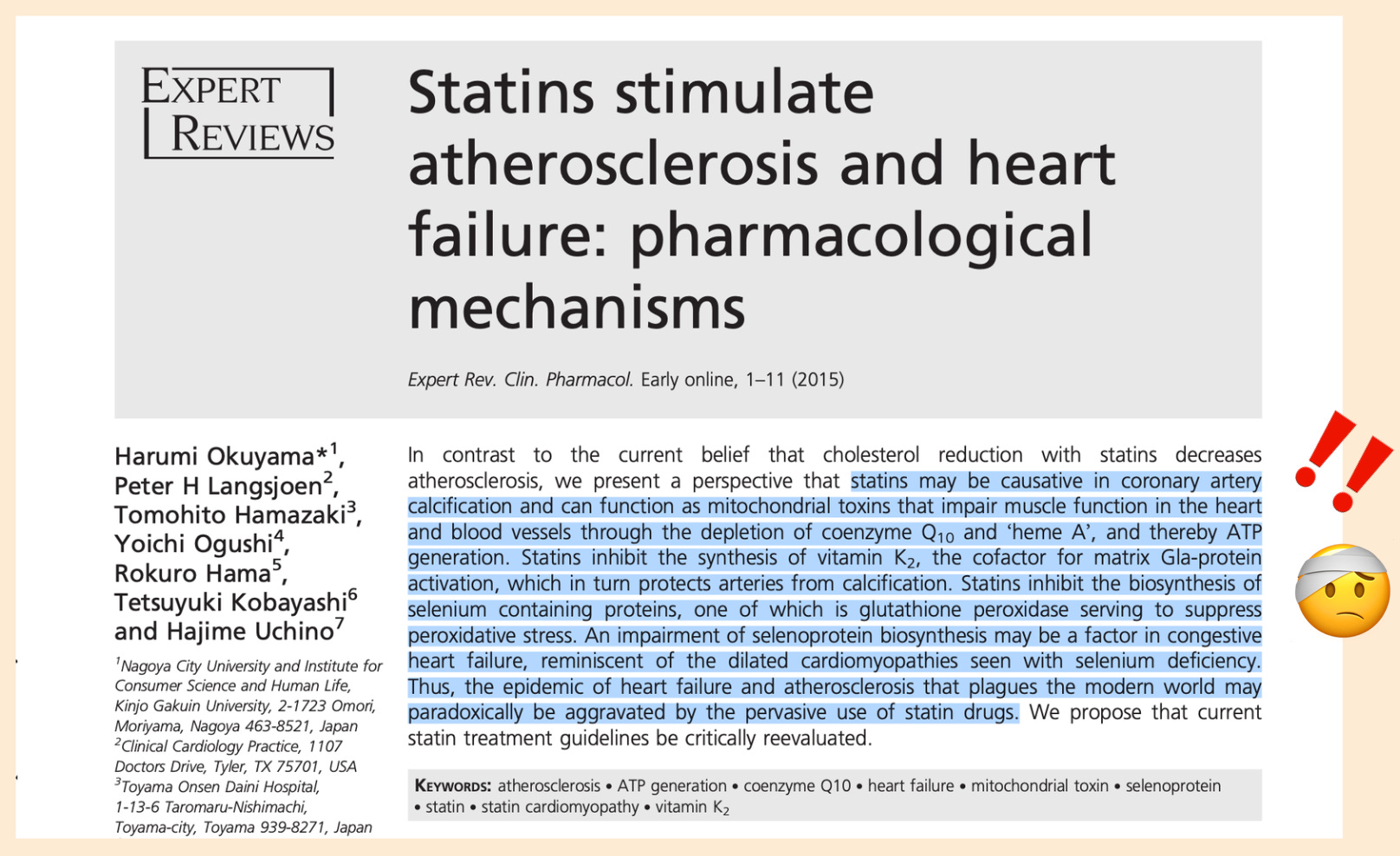
“Statins may be causative in coronary artery calcification and can function as mitochondrial toxins that impair muscle function in the heart and blood vessels through the depletion of coenzyme Q10 and ‘heme A’, and thereby ATP generation. Statins inhibit the synthesis of vitamin K2, the cofactor for matrix Gla-protein activation, which in turn protects arteries from calcification. Statins inhibit the biosynthesis of selenium containing proteins, one of which is glutathione peroxidase serving to suppress peroxidative stress. An impairment of selenoprotein biosynthesis may be a factor in congestive heart failure, reminiscent of the dilated cardiomyopathies seen with selenium deficiency. Thus, the epidemic of heart failure and atherosclerosis that plagues the modern world may paradoxically be aggravated by the pervasive use of statin drugs. […] Statins are mitochondrial toxins making all cells ATP depleted. Because most mammalian cells depend on mitochondria for their energy metabolism, statins are general cell toxins.”21
Geranylgeranyl pyrophosphate, a compound made out of mevalonate, is used to convert vitamin K1 into vitamin K2. Vitamin K2 keeps calcium out of arteries and pushes it into bones instead. Statin use can, therefore, actually increase arterial calcification.22
I haven’t even gotten around to talking about the consequences of lowering cholesterol synthesis itself yet, so let’s talk about that.
Lower levels of available cholesterol “for delivery” can deprive tissues—like the muscles, ovaries, adrenals, and testicles—of the cholesterol they need to repair cell membranes (e.g., repairing muscles after injury) or make hormones, like brain-protective pregnenolone, testosterone, progesterone, or even our stress-adaptation hormones, like cortisol.23 These hormones are needed for more than just reproduction. They help maintain healthy bones, a stable mood and cognition.
“Statins lead to decreased pregnenolone secretion, most likely due to inhibition of HMG-CoA reductase, a key enzyme that converts 3-hydroxy-3-methyl glutaryl-CoA to mevalonate, a cholesterol precursor. The decrease in cholesterol synthesis leads to a decrease in pregnenolone and a decrease in steroid hormone secretion, both in the adrenal glands and gonads, which clinically manifests as hypogonadism and adrenal fatigue.”24
One of the more concerning side effects of statins is that, while statins are meant to only affect cholesterol synthesis in the liver, a portion of the dose can bypass the liver and enter systemic circulation. This risk increases in those who take statins in high doses. Once in the general circulation, statins can affect local cholesterol synthesis in non-liver tissues, like the skin and the brain.
Statin use is sometimes associated with skin barrier dysfunction, which shows up as itchy, dry, cracked skin or eczema-like lesions.25 Cholesterol is needed to maintain a healthy skin barrier.
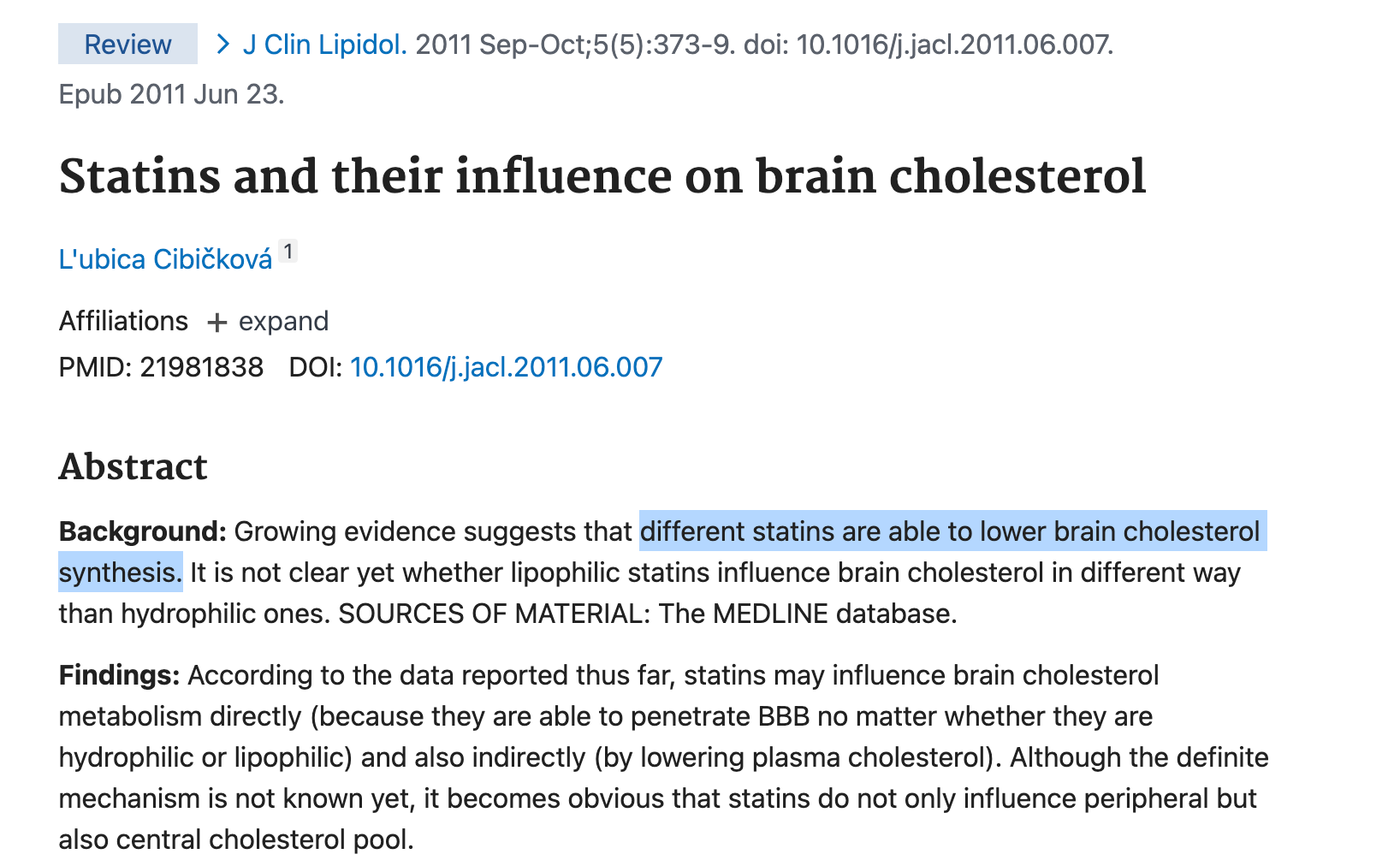
Statins’ ability to bypass the blood-brain barrier if a portion of the dose makes it into the general circulation is especially scary, affecting the production of cholesterol and protective hormones in the brain. This can lead to dysfunctional myelin and at least some degree of brain degeneration.26
Medicine likes to claim that a specific drug will only affect the organ that it’s destined for, but the body works as a system, and it doesn’t care what you want the drug to do. For example, while SSRIs are “meant” to only affect serotonin transport in the brain, they also affect serotonin transport in the placenta, gut, platelets and cardiovascular system.272829
Finally, statins are nowhere near 100% effective at preventing Coronary Artery Disease.
Statins are projected to reduce the relative risk of major cardiovascular events (like heart attacks and stroke) by approximately 20% to 30% in high-risk individuals.30 Yet, in 100% of individuals who take statins, they thwart CoQ10 production and diminish the body’s capacity to form brain-and-fertility-protective hormones, as these are their actual direct effects. Any degree of heart disease prevention is more of a side effect.
The adverse effects of statins should not be dismissed, especially since there are safe, tangible ways to achieve those same effects (like lower blood LDL-bound cholesterol, pathogen eradication, oxidative stress quenching, fibrosis prevention, and mitigation of endothelial injury), without relying on statins, and by addressing the actual root causes of those issues.
While the LDL lipoprotein is often discussed only in the context of cholesterol delivery, cholesterol is not the only cargo it carries. LDL originates from vLDL particles, which transport triglycerides (fats) from the liver to tissues so that they can be burned for energy.3132
Numerous studies33343536 have now shown that increasing carbohydrate intake and lowering fat intake lowers total circulating LDL levels. On the other hand, low-carbohydrate, high-fat diets are known to increase circulating LDL levels.373839
Low-carb, high-fat diets increase the amount of fat that reaches the liver. This is both a result of the high dietary fat intake and the increased release of fats stored in body fat into the blood in the setting of low carbohydrate intake.40
When fat reaches the liver, the liver packs it into vLDL-bound triglycerides so that it can be safely chaperoned back out into the blood and sent either to cells that need it for energy or back into body fat stores.
A higher-carb, low-fat diet lowers blood LDL levels in a few ways:
It non-forcibly lowers its production according to the body’s needs. Cells become less reliant on fat for energy when carbs are eaten, so the need to deliver fats to cells on the back of vLDL decreases. In addition, the rise in insulin following a carbohydrate-containing meal suppresses the release of fats from adipose tissue, which means less fat reaches the liver, especially if dietary fat intake is not excessive. When the liver receives less fat, it doesn’t need to produce as much vLDL to export it.
It helps move cholesterol out of the blood and into tissues that need it. Insulin increases the expression of LDL receptors in the liver and in non-liver tissues, helping to pull LDL out of the blood and deliver cholesterol to the cells that need it.41 Most importantly, a higher carbohydrate intake increases the synthesis of the active thyroid hormone, triiodothyronine.4243 Triiodothyronine is the key hormone responsible for increasing the number and the sensitivity of LDL receptors, helping cells take up cholesterol and reducing LDL retention in the blood.444546
It helps remove a portion of old, used-up cholesterol. Most whole-food carbohydrate sources, like fruit and root vegetables, contain fibre. Fibre binds to old cholesterol-containing bile, helping us poop out old, used-up cholesterol as opposed to reabsorbing it.
Many earlier studies attributed carbs’ ability to lower blood LDL levels entirely to their fibre content, ignoring their pro-metabolic and energy-partitioning effects. However, an experiment conducted in 2024 showed that adding simple carbohydrates (in the worst form possible, as Oreo cookies) to a ketogenic diet lowered blood LDL levels more than a ketogenic diet paired with statins.
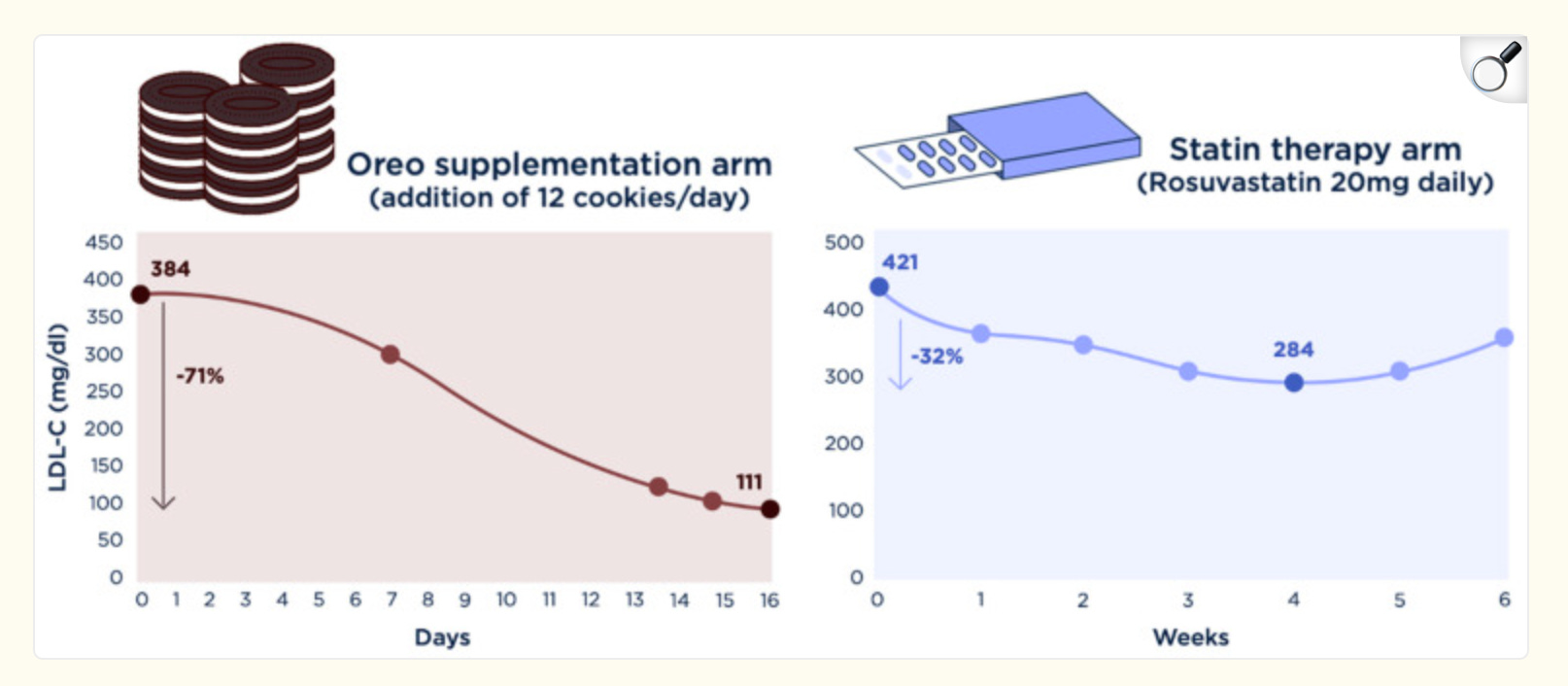
Left: Blood LDL levels after interrupting the keto diet by supplementing it with 12 Oreos/day (~100 grams of carbs) for two weeks.
Right: Blood LDL levels on a zero-carb statin-supplemented keto diet.
Before you tune out, no, I am not advocating eating Oreos or similar crap. This experiment, however, does a great job demonstrating that LDL levels respond directly to the macronutrient make-up of the diet.
Less reliance on fat for energy = less need for vLDL to deliver fats to tissues.
Another experiment,47 one that used a balanced, whole-food carbohydrate-containing diet (one more in line with what I find to be optimal) and included almost 40 participants, saw similar results.
Following a higher-carb, lower-fat diet (60% of total calories from carbohydrates, 25% of total calories from fat) caused a huge drop in blood LDL levels among the participants. Their average blood LDL level while eating a higher-fat diet (45% of total calories as carbs, 40% total calories as fat) was 140 mg/dL. It dropped to 115 mg/dL after six weeks on the higher-carb, lower-fat diet.
While many fear that their triglycerides will shoot up by adding more carbs, this can be mitigated by slowly shifting the macronutrient ratio over time, gradually increasing carbohydrate intake while lowering fats.48 For example, by increasing carbohydrate intake by 20-30 grams each week, while simultaneously dropping total fat intake by 10-15 grams. The types of carbs that we eat matter, too. Nutrient-dense carbohydrates contain vitamins and minerals that help us turn fuel from both glucose and fats into energy, which helps keep triglyceride levels in check.
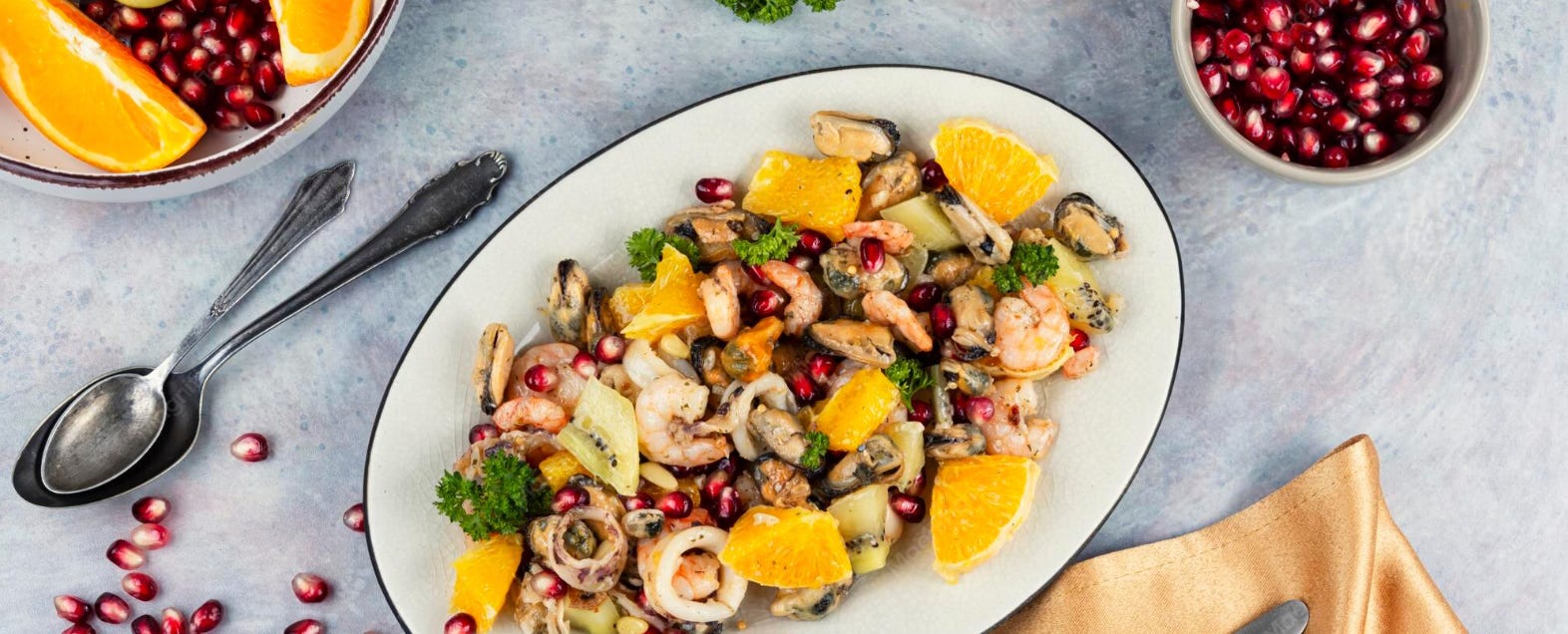
Nutrient-dense carbs include fresh fruit, root vegetables (e.g., potatoes and sweet potatoes), savoury fruits (e.g., pumpkins, squashes), reduced-fat milk (lactose is a carb), and, if tolerated, soaked, rinsed, fermented (or sprouted) and well-cooked whole grains and legumes (e.g., long-fermented whole-grain sourdough bread or sprouted lentils).
I would try to gradually work up to a macronutrient split of 50-60% of total calories coming in from carbs, 20-30% of total calories coming in from dietary fat, and the rest coming from protein. You can track your food intake with the app Cronometer to adjust your macronutrient balance.
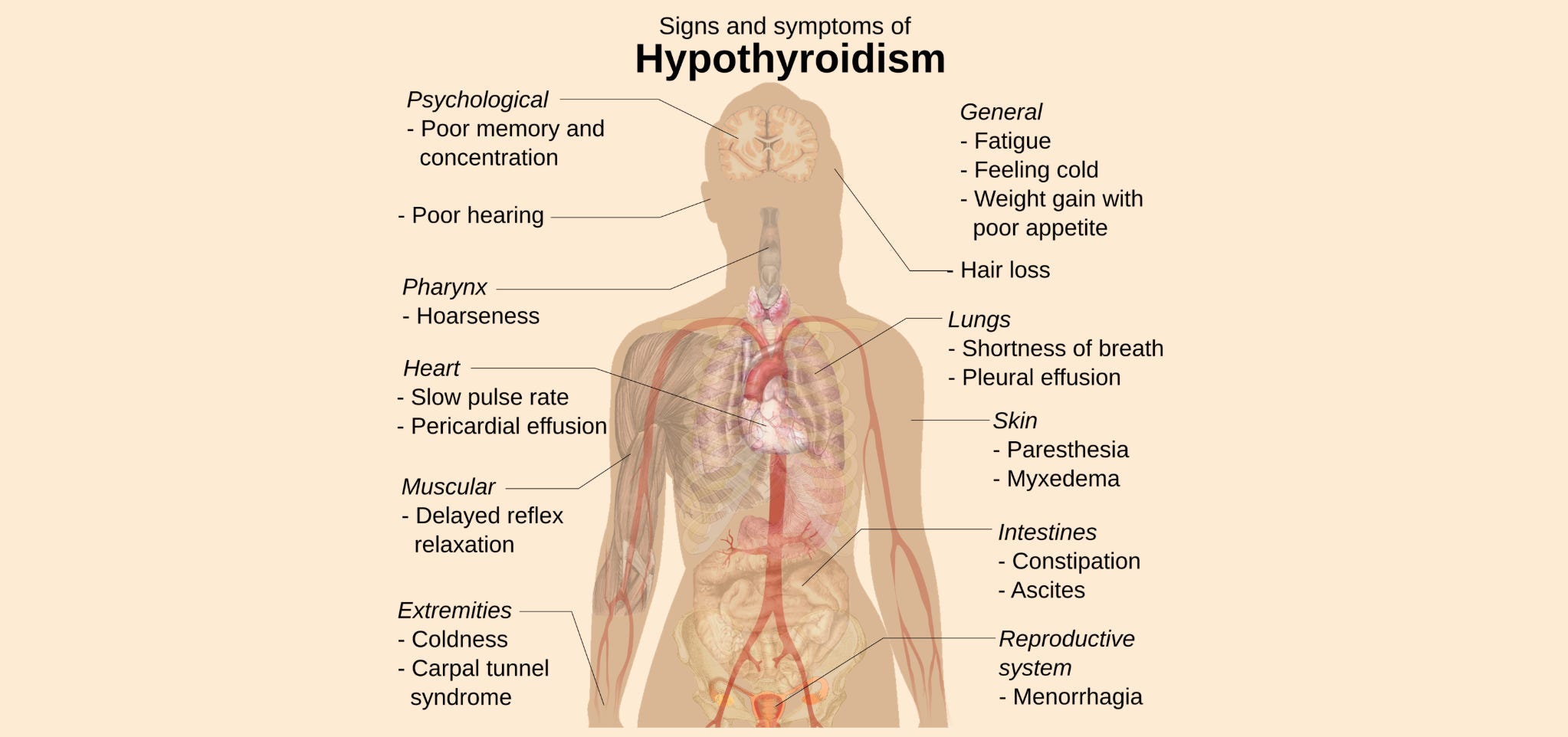
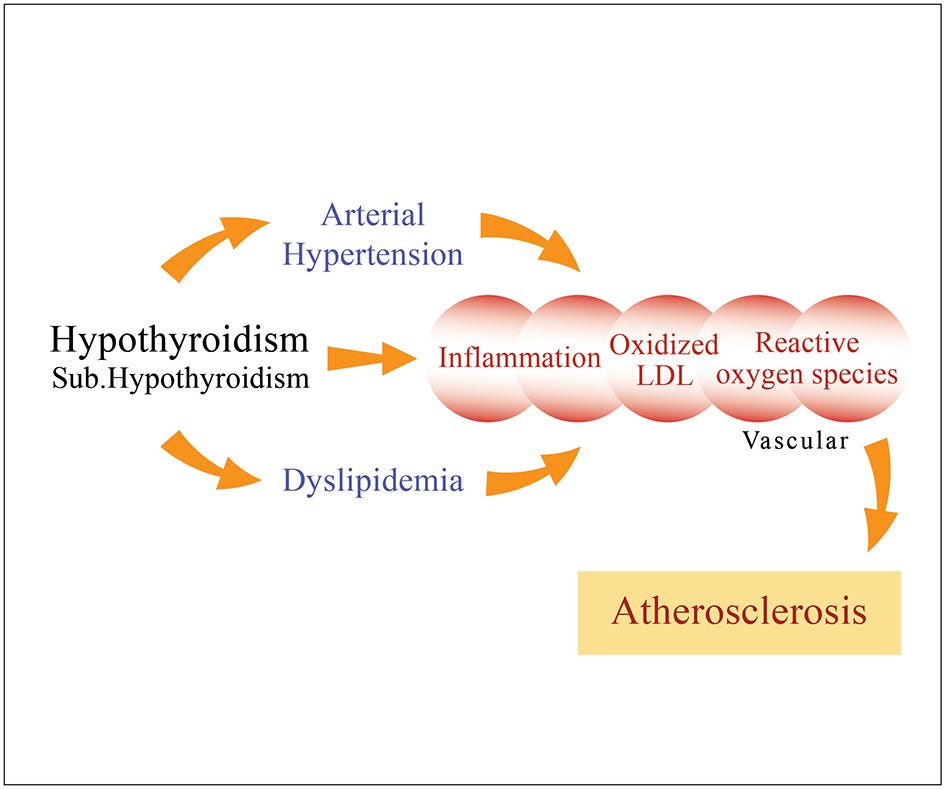
High blood LDL levels are often a sign of hypothyroidism going undetected. High blood cholesterol levels may, in fact, be one of the key signs of hypothyroidism, along with frequently feeling cold and fatigued, losing hair, and getting sick often.
“The lipid profile in hypothyroidism is characterized by increased total and LDL cholesterol levels with increased or normal HDL levels.”49
“Thyroxine (T4) and triiodothyronine (T3) stimulate hepatic low-density lipoprotein (LDL) receptor expression, promoting clearance of low-density lipoprotein cholesterol (LDL-C). In hypothyroidism, reduced LDL receptor activity contributes to the accumulation of circulating LDL-C.”50
Thyroid hormones sensitize LDL receptors (which increases LDL clearance), support liver function, and help eliminate used-up cholesterol through bile.5152 Thyroid hormones also help the body generate ATP (energy), which is needed to convert cholesterol into hormones, like testosterone and progesterone.
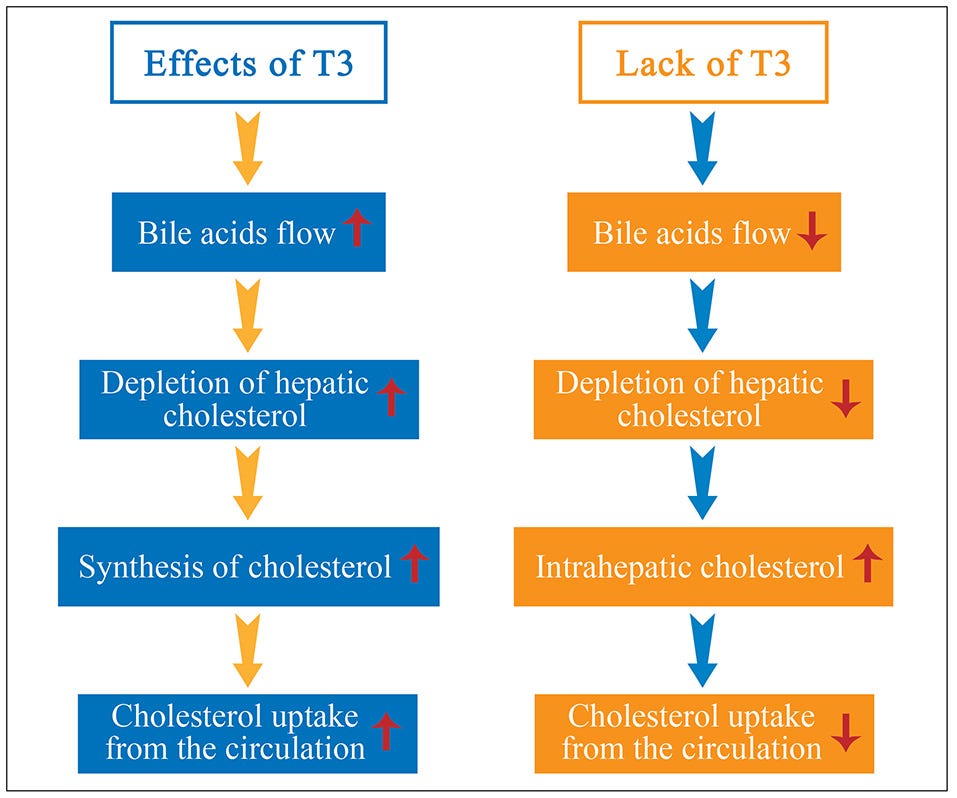
Hypothyroidism makes tissues less sensitive to LDL, resulting in a sort of “LDL resistance” that leaves LDL floating in the blood instead of delivering cholesterol to the cells that need it.
Atherosclerosis (a hardening of the arteries due to arterial plaque) can be produced even in herbivorous animals—ones eating a plant-only diet containing zero dietary cholesterol—simply by surgically removing their thyroid glands.53
In the early 1900s, Russian scientist Nikolaj Anitschkow was the first to show that feeding rabbits massive amounts of cholesterol could raise their blood cholesterol levels and contribute to atherosclerosis. His research kicked off the phobia of dietary cholesterol and first established the link between high blood cholesterol levels and atherosclerosis.
However, most people aren’t aware of another experiment that took place in his laboratory, one carried out by one of his students, I.B. Friedland. Friedland showed that feeding rabbits thyroid hormones prevented their blood cholesterol from getting high and stopped the development of atherosclerosis, even when these herbivorous animals were fed enormous amounts of dietary cholesterol.5455
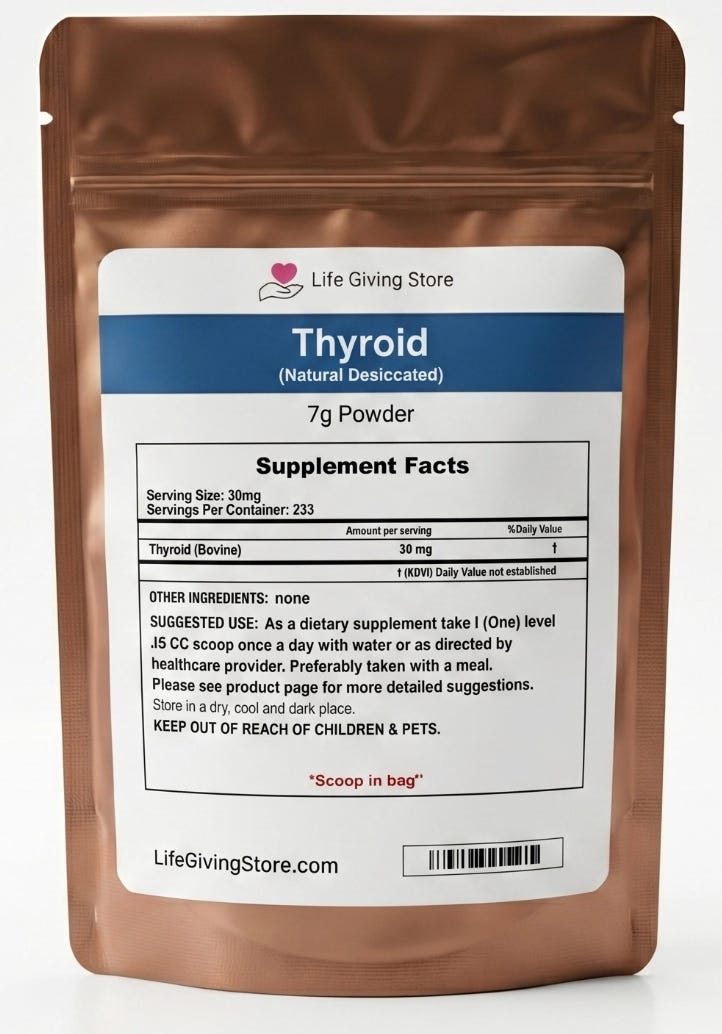
Dr. Broda Barnes, an expert on hypothyroidism, consistently lowered blood LDL levels in his patients by giving them a desiccated thyroid extract containing natural thyroid hormones, without restricting their dietary cholesterol intake in any way.56
The relationship between thyroid hormones and cholesterol is so strong that hyper-thyroidism is often responsible for bringing on critically low cholesterol levels.
Hypothyroidism often goes underdiagnosed because testing TSH and T4 levels is the current standard approach to evaluating thyroid function. However, these labs don’t tell us anything about how well the body is converting T4 (thyroxine) into the active thyroid hormone, T3 (triiodothyronine).
Thankfully, symptoms can tell us a lot. A low body temperature and a slow pulse, always feeling cold (especially if the hands, feet, and nose are always cold), fat gain while eating a “normal” amount of calories, hair falling out and becoming brittle, low libido, and thinning eyebrows are key signs of hypothyroidism.
The key nutrients that the body needs to make thyroid hormones are selenium, iodine, retinol (vitamin A from animal foods), zinc, iron, and inositol (vitamin B8).
Comments
Nothing yet. Say the first thing.
Sign in to join the conversation.