
Disclaimer: Content for entertainment purposes only. Not medical or health advice.
Prioritizing grains as the primary source of carbohydrates, consuming only muscle meats, avoiding seafood, and not diversifying the diet enough are some of the common mistakes I see people make. These seemingly trivial mistakes deprive the diet of the vitamins and minerals required to convert food into usable energy.
In recent years, there has been a long-overdue shift in the nutrition space. Many people are finally prioritizing fueling the body and eating enough, having realized that restricting calories will only get you so far in terms of improving health or changing body composition, and that, eventually, constant restriction backfires—causing rebound fat gain, muscle loss, hair loss, loss of energy, and new symptoms to deal with.
However, it takes far more than calories to turn foods into energy. While we tend to think of calories as energy, calories aren’t really energy. They carry energy potential. And just like that intern you hired, who had great potential to be helpful but ended up slacking on the job, unless that potential can be translated into tangible results, it has little meaning.
Vitamins and minerals are needed to make hormones and neurotransmitters, build and repair tissues (including muscle), maintain immune function, and enable vital organ functions (such as allowing the liver to transform toxins so the body can eliminate them). Most importantly, they are required to turn the calories we absorb into usable cellular energy.
This cellular energy, in the form of ATP, is what the body uses to power every single one of its vital functions, including the ones listed above.
ATP is far more than just a cellular “battery pack.” It is used to maintain the electrical potential of cell membranes, keeping certain minerals inside the cell and others out. Cells also use it for signalling, meaning that it is not just energy but also a “language” used by cells to communicate with one another. And if we get into some more “out there” research, it is also thought to play a role in structuring cellular water. All in all, calories are of little value unless they can be converted into ATP. Otherwise, they will be stored as body fat or dissipated as heat, while fatigue and symptoms persist.
In the gym and fitness space, vitamins and minerals (micronutrients) are still grossly overlooked, with most focus remaining on calorie and macronutrient balance.
But macronutrients burn on the flame of micronutrients.
That perfectly macro-balanced meal of “chicken breast, white rice, and broccoli” eaten three times a day will put you on a fast track towards vitamin and mineral deficiencies. If you throw those meals into the nutrient-tracking app Cronometer, you’ll see that your micronutrient intake has huge, gaping holes in it.

Exercise and increased muscle mass exponentially increase the rate at which vitamins and minerals are used. This, coupled with a micronutrient-poor but macronutrient-rich diet, will soon leave you with increasing fatigue, worse performance (muscle contraction is ATP-dependent), and an increased propensity towards getting injured—eventually progressing to overt deficiency symptoms, whether that means lower hormonal output, worsening mental health and cognition, or hair and skin deterioration.
Disease recovery, pregnancy, lactation, and even increased cognitive demands also rapidly accelerate the rate at which vitamins and minerals are used.
In the body, calories from food (whether from carbohydrates or fats) first have to be absorbed in the gut. Once these molecules are absorbed, our cells must convert them into usable, tangible, cellular energy. This process involves the entire cell, but especially the mitochondria (the powerhouse of the cell).
In many ways, our cells are like “tiny factories,” and every step of this energy-generating “conveyor belt” relies on specific vitamins and minerals. If any of these nutrients is in short supply, a roadblock forms on the conveyor belt, which can slow the entire process, make it inefficient, or, in the worst case, cause a complete collapse in energy production.
For example, without vitamin B1, fuel from glucose can’t enter the mitochondria. It gets fermented and wasted instead. Without vitamin B3, even this fermentation step fails. Without vitamin B2, the burning of fat for energy stops. Without magnesium, ATP, even if produced, is mostly dysfunctional. Without iron, oxygen can’t be transported into the cell. Oxygen accepts electrons at the last step of energy generation. Without intracellular oxygen, mitochondria effectively suffocate. Yet, without copper, you’ll struggle to absorb iron. And even if oxygen is present in the cell, the energy-generation process remains slow and inefficient without thyroid hormones, which regulate how fast the “conveyor belt” runs. Yet, without selenium, iodine, iron and vitamin A, you won’t be able to make thyroid hormones. And so on…
The complexity just keeps and keeps on building. And since the gut lining, like any other organ, runs on ATP, when it lacks energy, its ability to absorb vitamins, minerals, carbohydrates, fats, and proteins in the first place begins to falter.
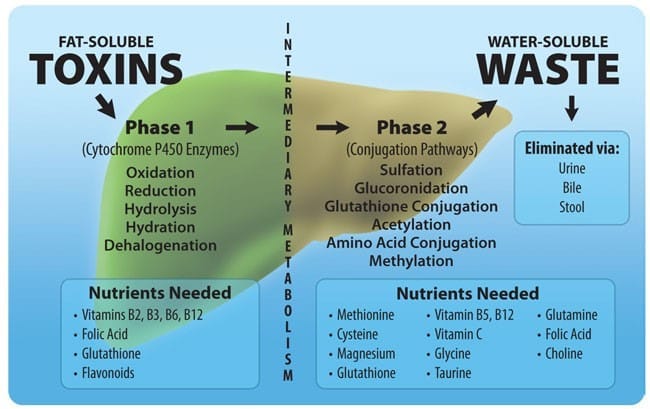
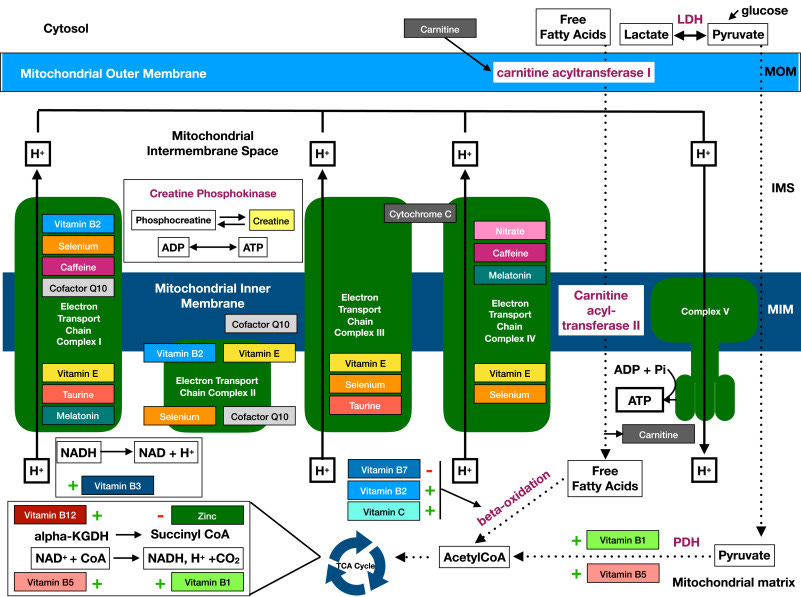
When any one of the vital nutrients is in short supply, it creates a domino effect in the body, where various functions slowly, gradually, and progressively lose efficiency, until a dysfunction serious enough to be considered a disease eventually manifests.
This isn’t a plea for you to run to the store and buy every single vitamin and mineral supplement to throw down the hatch. It’s also not an attempt to get you to start playing whack-a-mole with your diet or overthink every bite. I’m simply trying to make it click that vitamins are important not because they have some esoteric, hard-to-conceptualize functions, but because your body relies on them to complete its most fundamental jobs.
The importance of a nutrient-dense, varied diet extends well beyond simply supplying essential vitamins and minerals.
When you diversify the types of animal foods you eat—by including organ meats, shellfish, and connective tissue—you’re supplying the body with harder-to-come-by amino acids. Amino acids are the building blocks of proteins.
These harder-to-come-by amino acids include glycine, taurine, and proline. These amino acids have unique roles, such as supporting the creation of neurotransmitters (like the calming GABA), endogenous antioxidants (like glutathione), and bile acids.
Meats rich in connective tissue also provide glycosaminoglycans, such as chondroitin sulfate and hyaluronic acid, which accelerate wound healing and support skin health.
Organ meats, besides their superior vitamin and mineral content, contain peptides that can support the function of the corresponding organ systems in the body.
Plant foods provide unique fibres and phenolic compounds that protect against gut pathogens, alter the composition of the microbiome (promoting beneficial bacteria), help guide immune function, and act as antioxidants, protecting tissues from damage.
After all, there’s a reason why many pharmaceuticals are derived from plant compounds. These various non-vitamin plant compounds act as signalling molecules, supporting liver, kidney, gut or brain function. These compounds are the reason why herbs can be used to relieve constipation, lower histamine levels, promote sleep, or improve focus. Yet, while it may be tempting to immediately turn to herbal tinctures, many humble foods, like citrus fruits, berries, or leafy greens, carry these very properties, too.
The food matrix (how vitamins and minerals coexist with other components of whole foods) also affects how well we can absorb vitamins, in ways which we don’t fully understand yet. For example, lactose (in milk) improves the absorption of calcium.
This isn’t to say that vitamin and minerals supplements don’t have their place. However, they are called “supplements” for a reason. They should be added on top of an already nutrient-dense diet when an individual has a higher requirement for a specific nutrient. They are not a replacement for a nutrient-dense eating plan.
Lastly, probably the biggest argument in favour of trying to make the diet as diverse as possible is that it is totally plausible that there are still vitamins out there which we have not yet discovered. Vitamin research boomed between 1910 and 1950. Afterwards, interest mostly dwindled and funding dried up. In later decades, a vitamin-like compound called PQQ, found primarily in parsley and papaya, was discovered in Japan. How many other PQQ-like compounds might there be that we haven’t yet discovered or haven’t recognized as important?
…In 10 Steps.
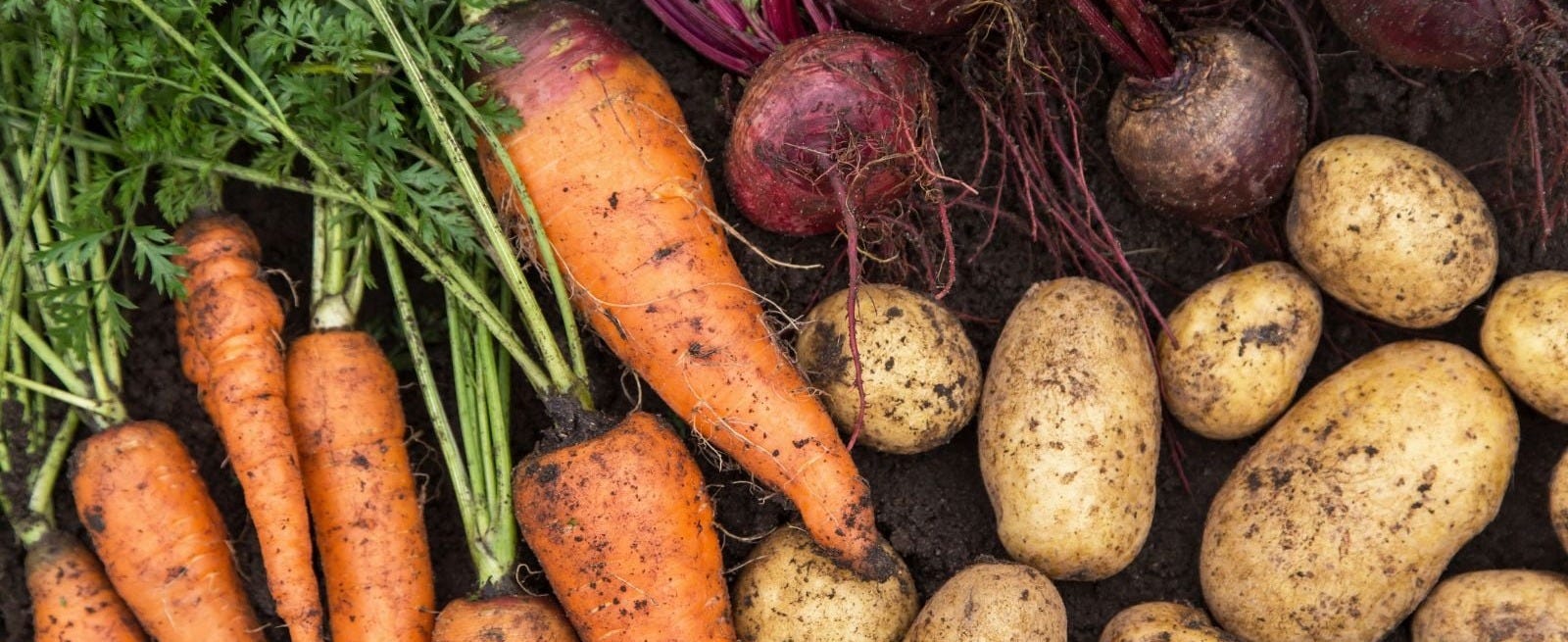
I’m not against grains, since they have their own helpful attributes. Fermented whole wheat can be a great source of vitamins E and B1, and oats are a source of manganese and beta-glucans that help support healthy levels of Bifidobacteria. However, overall, the micronutrient profile of grains pales in comparison to yams, sweet potatoes, potatoes, ubes, celeriacs, beets, taro, and other root vegetables. Savoury fruit, like squashes, plantains, and pumpkins, also fall into this category.
A rule that I use for myself is to only have grains as a starch source no more than once per day. They should not be the main source of starch in the diet.
Let’s take the example of a breakfast of two eggs with 20 grams of Parmesan cheese and a big slice (~110 g) of sourdough bread. By replacing the sourdough bread with an isocaloric (“equal calorie”) serving of baked sweet potatoes (~400 g), you’re getting:
Over 1,300% more potassium (around 1.9 grams of potassium in baked sweet potatoes vs. ~130 mg in a slice of sourdough bread)
~1,000% more vitamin B6 (1.1 mg vs. 0.1 mg)
~600% more vitamin B5 (3.5 mg vs. 0.5 mg)
~230% more manganese (2 mg vs. 0.6 mg)
~200% more magnesium (105 mg vs. 35 mg)
~200% more copper (0.6 mg vs. 0.2 mg)
~167% more calcium (152 mg vs. 57 mg)
These micronutrients, especially manganese, magnesium, potassium, and B5, help to turn carbs into energy.
This “rule” applies especially to those who are still in the process of “reverse dieting” (slowly increasing calories after years of restriction), or those who are slowly working to add more carbs into their diets. If someone is already depleted due to years of low-calorie eating, nutrient-void carbs, like white rice or white, refined bread, will deplete them further.
For example, about a decade ago, I had a vitamin B1 deficiency that long went unrecognized. During that time, whenever I ate white rice, I would start shivering and “zoning out,” not being able to hold a conversation any longer. I now realize that white rice, a nutrient-void carb source which relies on vitamin B1 to get metabolized, was exacerbating my pre-existing vitamin B1 deficiency by further depleting its levels.
Here’s where the different starch sources shine:
Taro root: an unusually good source of vitamins E, B6, and potassium. A 350 g serving of boiled taro root covers almost 70% of the vitamin E RDA, which is one of the more difficult vitamins to get enough of through diet.
Celeriac: a great source of vitamin K1.
Beets: a great source of folate (B9) and betaine, needed for methylation. Relative to other root veggies, they’re also a good magnesium source.
Potato: the humble potato shines in its vitamin B6, copper and potassium content.
Butternut squash: a good source of vitamin E, potassium, and magnesium.
Offal (“organ meats”) outshine muscle meats in their copper, CoQ10, thiamine, folate, vitamin K2, vitamin E, retinol, and selenium content.
Chicken liver is more nutritionally balanced (and tastes a lot milder) than ruminant (lamb, veal, or beef) liver, and can be eaten more often. Also, forget liver and onions. Liver tastes best when pan-fried in butter with fresh, chopped sage.
Heart tastes very similar to steak. It is the mildest-tasting organ meat. As a good measure, try to eat heart as frequently as possible. It’s a great source of riboflavin (B2), B12, selenium, CoQ10 and taurine.
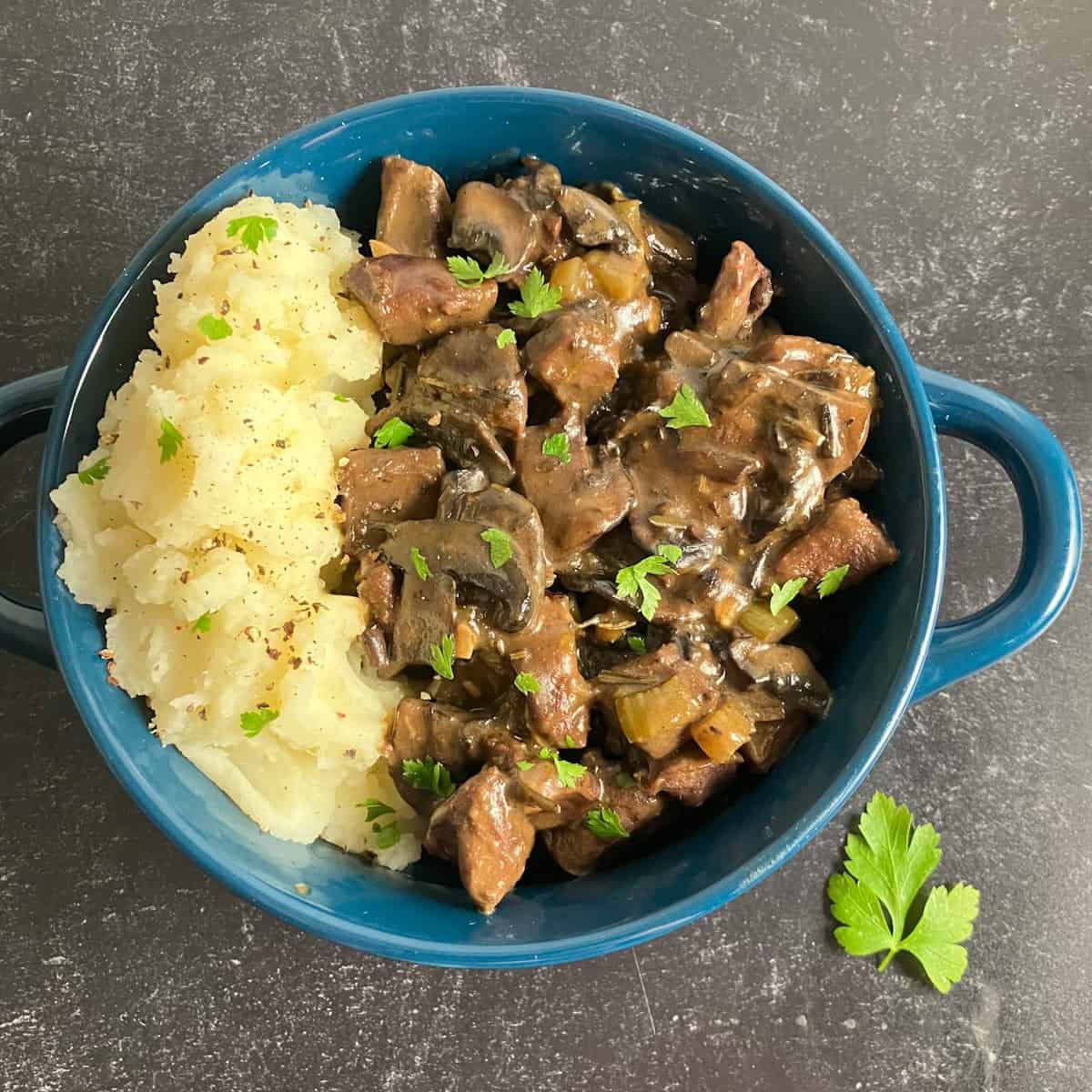
Gizzards, hearts and kidneys can be made into a stew. Ground organs can be mixed with ground beef. Chopped, lightly pan-fried organs are a great filling for tacos. Growing up, my grandma often made tomato ragout with chicken hearts and gizzards. The pairing really works.
Ideally, replace a serving of muscle meats (like chicken breast or steak) with organs at least twice a week.
Ideally, most dietary carbs should come from tropical fruit and berries. These foods should be prioritized even before root vegetables. Not only are these fruits immensely nutrient-dense, but their unique fibres and plant compounds support the survival and colonization of the gut by beneficial bacteria while simultaneously preventing bad ones from taking residence.
Humans evolved in tropical regions with abundant fruit, which is likely why we lost the ability to make vitamin C in the body. Humans happen to be one of the very few mammals incapable of making vitamin C. Dogs, cats, cows, and most primates can make their own vitamin C. We share this inability with very few animals: Indian fruit bats and guinea pigs.
Most other mammals make between 30 and 300 mg of vitamin C per day per kilogram of body weight, often more under stress. If we extrapolate these numbers to human needs for vitamin C, then an average-sized human may need up to a couple of grams of vitamin C per day.
Of course, whether these needs translate to humans is a discussion for another time. However, given that we have an absolute dietary reliance on vitamin C, it’s important to obtain lots of it through diet.
Unfortunately, many of the most common fruits, like apples, pears, or bananas, have little in the way of vitamin C. One apple provides barely 10 mg of vitamin C and little in the way of other nutrients.
The true nutrient-dense fruit powerhouses are papayas, guavas, mangoes, oranges, prickly pears, kiwis, sapotes, cherimoyas, and pomegranates.
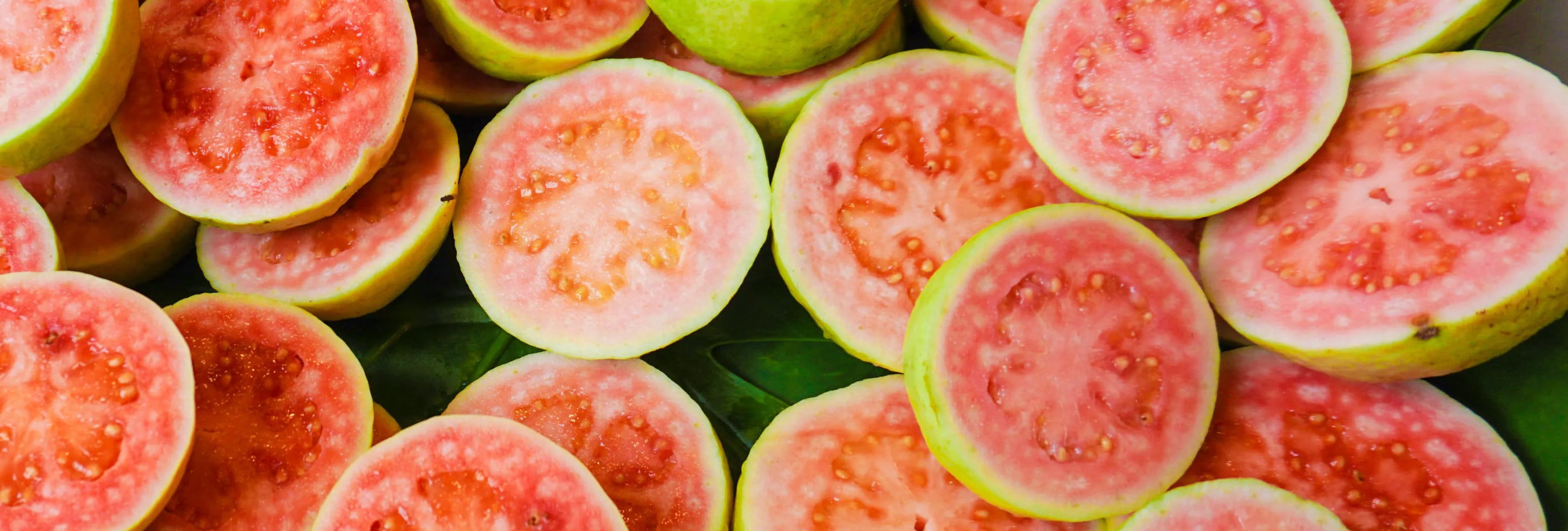
⭐️Guavas: Four guavas provide half a gram of vitamin C, almost a gram of potassium, and over half the daily copper RDA.
Papaya: A medium papaya provides 200 mg of vitamin C and 600 mg of potassium.
Oranges: A great source of vitamins B1, folate (B9), vitamin C, calcium and potassium.
Kiwis: Three kiwis provide almost 200 mg of vitamin C, cover over 70% of the vitamin K1 RDA, and are also a good source of vitamin E.
Mangoes: A good source of vitamins B1, B6 and folate (B9).
Pomegranates: A good source of vitamin K1, copper, and folate (B9).
Sapote: Just half a mamey sapote provides substantial amounts of vitamins B3, B5 and copper. It’s also an excellent source of vitamins B6 and E, providing over 150% and 40% of their RDAs, respectively.
Cherimoya: A very good source of vitamin B6.
⭐️Prickly pears: Leaving the best for last, prickly pears (cactus pears) have an absolutely insane nutrient density. Four small prickly pears provide 250% of the vitamin E RDA, over 1,000% of the vitamin K1 RDA, 83% of the magnesium RDA (providing over 350 mg of magnesium), 230 mg of calcium, and 1.8 mg of vitamin B5.
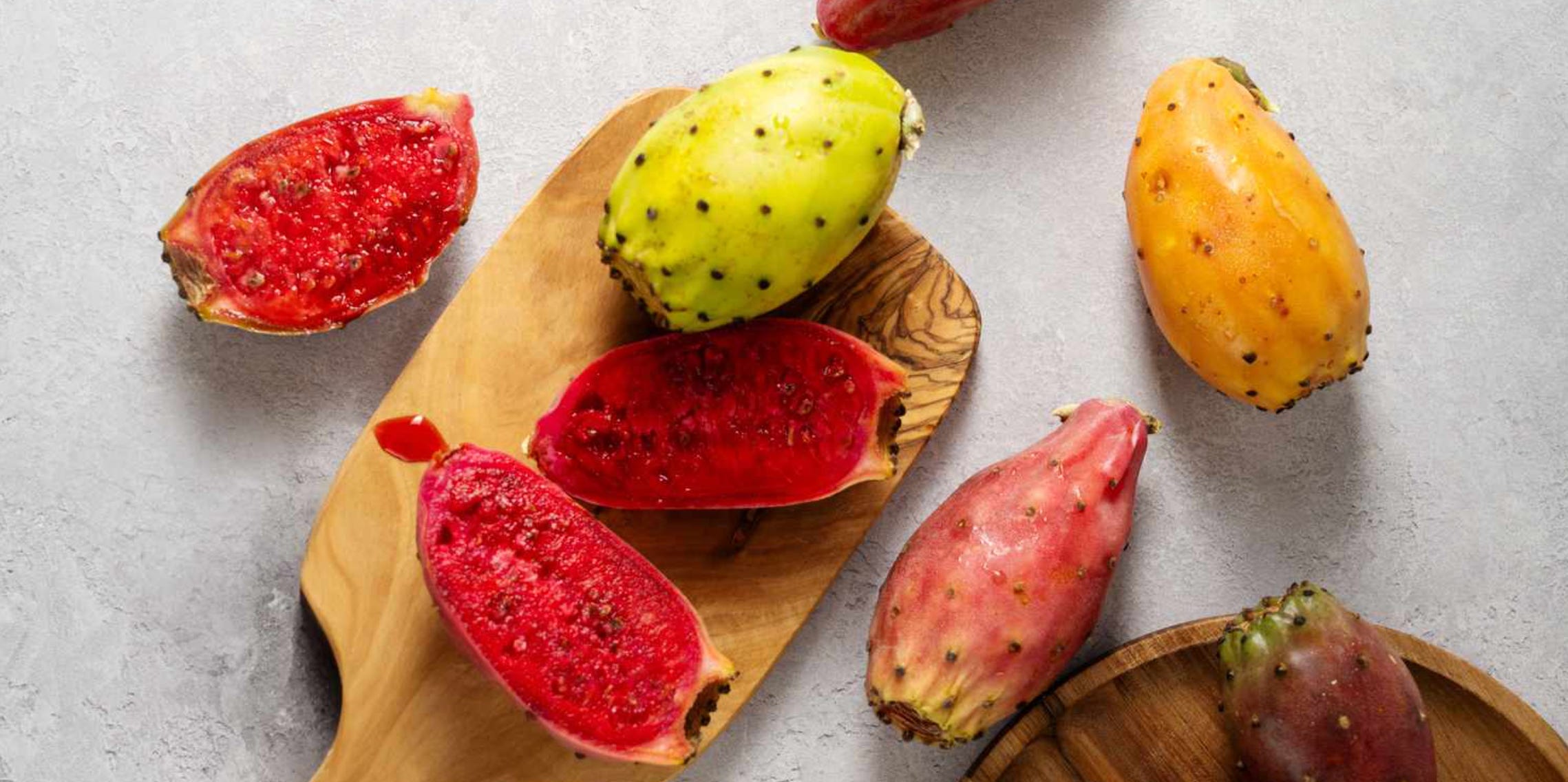
For the biggest “return on investment,” seek out a source of guavas, oranges, and prickly pears. In places where they’re not grown, they can often be ordered online. Those three fruits alone can skyrocket your diet’s nutrient density.
As a personal anecdote, once I made a consistent effort to obtain 500 mg of vitamin C and 5,000 mg of potassium daily through diet, without exception, an 8-year-old “legacy” skin tag finally fell off. These two nutrients are important for blood sugar regulation. Fruits such as guavas, papayas, prickly pears, and oranges helped me reach those targets.
Moving on to berries, you should eat as many of them as possible. Not just the commonly-eaten ones like blueberries, raspberries, strawberries and blackberries, but also the lesser-known ones. Gooseberries, currants, chokeberries (aronia), seabuckthorn, cranberries, even açai berries. Apart from their vitamin C, E, K and magnesium content, berries are incredible for the gut and oral microbiome, protecting against pathogenic bacteria and the nutrient malabsorption that pathogenic overgrowths can contribute to.
Eating berries has been shown to strengthen the gut lining (protecting against leaky gut), increase the numbers of short-chain fatty acid-producing bacteria (which guard against Candida overgrowths), lower liver inflammation, and protect against fatty liver disease.1
Of course, fresh ones are expensive and often hard to get, especially out of season. But frozen berries are mostly affordable, and often provide a wider assortment of berry varieties.
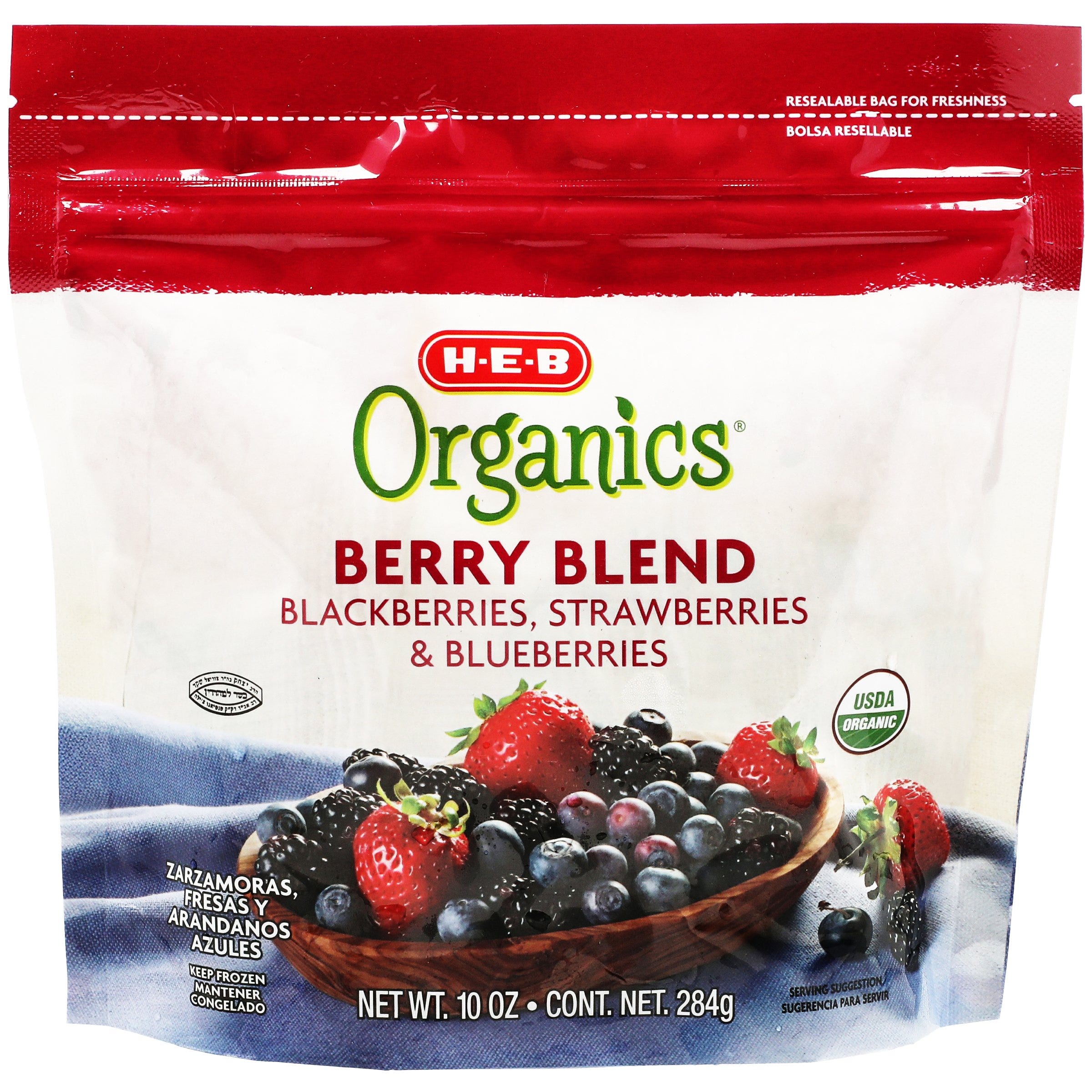
Use frozen berries to “upgrade” your juices. If you’re having a glass of orange or apple juice, or even a glass of coconut water, take a box of frozen berries and blend them in. If you don’t like your beverages cold, take the berries out of the freezer the night before, pour them over into a bowl, and thaw them overnight before blending them into juices.
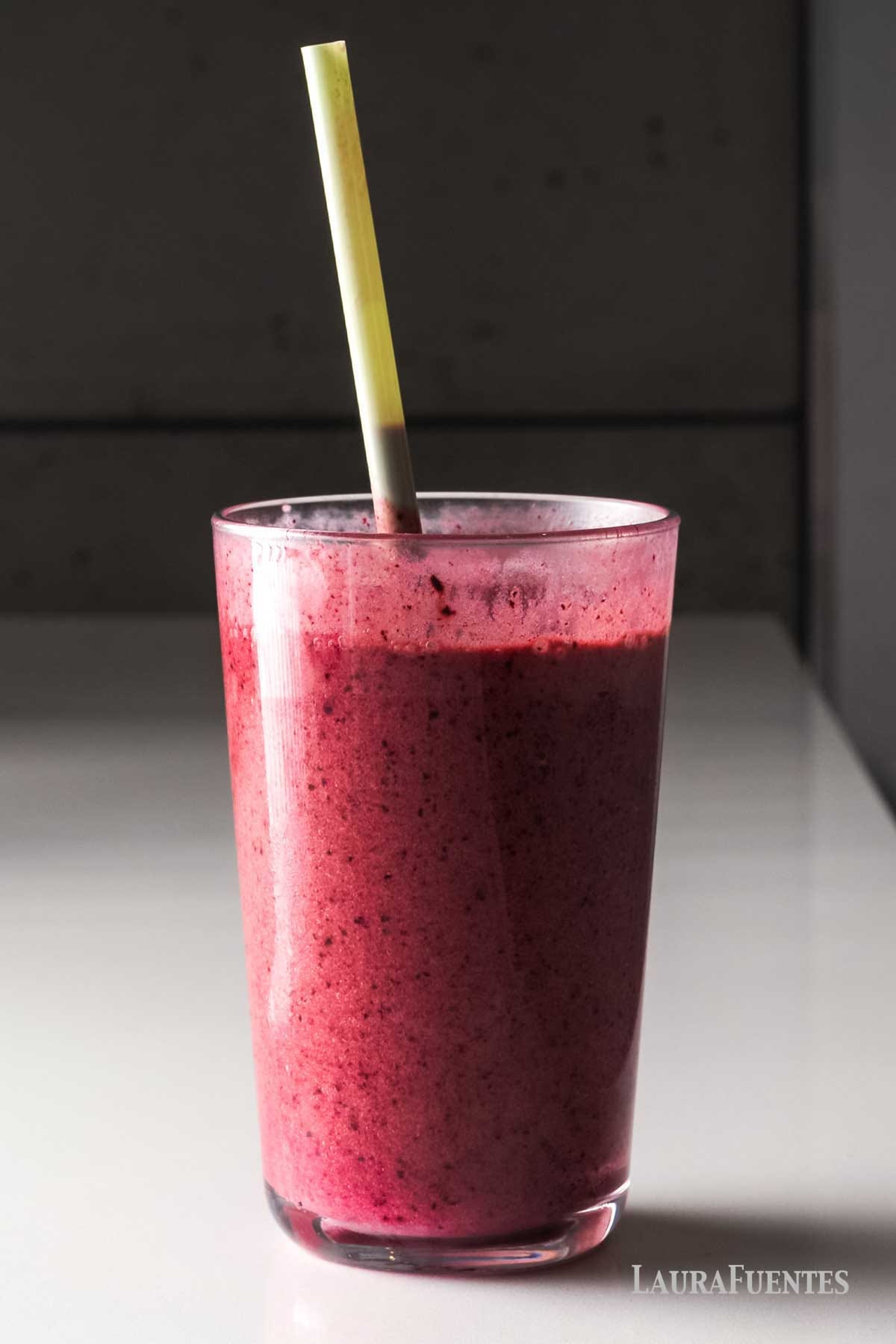
If you’re a bodybuilder or someone who’s after a specific body composition, frozen berries add vitamins, minerals, fibre and polyphenols without much in the way of calories.
If you are a parent whose child enjoys juice, frozen berries add vitamins, minerals, fibre, and polyphenols, making the drink more nutritionally substantial while also moderating the rise in blood sugar.
If you’re worried about drinking fruit juice because of how it might affect your blood sugar, frozen berries add vitamins, minerals, fibre and polyphenols that help improve glycemic response.
No matter how you look at it, adding frozen berries to drinks is beneficial. Have more berries.
There are a few foods which provide incredible value for a relatively low price. While focusing on root vegetables, tropical fruit, berries and organs already creates a great baseline diet, many of these additional foods act almost like condiments that can fill important nutrient gaps.
For less than $5 a can, you’re getting over 500% of the zinc RDA, over 300% of the copper RDA, over 500% of the vitamin B12 RDA, and over 100% of the iron RDA.
Oysters are the most concentrated food source of zinc. Zinc is needed to make sex hormones and detoxify heavy metals. It also maintains the thymus gland, which helps grant protection from infectious and autoimmune diseases.
The food matrix of oysters improves the absorption of nutrients, and a study published earlier this year found that peptides naturally found in oysters help facilitate the absorption of iron in the gut.2
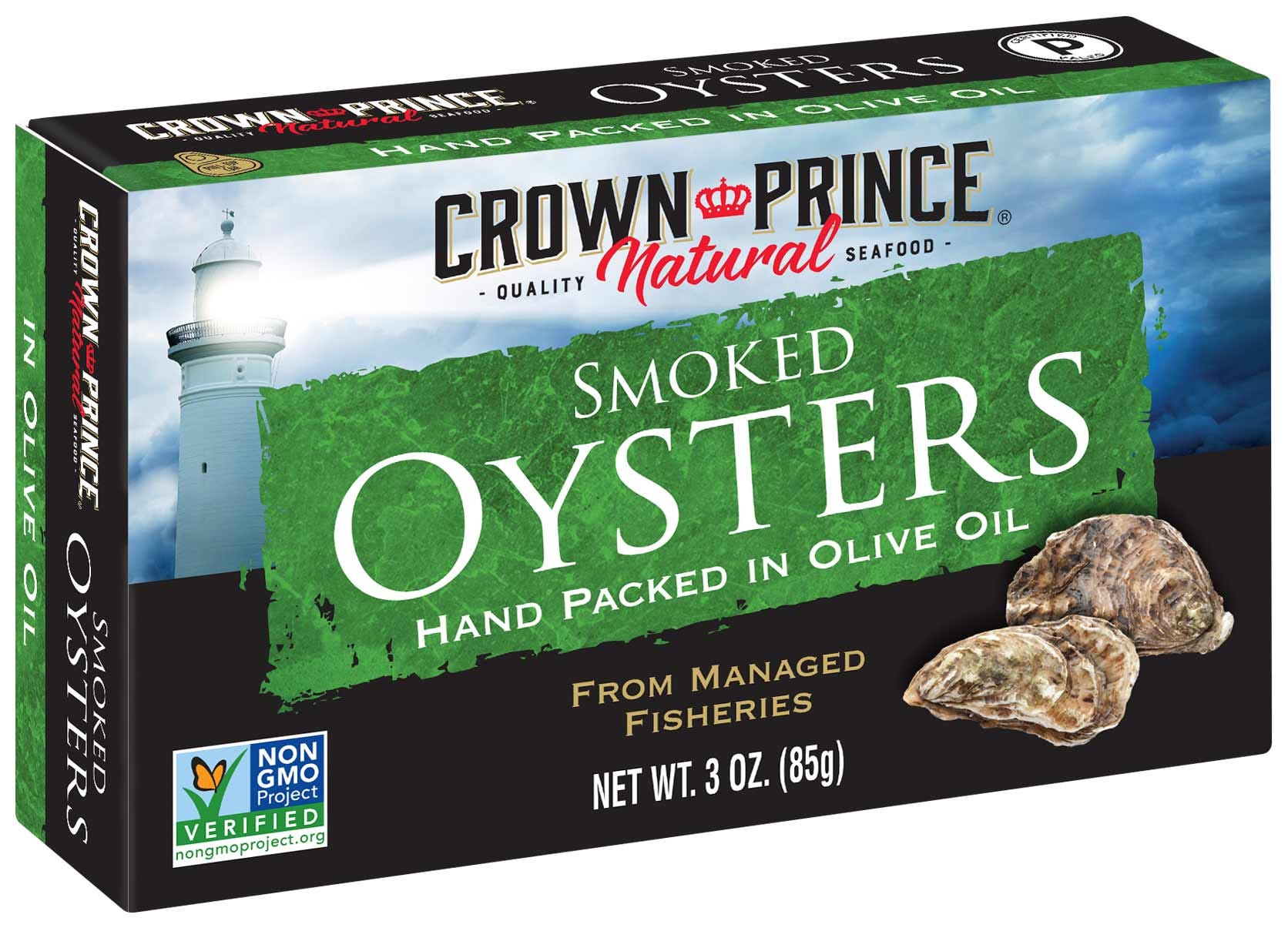
You can use them to make oyster stew, turn them into a dip for carrot or cucumber sticks, or just spread them over a slice of toasted bread with butter and a bit of salt.
They can be purchased on iHerb. Many other online vendors carry them, too.
Comments
Nothing yet. Say the first thing.
Sign in to join the conversation.