
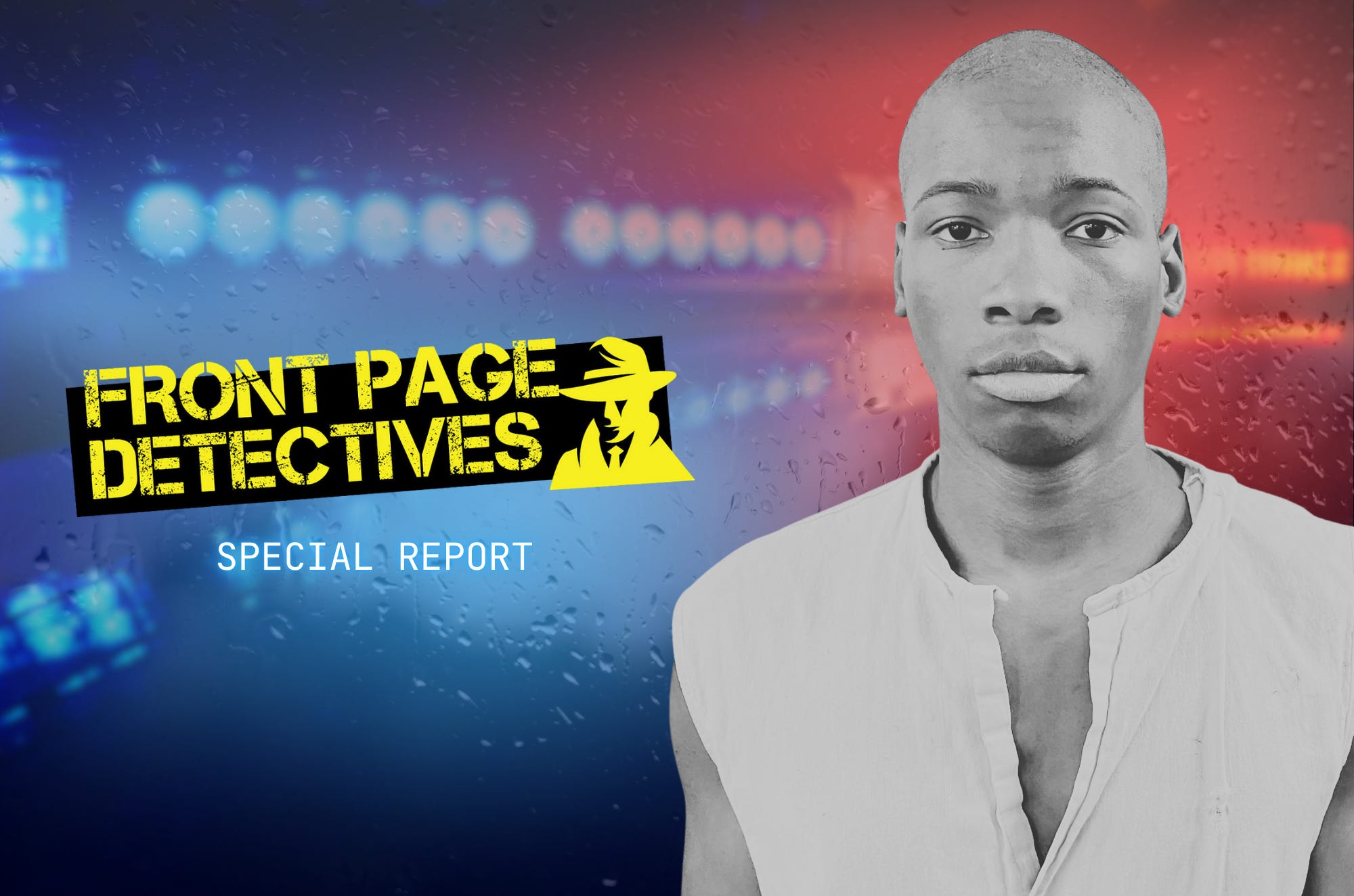
There are cases that become arguments before anyone has had time to understand them. The killing of Austin Metcalf was one of them.
Within days, photographs of two 17-year-old boys had traveled across millions of screens, their faces attached to competing stories about race, self-defense, privilege, parenting, school violence and justice. Austin became the innocent teenager whose future had been stolen. Karmelo Anthony became either a cold-blooded killer or a frightened Black teenager being railroaded by the system. Depending on where you looked, the case seemed almost impossibly simple, even though almost nothing about it was.
More than a year later, Anthony has been convicted of murder, sentenced to 35 years in prison and denied a new trial. The confrontation itself lasted only seconds, yet it went on to produce hundreds of thousands of dollars in fundraising, death threats, swatting attacks, courtroom battles, extraordinary security measures and an appellate fight that could continue for years. Even then, some of the most revealing information about the case never reached the jury.
Only after Anthony was convicted did lawyers begin publicly describing what had been kept out of his trial. There was evidence about both teenagers that complicated the carefully constructed images surrounding them, an unusual agreement between prosecutors and defense attorneys intended to keep that material away from jurors, and a bitter dispute over whether the agreement ultimately helped prevent Anthony from giving the jury the one account it never heard, his own.
What emerged was a case stranger, messier and far less comfortable than the version that conquered social media. To understand how two high-school athletes who had never met ended with one dead, the other facing decades in prison and both families consumed by everything that followed, it is necessary to go back before the knife, before the courtroom and before strangers decided what Austin Metcalf and Karmelo Anthony were supposed to represent.
The story begins with two remarkably ordinary teenage lives moving toward the same rain-soaked stadium, neither with any reason to know the other was there.
Comments
Nothing yet. Say the first thing.
Sign in to join the conversation.