
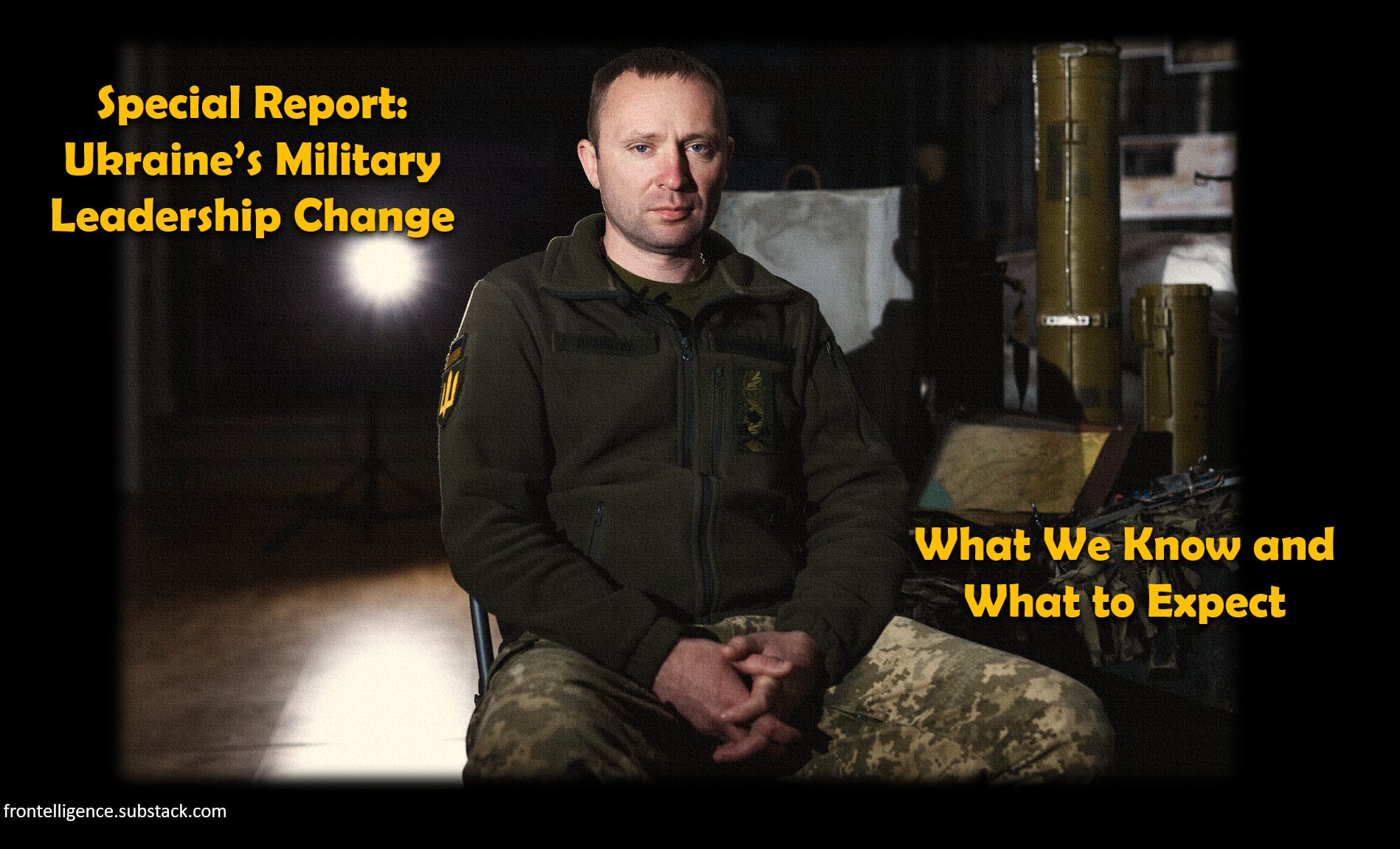
Kyiv has been gripped by political crisis in recent days, with protests erupting in the wake of Prime Minister Yuliia Svyrydenko’s resignation and the Cabinet’s subsequent dismissal.
The trigger was the departure of Mykhailo Fedorov, the Minister of Defense whose name had become synonymous with digital transformation and procurement reform. His removal alone was enough to bring people onto the streets — but the situation escalated once it emerged that Commander-in-Chief Oleksandr Syrskyi had opposed several of Fedorov’s initiatives and was among those pushing for his exit. Fedorov himself lent credence to this account at a subsequent press conference. Protesters’ demands shifted accordingly: what began as a call to reinstate Fedorov broadened into demands for a wider shake-up of military leadership, with Syrskyi’s own position now in question. As calls for changes in the military leadership gained momentum, Mykhailo Drapatyi's name repeatedly surfaced among protesters as a preferred candidate to replace General Oleksandr Syrskyi. Yesterday, following several days of deliberations, President Zelensky appointed him Commander-in-Chief of the Armed Forces of Ukraine.
The political calculus behind this appointment and Fedorov’s dismissal: the rival factions, the competing interests, the internal political maneuvering around the President is not the scope of this report. The focus here is General Mykhailo Drapatyi. Whatever the politics behind his elevation, Drapatyi is widely considered one of Ukraine’s most capable and respected wartime commanders. This report examines his military record, his approach to command, his operational experience, and what his appointment is likely to mean
I. The Rise of Mykhailo Drapatyi
II. What Does the New Commander-in-Chief Bring to the Role?
III. Managing Expectations and Realities
Mykhailo Drapatyi, 43, is the youngest officer ever appointed Commander-in-Chief of the Armed Forces of Ukraine. He graduated from the Kharkiv Institute of Tank Forces in 2004 and began his military career in the 72nd Mechanized Brigade.
Mykhailo Drapatyi started his path as a combat officer during the opening phase of Russia’s war against Ukraine in 2014. One of the episodes that first brought Drapatyi national recognition was the fighting for Mariupol in 2014, where he commanded an armored unit involved in restoring Ukrainian control over the city after it had been seized by Russian-backed forces. The operation became widely associated with a video showing Drapatyi's column departing the city after completing its mission. In the footage, his BMP is seen pushing through a barricade to clear the route for the vehicles following behind.
Yet the operation that arguably tells us more about Drapatyi as a commander took place several months later during the fighting in Sector D along the Ukrainian-Russian border.
By early August 2014, Ukrainian forces near Voznesenivka, Dovzhanskyi and Diakove had spent more than three weeks under constant artillery fire from Russian territory and repeated attacks by Russian-backed formations. Supply routes had largely collapsed, ammunition was running low, casualties were mounting, and several Ukrainian units found themselves effectively encircled. The situation had become one of the first major operational crises of the war.
At the time, Drapatyi, then a major and commander of the 2nd Battalion of the 72nd Mechanized Brigade, led one of the assault groups tasked with breaking out of the encirclement. Over three days of fighting, his force pushed through minefields, artillery fire, and enemy ambushes before linking up with Ukrainian forces outside the pocket. In doing so, it not only opened an escape route for elements of the 72nd Brigade, but also for personnel from the 24th, 51st, and 79th Brigades, as well as several smaller units trapped in the area.
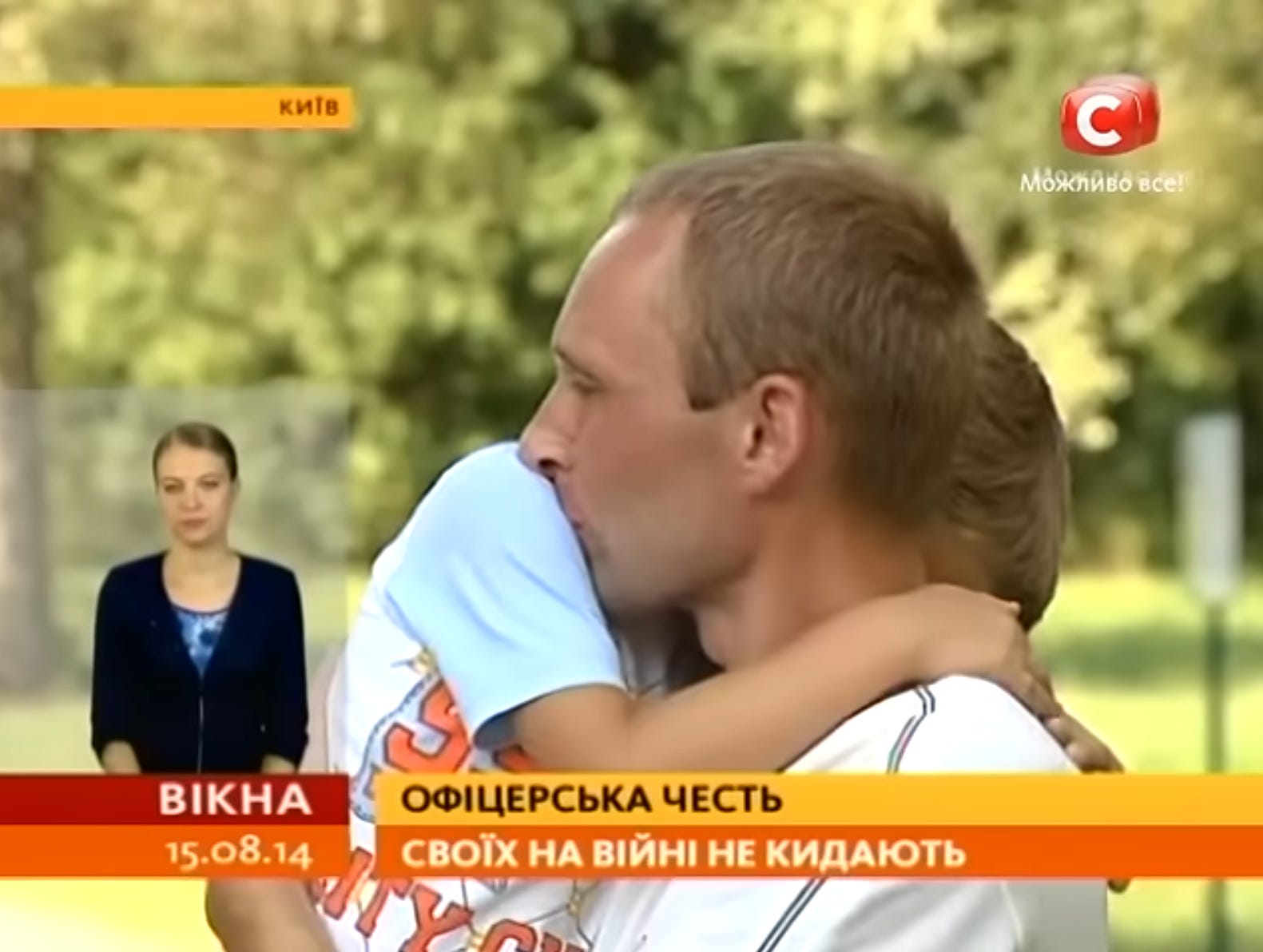
The breakout preserved a substantial portion of the group’s combat power. Tanks, armored vehicles, and artillery systems were successfully brought out of the encirclement, while equipment that could not be evacuated was destroyed to prevent its capture. More importantly, hundreds of Ukrainian servicemen who had spent weeks under constant fire and isolation were able to return home.
In August 2016, Drapatyi was appointed commander of the 58th Separate Motorized Infantry Brigade, which was then operating in the Avdiivka and Yasynuvata sectors of Donetsk Oblast.
At the outbreak of Russia’s full-scale invasion, Drapatyi was serving in a senior training and staff position. However, as the situation in southern Ukraine deteriorated in the first weeks of the war, in March 2022, he was appointed Deputy Commander of Operational Command South.
With Drapatyi playing an operational role, Ukrainian forces halted the Russian offensive toward Kryvyi Rih before launching a series of counterattacks that pushed Russian forces back and liberated a number of settlements in the Kherson and Dnipropetrovsk regions
The operational grouping in which he served at the time, subsequently participated in the Kherson counteroffensive between August and November 2022.
In early May 2024, Russia launched a surprise offensive north of Kharkiv toward Vovchansk and Lyptsi. Ukrainian defenses in the sector proved insufficiently prepared, allowing Russian forces to achieve rapid initial gains and create a situation that threatened to destabilize the entire Kharkiv direction. As the crisis unfolded, the commander of Operational-Tactical Grouping “Kharkiv” was removed and Mykhailo Drapatyi was appointed to take charge of the direction, while simultaneously retaining his position as Deputy Chief of the General Staff.
Essentially, Drapatyi was handed a near-total disaster: a poorly organized defense, units retreating without coordination or cohesion, and a rapidly deteriorating situation just two days into the crisis. Following Drapatyi's appointment, the Russian offensive was contained and largely confined to two areas, Vovchansk and Hlyboke. Despite continued fighting, Russia failed to significantly expand its gains there by 2026. Following the stabilization of the Kharkiv direction, Drapatyi was soon reassigned to another troubled sector, taking command of Operational-Tactical Group “Luhansk” - another challenging area of the front at the time.
On 29 November 2024, President Zelensky appointed Major General Mykhailo Drapatyi as Commander of the Ukrainian Ground Forces. In 2025, he was additionally appointed commander of Operational-Strategic Grouping of Forces “Khortytsia”.
Khortytsia, arguably the most active and challenging sector of the front at the time, was in an extremely difficult situation when Drapatyi took command. While conditions on the ground remained critical, several sources told us that many officers reacted to his appointment with a sense of relief and renewed optimism.
Under his leadership, the situation improved noticeably. The front gradually stabilized, Russian advances slowed, and the cost of further offensive operations increased. Although Russian forces were not completely halted, they were unable to achieve the pace of progress seen before his appointment.
Of course, it would be unfair to attribute these improvements to Drapatyi alone. Any improvement was the result of a broader team effort involving operational commanders and the units fighting on the ground. Nevertheless, there was a correlation between his appointment and the subsequent improvement in the situation, which is why our team believes it is reasonable to highlight his contribution.
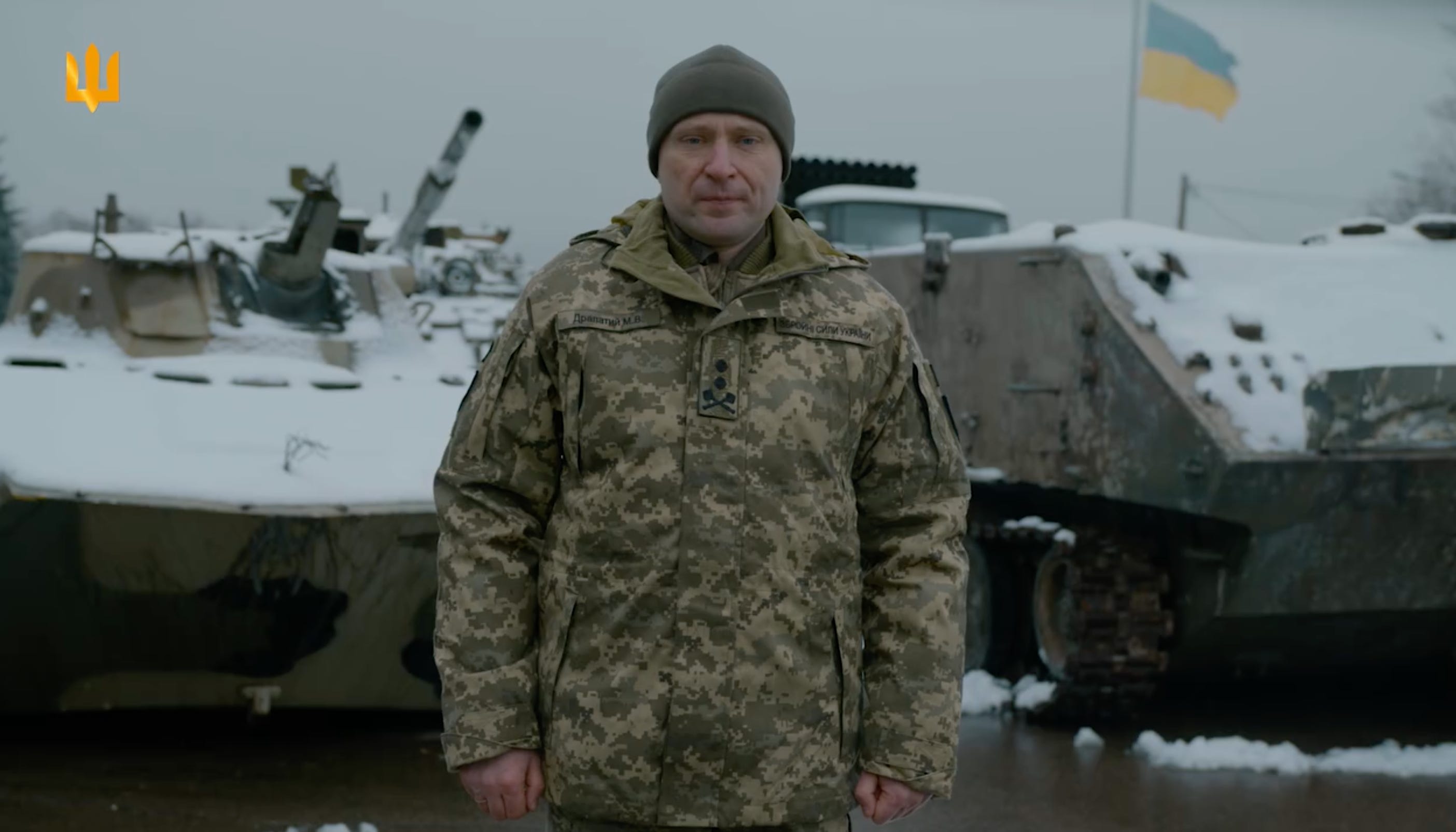
On 1 June 2025, Drapatyi submitted his resignation as Commander of the Ground Forces following a Russian missile strike on a training ground that killed 12 servicemen. He described the decision as an act of personal accountability, arguing that commanders must take responsibility for failures under their authority. Drapatyi stated that he had been unable to ensure the proper implementation of his orders and criticized a military culture that is often reluctant to acknowledge mistakes and learn from them.
President Zelensky accepted his resignation from the Ground Forces command and appointed him Commander of the Joint Forces. At the same time, Drapatyi retained command of OSUV “Khortytsia”
1. Receptive Leadership
Perhaps the most significant aspect of Drapatyi’s reputation is not his combat record alone, but a different approach to personnel and accepting the information
Multiple officers and sergeants we spoke with who served under Drapatyi described a leadership style that differed from the traditional top-down culture often associated with post-Soviet militaries. Unlike many senior officers of the older generation, Drapatyi reportedly sought input from subordinate commanders, encouraged honest feedback, and was willing to adjust decisions based on information from the field.
2. Personnel-Conscious Leadership
One officer who served alongside him and has been involved in the war since 2014 described Drapatyi as a “humane officer”, meaning that he consistently weighed the human cost of military decisions and placed a high value on the lives of his soldiers.
This aspect of his leadership may prove particularly important given Ukraine’s current circumstances. After years of war, manpower has become one of the country’s most constrained resources, and there is little indication that those challenges will disappear in the foreseeable future. In such an environment, commanders who can balance military necessity with the preservation of personnel are likely to have a positive impact on the long-term effectiveness of the force.
3. Understanding War at Every Level
Another of Drapatyi’s strengths is that he has advanced through every level of command during wartime. His experience spans the tactical, operational, and strategic levels, a progression that remains relatively rare even within today’s Ukrainian military.
While many officers have gained valuable combat experience since 2022, most have done so primarily at the tactical or operational level. Far fewer have progressed from tactical-level command to positions such as commander of a major operational grouping, Commander of the Ground Forces, or Commander of the Joint Forces, roles that require a very different set of skills from those needed to lead a company, battalion, or brigade.
Drapatyi’s career therefore offers a unique set of experiences. He is a commander who personally led soldiers in combat, while later assuming responsibility for large-scale operational formations and strategic-level decision-making. Few officers have accumulated such a broad range of wartime command experience across all levels of military leadership.
4. A Vision for Military Reform
Mykhailo Drapatyi appears to have a clear understanding of the problems requiring attention within the Armed Forces of Ukraine. Many of these issues have also been highlighted by Ukrainian and Western analysts in recent years. According to our trusted source, Drapatyi’s priorities include improving training and adaptation processes to reduce AWOL rates, a serious issue that has affected the Ukrainian military throughout the war. He has also emphasized the need for more effective force and resource allocation, including moving away from the continued creation of new brigades and toward a more rational consolidation of existing forces. Other areas of concern include reducing Soviet-style top-down leadership practices and addressing inefficient force management, such as the repeated attachment of fragmented units to other formations
Overall, Drapatyi appears to be focused on addressing fundamental institutional challenges, including force organization, resource management, and improvement of the mission command principles. If successfully implemented, it could help resolve a wide range of persistent problems within the Armed Forces of Ukraine
1. Command Beyond the Battlefield
The role of Commander-in-Chief extends far beyond military decision-making and requires navigating a highly political environment. Drapatyi assumes the position amid crisis with significant expectations that he will address some of the Armed Forces’ most persistent problems, but doing so will likely require challenging established practices, interests, and internal power structures. As seen with other reform-oriented officials, including Mykhailo Fedorov, the main difficulty may not be identifying the necessary reforms, but overcoming resistance from those who are invested in preserving the existing system.
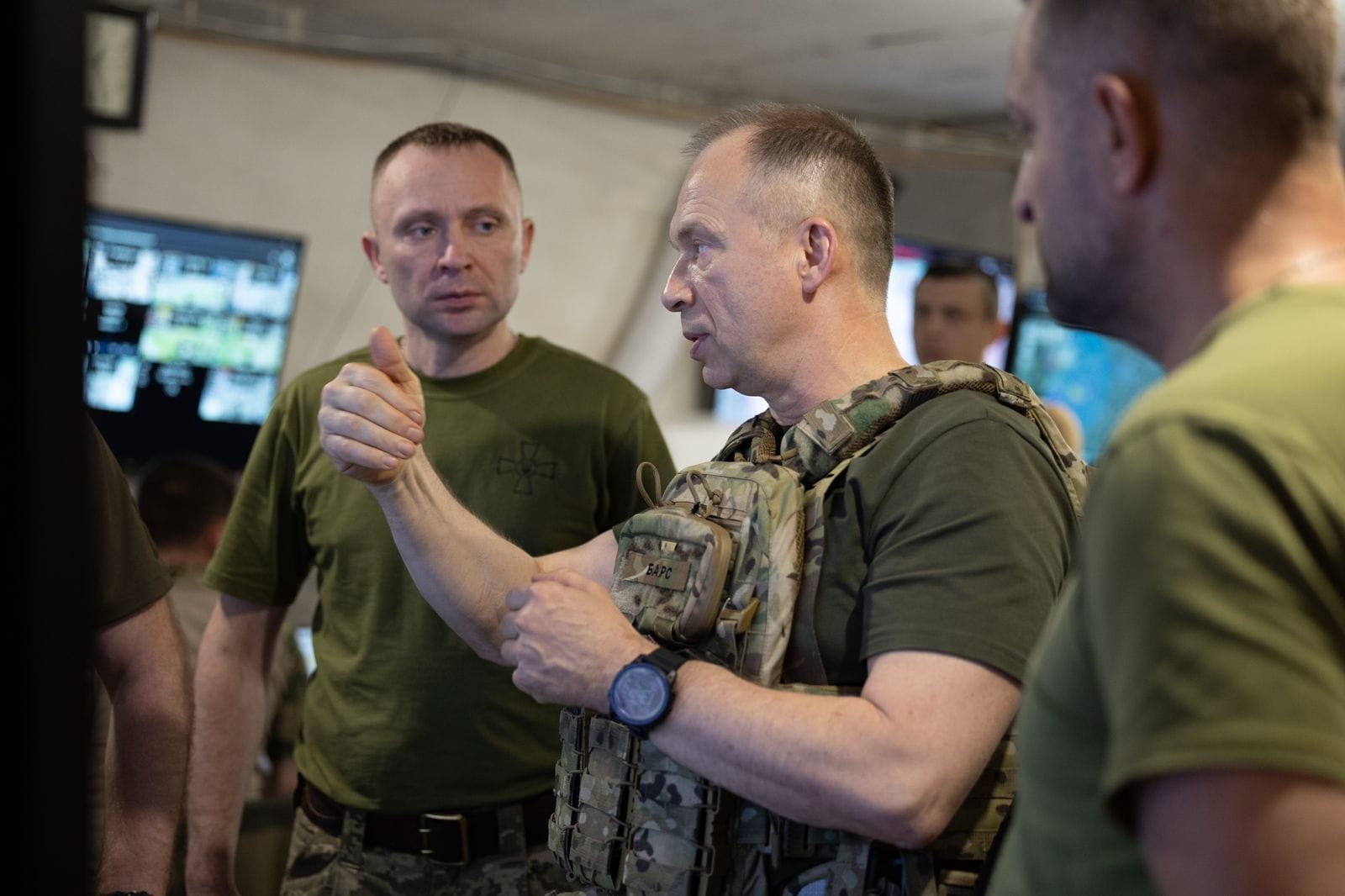
Unlike Zaluzhnyi and Syrskyi, both of whom spent years building influence within Ukraine’s military establishment before the full-scale invasion, Drapatyi enters the role without the same depth of established networks at the highest levels of command. While he enjoys considerable respect among personnel across the Armed Forces, he does not appear to have a similarly developed team of trusted allies within the senior command structure, while other internal groups have had years to build their own networks. This may become a significant challenge, as Drapatyi has limited time to consolidate support while pursuing potentially disruptive changes.
According to multiple officers within the Armed Forces of Ukraine, resistance to some of these changes is a realistic possibility. Whether Drapatyi can translate his vision into meaningful reforms will depend not only on the quality of his decisions, but also on his ability to navigate institutional opposition and maintain support within the military hierarchy. Given the visible tensions and political infighting surrounding recent events, it remains unclear whether he will be able to establish the necessary authority and backing, or whether he will become drawn into broader power struggles within Kyiv and the Armed Forces.
2. Reforming the Mobilization System
One of the most pressing challenges facing both the Armed Forces and Ukrainian society is mobilization. Many hope that the appointment of a new Commander-in-Chief, together with changes in the Ministry of Defense, will help to resolve the problem. Such expectations, however, should be viewed with caution.
First, it remains unclear who will ultimately assume the position of Minister of Defense on a permanent basis, or whether the current political crisis will conclude with such an appointment. Second, and more importantly, neither Drapatyi nor the Minister of Defense can resolve the mobilization problem on their own.
The critical questions surrounding mobilization extend beyond military command and the MoD. Addressing them will require legislative changes, revisions to internal regulations, and political decisions on a number of sensitive issues. Among them is the question of enforcement: whether the Armed Forces should continue to play a role in identifying individuals who evade mobilization, or whether that responsibility should be transferred entirely to law enforcement agencies, whose mandate is to investigate and enforce violations of the law.
Ultimately, mobilization is not a problem that can be solved through personnel changes alone. Any meaningful reform will require coordinated action by the Ministry of Defense, the Ministry of Internal Affairs, the Verkhovna Rada, and the political leadership. Even if work on such reforms begins immediately, tangible results are unlikely to emerge in the short term and will likely require at least 6-12 months to implement.
3. The Limits of Leadership
Ukraine is now in its fifth year of full-scale war, not the first or second. The war has already taken on a well-defined shape, and many of its underlying trends are difficult to reverse. As a result, expectations should remain realistic. Competent leadership matters, and good decisions can improve the army’s performance. Even exceptional decisions can significantly improve the situation, but no Commander-in-Chief can, by himself, overcome the broader constraints imposed by manpower, resources, and the overall trajectory of a prolonged war, especially without the sustained support of the President and the Ministry of Defense, which has yet to fully materialize.
We think that Drapatyi’s selection was perhaps the best option available to the President under the circumstances. However, expectations should remain realistic, as the outcome of the war will continue to be shaped by numerous factors - and he is just one of them. The challenges and risks facing Mykhailo Drapatyi are substantial, and the path ahead will be exceptionally difficult. Nevertheless, his extensive combat experience, leadership record, and understanding of the military’s challenges provide reason to believe that meaningful progress remains possible.
No posts
Comments
Nothing yet. Say the first thing.
Sign in to join the conversation.