
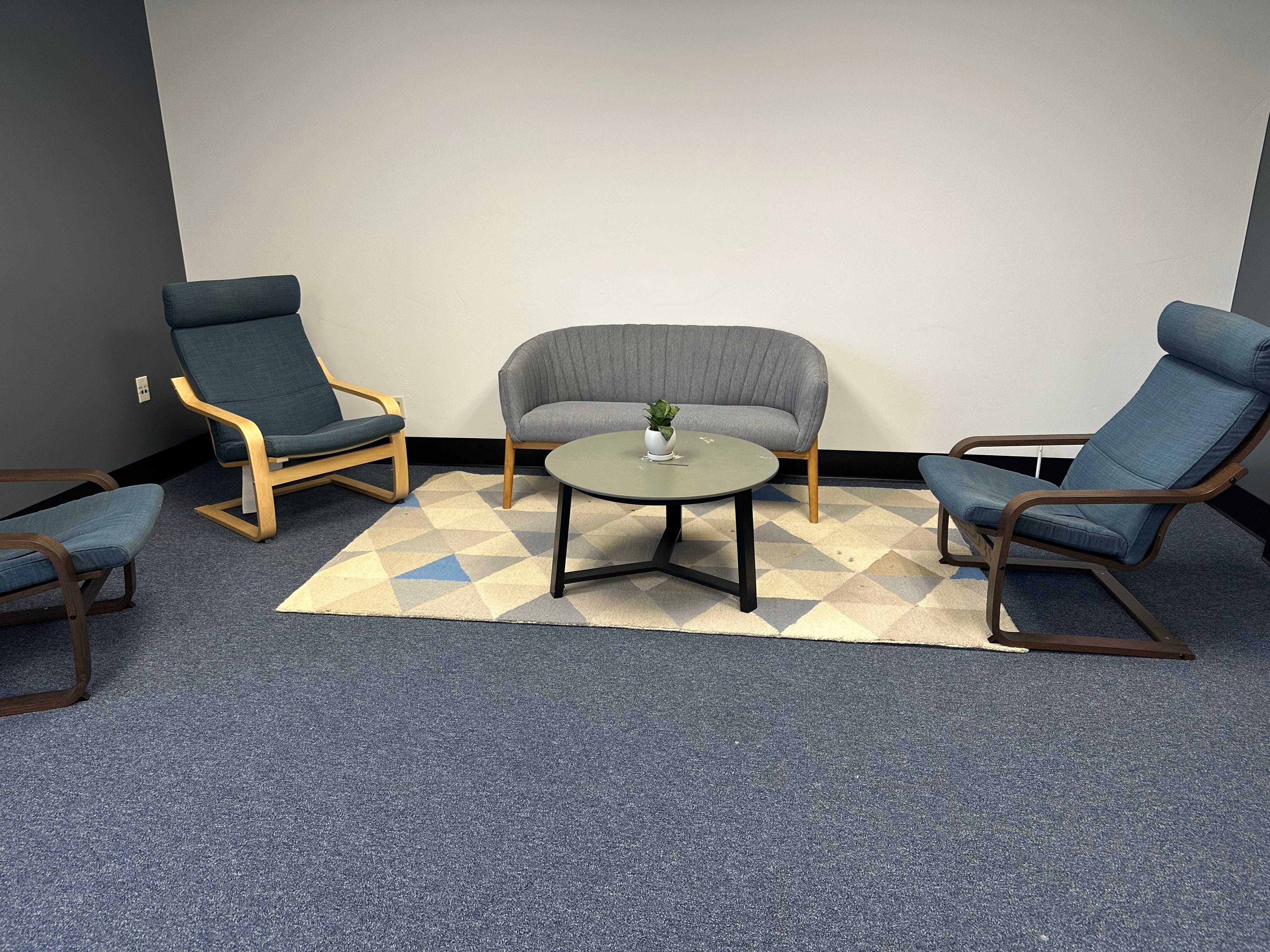
Six months ago, this room didn’t exist in our plans.
Last week, it was an empty office.
Today, it became something much more valuable.
A place.
We’re fortunate that one of our portfolio companies offered Rising Tide Partners temporary office space while we continue building the fund and community.
But Day 1 already proved why physical space matters.
Not because of the furniture.
Because of density.
For years, I’ve organized founder hikes, dinners, roundtables, podcasts, and community events.
The common thread behind all of them is simple:
Interesting things happen when good people spend time together.
Not on a Zoom.
Not through a newsletter.
Not in a Slack channel.
In person.
When conversations spill past their intended agenda.
When one introduction becomes three.
When someone overhears a problem and knows exactly who can solve it.
That’s what happened all day.
Founders arrived before previous meetings ended.
Introductions happened naturally.
Conversations extended beyond their original purpose.
One meeting became multiple meetings.
A founder didn’t just meet RTP. They met everyone else passing through.

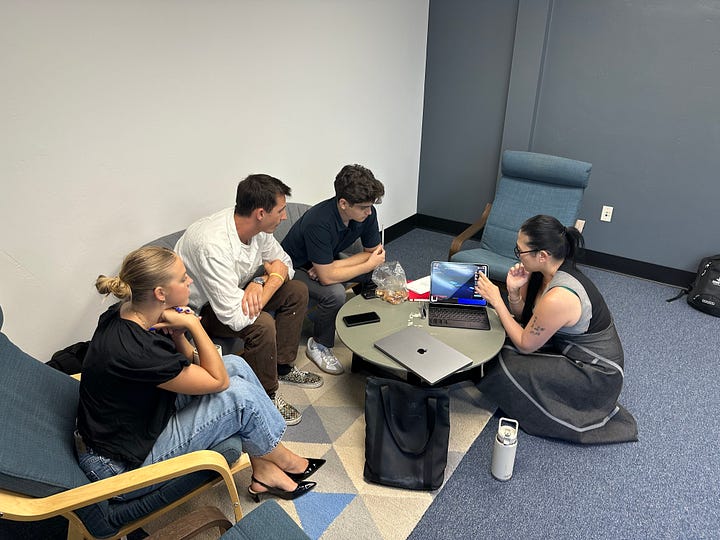
One of the most valuable interactions of the day wasn’t even planned.
Founders from across the parking lot wandered over.
Within minutes, they were leading the entire RTP team through a breathwork session.
Not because it was on the calendar.
Because they happened to be nearby.
That’s what physical proximity does.
The best interactions are often the ones nobody scheduled.
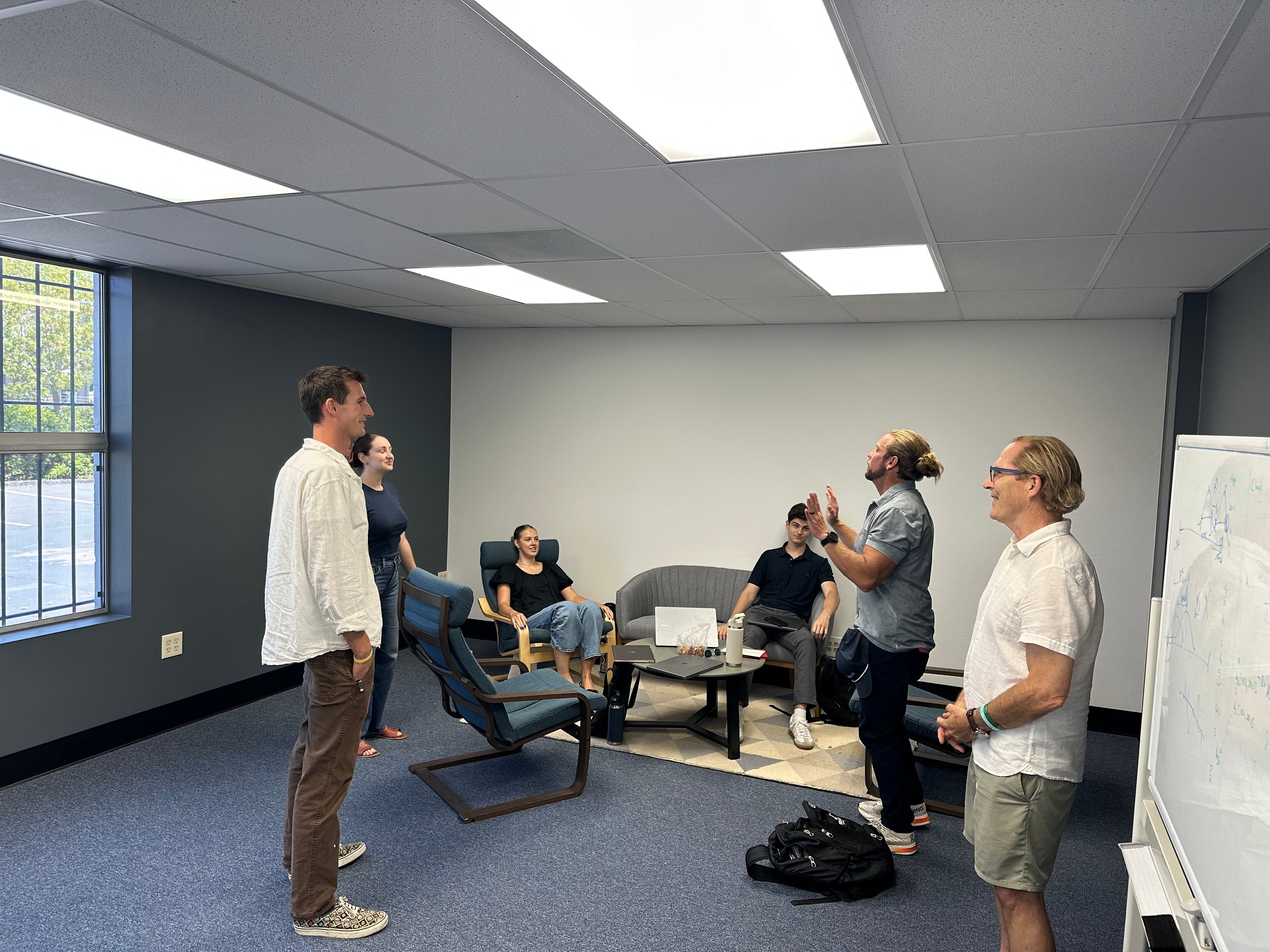
At one point, a hardware founder described a technical challenge they were working through.
Instead of saying:
“I know someone you should talk to.”
We walked them across the hall.
Five minutes later they were getting direct feedback from an engineering and rapid prototyping company.
No email introduction.
No waiting.
No scheduling.
Just a conversation.
The speed of trust increases dramatically when people share physical space.
Interns don’t learn venture by reading memos. They learn by observing conversations.
For the first time, everyone was operating from the same room - watching founders solve problems, seeing introductions happen, and experiencing the flow of a venture firm in real time.
The office became a force multiplier for learning.
And honestly, that’s my favorite part.
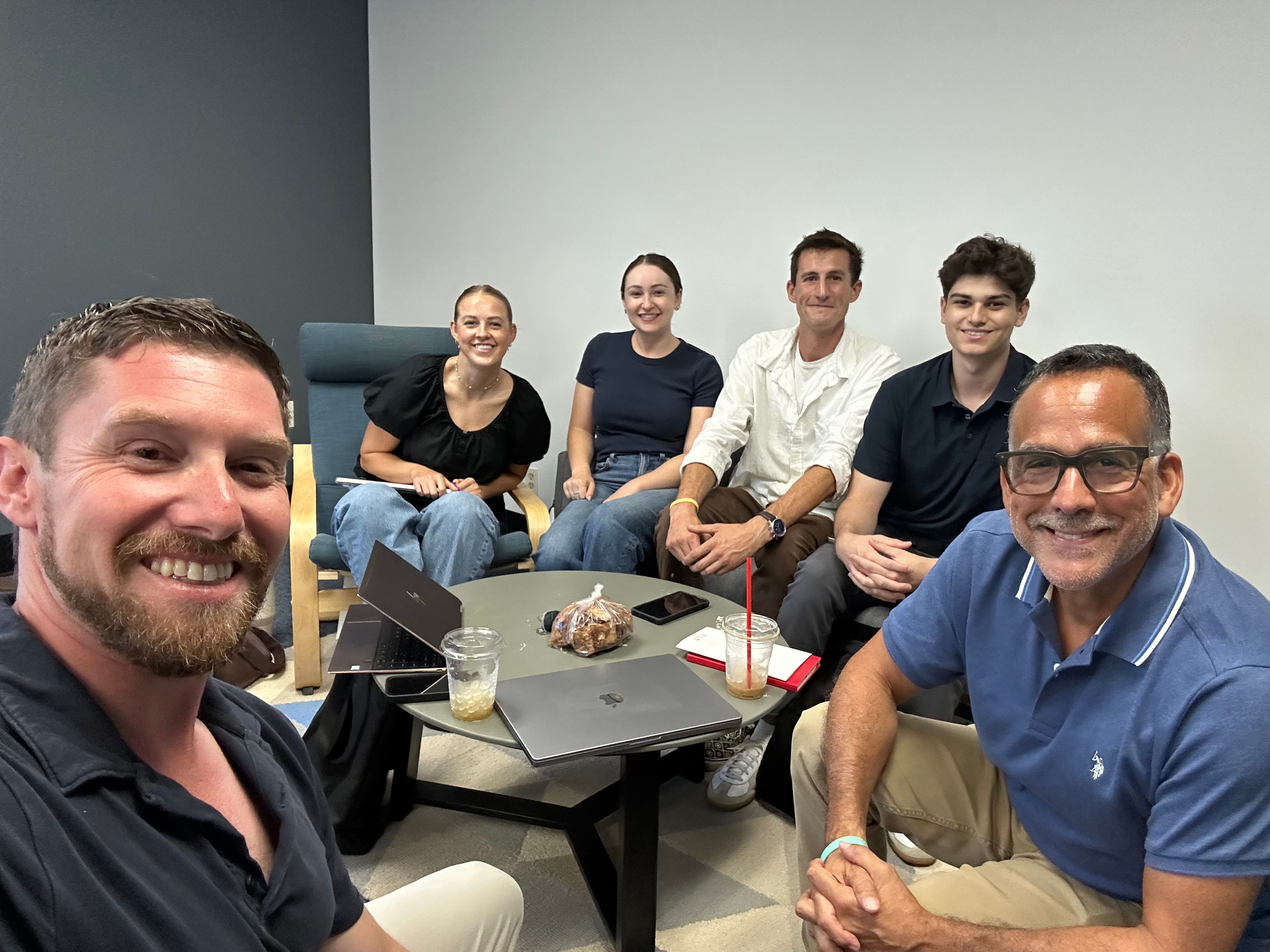
Right now we have:
A couch
Three lounge chairs
A coffee table
A whiteboard
A lot of empty space
That’s it.
Yet Day 1 generated more founder collisions than we could have planned.
Which reminded me of something founders learn early:
You don’t wait until everything is perfect to launch.
You start.
Then you learn.
Then you iterate.
The RTP Founder House is no different.
The photos below are what it looked like on Day 1. No conference table. No artifact shelf. No podcast corner. No fancy buildout.
Just enough space for people to gather.
And that was enough.
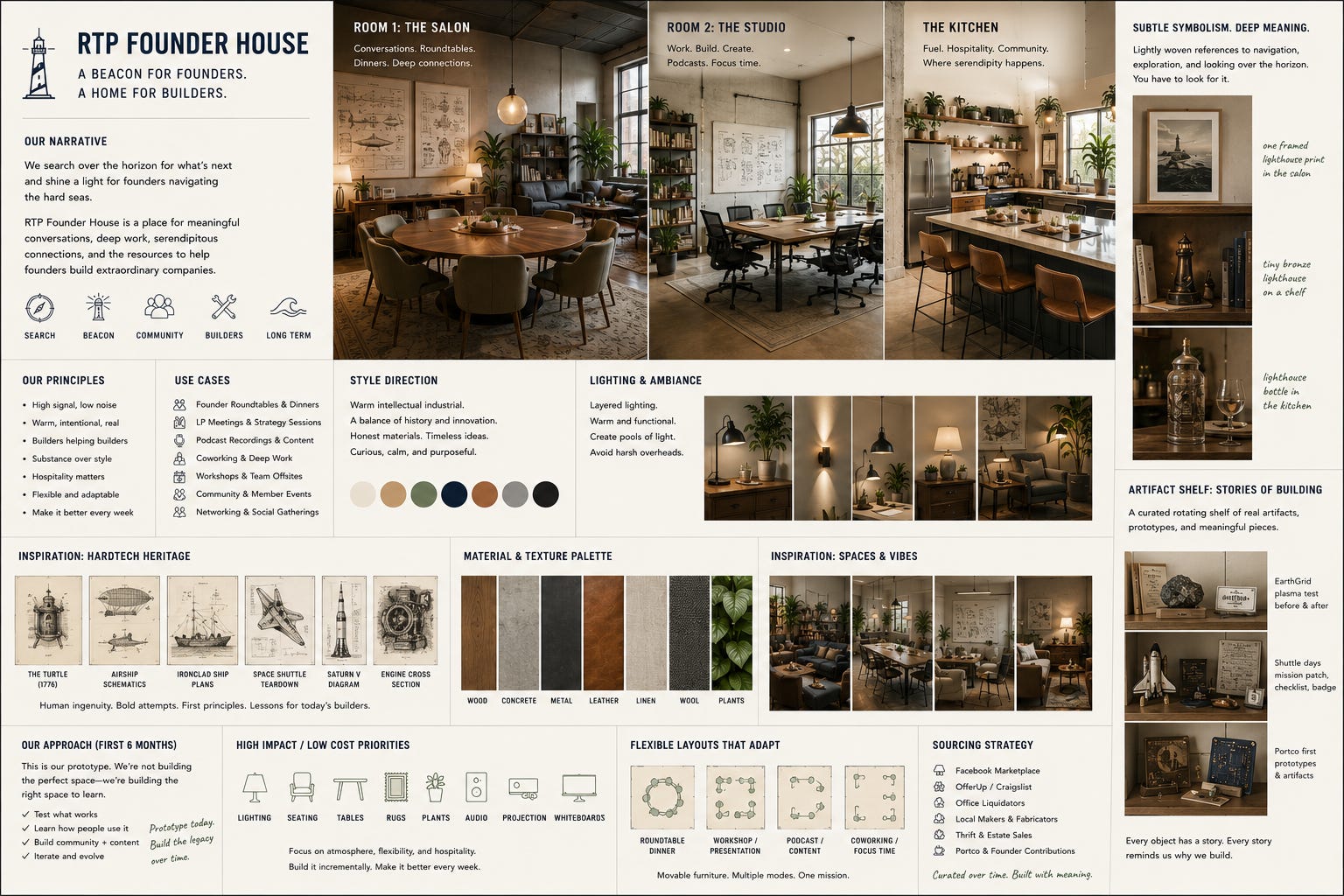
Over the weekend, we started playing with AI to visualize what this place could become.
Not because we need a perfect office.
Because vision matters.
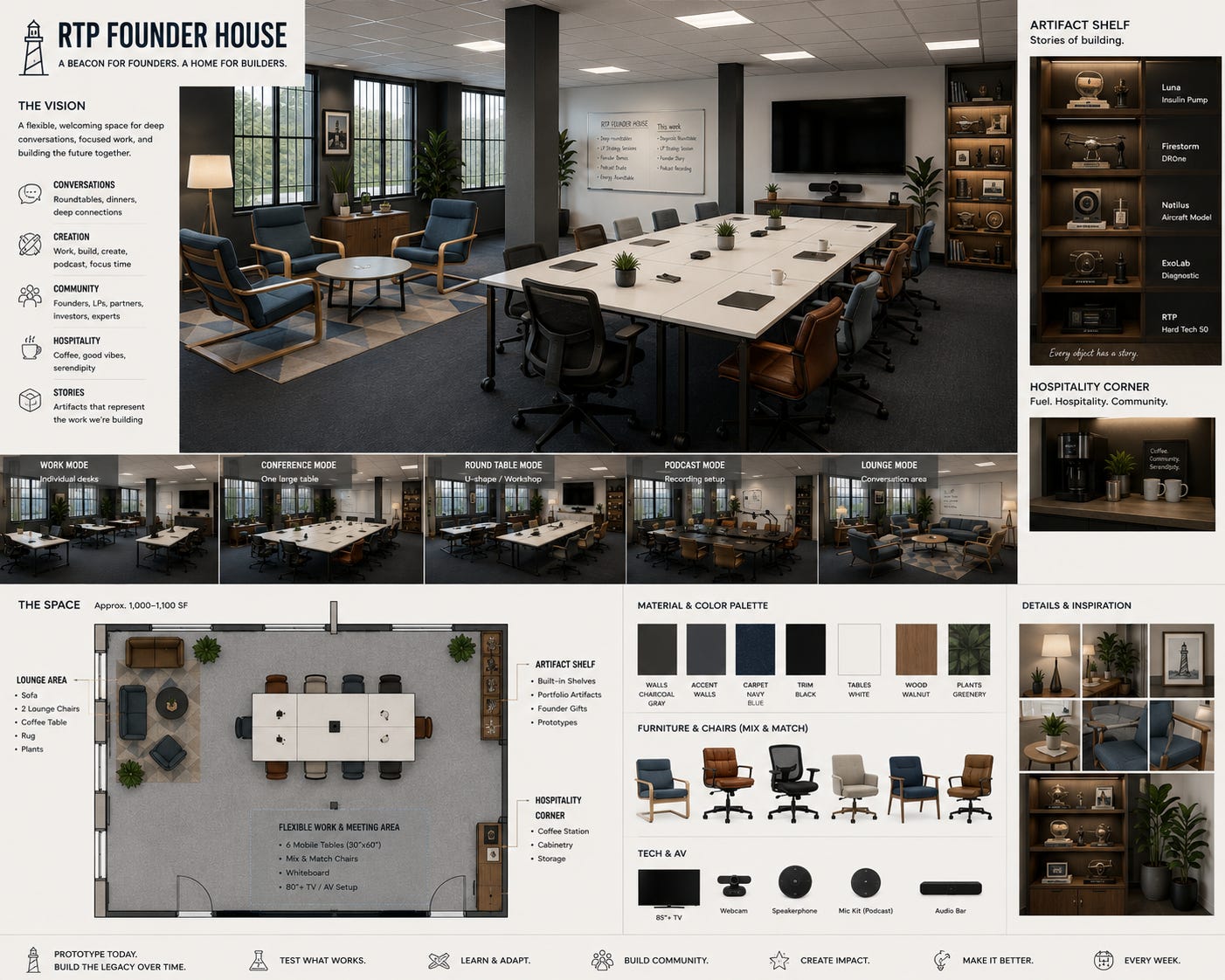
The image below is the practical version. What this room could realistically look like after a few months of iteration: rolling tables, a founder artifact shelf, a hospitality corner, a podcast setup, and furniture that can transform from work mode to roundtable mode to dinner mode.
The funny thing is that the room itself is behaving like a startup.
We didn’t spend months designing the perfect founder clubhouse.
We found an opportunity.
Shipped an MVP.
Invited people in.
And started learning.
The furniture will change.
The layout will change.
The whiteboard will fill up and be erased a hundred times.
The artifact shelf will slowly collect stories.
But the mission is already clear:
Create a place where builders can find each other faster.
When I think about the most valuable communities I’ve experienced, they all had a home.
Not necessarily a permanent one.
Just a place where people knew they could show up.
A place where ideas were shared freely.
Where founders helped founders.
Where introductions happened naturally.
Where relationships compounded over years.
That’s what we’re trying to create.
Not an office.
A gathering point.
A home base for builders.
A place where collisions compound.
The image below isn’t really a floorplan.
It’s a feeling.
It’s what happens when hospitality, curiosity, ambition, and community occupy the same space.
A place where founders stay for an extra hour after the meeting ends.
Where investors become friends.
Where a prototype on a shelf sparks a new idea.
Where conversations spill into dinners.
Where the stories become more valuable than the furniture.
Whether it ever looks exactly like this is beside the point.
The interesting thing is that none of what happened on Day 1 required any of this.
The collisions happened before the furniture.
The conversations happened before the buildout.
The value was created before the room had an identity.
Which is probably the best proof that we’re optimizing for the right thing.
Maybe this place eventually earns a name.
Maybe it becomes known for a specific kind of founder.
Maybe it only exists for six months before evolving into something bigger.
We don’t know yet.
What I do know is that Day 1 validated something we’ve believed for a long time:
The internet scales information.
Places scale trust.
And trust is what builds companies.
P.S. The room is still mostly empty.
If you stop by six months from now, there will probably be more tables, more chairs, more plants, more founder artifacts, and definitely more sketches on the whiteboard.
But if we’re doing this right, the most valuable thing in the room won’t be the furniture.
It will be the people who keep showing up.
No posts
Comments
Nothing yet. Say the first thing.
Sign in to join the conversation.