
There are some companies where you understand the opportunity after reading the deck.
And then there are companies where you need to walk into the lab.
Recently, investors from the Interlock Capital and Rising Tide Partners gathered at portfolio company Xzōm’s headquarters for a morning inside the lab.
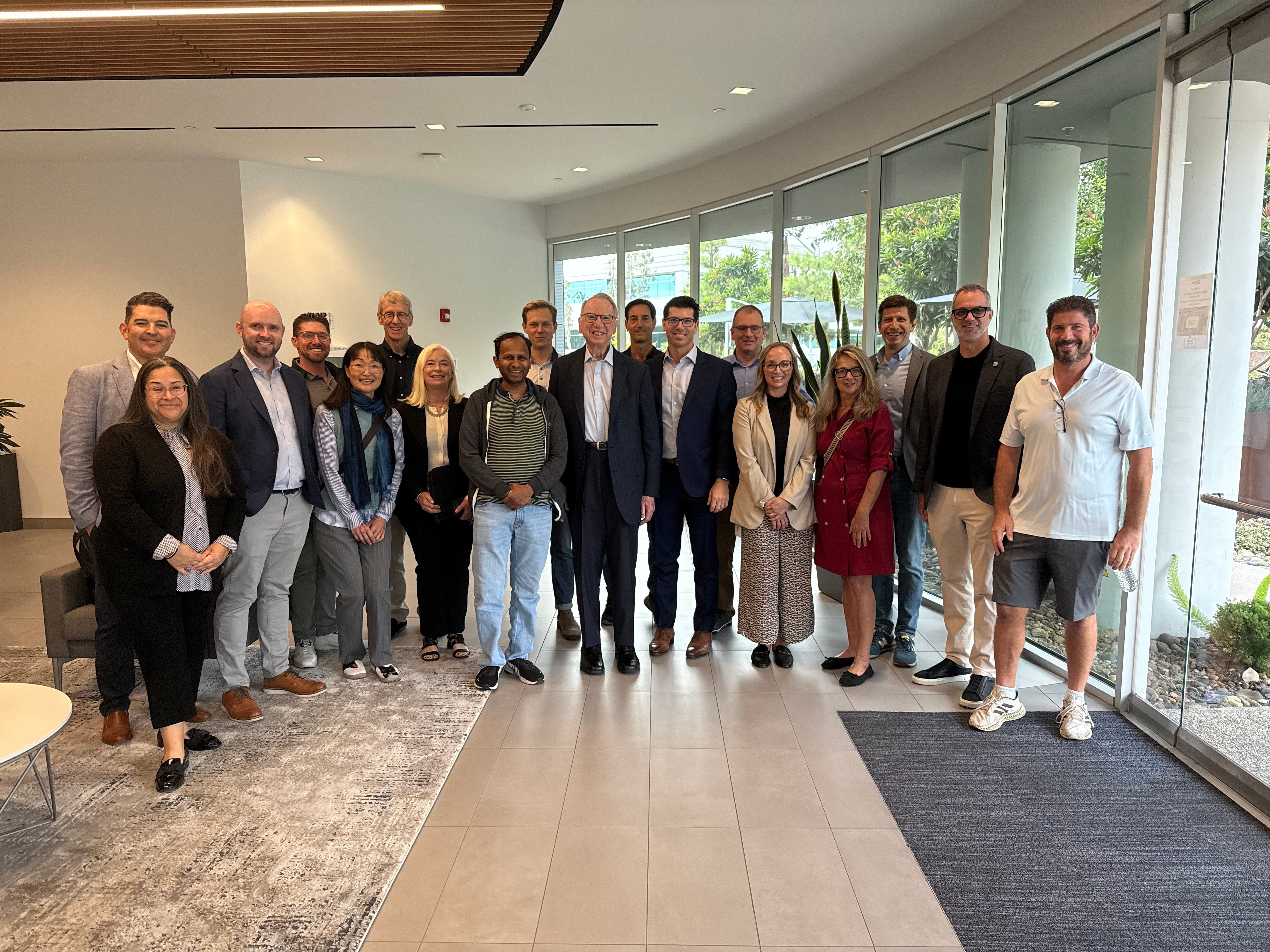
Xzōm is developing a platform that isolates and analyzes exosomes - tiny extracellular vesicles that carry signals from cells throughout the body. Their vision is ambitious: make early disease detection faster, less expensive, and ultimately accessible to far more people than today’s diagnostic workflows allow.
Rather than another boardroom presentation, the team opened the doors to their lab.
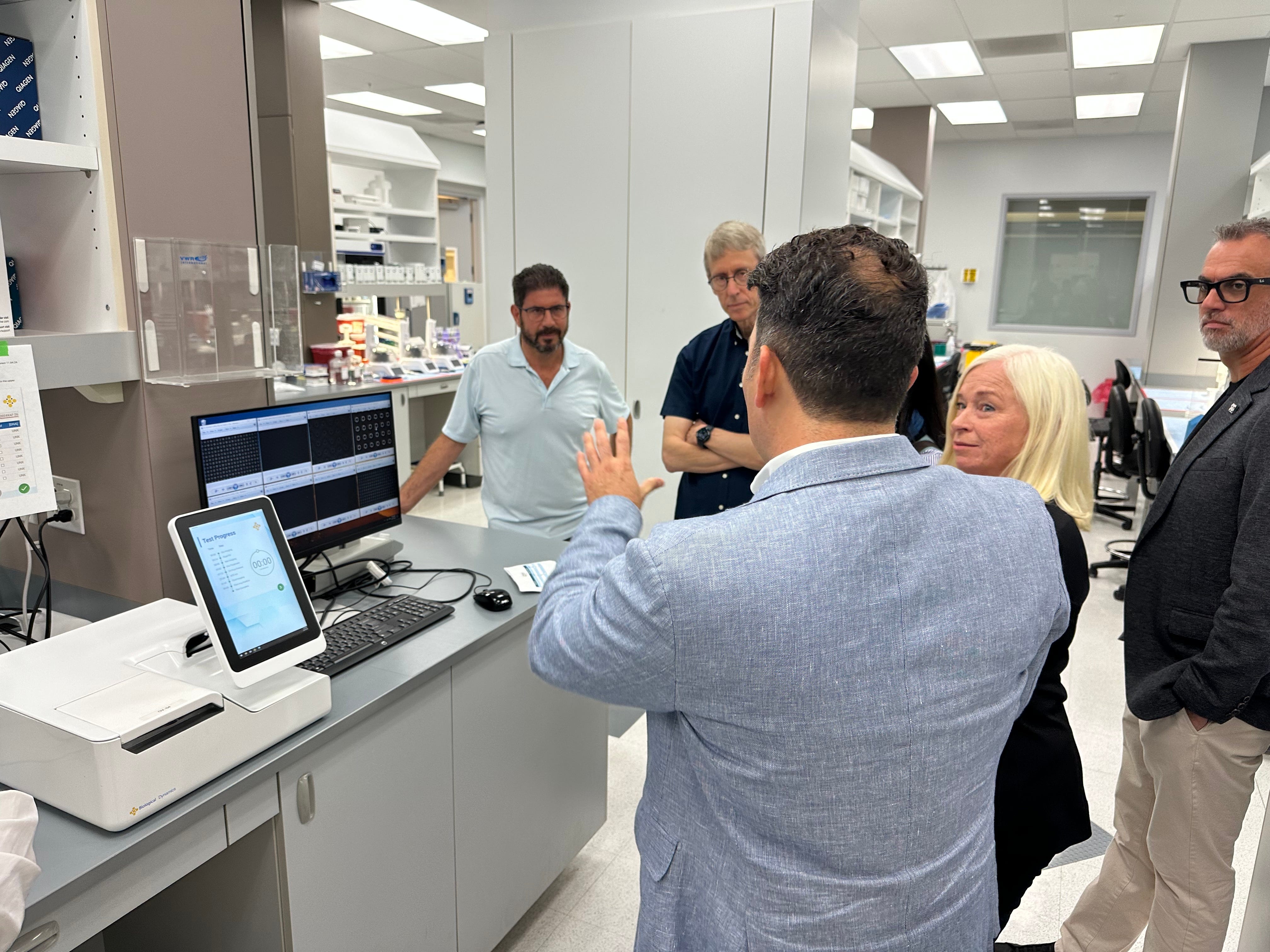
We watched blood samples loaded onto silicon biochips. We saw fluorescence images generated in real time. We learned how their platform combines exosome isolation and biomarker analysis into a single workflow that takes about 30 minutes instead of days.
The company shared early clinical data in pancreatic cancer showing strong performance on Stage 1 and Stage 2 patients - exactly the stage where earlier detection has the potential to make the greatest difference.
But what impressed me even more than the technology was the product strategy. The hardware stays largely the same. The value comes from the biology and chemistry running on top of it.
The team isn’t building a single diagnostic test.
They’re building a platform.
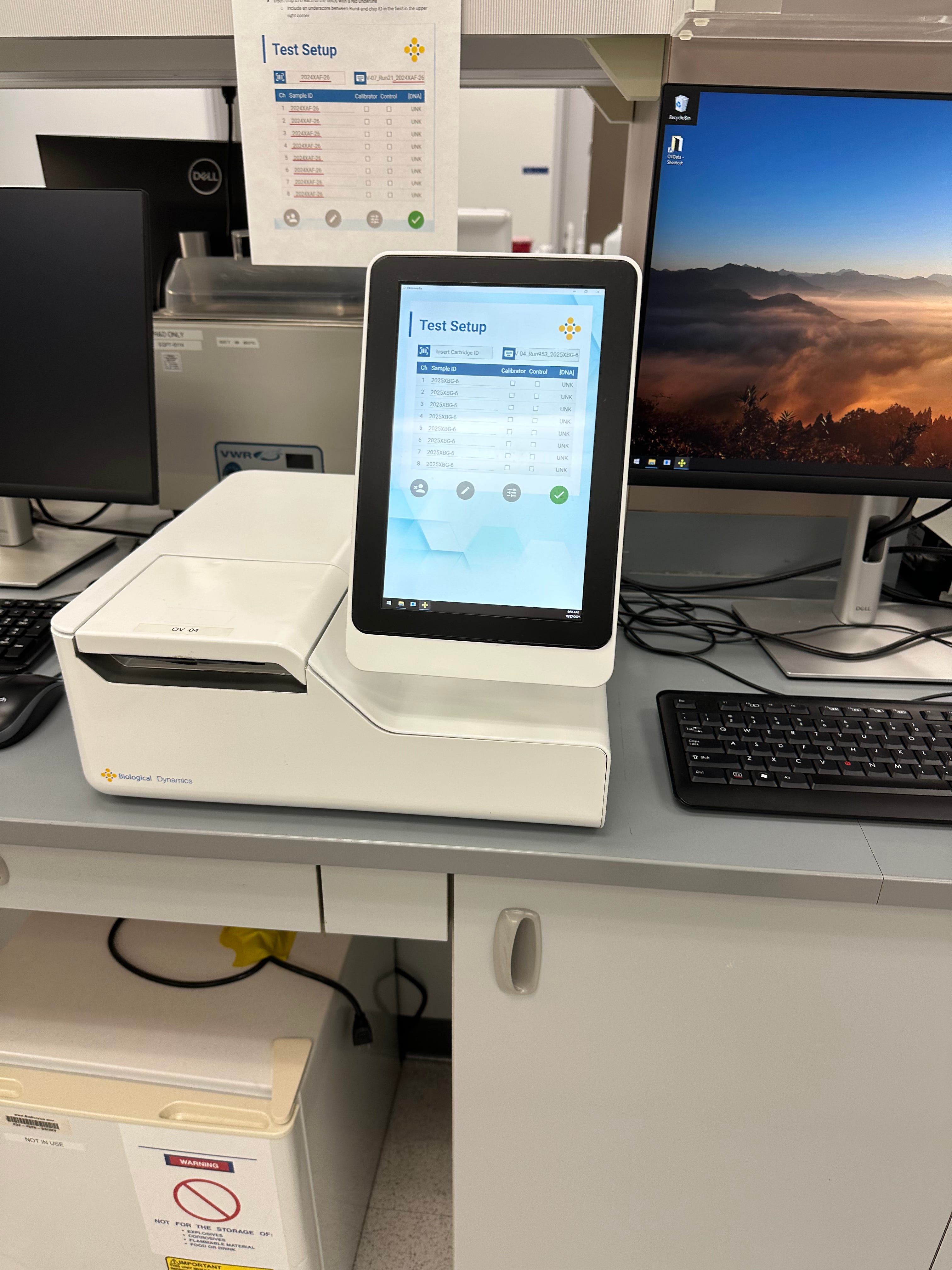
A platform where the same core device can support many different disease applications by changing the chemistry inside disposable cartridges. Infectious diseases today; cancer, neurological disease, and many other applications tomorrow. Researchers, healthcare systems, and diagnostics companies can all build on top of the same underlying technology.
It’s a model that feels much more like modern computing than traditional diagnostics.
Throughout the morning, the conversation naturally shifted from the science to commercialization.
How do you validate new biomarkers?
How do you partner with leading healthcare systems?
How do you build a recurring revenue model around consumables instead of expensive equipment?
How do you collect enough data to continually improve machine learning models while maintaining clinical rigor?
These are difficult questions, and Xzōm was refreshingly candid about both the opportunities and the work still ahead.
One thing became clear during the discussion: they’re looking for partners as much as they’re looking for customers.
Healthcare systems willing to run pilot programs.
Researchers pushing the frontier of exosome science.
Engineering talent that can help scale the software and data infrastructure.
Strategic investors who understand the long commercialization cycles that breakthrough medical technologies require.
That led to one of my favorite parts of the day.
As the formal presentation ended, the room stopped feeling like an investor meeting.
Instead, it became a working session.
One person began discussing software architecture and data capture.
Another started brainstorming introductions to healthcare systems.
Diagnostics veterans compared notes on commercialization strategies.
Others talked through regulatory pathways, research collaborations, and potential Series A investors.
Nobody had been assigned homework.
People simply recognized where they could help.
This is one of the reasons I enjoy bringing investors into companies like Xzōm.
A cap table can be much more than a list of names on a spreadsheet.
It can become a community of operators, engineers, physicians, founders, scientists, and executives who have spent decades solving adjacent problems. Sometimes the most valuable outcome isn’t another meeting—it’s two people discovering they should have known each other years ago.
The science inside Xzōm’s lab was impressive.
The conversations that followed gave me even more confidence.
Early-stage investing is often described as betting on founders before the rest of the world sees what they see.
Sometimes, though, it’s also about giving those founders a room full of people who genuinely want to help them succeed.
I’m excited to be a part of what the Xzōm team builds over the next few years.
If they execute on the vision they shared with us, the impact won’t just be another successful startup.
It could fundamentally change how we think about detecting disease before it’s too late.
No posts
Comments
Nothing yet. Say the first thing.
Sign in to join the conversation.