
It’s true. One week is never enough. If we’d had longer then yes, I might well have ventured up into the hills and forests in search of rarer and more diverse species. The Dominican Republic is a big country when compared to some of the tiny but lovely island nations that dot the Caribbean. But this was a week for my daughters and me to relax and unwind after so many busy months of working. Yet even within a short distance from - and even within the grounds of - our beach hotel there was plenty to see.
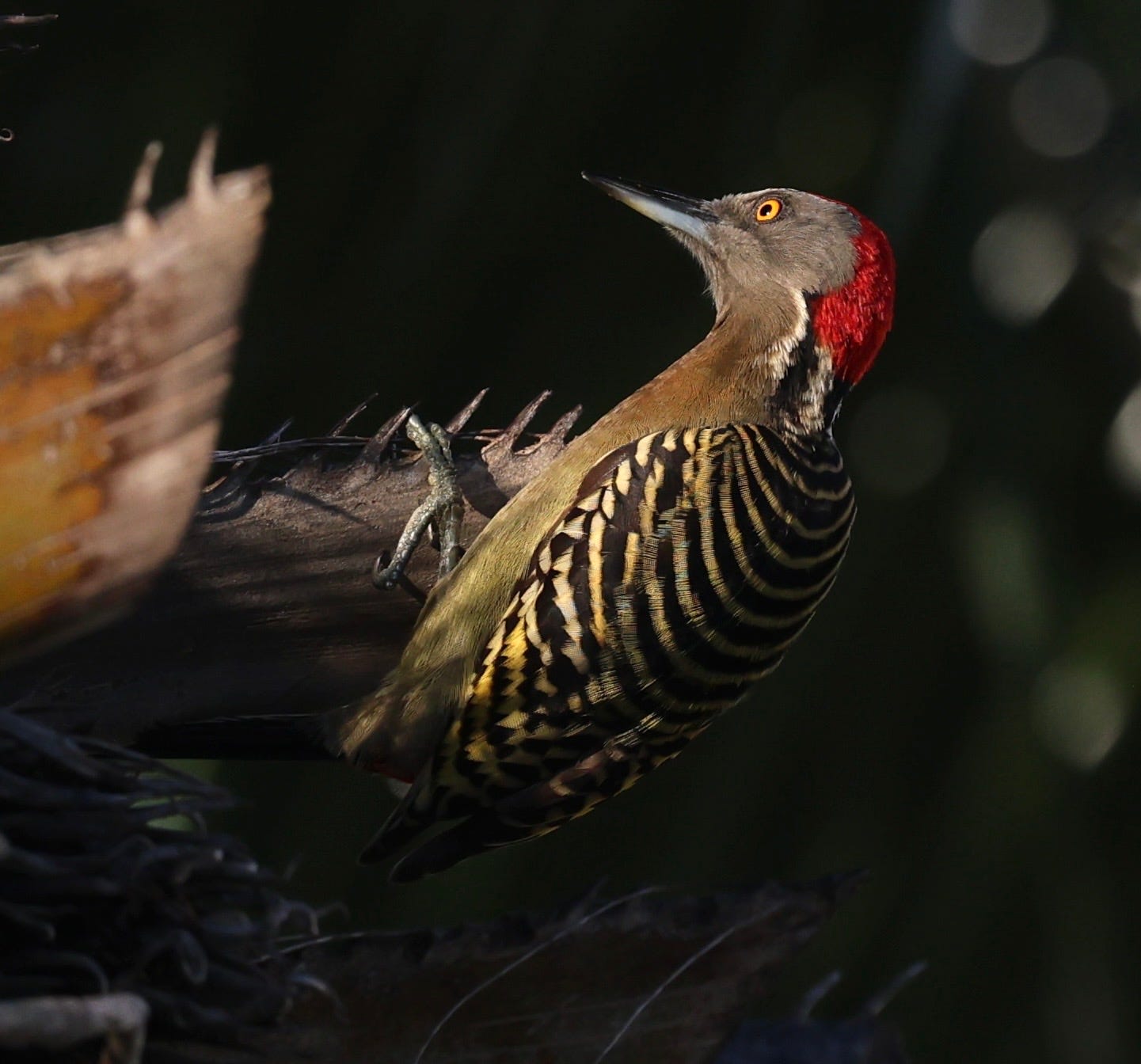
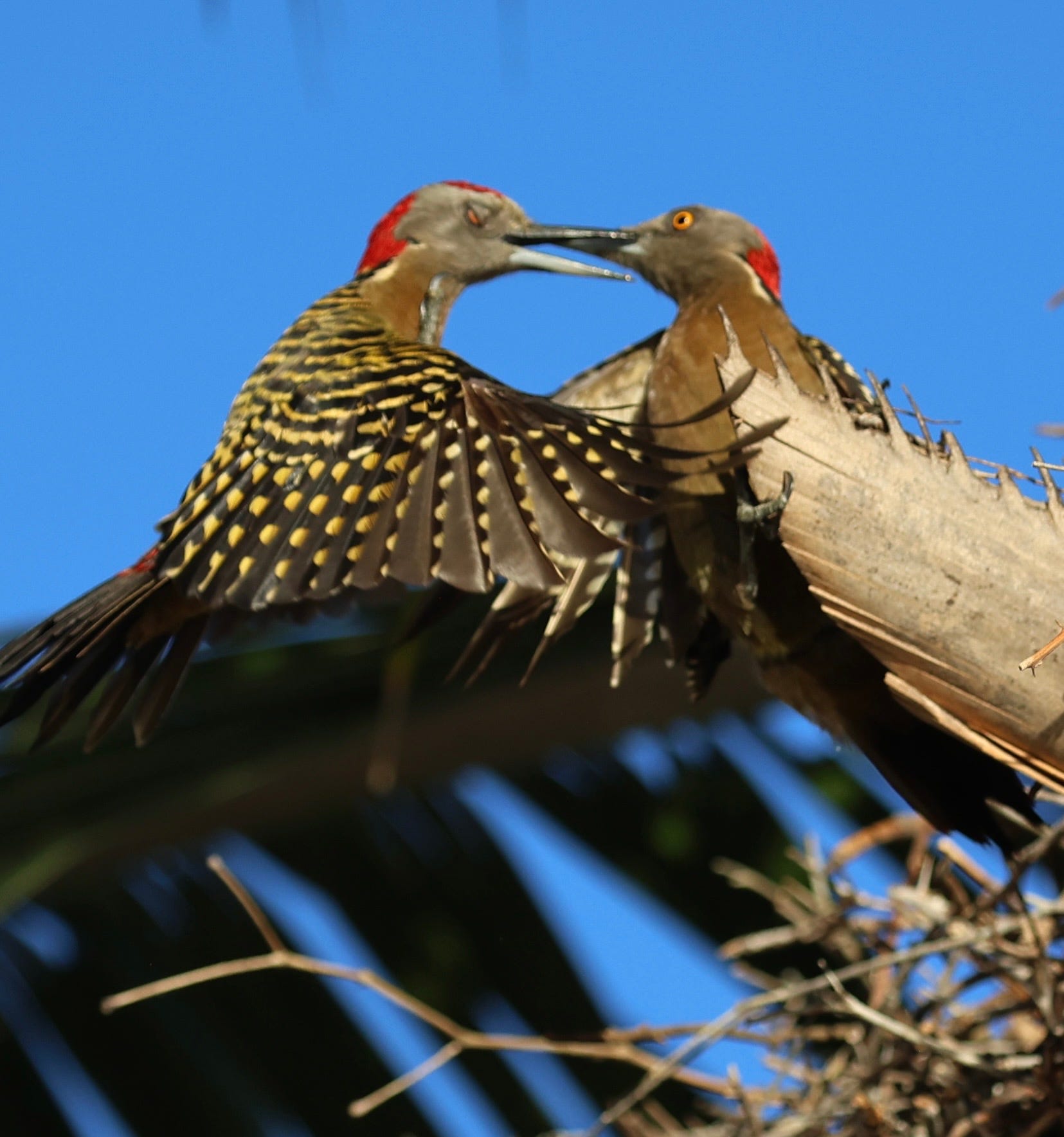
Hispaniolan Woodpeckers - Melanerpes striatus - a species endemic to the island that comprises Haiti to the west and Dominican Republic to the east, were not just abundant but delightfully bold. On the mornings when we got up at sunrise we would pass these wonderfully colourful birds just feet away as they pecked away at the trunks of palm trees, often squabbling for space.
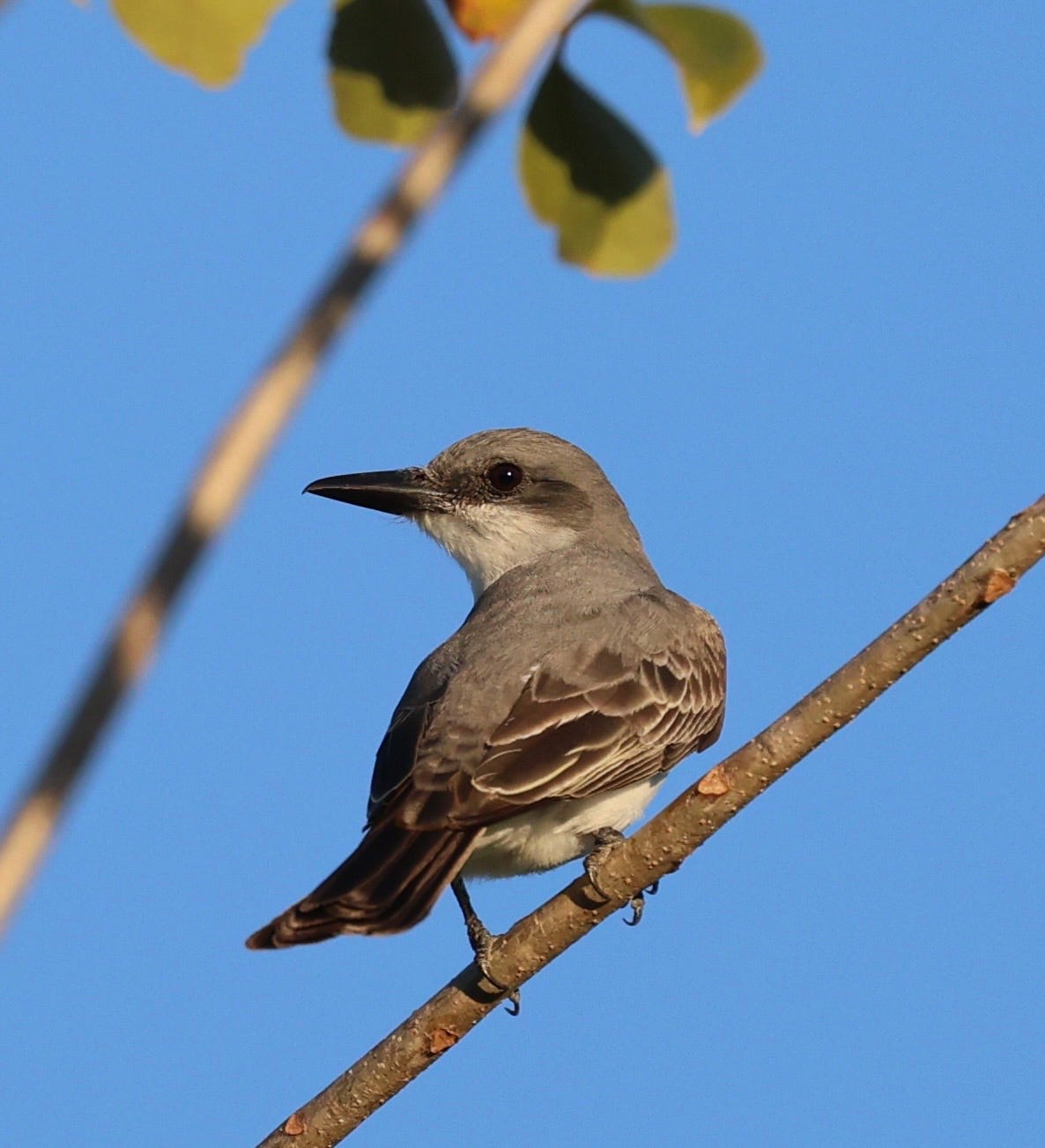
Up in the air, the tiny Antillean Palm-swifts were too quick for my camera but one of the noisiest birds that was everywhere was the Grey Kingbird.
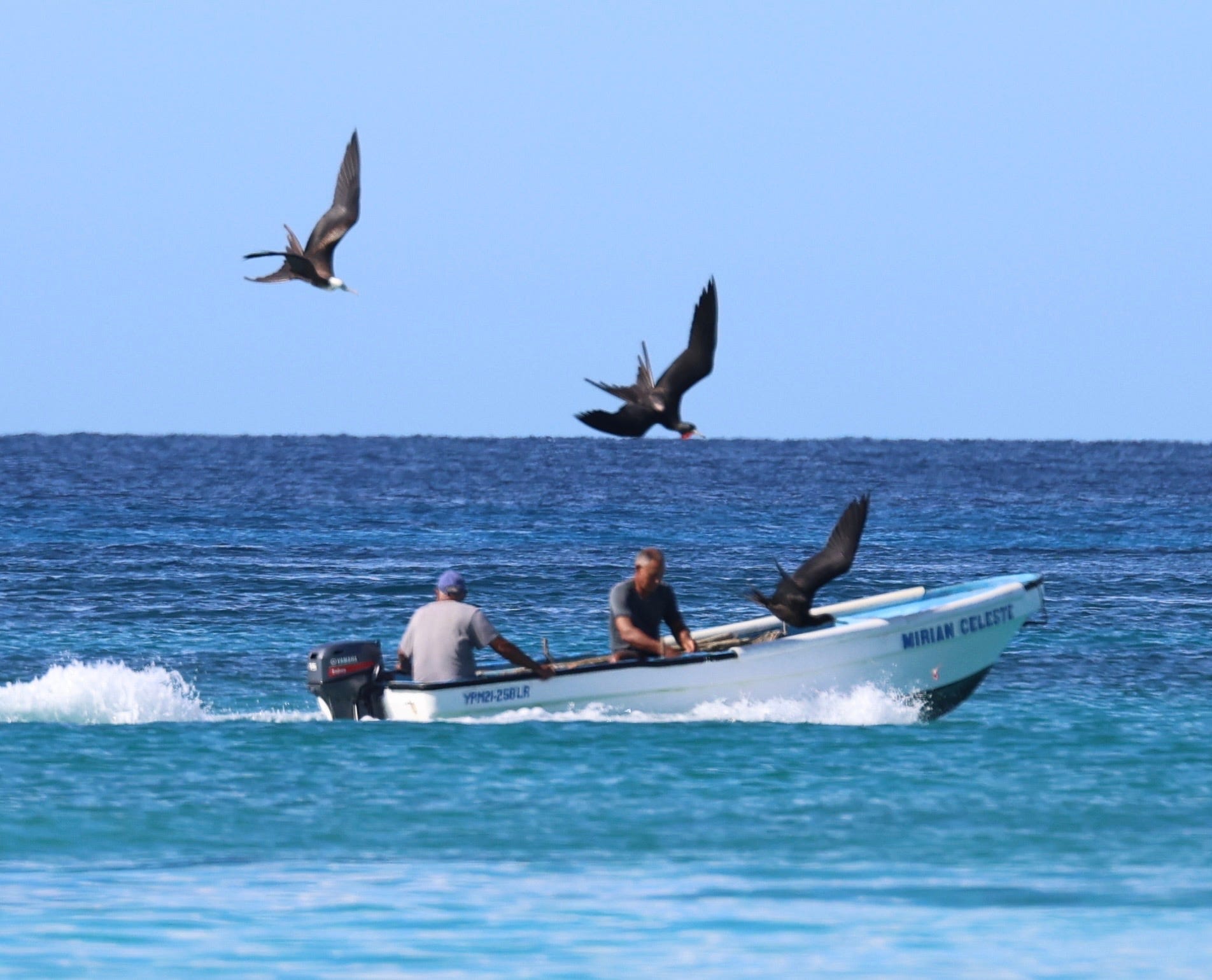
Out to sea and just offshore were the Magnificent Frigatebirds - that is their actual name - Fregata magnificens. Mostly they would soar majestically, high above the waves. But when fishermen passed by with a boat full of fish they were fearless in dive-bombing the boat to steal whatever they could.
A single, solitary Royal Tern sometimes sat on a buoy just yards from the beach, oblivious to people who swam right past it. High above, soaring on black wings, were the Turkey Vultures, which Americans for some reason call ‘buzzards’.
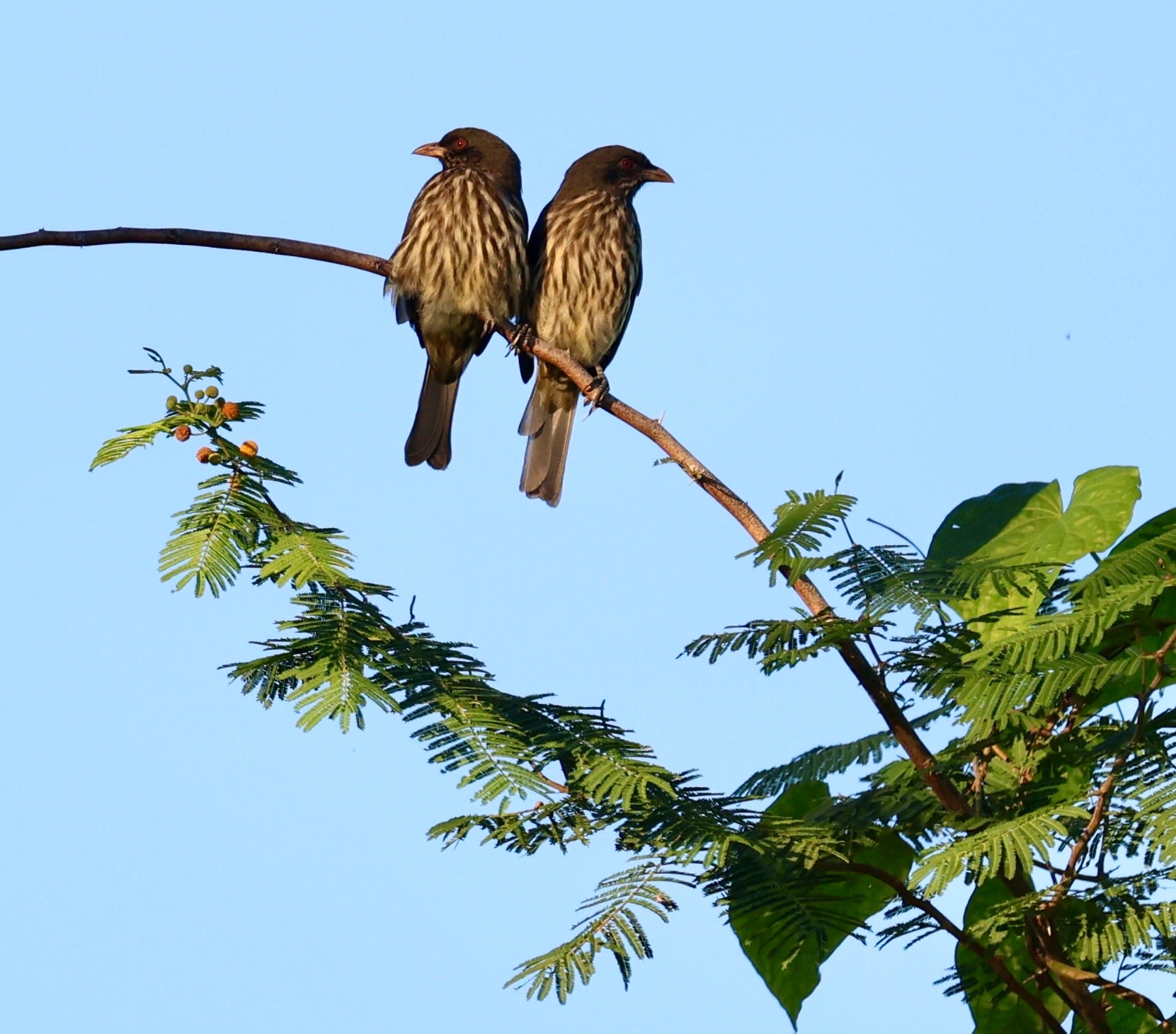
Palmchats were the other noisy, abundant species, operating sometimes in pairs, sometimes in flocks, but always with a lot to say.
The one bird that was conspicuously absent was hummingbirds. I did catch one fleeting glimpse of one of them, an Antillean Mango, but there just weren’t the flowers or the feeders to attract them in the way Tobago does.
However, a quick stroll down the backroad behind the hotel soon revealed other treasures: around a dozen different butterflies, including several I couldn’t identify.
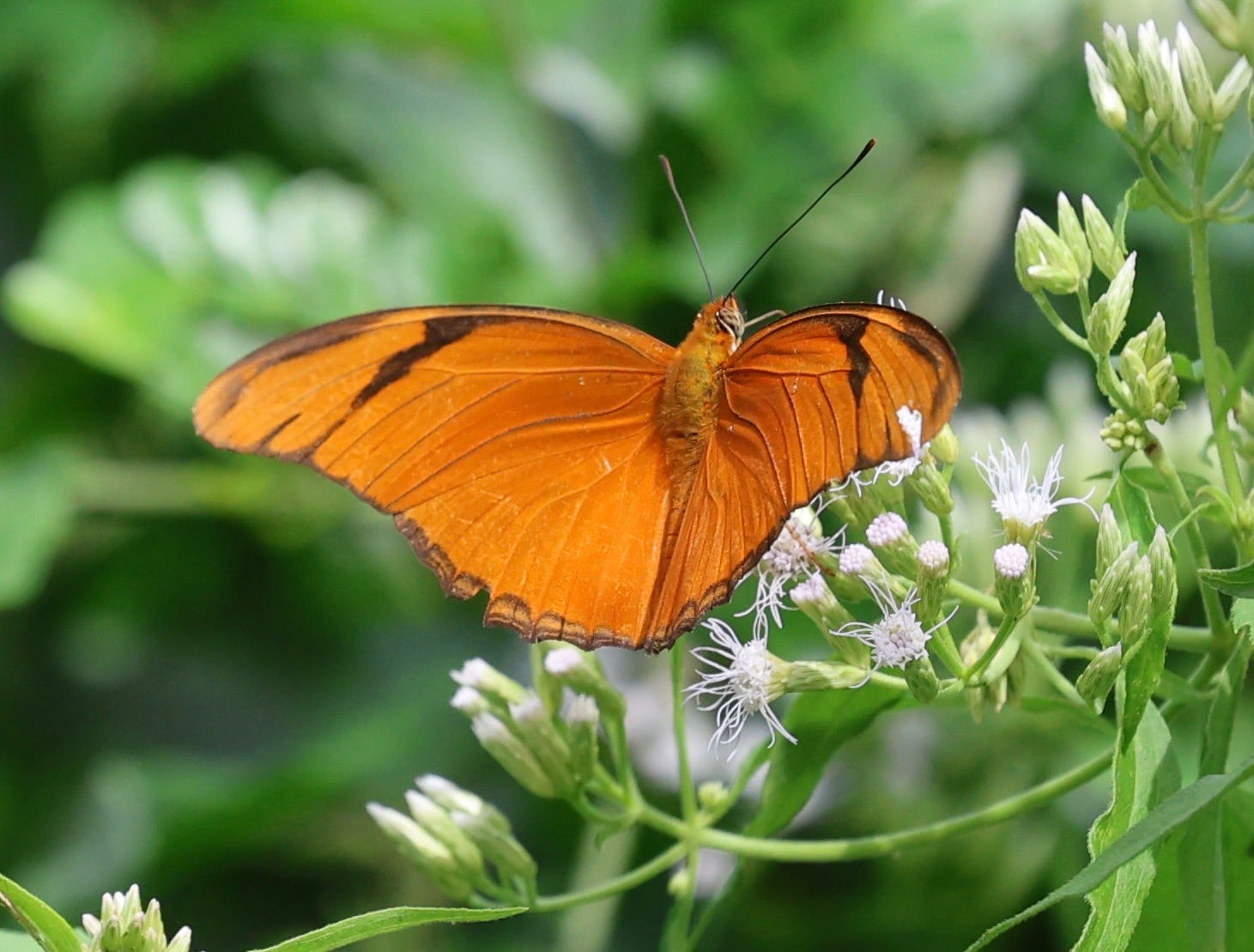
Great orange-coloured Julia Heliconians and Zebra Longwings were everywhere, especially on a plant called Blue mistflower.
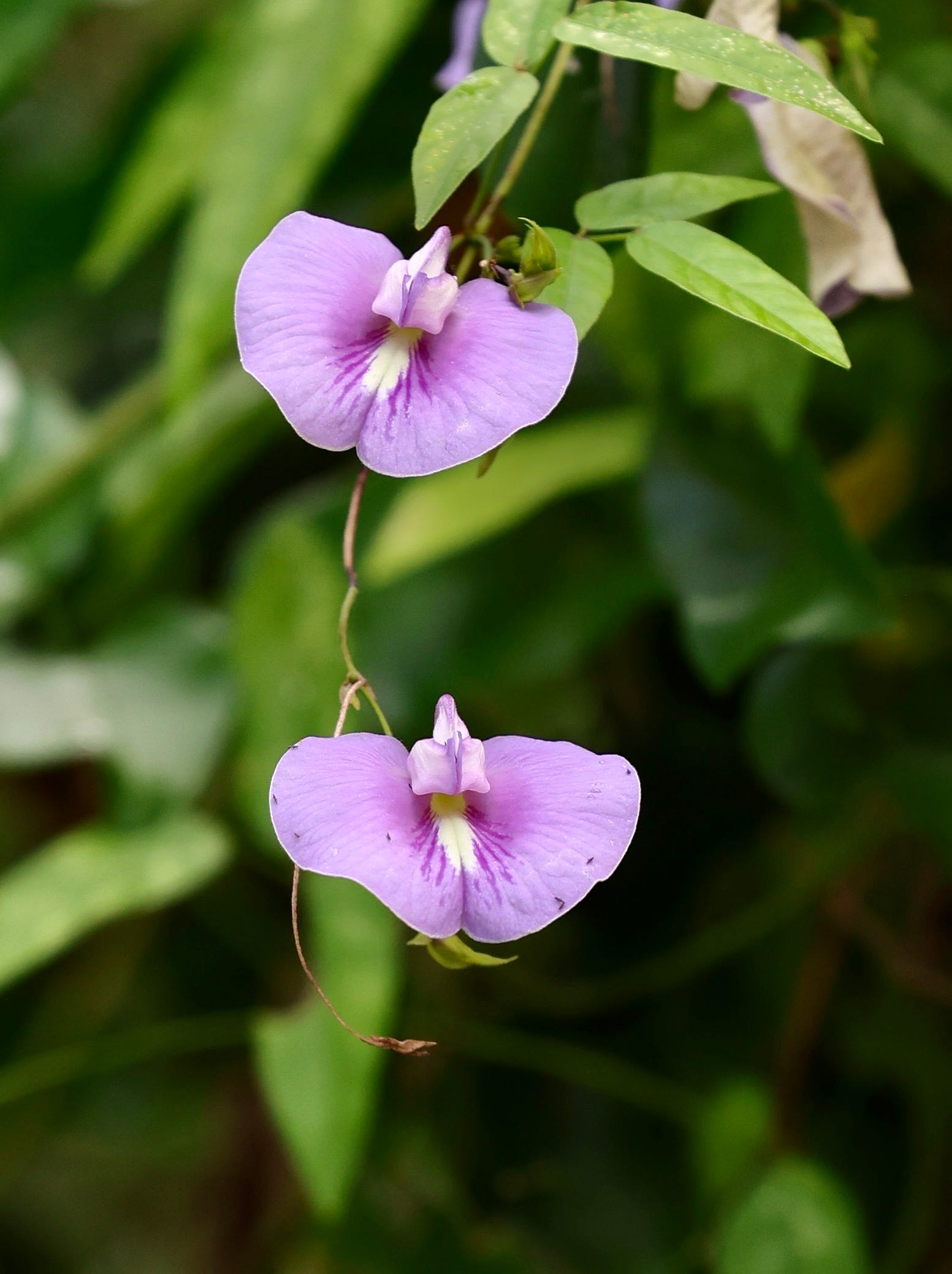
One of the more attractive plants was this purple-coloured Spurred butterfly pea. This in turn attracted Bananaquits, a bird that’s ubiquitous all over the Caribbean.
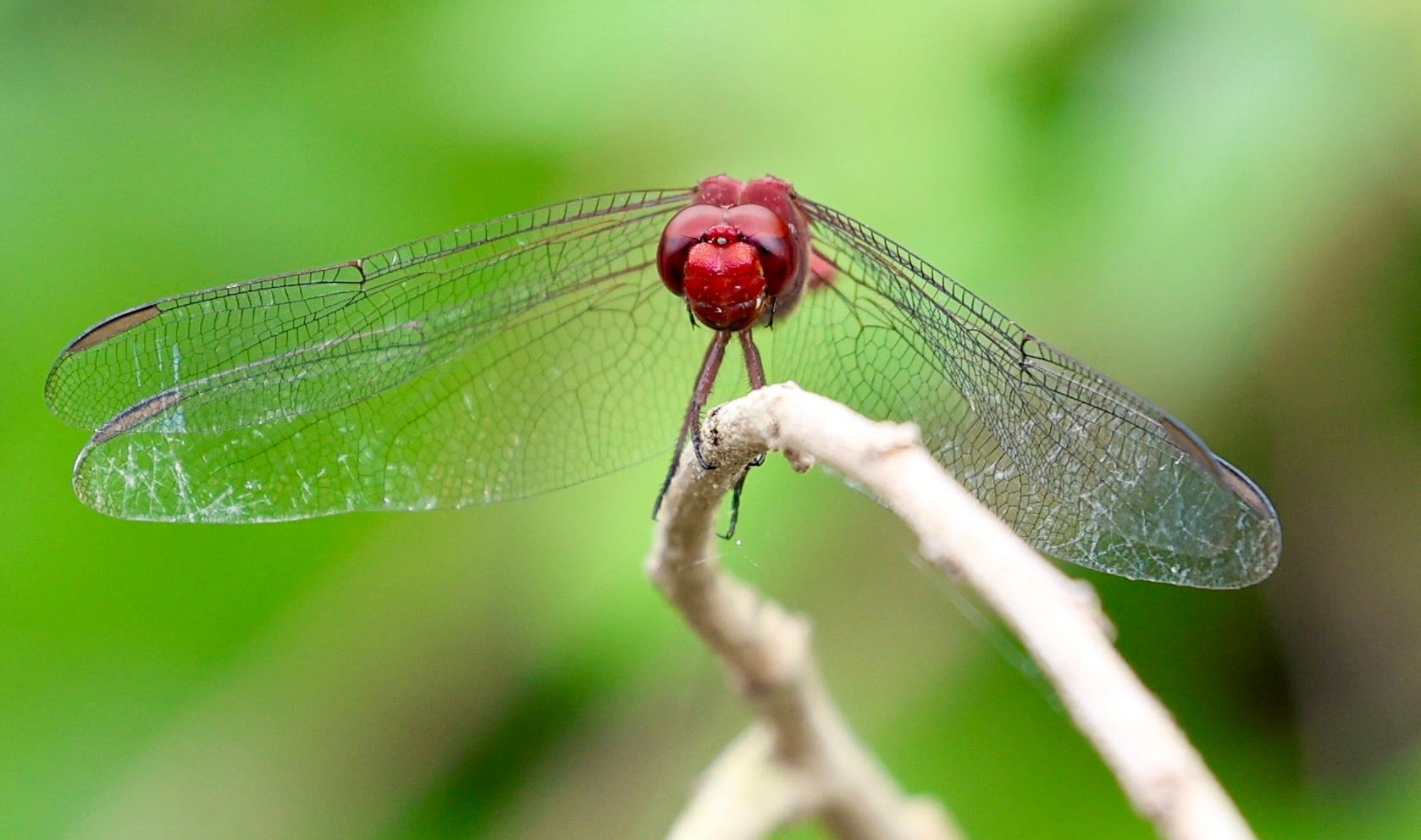
Dragonflies, at first, were nowhere to be seen. But then it rained and soon after I found a shallow ditch filled with rainwater where these bright scarlet Roseate Skimmers were competing with Black-banded Dragonlets. The next morning the water was all gone and so were the dragonflies.
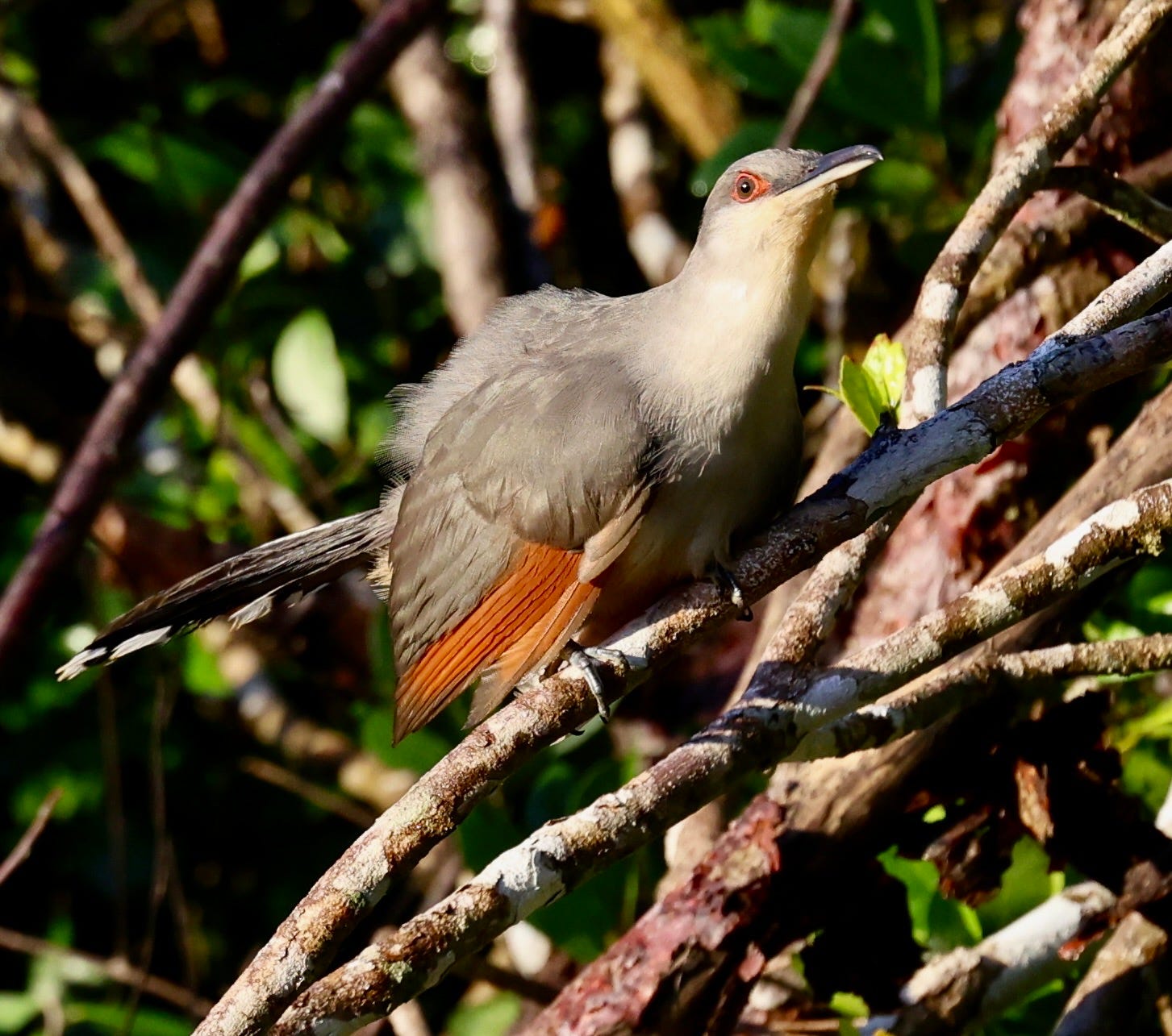
So what was the highlight, nature-wise? For me, it had to be what I found on almost our last day. At first I mistook this pair for Mangrove Cuckoos, which are common in many countries. But no, these were Hispaniolan Lizard-Cuckoos, which is about as niche as it gets. It was another species endemic and therefore unique to the island and one that has taken my world bird list up to close to two thousand!
No posts
Comments
Nothing yet. Say the first thing.
Sign in to join the conversation.