
How to birdwatch in the Middle East
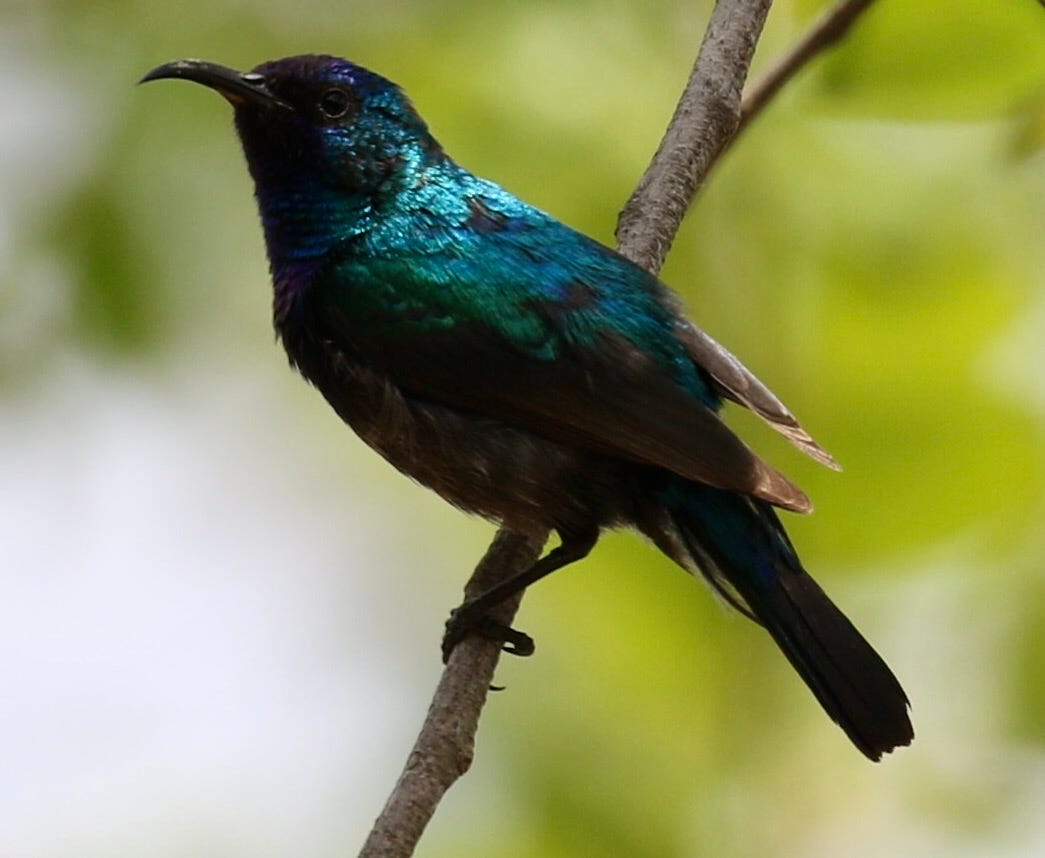
I was a late convert to birdwatching in the Middle East, but I’d like to think I’ve made up for it since. It was in Bahrain, a tiny but surprisingly bird-rich nation, that I rediscovered my passion for this hobby, with such gems as Golden Oriole and European Roller passing through on migration. Since then, I have been lucky enough to get the binoculars - and the camera - out in such varied places as Saddam Hussein’s palace in Basra, the verdant Asir Mountains in Saudi Arabia and the glamorous surroundings of the Aden Refuse Canal in Yemen.
So how to go about birdwatching in the Middle East? First off, the obvious: whether you are on foot or in a vehicle, take plenty of water - at least 3 litres for a day. You’ll need a hat - a baseball cap will do - plenty of sun cream lathered on and a pair of sunglasses to cope with the glare.
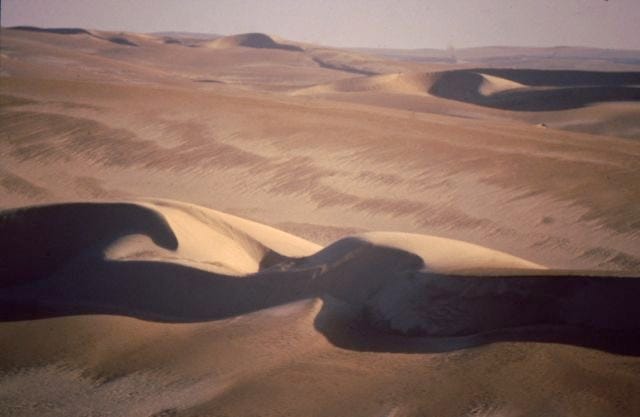
But it would be a mistake to think the Middle East is all desert and rock, like in the picture above. Birds, like humans, need water and sustenance, so they tend to gather where there is water. This makes the region in some ways an easier place to birdwatch in than say, tropical jungles, where I have spent many a frustrating hour peering through dense foliage, trying to catch a glimpse of some elusive species in partial gloom caused by the rainforest canopy overhead. Instead, the light in the Middle East is often superb for photography but nearly always best in the early morning or late afternoon for that ‘golden hour’ effect.
So it’s important to time your trip correctly to catch the best light and preferably take someone with you who knows where they’re going. If you are driving into the desert wilderness it’s best to be in at least two vehicles and always tell someone back home exactly where you’re going and when you expect to be back. Make sure your phone has plenty of battery and there’s a full tank of fuel.
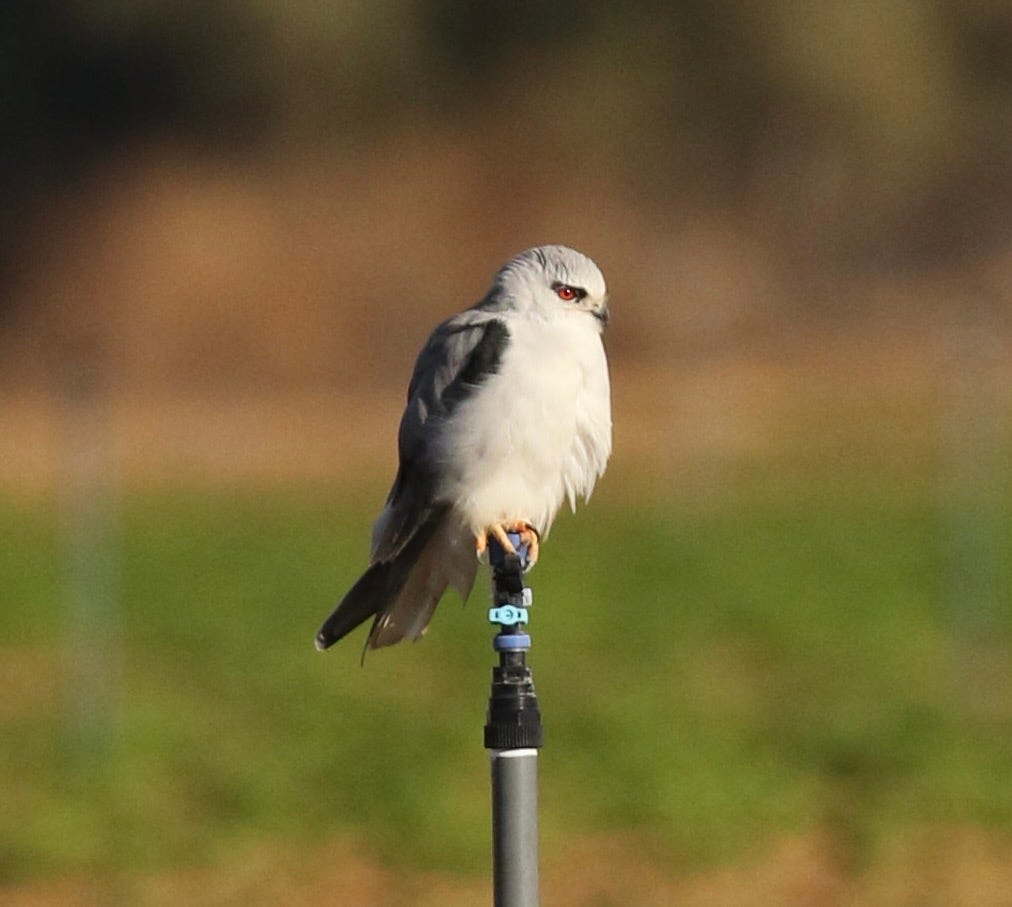
One area where the Middle East is something of a special case is permission and permits. There are very few designated nature reserves like we have in Britain. Instead you will sometimes have to seek permission to go into say, someone’s farm or private land. Birdwatching in Saudi Arabia has occasionally been a hazardous occupation for me. In some of the wilder, more remote parts of the country, a westerner with binoculars is liable to be suspected of being ‘a spy’ and probably an American or Israeli spy too. So I would often approach the nearest police or National Guard post and tell them in Arabic exactly what I was up to so there would be no misunderstanding. I have invariably found them to be helpful after that.
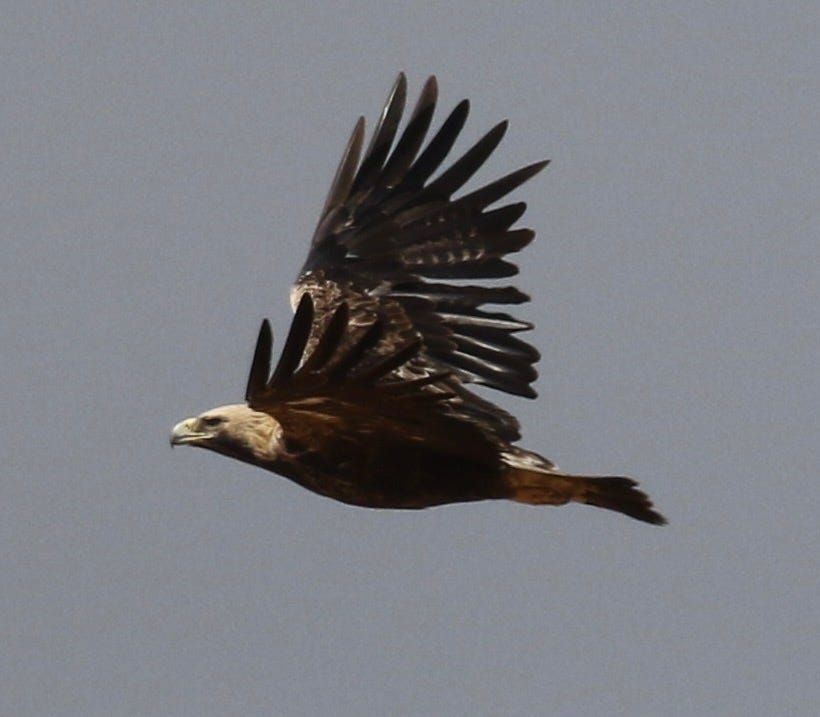
Finally, and I know this might sound obvious, but do be careful where you point your binoculars or camera. If you are anywhere near any sensitive government buildings then it’s best to just put everything away to be on the safe side. And in the Arab world never photograph anyone - especially women - without their permission.
Happy birdwatching!
No posts
Comments
Nothing yet. Say the first thing.
Sign in to join the conversation.