
One of my friends is a big superhero fan. He watches all the new releases in the cinema and knows all the Marvel characters well, alongside other cinematic universities. That’s why I’ll often ask him what he thinks about a new superhero trailer (think Doomsday and Brand New Day) or the latest addition to the MCU. It’s because I trust him with his reviews of superhero movies because he holds this genuine appreciation for them. He’s a fan so I know he understands the purpose of superhero movies, which I’ve often failed to grasp, to my dismay.
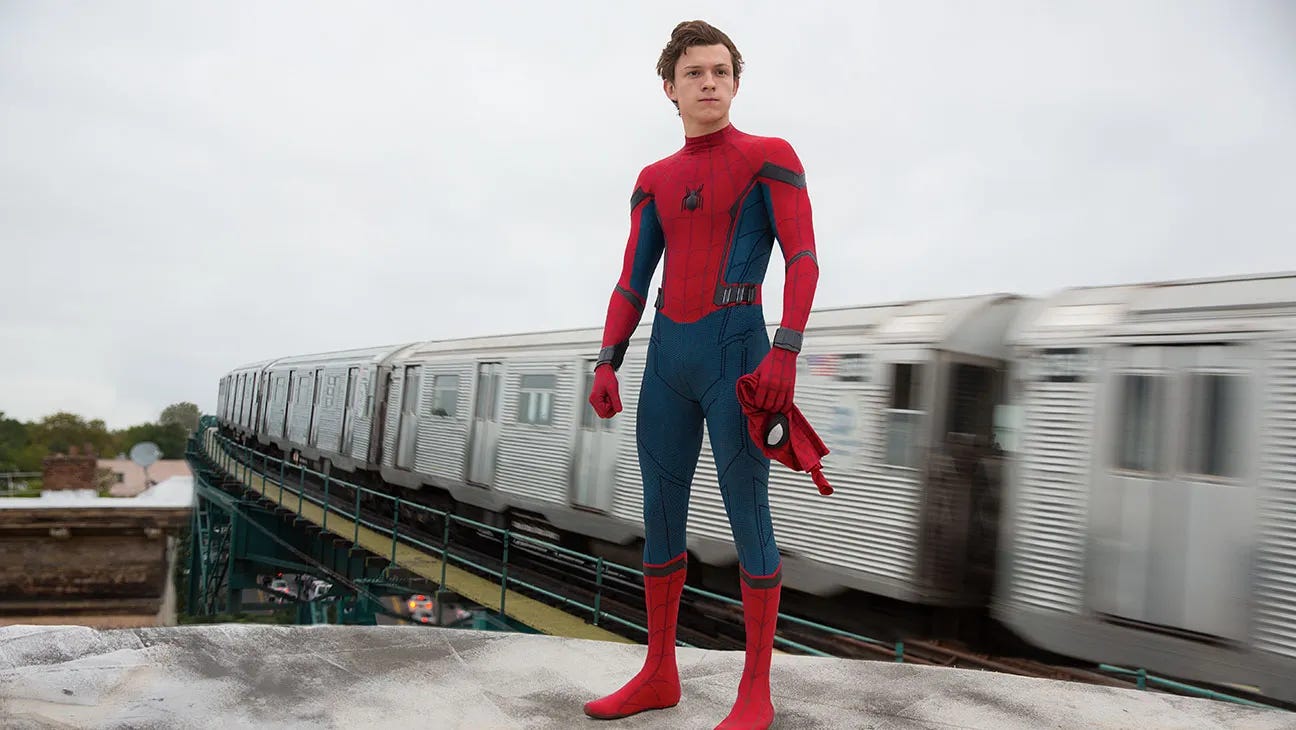
During a recent heated debate—or perhaps even an argument—about Spider-Man: Homecoming, I told him that I’m not the right person to review superhero movies (or action movies in general) because I simply don’t appreciate them. While I conceptually comprehend why people enjoy and connect with these movies, I don’t experience that connection myself for whatever reason. I have personal taste in film, just like people have taste in foods. It’d be a terrible idea to ask one of my friends who hates coffee to tell me what they think about a blend I just bought. Of course they’re going to hate it. That’s the way I am with superhero movies. I just don’t like them. Therefore, it wouldn’t be fair for me to write criticism on them.
But… why? Why do I not like superhero movies? After increasingly heated discussions and arguments with my friends, I decided to interrogate my own taste to determine the reasons behind my feeling.
First, I needed to understand what made a film exceptional by my standards. I looked at my Letterboxd top four (Aftersun, Raging Bull, Fight Club, Sentimental Value). Each of them is either dark or sad or both. But just because a movie is sad doesn’t mean I’ll like it or it’ll be a favorite. There are plenty of movies that I love that are happy and hopeful and joyous so I knew it couldn’t be because of just the shape of the emotion.
Perhaps it’s more about the intensity and realism of the emotions rather than idea of the emotions themselves. All my favorite movies have dialed up the realism. They feel like something that could or could’ve happened in the real world that I reside in. But many of my favorite films include some sort of dream sequence or Lynchian psychological spiraling, so I also cannot reduce the reasoning behind my taste to mere realism.
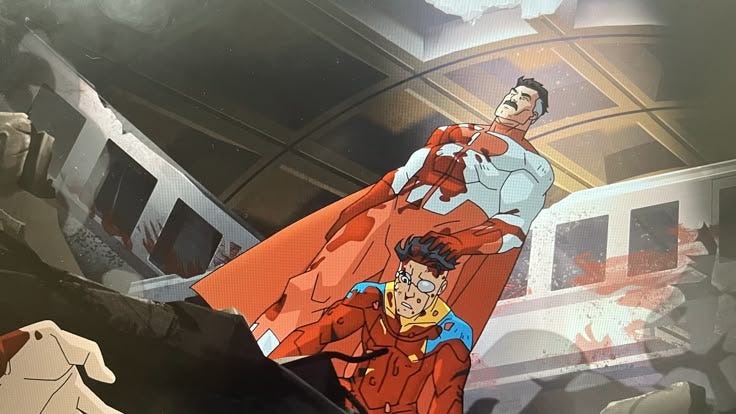
For me, it’s much more about the nature of the realism. Does it feel genuinely terrifying or disturbing or does it register as comic-book turned live action? For instance, I’ve really enjoyed watching Invincible, even though it’s a superhero show. I think this is because the parts that aren’t realistic don’t feel like animated action but real, brutal, and raw violence. It doesn’t feel glamorized or stylized in the same way that I’ve found Marvel movies to be: there’s an uncomfortable amount of blood and flesh. To summarize it, if something is going to be unrealistic in a film, I want it to match the thematic register of what the unrealistic elements would look like if they somehow did exist. The only way to get me to suspend my disbelief, albeit partially, is when make it feel as believable as possible. Marvel movies simply haven’t done that for me.
Movies without that form of realism pose a barrier to establishing that emotional connection that my enjoyment hinges on. It is not whether the characters are feeling anything: that is practically universal. It is whether the film can convincingly bridge the divide between fiction and reality—character and viewer—allowing me to vicariously experience the characters feelings as if I were them. This interspatial connection is what makes a film truly shine in my book.
With a movie such as Spider-Man: Homecoming (2017), I notice that Peter Parker is feeling emotions. That’s a fact. No one can debate that. What you can debate is whether you feel those emotions. Do the emotions get to you?
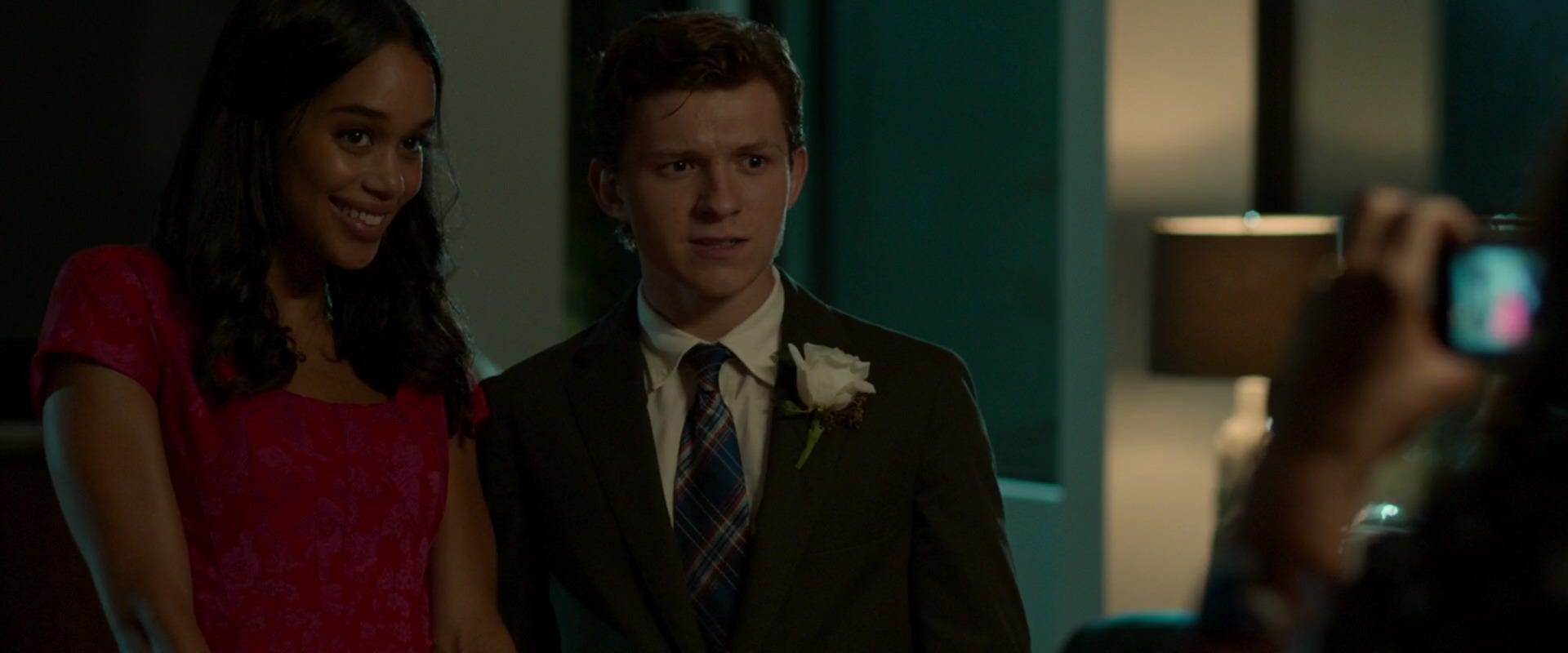
For me, the answer is yes, but with a big caveat: only at first. In the scenes where it was just Peter Parker—no suit, no Spider-Man, no web shooting—I felt connected. I relate to the issues that he experiences. I told my friend that the whole romance vs hero plot with Liz was actually quite compelling. I’d go as far as to say that his character was exceptionally compelling. Objectively speaking, Peter’s a well-done character but I’m not the same goes for Spider-Man, at least when it’s checked against my standards.
Nonetheless, despite my connection to him, that bridge crumbled as soon as the movie turned into what felt like a montage of action sequences that I didn’t particularly enjoy. It was a breach of that realism that I cherish. The realism that acts as the vehicle that allows me to feel for the characters. Of course, I understand the superheroes are the main element of superhero movies. It’s in the name. However, because of how my brain and personal preferences prioritize realism, I’m not sure if I’ll be able to move past the façade of a superhero costume to feel like they are a real character that I could interact with on the street.
I’ve found that superhero movies often replace raw and brutal violent stakes with a kind of romanticized comic book violence. I can get past the issue of realism—as long as the unrealistic elements don’t emotionally land as animated.
No posts
Comments
Nothing yet. Say the first thing.
Sign in to join the conversation.