
The period from the first talkie The Jazz Singer (1927) to the enforcement of the Hays Code in July 1934 yielded some of the most interesting pieces of cinema because there was both dialogue and a lack of heavy censorship. Design for Living (1933) is exactly like this. It’s a romcom yet not sanitized like the romances that would come later.
To be completely honest, Design for Living is hilarious. The premise itself is amusing. It follows two men—already friends—who fall in love with the same woman. Gilda, the women, cannot decide between the two men, who are fighting over her so she lets both move in with her.

First and foremost, this film was novel for its time because of its raw portrayal of female sexual desire. In fact, scholar Rick McCormick describes it as “the most radical sexual triangle of any Lubitsch film” (McCormick 203). In Design for Living, Gilda has her autonomy and choice. While 1930s society would label her promiscuous, the film doesn’t do that. It just shows her to be a woman grappling with her desire and attraction to two separate men. It makes you wonder: if the Hays Code was never installed, would film have better explored female desire?
Design for Living rejected values that were held close to American culture:
“The number of sacred cows gaily demolished by the film—premarital virginity, fidelity, monogamy, marriage, and finally, the one article of even bohemian faith, the exclusive, one-to-one lover relationship—is staggering.”
— Molly Haskell (McCormick 227-8).
Design for Living is much more impressive than many modern romcoms because of how bravely it defies society’s standards. Even today, nearly a century later, it still feels risqué and bold. It insults the values of fidelity and monogamy that we still hold dear today. For art that is meant to bend standards, it is quite impressive when it still succeeds in that goal many years later.
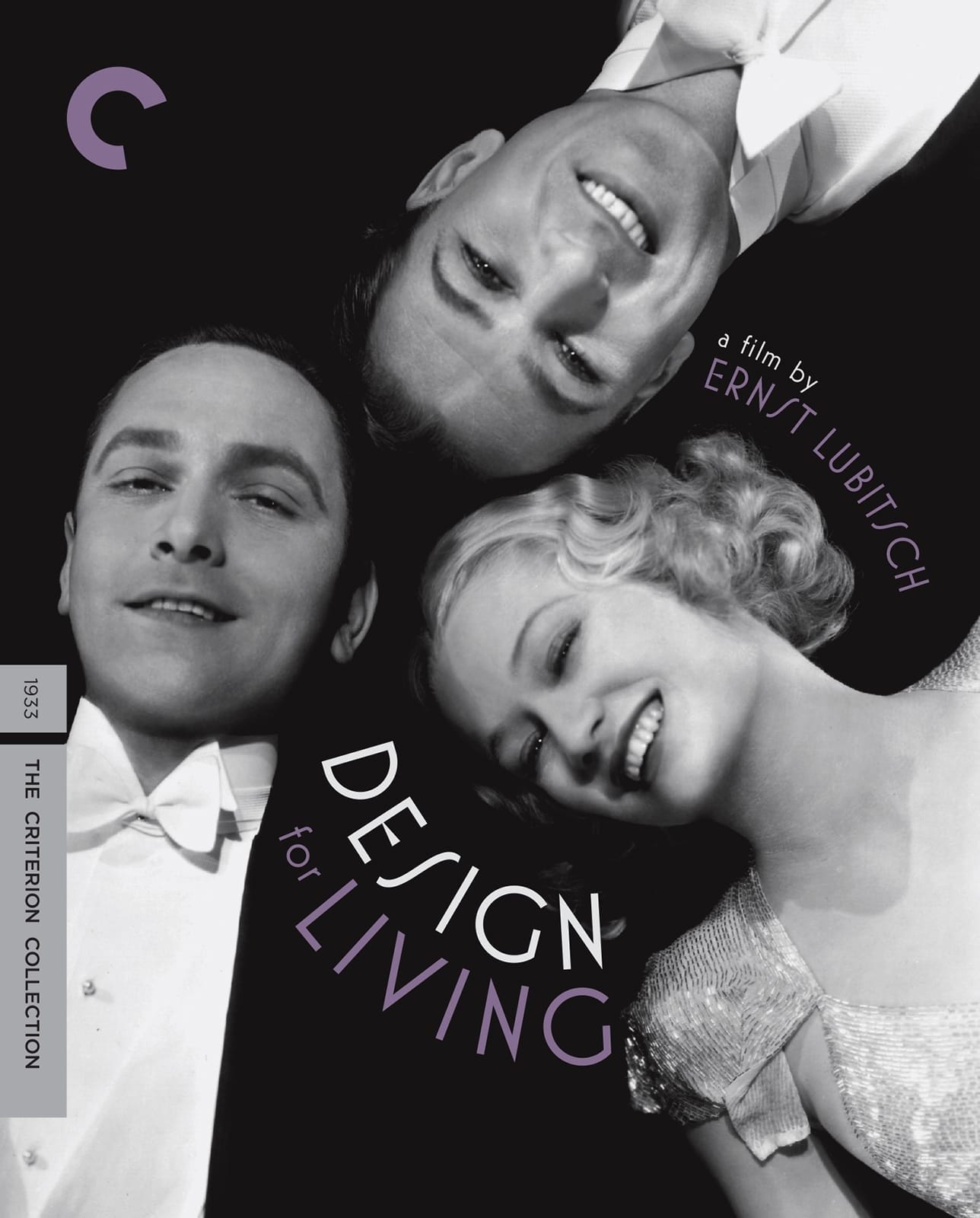
While Design for Living was critically acclaimed whatsoever when it was released, likely because of its incredibly edgy content, it received recognition when it was added to the Criterion Collection in 2011. I’m glad that we live in a time when Design for Living can be appreciated. You don’t necessarily have to agree with it, but you can at least understand that it represents our relative lack of industry censorship: namely, the Hays Code.
This article cites Rick McCormick’s Sex, Politics, and Comedy: The Transnational Cinema of Ernst Lubitsch, accessible via JSTOR.
No posts
Comments
Nothing yet. Say the first thing.
Sign in to join the conversation.