
Biosecurity is one of the most significant national security threats we face, and AI is likely to increase that risk.
The Covid-19 pandemic was a painful reminder of the huge biosecurity risk that has always been present, but for which we were poorly prepared. Beyond the tragedy of 167,000 excess deaths and 1.1 million hospital admissions between 2020-2023, GDP also fell by 10% in 2020 alone. The direct fiscal response cost the UK c. £380bn, sending debt as a proportion of GDP up c. 17% on pre-pandemic levels, from which it still hasn’t recovered.
As we grapple with how to better prepare for biosecurity risk, we should expect this risk to rise as AI capabilities improve. The ability for frontier AI to be used to create novel pathogens has been widely covered. Many great teams are working towards limiting this risk. The recent Cambridge research report on Boko Haram’s use of LLMs in terrorist activities, from how to retrofit a motorbike to jump trenches to working on explosives directly, is a useful reminder of how these capabilities might empower bad actors. We should assume the same will be true of biological capabilities.
The question is: how should we best prepare to manage this growing biosecurity risk? The Cabinet Office’s UK Biosecurity Strategy is a good starting point: it breaks down the necessary interventions into Understand, Prevent, Detect and Respond. Detection is an absolutely fundamental component. As it notes, the faster we can “detect, identify and locate a biological threat”, the faster we can contain it and deploy the right countermeasures.
The Biosecurity Strategy specifically calls out the role of wastewater monitoring, on the basis that many pathogens leave detectable genetic material in wastewater and can often be identified in advance of symptoms showing in the population. As an early warning system for a pathogen’s movements, it is invaluable and proved so during the Covid-19 pandemic.
The UK’s Covid programme processed around 2,000 wastewater samples per week at its peak and ultimately generated more than 94,000 samples across 452 sites. But aiming for this level of frequency and coverage was hugely costly and resource-intensive, with each test requiring manual dip sampling, before taking the sample to a lab for testing - which is why even at the time of peak need, each site was tested c. 3–4 times a week rather than daily.
This is where Untap fundamentally changes the viability of wastewater surveillance. Untap is an autonomous microbiology lab in a box. It tests for pathogens in a wastewater pipe without human intervention, with customer restocking on a monthly basis. The results of those tests are pinged to a dashboard showing the presence of pathogens. The reduction in cost and labour means testing can take place on a daily basis and at a much more granular level, which in turn means that any given user gets far better data on how pathogens are moving around their local area, or at a regional or national level for those with a broader remit, like public health officials.
Untap systems are already being used in hospitals, social care, commercial buildings and several parts of the public sector, particularly where the state is responsible for keeping a group of people healthy. They track Covid-19, norovirus, influenza and RSV, and the future will see them adding several other pathogens, as well as the ability to search for novel pathogens as they emerge.
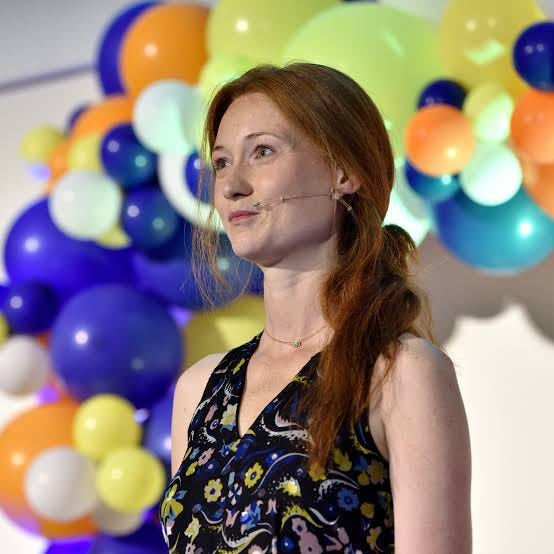
Dr. Claire Trant founded Untap in 2021 after completing a PhD in Materials Science and Engineering at Imperial College London with Rolls Royce. She has assembled the unique multidisciplinary team needed to bring Untap to life, taking it from an idea to a fully deployed system that has already detected over 400 illness days. She is joined by Neil Pomeroy as CPO, who has held senior R&D and product leadership roles across several scaling medical device and life sciences companies, and Dr Amy Kirby, formerly Chief Science Officer of the CDC’s National Wastewater Surveillance System. Having followed Untap’s progress for more than a year, we were delighted to back Claire and the team as they begin to scale across the UK.
Prompt detection of pathogens is an absolutely crucial part of gearing up for a future with heightened biosecurity risk. Untap is at the heart of those efforts as an early-warning system for existing and future pathogens.
Comments
Nothing yet. Say the first thing.
Sign in to join the conversation.