
In a highly saturated health media landscape, landing coverage that actually cuts through comes down to one thing: the offer. Not the press release, not the subject line, not how well you know the journalist. The offer. Is it compelling, genuinely distinctive, and rooted in what readers are curious about right now?
It sounds obvious, but it is surprisingly hard to deliver consistently. As PRs, there is only so much picking and choosing of clients we can do, and even the most fascinating organisations will not hand you an endless stream of front-page-ready news.
So we have to be strategic, creative and properly switched on to both audience trends and the scientific discourse in our clients’ fields. That is where the opportunities live: spotting the moment, building the narrative, and pitching the right person at the right time with the right ingredients already lined up.
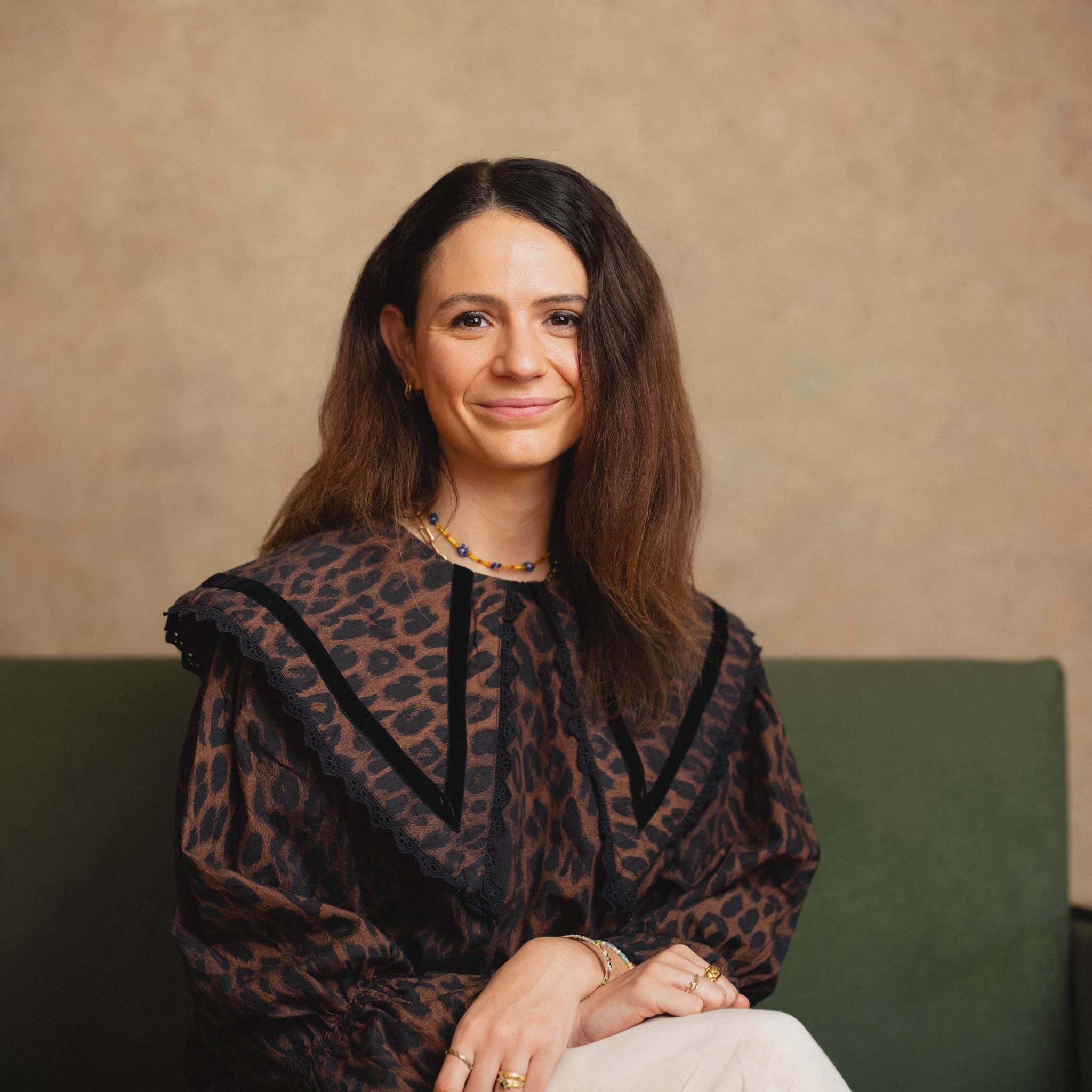
A bit of insight from great editors can go a long way. This month I was lucky enough to hear directly from Claudia Canavan, Health Editor and Journalist. With editorial stints across consumer health titles, and her current role shaping health and wellness features at the New Scientist, she is a brilliant barometer for what audiences are engaging with now and what PRs can do to make pitches genuinely useful.
The trends Claudia is seeing right now
Healthy ageing and longevity – how do we improve our ‘healthspan’? Think brain health, bone density, frailty, and what prevention looks like in real life - including cancer prevention. The strongest angles explain what the evidence says now, what is coming next, and where the hype does not match reality.
Sexual wellness – perhaps unsurprisingly, this still pulls readers in. Claudia’s point was not ‘sex sells’ in a shallow way, but that people have a real appetite for credible advice, lived experience and the more unexpected intersections. For example, how sexual wellbeing relates to menopause, mental health, pain, sleep, relationships and ageing.
Weight loss drugs – this has dominated and will keep dominating. The bar is now much higher: you need to bring something genuinely new, not a reheated take. Claudia suggested looking forward (how will GLP-1s reshape services, access and outcomes at scale?) and looking sideways (how does jab-mediated thinness change work, social life, stigma, identity, dating, mental health, even what we think ‘healthy’ looks like?).
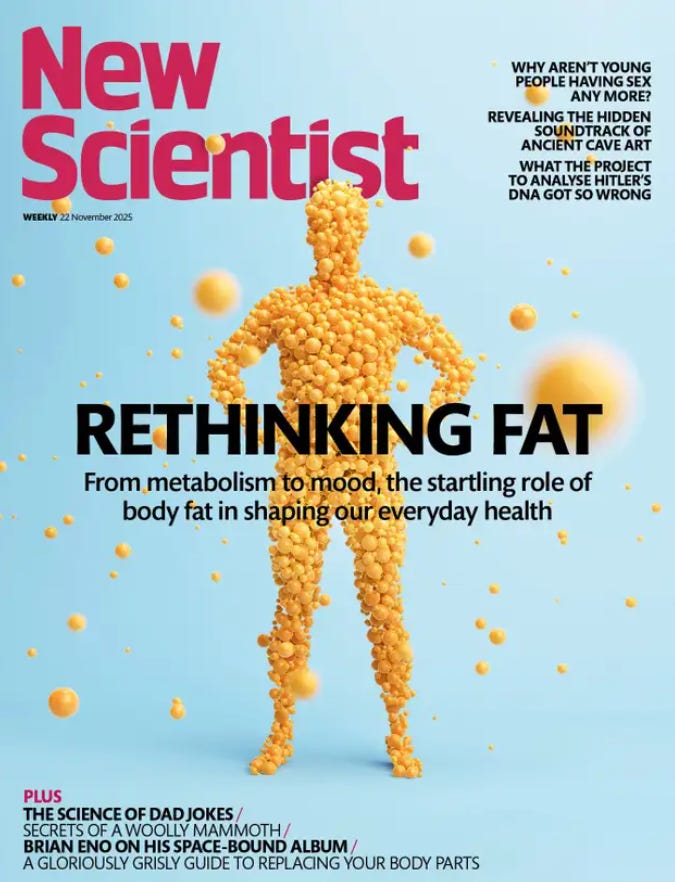
Neuroplasticity and self-improvement – we all want to break bad habits, curb our phone addictions, and become the ‘best version’ of ourselves. People crave a clear explanation of why their brains do what they do (often self-sabotagingly), plus guidance that is specific and realistic. For PRs, the opportunity is expert voices who can translate the science without talking down to readers.
To secure cut-though, bring expert voices to the table, take unusual angles, and join the dots between trends in a way that surprises people without stretching credibility. And when you do have a timely hook, do not stop at “why now?”. The stronger pitches also answer “what next?”, and give an editor something they can turn into a proper feature, not just a quick quote.
So what does Claudia actually want from PRs?
First, you have to make it easy for an editor to believe the story is real. Claudia’s benchmark was simple: bring at least three reputable scientific papers that point in the same direction, so it is not a one-off finding or a flimsy claim. Keeping an eye on pre-prints and what is emerging from scientific conferences helps here, because you can flag what is coming next, not what everyone has already covered.
Second, you need the people. That means an available, highly qualified, media-trained expert who can actually speak on the phone, and not in three weeks’ time. And if it is a human story, you need eloquent, available case studies, ideally with pictures, who are comfortable speaking directly to a journalist.
Third, bring the specifics that make a feature sing: data, examples and proof points that back up the point you are trying to make. But just as important, translate the function into impact. What changes for someone in real life, and why should they care? That is usually the difference between useful information and a story that pulls people in.
Finally, keep the audience and format front of mind. Most readers of health content are curious, intelligent members of the public who want a deeper explanation, not a lecture. Claudia’s wider point is that advice-heavy health stories can feel repetitive (“do these five things…”) unless there is nuance, contradiction, and humanity in the mix. Your job as a PR is to help an editor tell a richer story: context, trade-offs, what the evidence really says, and what it might mean next.
One last thing she flagged: build relationships early. A quick note to an editor sharing genuinely interesting work coming down the line can do more for long-term credibility than ten cold pitches fired off on a slow Tuesday. And when you do pitch, make the first paragraph do the heavy lifting: the hook, what is new, why it matters to readers, the evidence in one line, then who is available (expert and case study) and what they can offer (phone, photos, data). Time-poor editors will thank you for it.
In short: bring a genuinely distinctive angle, show credible evidence, line up the right voices, and write the pitch like you respect an editor’s time. If you can do that while staying curious about what audiences are actually talking about, you can (almost) bet that quality media coverage will soon follow.
🏆 PR Inspo
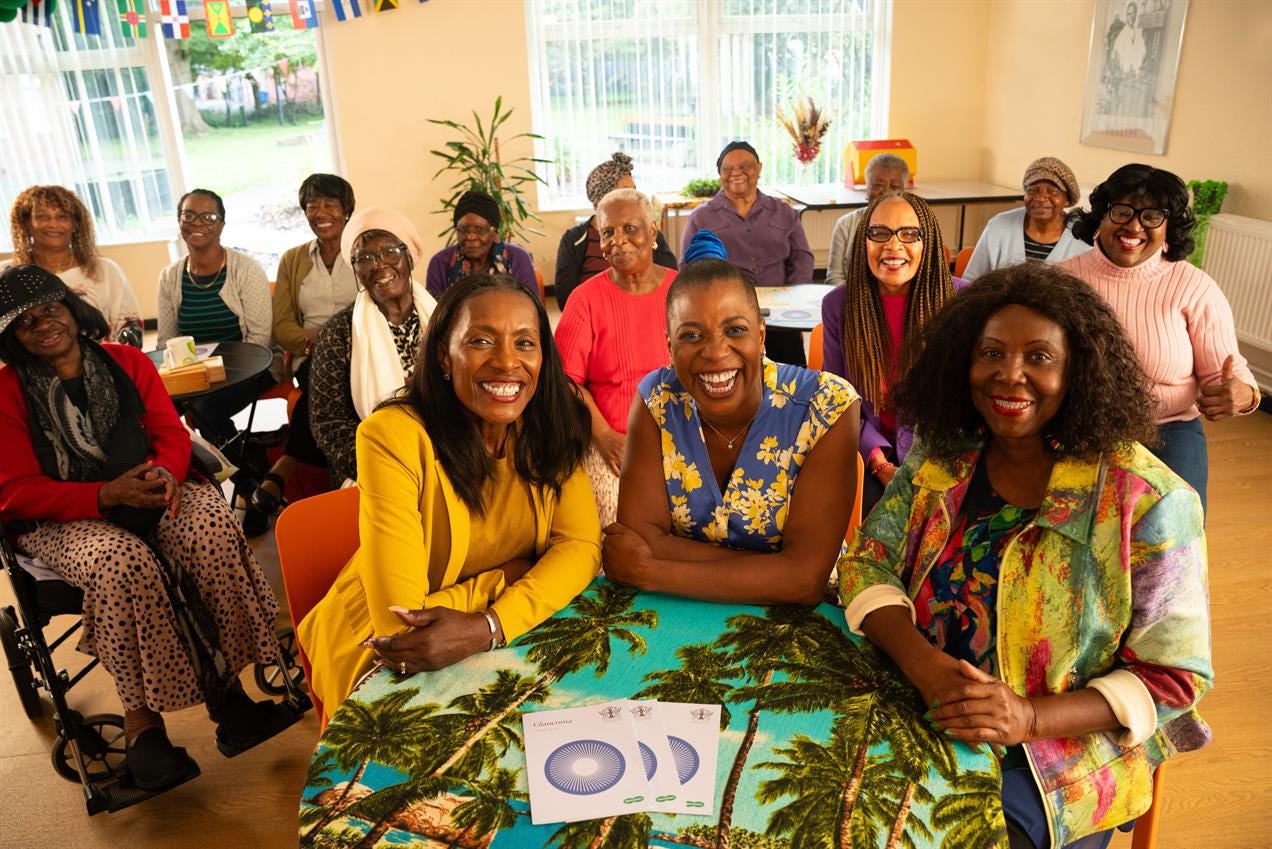
At the end of April, the winners of the PR Week Corporate Affairs Awards 2026 were announced. Lots of brilliant health work was highlighted this year, including Golin’s ‘Auntie army’ campaign for Specsavers which won gold in the ‘Best Use of Media Relations - Pharma/Healthcare’ and the ‘Best Public Health Awareness Campaign’ categories.
During National Eye Health Week, the campaign encouraged more goodnatured nagging at family events and in WhatsApp groups, driving behaviour change and increased eye testing to improve the early diagnosis of glaucoma among black communities.
📚 Reading List
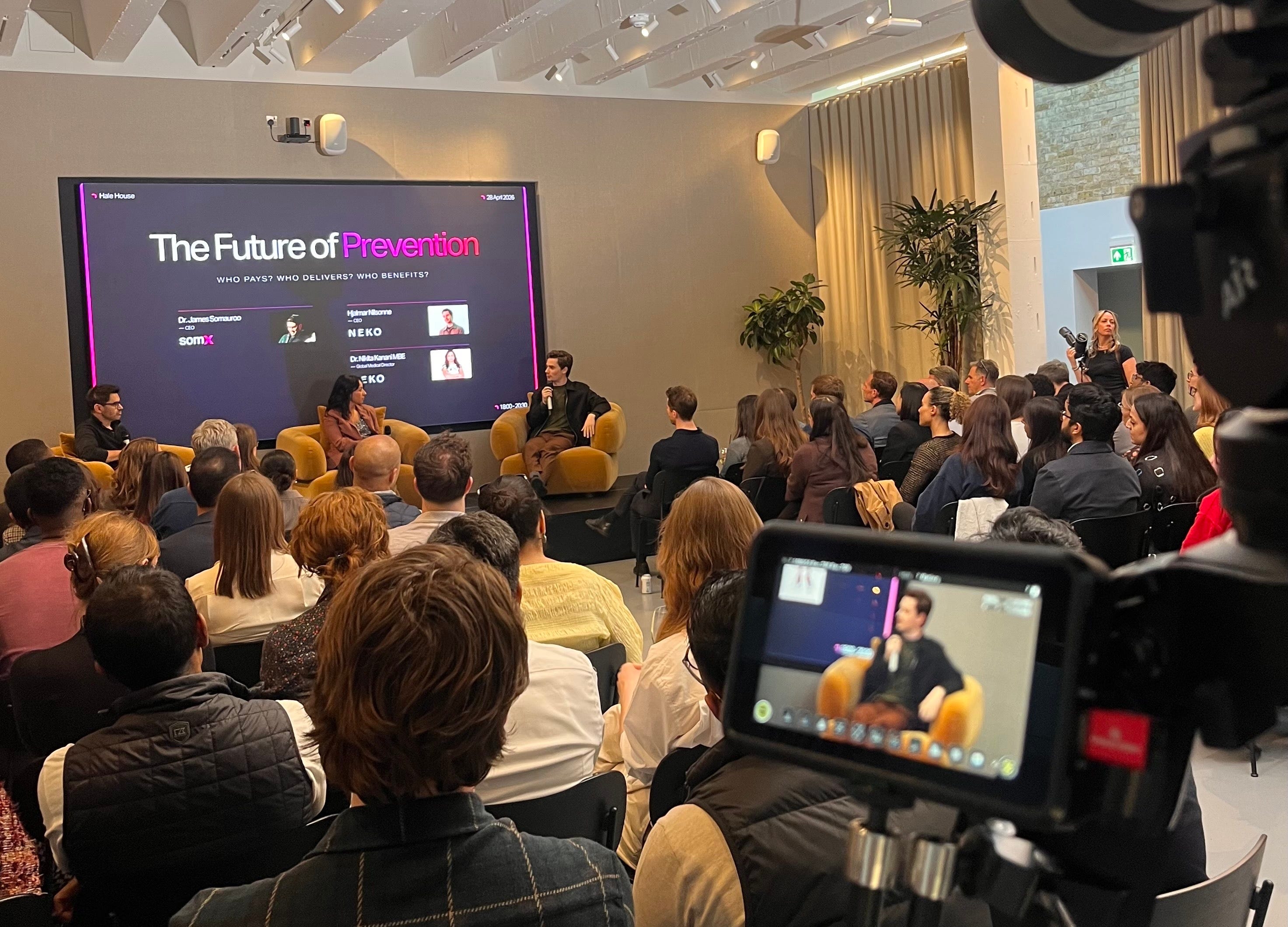
👉 Attending the SomX x Neko Health Future of Prevention event at Hale House got me thinking differently about the role of comms in closing the healthly lifespan gap - I wrote about it on LinkedIn.
🤝 My second column for PharmaTimes was published at the start of May! It features an interview with the brilliant Kylie Cuff, Global Communications (Vaccines) at GSK. We spoke about how her team has been adapting and responding to recent challenges, and she shared some sound advice on how to co-create behaviour change campaigns that strike the right chord with patients.
😷 “Hantavirus misinformation runs rampant as the US is unequipped to respond to infectious disease health scare” A worrying article by Melody Schreiber in The Guardian about the dangerous consequences of broken public health systems and prolific misinformation in the US.
📆 IRL events for your diary

12th May: THE GREAT HEALTHCARE DEBATE: in a world of AI generated healthcare information, how do we protect the truth? (London)
20th May: Women in Public Affairs: Women Leading Women’s Healthcare, Redesigning Systems around Lived Experience (London)
21st May: Innovation in Action: Successful Women’s Clinical Trial Case Studies (London)
26th May: OPUS x SomX: HealthTech Unfiltered (London)
28th May: Social Media & Human Health: An Evening with the Centre for Technology and the Body, King's College (London)

Thanks for reading For Immediate Release! Please share it with your friends and colleagues.
No posts
Comments
Nothing yet. Say the first thing.
Sign in to join the conversation.