
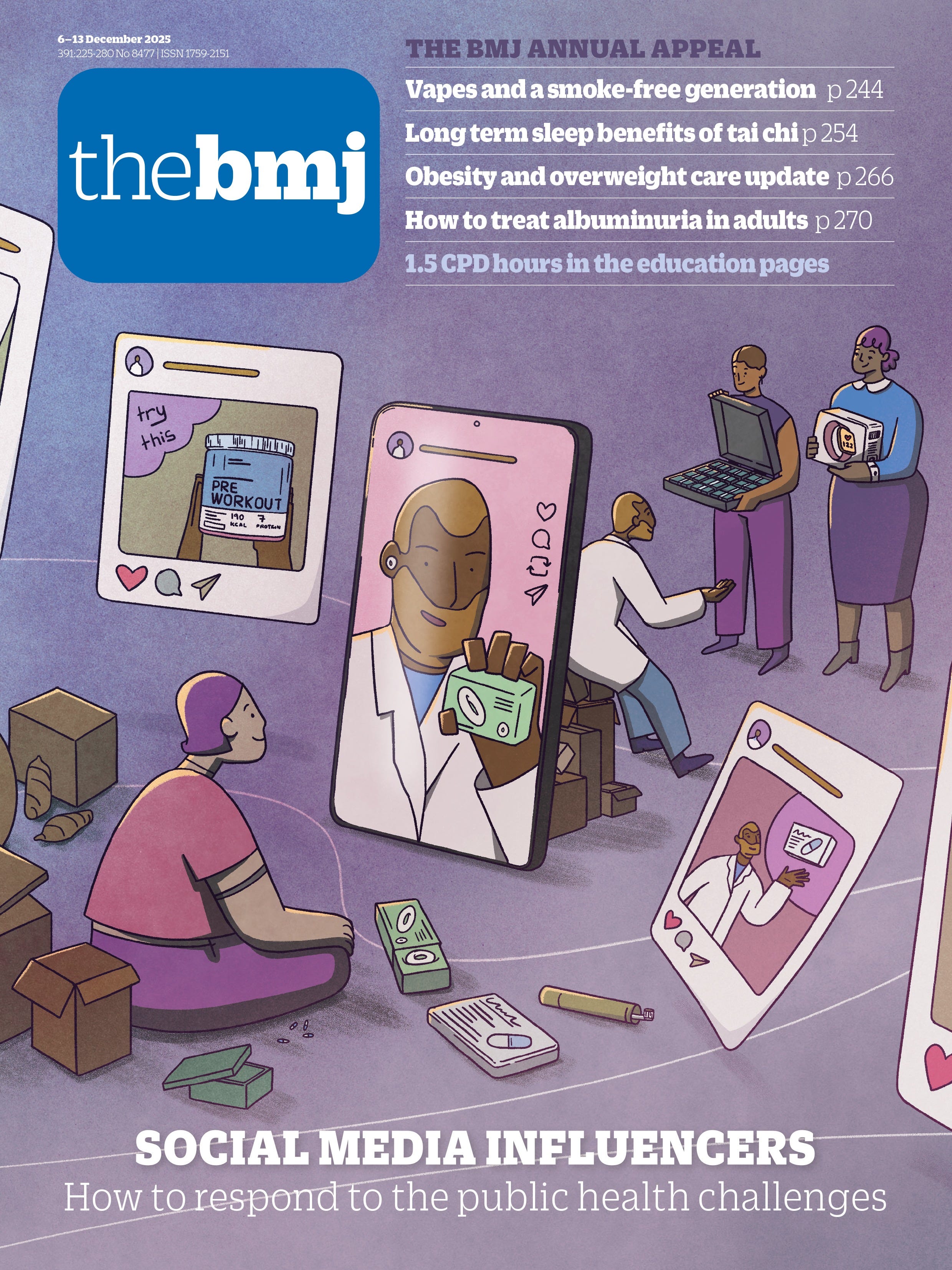
According to YouGov research, 40% of Gen Z get health information from social media, almost twice the rate of older generations. 33% of this same generation report they have let a content creator with no medical training influence a personal health decision.

The ways in which the public access and consume health information are fundamentally changing. But specifically, it’s the role of the clinician creator that I’ve been thinking about non-stop since reading Deb Cohen’s new book, Bad Influence.
My own deep-dive led me to a 2025 BMJ analysis, in which Raffael Heiss and colleagues explain how health conversations are unfolding in commercialised spaces that mix expertise, entrepreneurship, and entertainment, and how this exposes users to bias and potential harm. They identify four overlapping biases - limited expertise, industry influence, entrepreneurial interests, and personal belief - and call for stronger governmental regulation, platform moderation, and improved digital literacy.
I felt compelled to understand the perspective of a ‘social media’ clinician on these challenges and how they understand their own role and responsibilities in online spaces. This led me to Dr Liz O’Riordan, a former consultant breast surgeon, three-time breast cancer patient, author, and one of the UK’s most trusted clinician voices online. Through Instagram, YouTube and her writing, she spends her time explaining breast cancer in plain English, calling out misinformation, and answering the questions patients are often too scared or overwhelmed to ask in clinic.
I sat down with Liz to talk about what it actually means to be a ‘clinician creator’, the ethical grey areas that come with that role, and how health brands can work with clinicians without undermining trust.
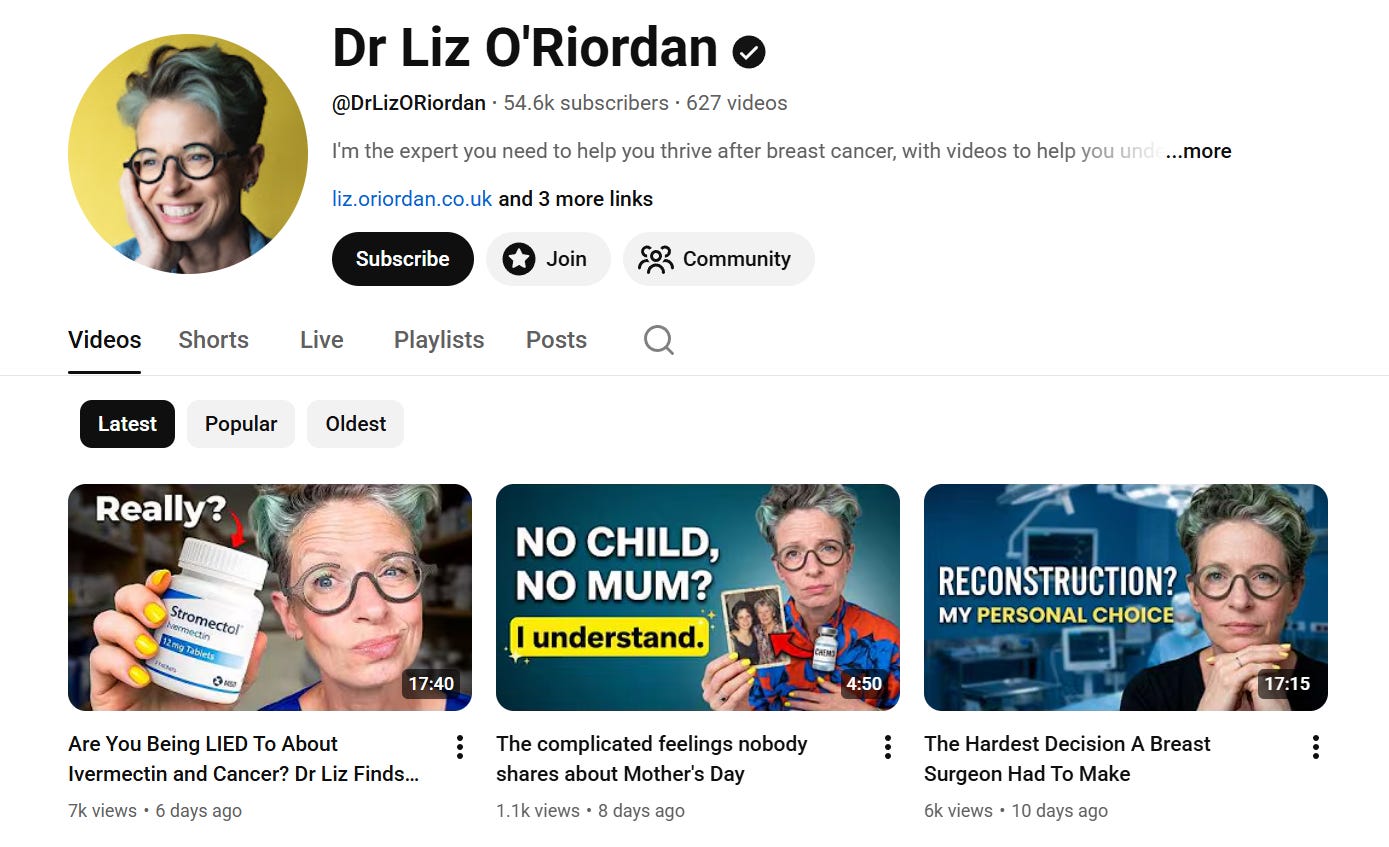
Liz doesn’t particularly love the term ‘clinician creator’. In the past she’s called herself a ‘meducator’ – a word that never quite caught on, but captures the point. What she’s doing isn’t influencing; it’s translating. For Liz, the role exists because there is a huge gap between what patients need to understand and what the health system has the time, funding or skills to explain.
After her first breast cancer diagnosis, Liz started posting online almost accidentally. What began as sharing her own experience quickly became something more purposeful: explaining breast cancer, debunking viral myths, and responding to the fear she saw playing out daily in her DMs. Over time, she realised she was becoming a trusted interface between patients and a healthcare system that often feels opaque, rushed and frightening.
That trust is not something Liz takes lightly. People come to her because they don’t know who else to believe. Algorithms reward confidence over accuracy, follower counts are mistaken for expertise, and misinformation preys on people at their most vulnerable. Liz sees her role as being the calm, evidence-based voice in the noise – not shouting people down, but helping them understand why something isn’t true, and what we actually know.
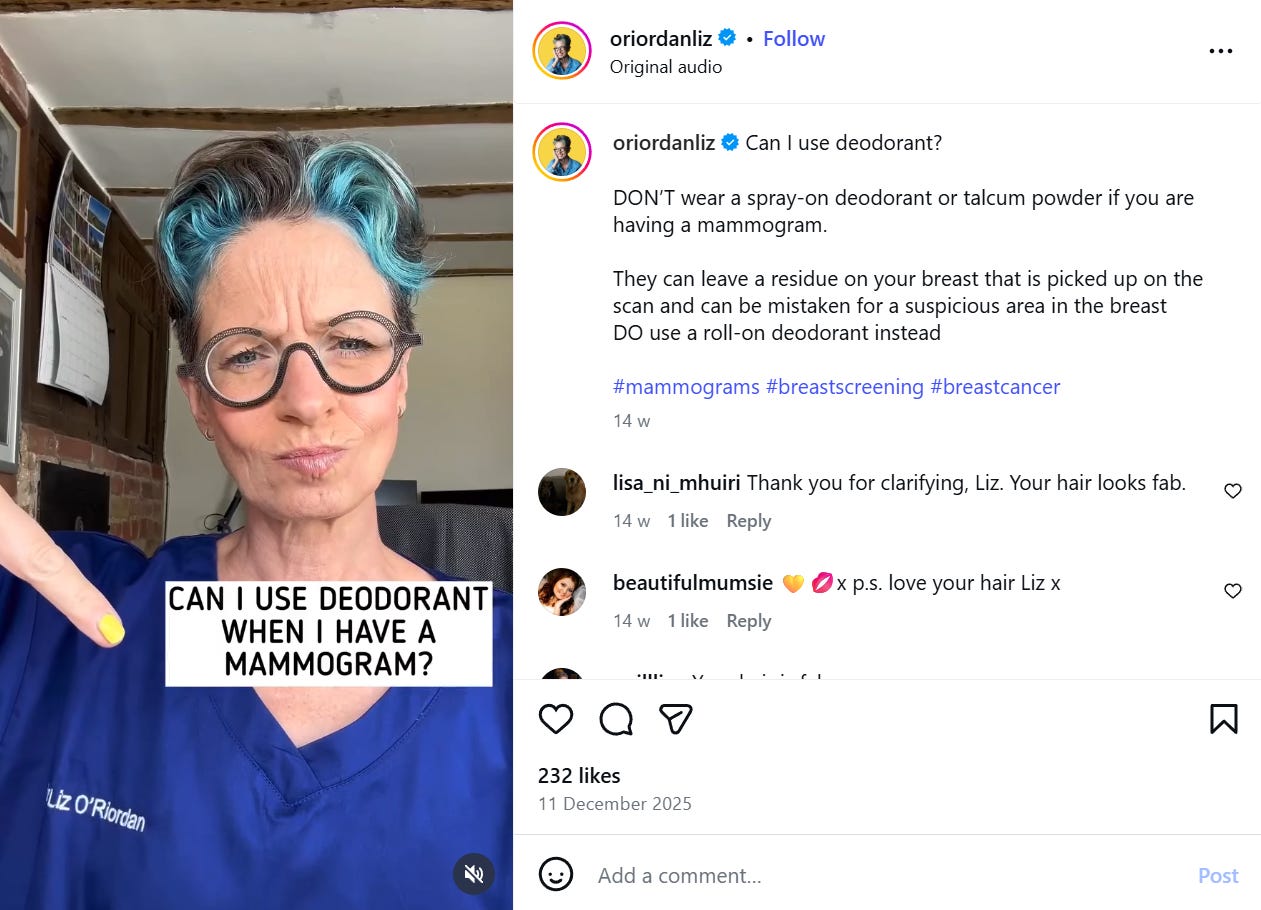
Being a clinician online comes with a set of ethical challenges that medicine has not caught up with. Liz is clear that the emotional labour alone is significant. She receives hundreds of messages from strangers asking for personalised medical advice, sharing traumatic stories, or looking for reassurance she simply cannot give. Learning to set boundaries – including using stock responses and not engaging beyond general information – has been essential for survival.
There’s also the issue of money. Creating high-quality educational content takes time, equipment, editing and research, yet many clinicians feel uncomfortable charging for that work – or don’t know what fair compensation even looks like. At the same time, some are being offered large sums to promote products they’ve never used, often with minimal guidance on what is acceptable.
Liz is blunt about the fact that current regulation isn’t good enough. GMC guidance hasn’t kept pace with reality, and there are no clear frameworks to help doctors navigate brand deals, disclosures, parasocial relationships or misinformation responsibly. She believes social media activity should be part of professional appraisal, not to punish clinicians, but to encourage transparency and reflection. Without guardrails, everyone is left exposed – clinicians, patients and companies alike.

Despite the risks, Liz is clear that ethical collaboration between clinicians and health brands is possible – and often valuable. The line, for her, is intent and transparency. Paying a clinician to promote a product they don’t use, don’t believe in, or can’t evidence is a red flag. Paying a clinician for their time, expertise and honest opinion is not.
Pharma and healthtech companies, in particular, have an opportunity to work with clinicians on education rather than promotion. Funding disease awareness, explainer content, or panel discussions where clinicians are free to speak openly allows brands to support better understanding without borrowing clinical authority to sell. Declaring relationships clearly, limiting how long content is live, and avoiding anything that could be mistaken for medical advice all matter.
Ultimately, Liz’s advice is simple: respect the trust clinicians have earned. That trust is built slowly and can be lost instantly. Brands that understand this – and design partnerships accordingly – will not only avoid ethical pitfalls, but create work that genuinely helps patients, clinicians and the wider health system.
Follow Liz on Instagram and YouTube
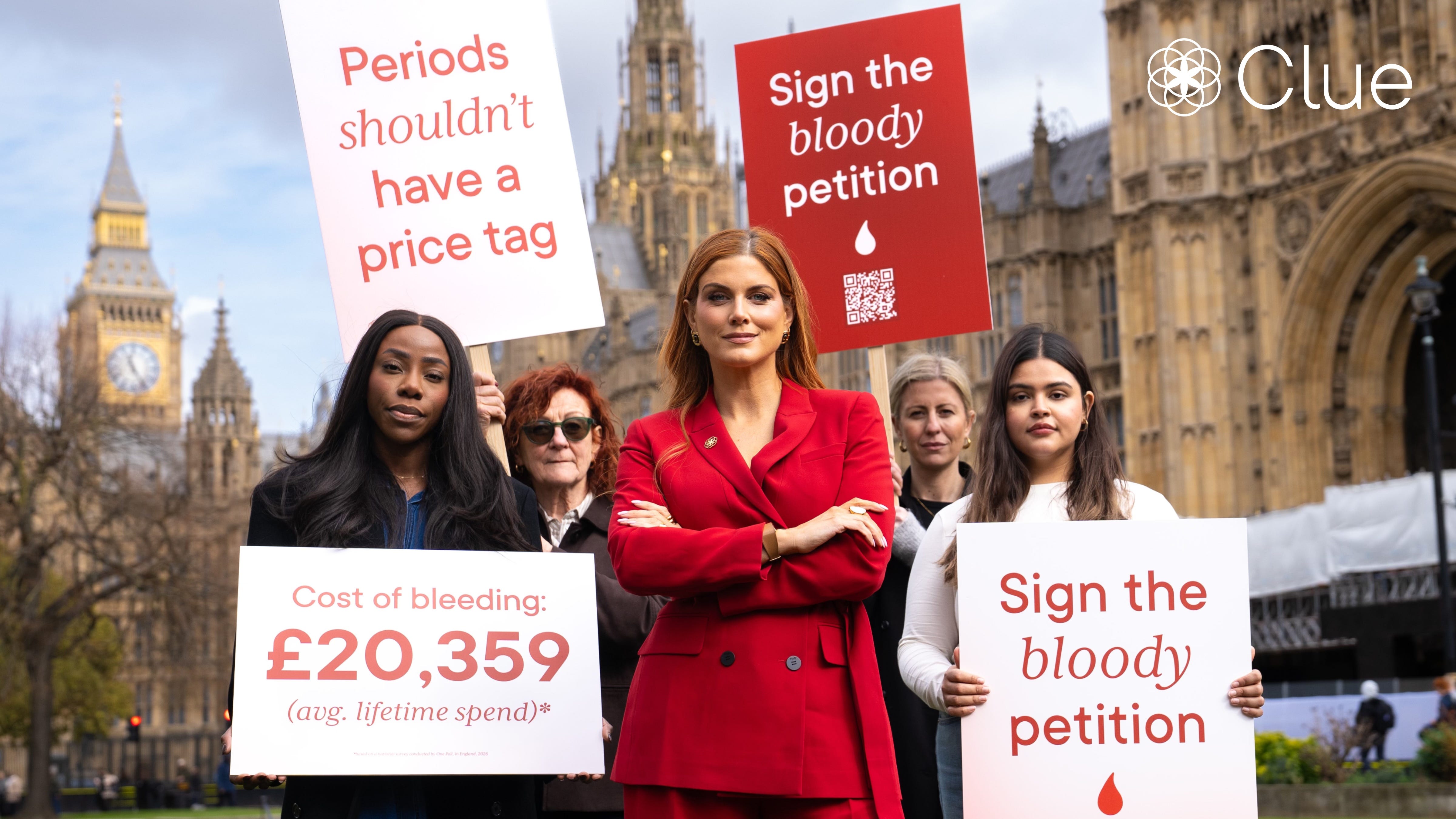
Period tracking app Clue launched their Cost of Bleeding Campaign this month, calling on government to provide free sanitary products to women and girls across England and Wales. Media personality and women’s health advocate Ashley James fronts the campaign, which is hooked on consumer research revealing that menstruating costs an average of £20,359 over their lifetime.
Sign the petition and receive a free year-long Clue Plus app subscription.
📻 When It Hits The Fan – How do PR pros spin LLMs and navigate the new frontier of reputation management?
💉 A thoughtful article on the Canterbury meningitis outbreak that considers the UKHSA response, the political response, the media framing, university communication, and the lessons for public health policymakers.
☀️ A news piece explaining how fact-checkers forced the Department of Health and Social Care to backtrack on a public health comms campaign that compared the risks of sunbeds to smoking.

March 24// Bold & Beyond: fertility, family forming and the spaces in between. Panel discussion and moderated workshop, Moorgate
April 14// One HealthTech’s 10th Anniversary Bash, Farringdon
April 23// Ministry of Healthtech Spring Fling, Shoreditch

Thanks for reading For Immediate Release! This post is public, so please share it far and wide.
No posts
Comments
Nothing yet. Say the first thing.
Sign in to join the conversation.