
Written by Luca Salvemini
No. 176 - August 12, 2026
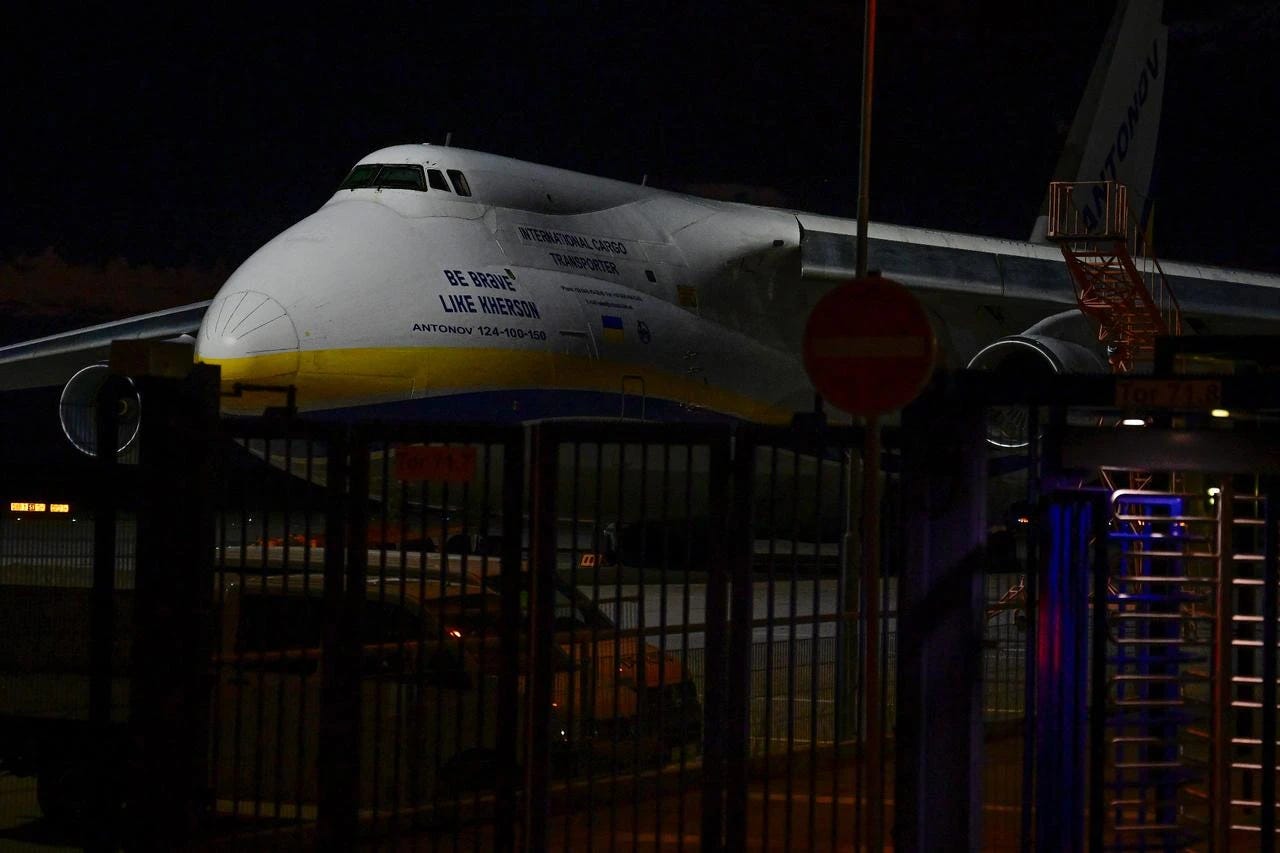
For four hours on the night of August 4, a drone loaded with military explosive sat motionless on a runway at Leipzig/Halle airport, pressed against the wing of the Ukrainian cargo plane it was meant to set ablaze.
No one noticed it.
What separated the airport from a massacre was a single faulty component: a detonator that never fired.
Leipzig is no ordinary airport. It is Europe’s third-largest freight hub, a NATO logistics base, the gateway through which part of Europe’s weapons bound for Kyiv pass.
In the days that followed, the reassuring reading, that of a mere warning, collapsed under the weight of the surveillance footage. What remained was an attack that half succeeded by pure chance, bearing a signature that leads to Moscow.
How Europe came within a step of the irreparable, and why that night redraws the calculus of European security, emerges only by lining up forensic investigation, Western intelligence, and the images from the airport.
Comments
Nothing yet. Say the first thing.
Sign in to join the conversation.