
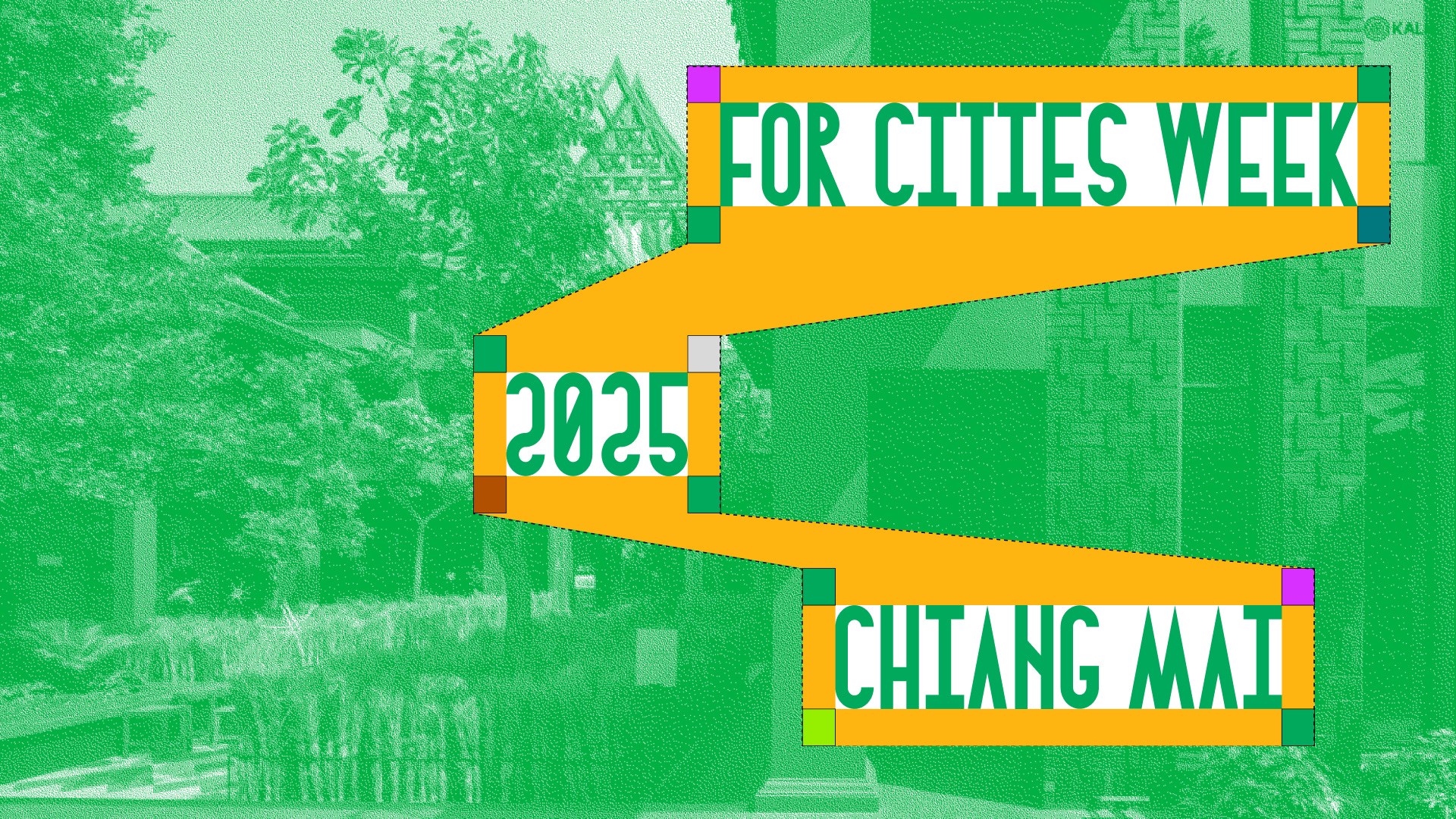
Hello all! We will be heading to Chiang Mai, Thailand for For Cities Week 2025 in May. We are accepting applications to this programme of exciting workshops, local architecture studio
visits and a exhibition. Come join us!
We will be having weekly online information sessions so please join to get a better idea about the programme! More details from here
For this month’s urban news picks, we have Luisa from Seoul.
Hello my fellow city-lovers! My name is Luisa Cools, I am an Australian urban researcher/artist based in South Korea. My work focuses primarily on urban memory, visual culture and human connections to the built environment. I do ethnographic research mainly in Korea, China and Japan. I am a lover of ordinary objects, alleyways and in-between spaces that reveal a city’s true character.
I’ve gathered some great resources to share with you all about active urban research collectives at the forefront of discussion, art spaces giving platforms for social commentary, and individuals documenting changes in Korea’s urban landscape. Enjoy!
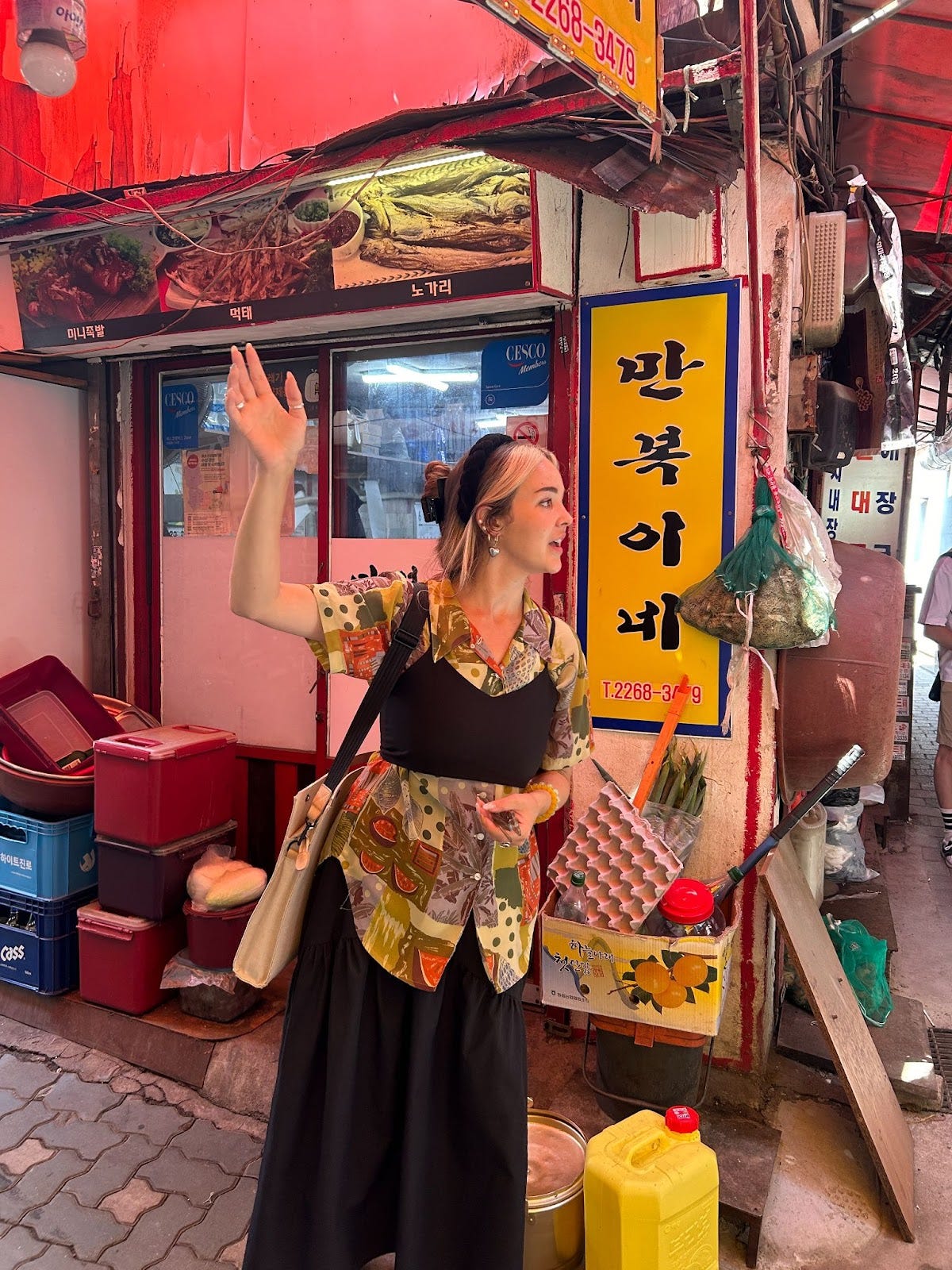
Listen to the City is an urbanist research collective that has been active for almost 15 years in both the USA and Korea. They have been heavily engaged in the gentrification protests that have taken place in the tools and machinery district of Euljiro in central Seoul for many years. They host events, produce research and engage in activities with people from various disciplines, as well as the local community and people at risk of being overridden due to poor planning and poor urban policy.
The Urban Action Network is a civic group and NPO that has been in existence for almost 30 years. They have regular meetups, undertake research to present to the government to hopefully help inform policy decisions and have a regular publication called ‘Walking City’ in which they feature submissions and stories from a wide variety of citizens on their experiences in their neighborhoods, archiving and more.
This is a collaborative research group that hosts lectures and workshops, and produces research focusing on the smaller cities in South Korea that are often absent in the focus on academic investigation into urban trends and policies. They research changes, document history and observe opportunities for growth and better urban policies in these places.
A great paper that investigates the cost of redevelopment in Seoul and Korea more broadly. As well as bringing into question the globally admired “Cheonggyecheon Stream Restoration” and its broader implications as yet another cause of repeated urban displacement.
This book is well worth the read and gives an excellent foundational understanding on the intertwining of political history and urban development policy in Korea’s history. It deals with the specific case of Gwangju (Korea’s 6th largest city) - the location of a horrendous massacre of democratic student protestors in the 1980’s, by the then military government. It also delves into sense of place and memory, and their role in urban development policy and public resistance in the Korean context.
A case study of positive urban transformation: Red light district to art hub
Inside Seonmi Village: S. Korea's red-light district transformed into art village
While mass unbridled redevelopment is a mainstay issue in Korea, there are many cases where old neighborhoods are saved from demolition and reinvigorated or transformed into art hubs for the young generation. It’s important to note though that in particular cases like this, in the process of the transformation, the basic livelihoods of some of the country’s most vulnerable (usually elderly) has also been taken away. The aftermath of this is still a question to be solved by having better social security and old age pension policies.
Deep-diving into Seoul’s neighborhood history and urban characters
How Ikseon-dong became Korea’s First Grid-Street Hanok Village
I highly recommend checking out the videos from the popular foreign youtuber and acquaintance of mine, Bart van Genugten. He is on a mission to investigate and document all of the many hundreds of “dongs” (neighborhood districts) in Seoul. He takes a very local approach and meets up with various experts, historians, architects and residents to find out what truly characterizes these urban areas. He often uncovers little known history and aspects of local interaction with urban space. Most intriguing is that his videos are extremely popular with local Koreans, who commend him for shedding light on areas of the city they had never thought of before and helping them learn about their own urban space. This particular video focuses on Ikseondong in central Seoul - an area that used to be one of the most impoverished in the city centre until recent years - now transformed into a popular cafe and restaurant area (albeit now too gentrified).
Smart Reported is not a new app (more than 10 years old), but still a fantastic and useful initiative of the Seoul City government. On the app, citizens can upload complaints and photos of issues in public space, such as broken pavement, people parking on sidewalks, broken steps or slippery spots on the street. The local government then sends out workers to tackle these issues promptly.
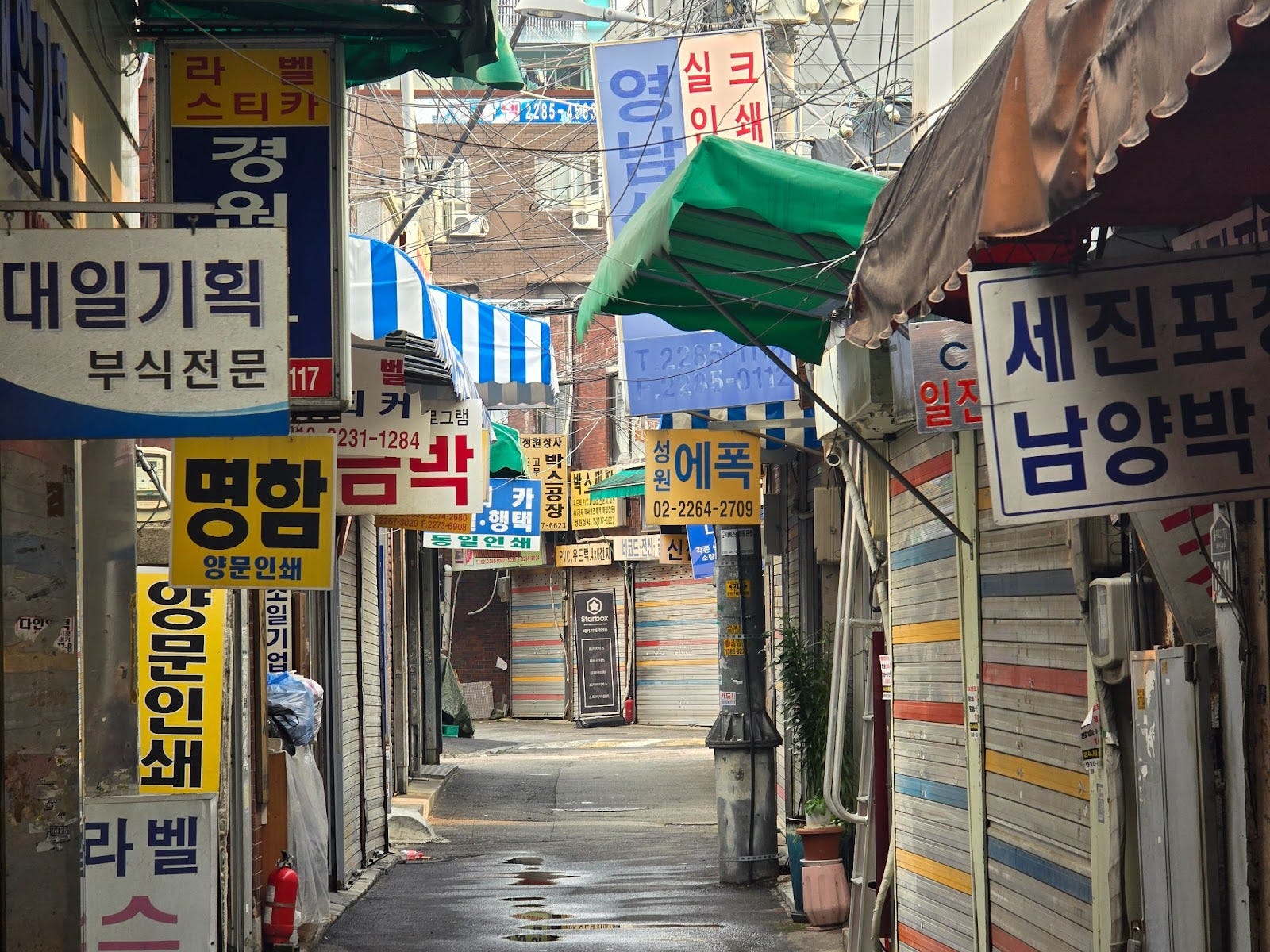
The S-Map was created a few years ago and is a phenomenal collaborative initiative between local governments. It offers an unprecedented street view of some 14,000 narrow alleyways (inaccessible by cars), traditional markets, stairways etc. throughout Seoul. The digital map platform is modelled off of a 3D map of Seoul. It combines a variety of administrative, environmental and urban data in a single digital space. All of which can generate simulations and solutions to tackle modern urban development challenges.
Eulji Space is a venue and platform for artists and creatives located in an old building in central Seoul - in an area historically known for manufacturing and now at risk of gentrification and redevelopment. They give both local and foreign artists a space to showcase their work, host events and build community. They even hosted a film festival focusing on urban exploration, abandonments and redevelopment zones in Korea.
Seendosi is an infamous legacy music and creative space in another old building in Seoul. Recently, the entire area surrounding their venue has been totally demolished and will be soon replaced by mixed use skyrise buildings (taking the place of the small-scale manufacturing and hardware businesses that once stood there). They have forever supported the alternative and underground music scene in Korea, as well as collaborating with artists, architects and recently urban researchers to give a space for rebellion and commentary on urban issues and gentrification in a creative way.
The Hecheomoyeo is a massive artist-run community that usually sees more than 200 participants from all over the world join in to their projects every couple of months. They hold their exhibitions in different spaces around the city. In conjunction with this, they host events, workshops and also creative urban play - bringing art and expression into the streets and public spaces.
Seoul Biennale of Architecture and Urbanism (Sep 1- Oct 31, 2025)
The Biennale period is a fantastic time to be in Seoul! It brings together a multidisciplinary mass of architects, urbanists, human-centered designers and artists from all over the world for a series of exhibitions, events and workshops to discuss urban challenges faced by the world’s largest cities. Alongside this, public forums and community engagement activities are also undertaken by experts and politicians in order to better orient urban policy in Korea. The main international group exhibition of the Biennale usually takes place at the iconic Dongdaemun Design Plaza, designed by the late Zaha Hadid. With other events taking place all over the city. The theme this year is “Radically More Human.”
We will be having our monthly Meet-up session of the year on the 19th of April. Luisa who picked the urban news will talk about the urban scene in Seoul. She will be sharing stories on social media as a platform for documenting urban change, music and art scene as spaces for resistance, and the general fast-paced development in Seoul.
It’s a casual session on Discord where we have inspiring discussions with urbanists around the world! More information will be posted on Discord so please join our channel below.
📅 April 19
🕰️ 19:00-20:30 (JST)/ 12:00-13:30 (CET)
On our Discord channel, join from here / Sing-up from here
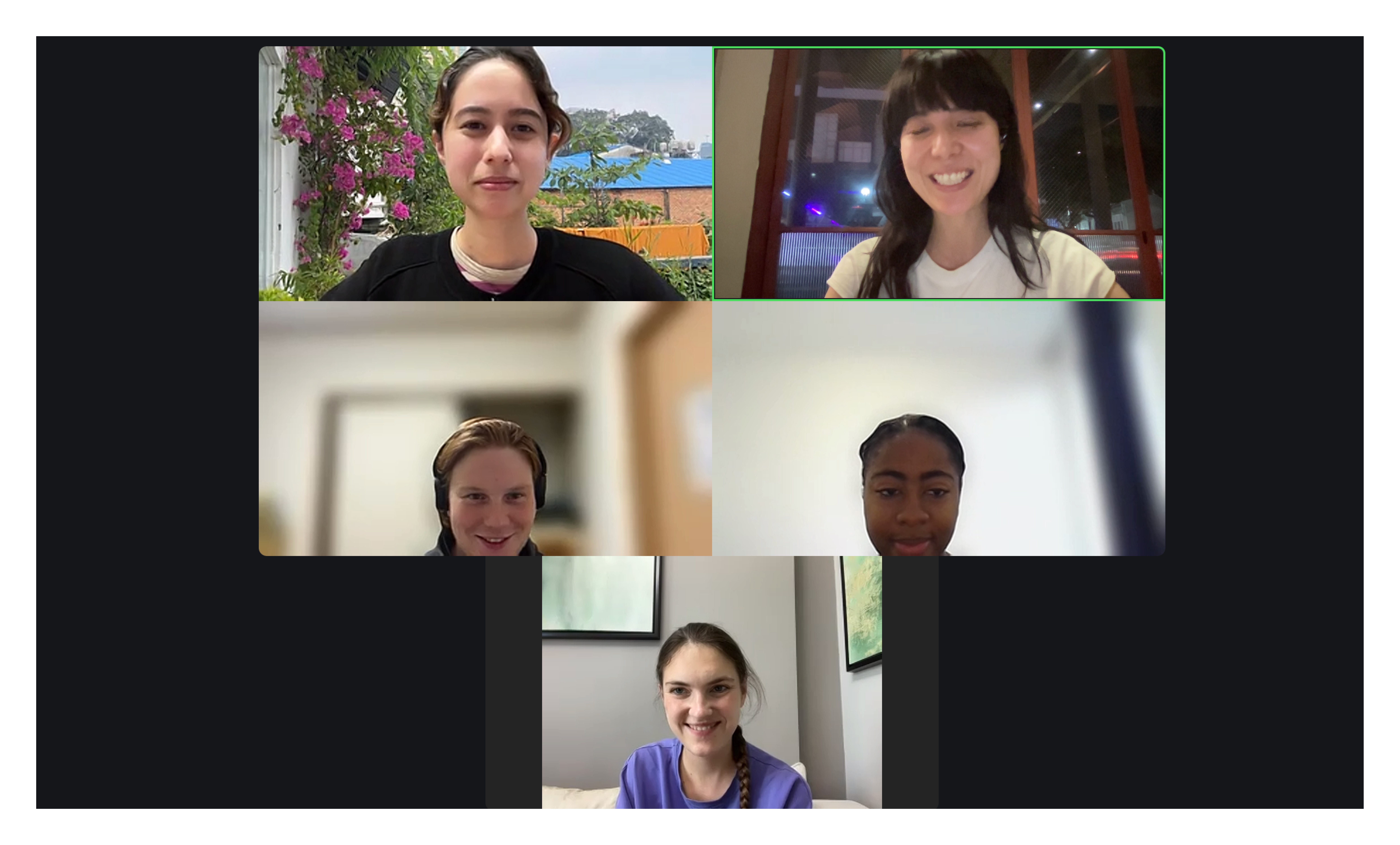
We aimed to expand our platform of urbanists around the to get together online and share ideas, cooperate and foster a community and we were delighted to have participants from diverse places and discuss topics related to cities and were inspired by these conversations.
If you have any questions please reach out at info@forcities.org
No posts
Comments
Nothing yet. Say the first thing.
Sign in to join the conversation.