
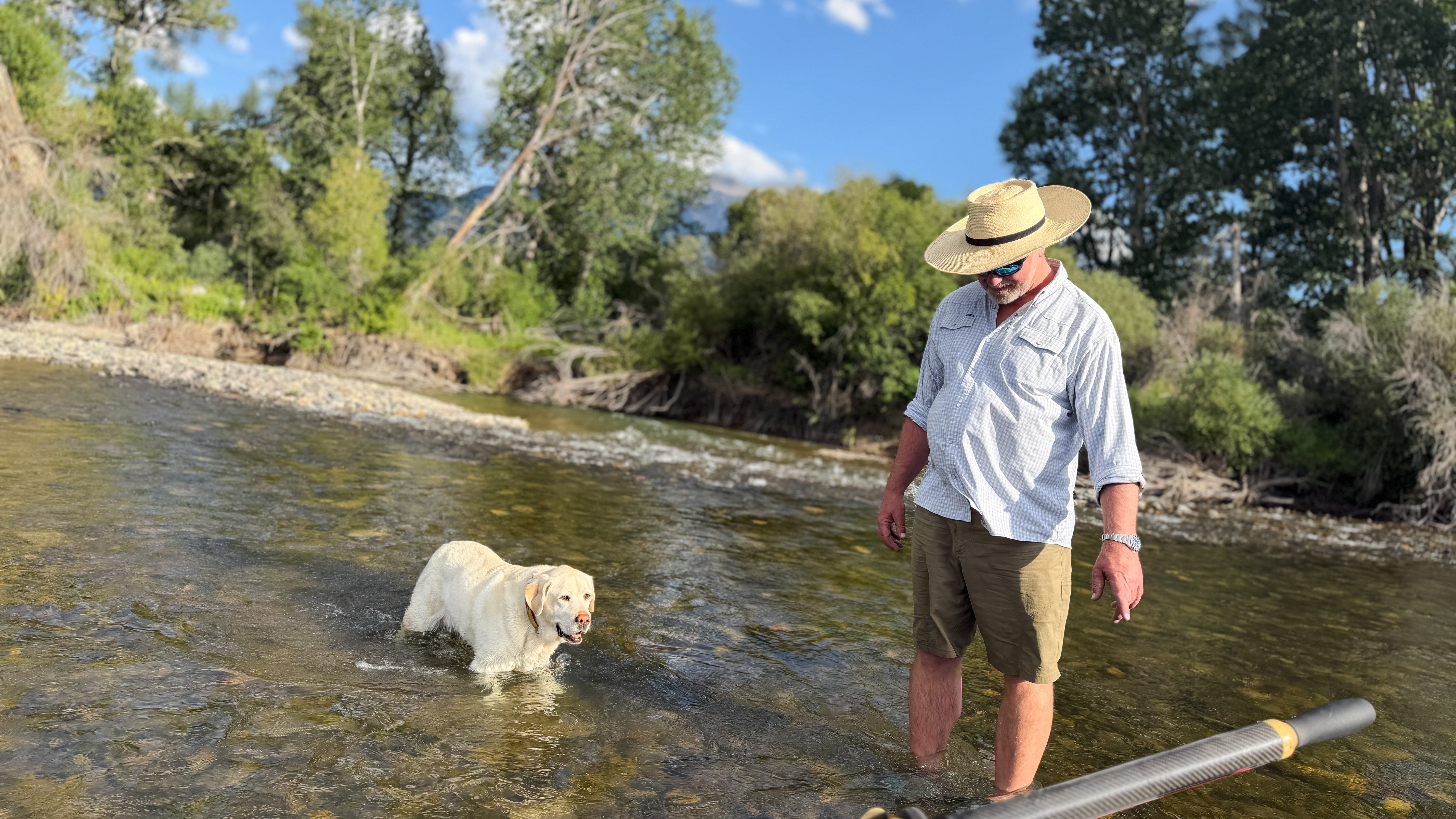
Jim Klug is the CEO and founder of Yellow Dog Flyfishing, a hosted fly-fishing travel provider, fly shop and website based in Bozeman, Montana. Jim began working in the fly-fishing industry at the age of 14. Over the years, he has worked as a guide, sales representative, travel coordinator and as past National Sales Manager for Scientific Anglers. He spent his 20s guiding in Montana, Colorado, New Mexico and Oregon, and has fished worldwide in over 60 different countries. He also is a vehement supporter of public river access for all anglers, and particularly in the state of Montana. We sat down to discuss the upcoming Montana Stream Access event happening this September in Bozeman, MT and what he hopes to accomplish in terms of public engagement, education and ongoing awareness.
Jim, thanks for taking the time to talk about the Montana Stream Access Rally–it’s an important issue and event. Can you tell us more about the rally and its mission?
Thanks for the opportunity to do this, Andrew. We really appreciate the support, and we’re so stoked for this event. I think it’s going to be a big one. And you know, the more attention we can put on this gathering and, more importantly, the messaging and its reason for existence, the better.
We are excited to be hosting the second Montana Stream Access Rally, which is going to take place on Thursday, September 17th in Bozeman, Montana. The hours are from 5:30 p.m. to 8:30 p.m and it’s going to be right downtown on the west lawn of the Emerson Cultural Center. It will be a great outdoor gathering and an event that’s free. It’s open to everyone, and I would describe it as “intentionally nonpartisan.” And I’ll talk more about that in a minute, but this is a stream access rally, to be clear–this is not a protest rally. This is a celebration of something that I would say Montana got right. It’s an opportunity to remind people that we have to continue protecting the stream access rights we have in Montana.
At the event, we’re going to have speakers who will be talking about the history, current status and future of the state’s stream access. We’re also inviting both elected Montana officials and candidates for statewide office. They’ve been invited to introduce themselves to the crowd and quickly talk about where they stand, specifically, on the stream access issue.
It’s going to be very much a festival vibe–we’ll have live music both before and after the speakers; food trucks are showing up; there will be beer tents and beverages; and we’ll have tents from numerous event sponsors, manufacturers and nonprofits. We’ve also got an on-site drawing, where people in attendance can win more than $10,000 in donated prizes from the sponsors. So, aside from being an important messaging event and celebration of stream access, it’s also going to be a really cool gathering. This was all possible because we put together a sponsorship coalition that includes a number of Montana’s top outdoor businesses and organizations. Those include: Yellow Dog Flyfishing of course, Simms, Skwala, Winston, Oboz Footwear, Sitka, MeatEater, Mystery Ranch, FOAM (Fishing Outfitters Association of Montana) and PLWA (Public Land Water Access Association), who are the nonprofit leaders here in the state for stream access, and also numerous other conservation and outdoor industry partners.
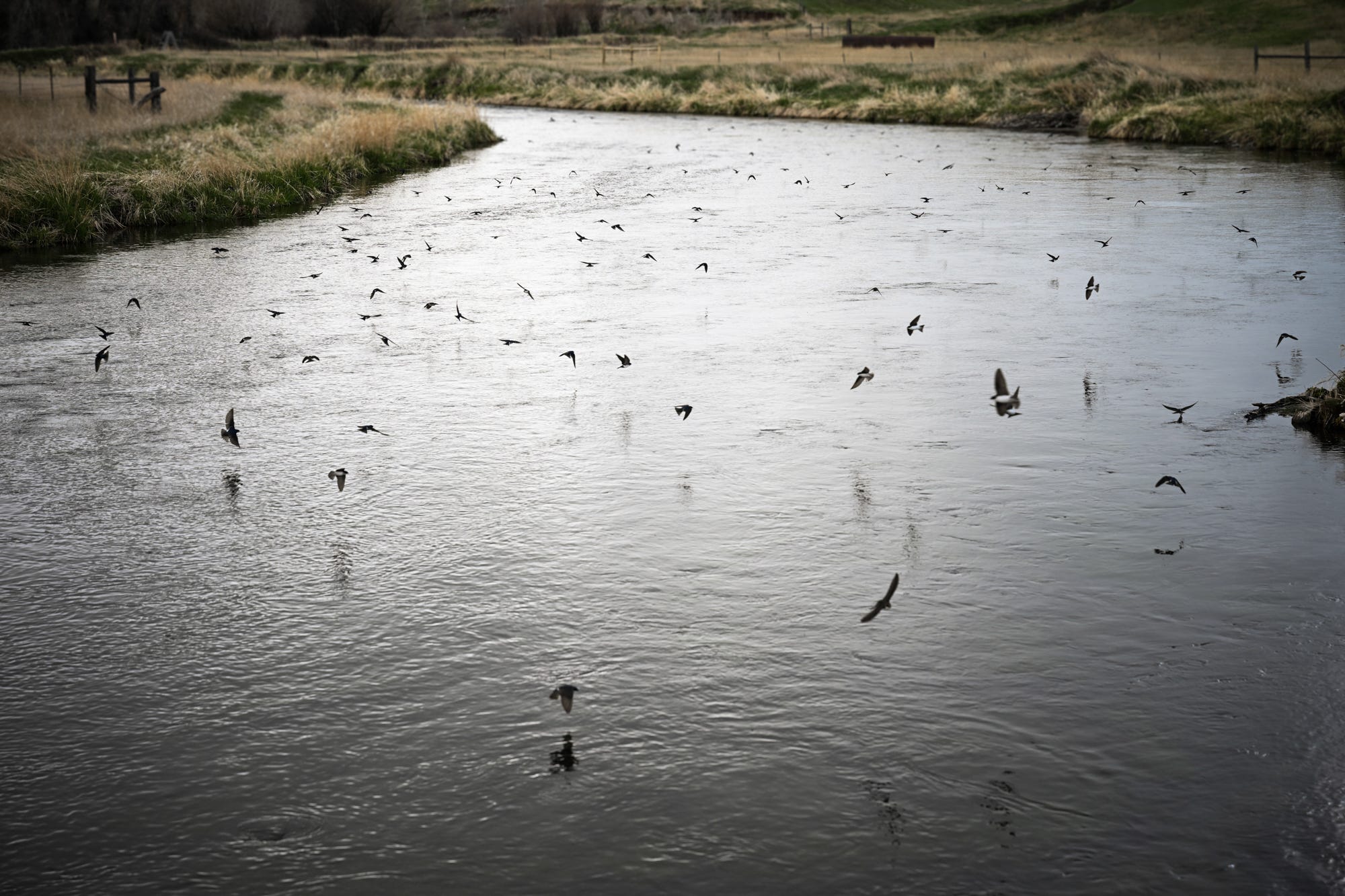
Can you talk a little bit about the status and history of Montana’s river access–why it’s unique, particularly in the West. I’m here in Colorado, and we’re surrounded by Utah, New Mexico and Wyoming, which are all very different from Montana. It might be helpful to explain what’s unique about Montana’s water law and why it’s held up to the other Western states as a beacon for river and public access.
You bet. A lot of anglers that live in the West and certainly that live here in Montana know that Montana currently has some of the strongest public stream access protections in the entire country on what I would call “qualifying Montana waters.” On qualifying Montana waters, the public generally has recreational use rights up to what’s called the ordinary high-water mark or OHWM, regardless of who owns the neighboring land, the bordering land, or the underlying land. That’s a very different access situation from most other western states, where access is more restricted or legally disputed. And you just said it, think Colorado, Wyoming and large portions of Utah–very different situation, where the bordering land owner to a river can actually own the stream bed. They can own the gravel in the river. They can own the rocks in the river. You can’t even get out and wade. You can’t even drop anchor or brush up against a rock in a raft or a drift boat, in which case you’re technically trespassing.
So, that is one of the things that makes Montana and our stream access situation so unique. But I would also say there’s an equally important second half about why it’s unique: public water does not mean public land. You can’t simply cross someone’s ranch just because there’s a river on the other side. You need to access the water legally, and you need to respect private property. One of the reasons for the stream access rally is also to remind people of that, and highlight the importance of private property. Montana has created a balance between public water rights and private property rights. And to your question about what makes Montana’s situation so unique, that’s it. Strong public access rights and strong private property rights are not mutually exclusive. Montana has shown that the two can and should coexist. The foundation of our stream access laws goes back to the Montana Constitution, and that declares that the waters within the state are the property of the state for the use of its people. That is the line.
There have been a few landmark cases to the Montana Supreme Court dating back to 1984, which I won’t go into, but what is important is that in 1985, the Montana legislature followed up that Supreme Court ruling by passing what we now know today as the Montana stream access law. 1 Forty-plus years it has been in place. It has worked, and it has stood the test of time. There have been disputes that have arisen over the past forty years, including disputes about access at public bridges, for example, which led to the 2009 bridge access law and later court decisions. There was a 2014 Ruby River case. But Montana stream access has held up. The reason it’s good to talk a little bit about the history of the stream access law is that these rights didn’t just appear overnight or out of the blue, right? There were a lot of people that fought for these, put them together and got them protected through the Montana Supreme Court. And they’re not going to simply protect themselves.
Previous generations have fought hard to establish these rights. The following generations have fought to defend them. And now it’s up to the current generations to continue to protect them, celebrate them and make sure they’re upheld for the people of Montana. Why does it matter? Why do we care? Well, I would tell you that Montana’s rivers are very much a part of the identity of this state and region and it’s not just about fly fishing. We always think about the beautiful movies and endless amounts of rivers we have up here and the fact that Montana is very much the mecca for western fly fishing. But it’s not just about fly fishing–it matters to everyone else up here. It matters to families. It matters to floaters, rafters and kayakers. It matters to hunters, bird watchers and, certainly, matters to communities all throughout Montana.
The state’s rivers, as the law currently defines it, belong to all of us. And that’s why so many Montanans support our current stream access law–polls in the past have shown it’s a 93% issue. 2 This is not a contentious issue with the people who live here. We love our stream access, and it also supports an enormous economic ecosystem–all the guides, outfitters, fly shops and outdoor manufacturers that are based here. Plus, all the hotels, restaurants, campgrounds, shuttle companies and different tie-ins to general tourism. That’s a huge economic driver for the state. But I would say the most fundamental element of this whole thing, and really what’s at stake, is that ordinary people here in Montana, and the greater West, have the freedom to experience these extraordinary places–and those are the rivers and waters of Montana. We’ve also assumed that these rights will always exist, right? Because for forty-plus years, it’s just the way it’s been. But I would say that history tells us that’s a dangerous assumption and the things we’re seeing go on right now in our legislature and throughout the western states–these direct attacks on our public lands–we cannot make the assumption that these rights will always be here.
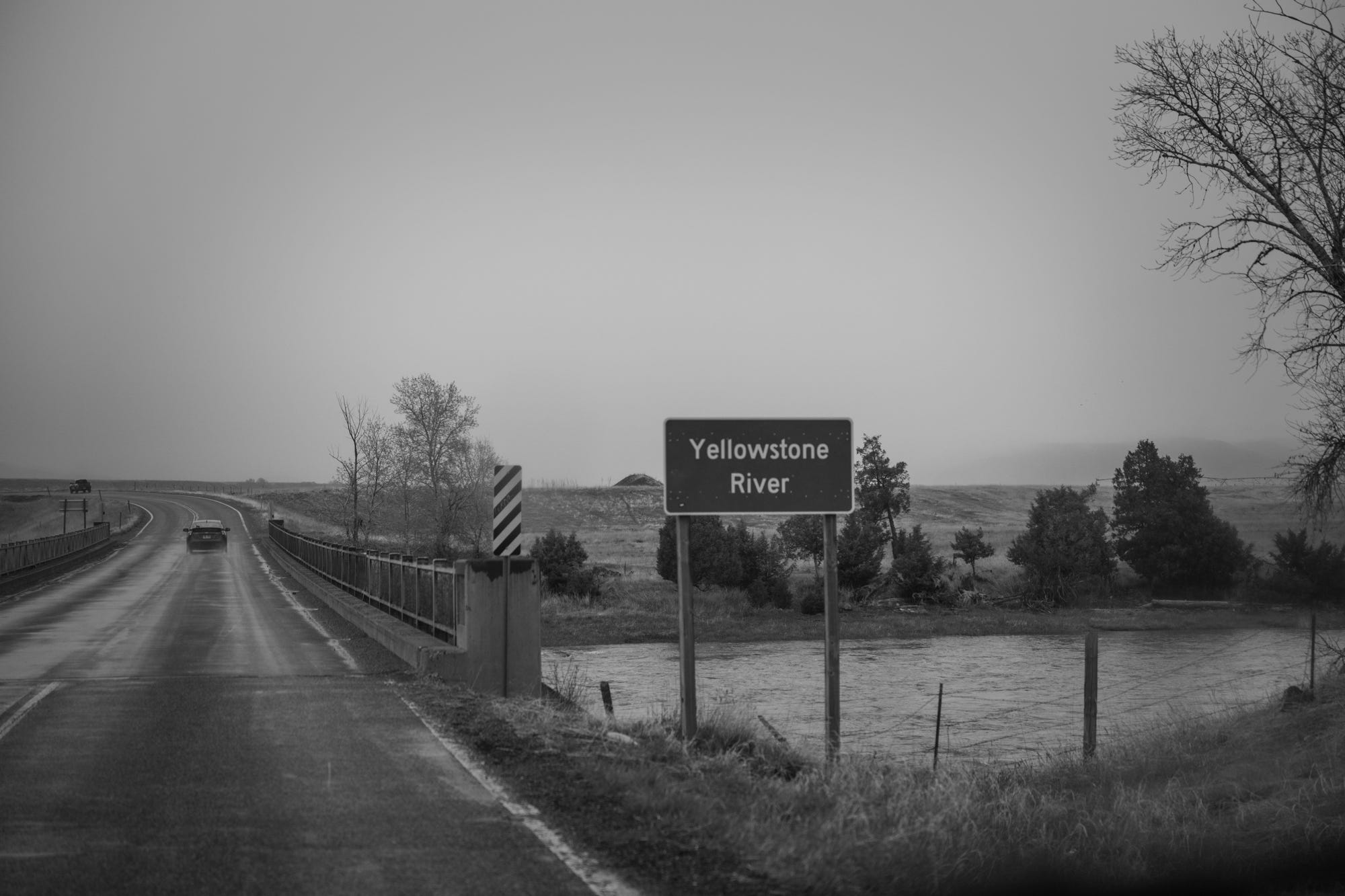
In a way, it seems like the state of Montana was smart enough to build a compact between property owners and the general public around the existential concept that no one really owns the river. The riverbank or even the underlying streambed may be privately owned, but that doesn’t necessarily eliminate the public’s right to recreationally use the water. Once you’re inside the river corridor through public access–whether you’re floating in a boat or hiking the whole thing–you can use it. You could jump in up at Yankee Jim Canyon in the southern part of the state and walk the whole Yellowstone River if you wanted.
You can. Five-hundred-plus miles of the Yellowstone River are yours to access.
It seems like that has built a deeper relationship. The state understood that these rivers mean something more than simple property ownership. The way the public interacts with private river landowners in Colorado is much more adversarial. Everyone is pitted against each other. You walk up to a river and there’s a sign that says, “No Trespassing.” As more and more money is poured into areas like Aspen and Telluride, it’s become class warfare, where someone can simply buy a river and keep everyone out. Ultimately, what’s at stake is existential, because everyone ends up losing–businesses, the rivers and the economy all lose. If you shut a whole river down so you can’t guide or fish it, it’s bad for guides, locals and the state economy. Montana was smart in how it ultimately developed its modern stream-access framework, and maybe unintentionally, they created an entire cohort of people who really value public access. Of course, you still have land and angler friction in Montana, no one is naive, but I think most people truly believe in the concept that you can’t own a river. Unfortunately, in Colorado, you can.
Well, we’re not immune to that up here either–we’ve also got those interests that have moved into the state. And that’s why our stream access standing is constantly being challenged and undermined. Every legislative session we see proposals that are introduced to either blatantly attack river access or they’re attached in a sneaky, hidden way to to a bill–all of these proposals would weaken, narrow or make it more difficult to enforce the public’s access or stream access rights. They can look fairly technical on the surface, but the cumulative effect is designed to chip away at our access in a very well-organized effort. We saw it in 2011 with House Bill 309, which was called the “Ditch Bill.” We saw it in 2023 with proposed changes affecting easements and legal costs. In 2021, we had amendments threatening prescriptive easements and historic easements. We’re not a utopia where everyone gets along 100% of the time and loves the situation. But make no mistake, if a direct frontal assault doesn’t work, they’re going to continue to chip away at it. We see it every session up here. And it’s one of the reasons we have to stay vigilant about this and we have to continue to pay attention and protect our current access.
I’m assuming the definition of a qualifying river is around navigability? If you can put a boat down it, like a canoe, it qualifies. I grew up in Michigan, and my dad was a water law attorney. Michigan has very similar public access water law to Montana. If it’s qualifying, it’s navigable, correct?
Not exactly. Montana has Class I and Class II waters. Class I includes the bigger, traditionally navigable waters and waters that meet certain commercial-use standards. Class II basically covers the other rivers and streams that are capable of recreational use. And that’s the important distinction–both Class I and Class II waters can have public recreational access. A stream doesn’t necessarily have to be “navigable” in the traditional sense for Montana’s stream access protections to apply.
So both classes are protected? Is there a class that’s not protected? I’m assuming a lake in the middle of someone’s 35,000-acre ranch is protected as private.
Right. There are definitely exceptions. A private stock pond isn’t public water just because you can throw a fly into it, and lakes are treated differently under Montana law. There are some other exceptions as well. So it’s not a free-for-all where every piece of water in the state is automatically open to the public. Montana gives us incredibly broad stream access rights, but there are boundaries–and it’s our responsibility as river users to understand those boundaries.
The spring creeks in Livingston–you can’t access them at the mouth and hike up into Nelson’s or DePuy’s?
Spring creeks are a bit more complicated, because these waters aren’t categorically exempt from Montana’s Stream Access Law. In general, if a natural spring creek qualifies for recreational use and you can legally access it, then the same basic stream-access principles can apply. The challenge with many spring creeks is finding lawful access and physically remaining below the ordinary high-water mark. There are also specific restrictions that have been imposed on certain waters, including some of the Paradise Valley spring creeks, so those situations have to be looked at individually.
Not to open a can of worms with the Ruby River case, but a public bridge where taxpayer money goes toward maintenance falls within public access. If the state or county maintains a bridge, you should be able to park, jump out and fish. But over on the Ruby, the landowner was running a barbed-wire fence right up to the abutments on a public bridge to block access. That was the contention.
If it’s a public bridge or a county road right-of-way, those are legal access points. That also includes fishing access sites, boat ramps, or wherever public land borders a riverbank. County road rights-of-way are usually defined as 60 feet–30 feet from the centerline of the bridge. You can’t walk upstream 100 yards on dry land from a bridge to get into the river, as that would be trespassing, but within that 60-foot right-of-way, you are allowed to access. That was one of the issues contested in the Ruby River lawsuit.
To go back to the chipping away, we were fishing on the south side of the Madison River at Three-Dollar Bridge last summer–I’m sure everyone knows this spot. You walk down a mile-and-a-half where there’s a homeowners association, and a landowner is running an electric cattle fence across the stream bank to an island. You can walk through the river channel on the inside of the island, and there’s an electric fence right there. Then he has signs on the bank saying if you’re touching the grass, it’s “trespassing.” He’s intentionally misreading the ordinary high-water mark to create confusion. We got into an argument with one of the homeowners, even though we were, obviously, within the high water mark. He’s putting signs on the river clearly intended to create misinformation. I’m older and have no problem standing my ground, but imagine a 25-year-old kid trying to understand these tactics and intimidation.
Yeah, and I think that’s a great example of why people need to understand the law and understand their rights. A lot of people don’t really know where the ordinary high-water mark is. Basically, it’s the visible line along the river where you can see the difference between the area that’s regularly covered and affected by water and the upland above it. It’s not just wherever the water happens to be on that particular day. And that specific situation below Three-Dollar is a little more complicated, because as I understand it, that island is actually privately owned. But that’s an important distinction: just because the island–or even the streambed–is privately owned doesn’t necessarily mean the public can’t use the water around it below the ordinary high-water mark. And the fence itself isn’t automatically illegal either. There are legitimate agricultural fences all over Montana, and the law allows for those and deals with how river users can get around them.
But your larger point is absolutely right. When you have signs telling people they’re trespassing, fences, confrontations and conflicting information, it can be incredibly confusing and intimidating. You and I might know enough to ask questions or stand our ground, but a young angler or a person new to fishing who’s unsure of the law may just turn around and leave. And whether it’s intentional or not, the end result can be the same: people stop using access they’re legally entitled to use. And here’s something a lot of anglers don’t realize: Montana actually has a law against intentionally interfering with someone who is lawfully fishing. It’s right there in the Montana Code. If you’re legally fishing and someone intentionally interferes with that activity in an effort to prevent you from fishing, that can be a violation of Montana law. I’ve had situations in the past where someone threatens to call the sheriff because I’m legally fishing below the high-water mark, and my response is basically, “That’s fine. Let’s call the sheriff and sort it out.” Because anglers have responsibilities under the law, but we also have rights, and intentionally interfering with someone who is lawfully fishing can itself be illegal in Montana.
That’s why education is such a big part of this. Anglers and river users need to understand their rights, and they need to understand their responsibilities. Respect private property. Don’t trespass. Close gates. Pick up your trash. Be a good neighbor. And landowners need to understand and respect the public’s rights as well. That’s the balance that has made Montana’s Stream Access Law work.
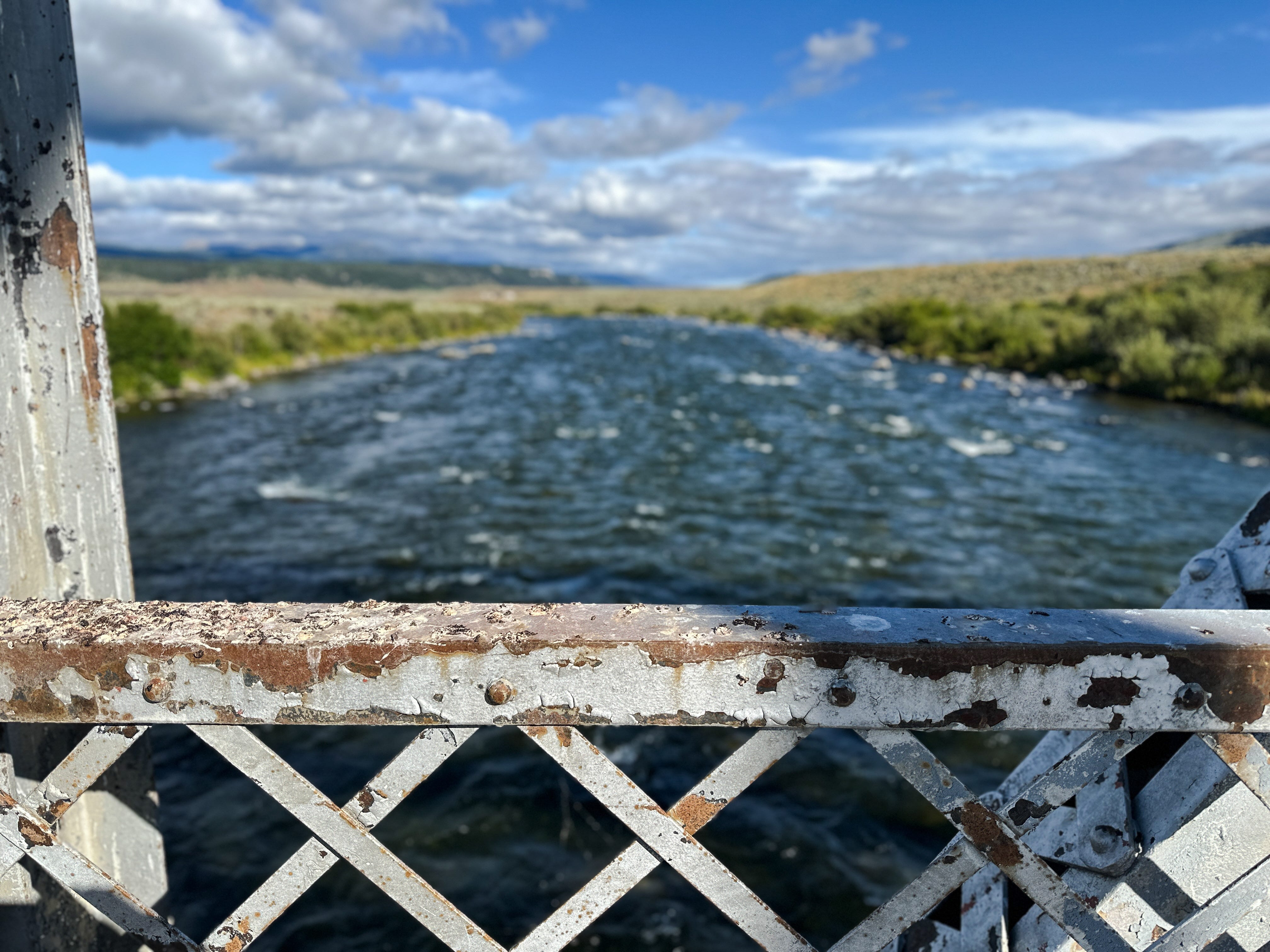
Right. You’re arguing with a guy, while half your backpack is filled with trash you picked up on his property. Are there occasions where younger anglers are getting Airbnbs, unknowingly trespassing and littering? Probably, but we also need to get to a place where we’re spending more time educating people. These new mapping apps, like TroutRoutes, could be ideal technology for educating a whole generation of anglers. I think part of what you’re doing with this event is also creating an educational opportunity for people who don’t know their way around these access laws.
That educational component is huge. When people go outdoors–anglers, hunters, backpackers, rafters, whoever–by and large, most want to do the right thing. They don’t want to be the uninformed fool that’s out there breaking the rules or making mistakes. Sometimes, they’re new to the sport and want to learn how to do things the right way. A great takeaway from this September event is the opportunity to educate people on the definition of the ordinary high-water mark, the basics of stream access laws and river stewardship. It’s our role and responsibility as anglers and river users to be educated, to take care of these resources and to respect private property at the same time.
If someone living in Connecticut, Colorado, Wyoming, or Idaho reads this interview and wants to support this cause, how can they contribute or get involved?
You can visit montanastreamaccess.com–it covers the event, stream access laws, definitions and ways to donate. Beyond that, you can support the organizations doing the work on Montana public access, like The Public Land Water Access Association (PLWA), which has been at the forefront of this issue since 1985. You can learn more at their site and donate to them. I’d also say, more broadly, whether it’s here in Montana or elsewhere around the country, we should be supporting organizations that are fighting for public water access.
These are the groups and organizations battling on the front lines, correct? When some landowner throws a fence across a public access point and says, “No Trespassing,” and lines it with barbed wire, PLWA gets the call?
You bet–that’s their job. You also can follow montanastreamaccess.com and PLWA to stay informed during legislative sessions. That gives people the opportunity to submit public comments or write letters, whether you’re a Montana resident or a visitor who comes out for a week of fly fishing. Your voice still matters. The mantra of this movement is pretty simple: pay attention, speak up and show up. Calling and emailing representatives still matters. We saw that with the public lands pushback against Mike Lee in Utah–when people voiced outrage, he backed off. There’s a famous line that we’ve all heard: democracy isn’t a spectator sport, and I would say, neither is public (land and river) access. You can’t sit on the sidelines and assume all will be well. And if you don’t have the time, then support the organizations that are paying attention.
Beyond voting with ballots, river lovers and users are also consumers who can vote with their wallets. Look at the brands you support, see who owns them, and find out where those owners stand on public access. There are brands within the fly-fishing industry whose ownership interests have been involved in legal disputes aimed at chipping away at public water access. If you buy a rod or reel from a brand whose owner actively subverts public access, that’s something anglers should know.
A brand whose owner is actively trying to subvert public access–I can tell you that’s not a brand or business or company that most anglers would want to do business with if they knew. So, do your homework. To me, there’s a pretty simple principle that if your business depends on anglers and river lovers having access to public waters, then we have every right to ask where you stand when that access is threatened.
Are you fighting for it? Are you speaking out? Are you donating to protect access, or are you actively chipping away at the foundation?
Support the companies that put their money, people and influence behind protecting access. Where we spend our money sends a message, just like where we cast our vote.
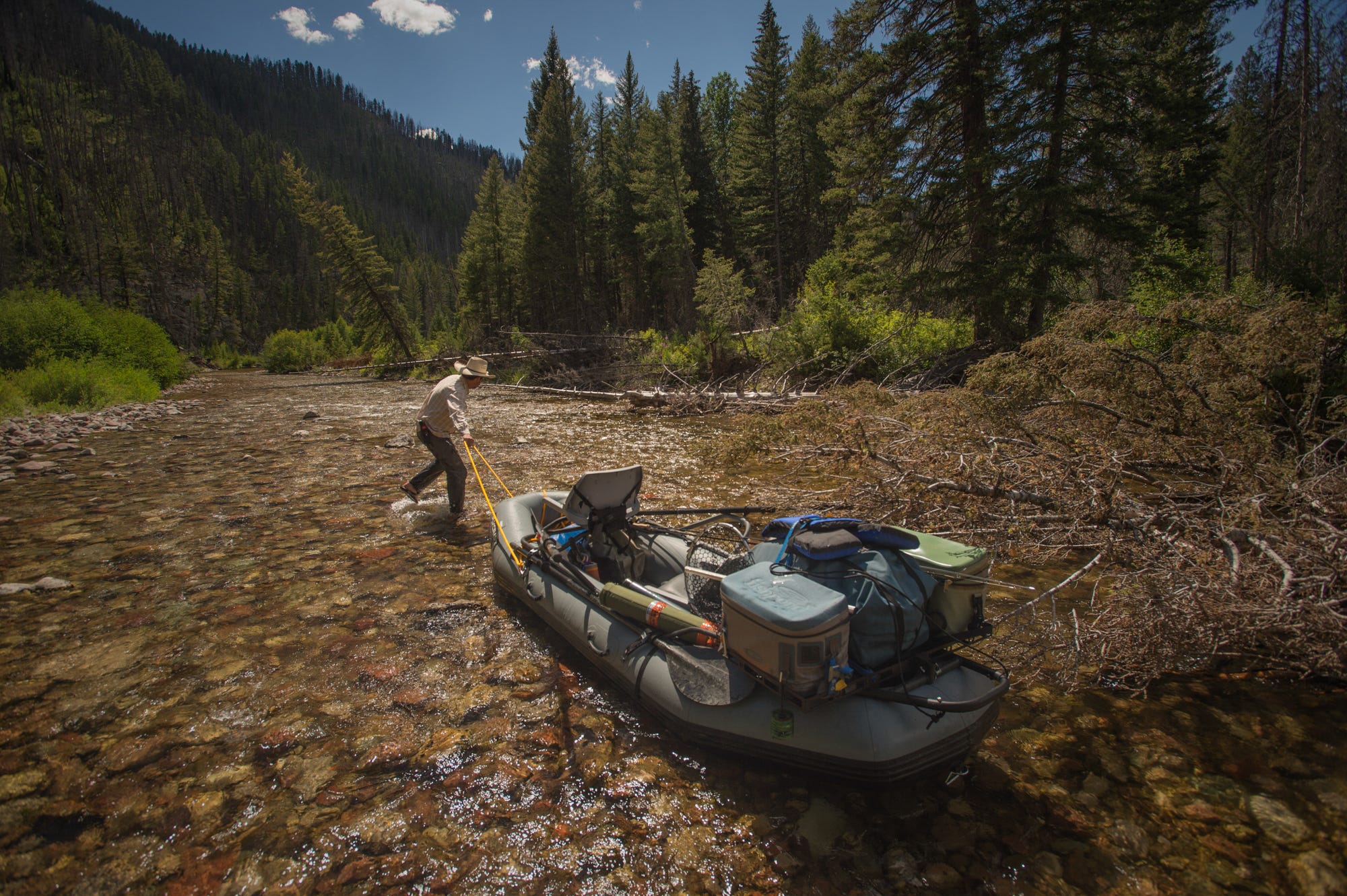
That applies to fly shops, guides and outfitters as well. Consumers should support businesses that take a stand on public access.
I will tell you this, if you are a fly shop owner, if you are an outfitter, if you are a guide, if you are a shuttle company, if you are an employee at a fishing lodge, anywhere in the state of Montana, not only do you need to be paying attention to this, but you really need to try to show up on September 17th, because this is your livelihood. If you’re in this business and aren’t staying informed on stream access and speaking out for it, or participating in events like this when they come to your area, you might need to rethink your profession, honestly.
To reiterate: this is not a partisan event. We are not telling anyone who to vote for or which party to support. We want all candidates and elected officials to know that Montanans are paying attention to where they stand on public access. Public access isn’t a Republican or Democratic issue; this isn’t a liberal versus conservative issue–it’s a nonpartisan issue that Montanans care about. Families care about access. Montana businesses care about access. The next time you’re out on the river, try pointing out the Republicans, Democrats or Independents. You can’t, because they’re all river users. And they all should care about access. That’s the bottom line.
At Flylab, we don’t do any politics per se or political endorsements, but that doesn’t mean we refrain from taking a stand on key issues. I think people use nonpartisan as a way to say, “Okay, well, I don’t really need to understand or be involved in this issue and I’m not taking a stand.” Now, that’s not actually what it means. We don’t have a stake in which way you vote and, frankly, it’s not our business, but our job as a media brand is to tell you that this issue (fill in the blank) is important and this is what we think is right and wrong about it. You don’t have to agree with us–our job is not to make you agree or disagree. But you can’t throw your hands up and say, “This doesn’t matter.” When you’re getting ready to stroke a check to some of these organizations, or you’re looking to buy a new fly rod, or you’re jumping into the booth in November to pull the lever, who are the people, brands and organizations you want to support?
To your point, Yellow Dog tries to stay apolitical on most things. We don’t put candidate signs in our windows. The one exception we make is public outdoor and stream access. We decided long ago–all our staff and team members–that we would leverage our brand for land and river access issues. If that offends a customer, I’m sorry, but if you’re a fly fisher who doesn’t value public access, maybe you’re in the wrong sport.
Sitting in the state of Colorado, where we’ve lost a ton of public river access over the years, I can tell you that there’s a lot to lose.
Yeah, absolutely. Couldn’t agree more.
To wrap up, are there any final takeaways you want to emphasize?
There are five key lessons to remember regarding stream access, whether it’s here in Montana or if they’re lucky enough to live in a state where some semblance of stream access still exists.
Number one: public access can never be taken for granted. We’ve seen the importance of that with the Mike Lee (R-UT) situation, what’s going on with the current administration and the continuous assault on public lands and public access. None of this can be taken for granted. You always have to stand up, protect it and fight for it.
Number two: strong public access rights and private property rights can and should coexist. You need to look no further than the state of Montana to see a prime example of how that can work.
Number three: this isn’t a partisan issue. This isn’t a Republican issue. This isn’t a Democratic issue. Fighting for our stream access laws is a Montana issue, plain and simple.
Number four: it’s far easier to protect public access on the front end than to get it back after it’s gone. That’s why we hold rallies like this. That’s why we gather. This is why we sound off. This is why we remind elected officials and candidates that people are paying attention. To get this access back after it’s gone is almost impossible.
And number five (which has turned into the mantra for the event and this entire movement): people need to pay attention, they need to speak up and they need to show up.
We have a lot to lose.
Let’s make sure that doesn’t happen.


Montana Coalition for Stream Access, Inc. v. Curran (1984) and Montana Coalition for Stream Access, Inc. v. Hildreth (1984) are two landmark Montana Supreme Court cases. Together, they established that the public has a constitutional right to use public waters for recreation up to the high-water mark, regardless of who owns the underlying streambed.
From American Rivers: “Across roughly 15 years of polling in the West, including Colorado College’s Conservation in the West poll, the University of Montana’s biannual Public Lands Survey, and polling by the Center for Western Priorities, voters have consistently identified access to clean water and public lands, as well as wildlife protection, as top priorities.”
Comments
Nothing yet. Say the first thing.
Sign in to join the conversation.