
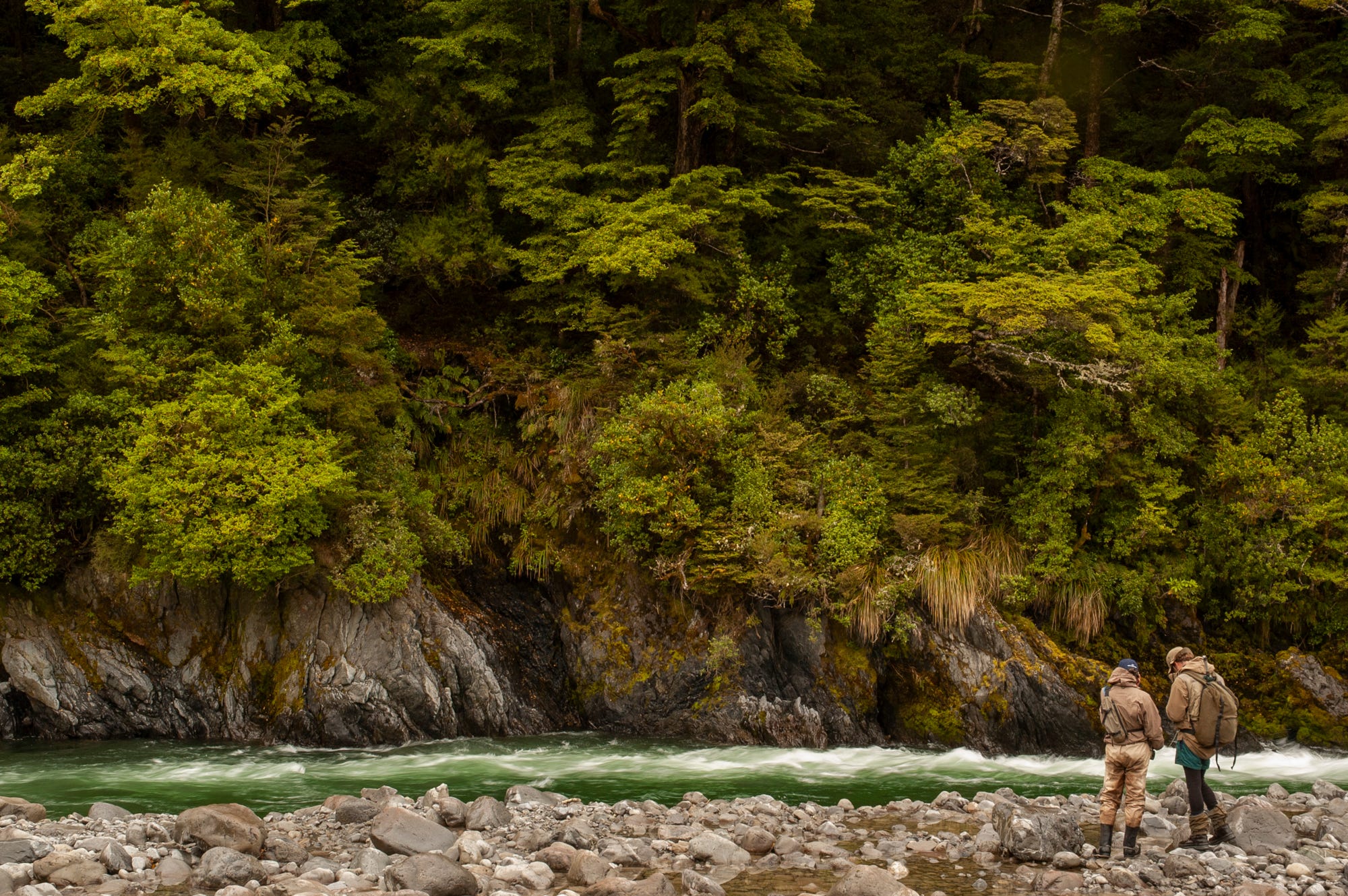
“Far away Tongariro! Green-white thundering Athabasca river of New Zealand! I vowed I would come again down across the Pacific to fish in the swift cold waters of this most beautiful and famous of trout streams. It is something to have striven. It is much to have kept your word.” – Zane Grey
In 1864 James Arndell Youl changed the fishing world forever. He organized the shipment of ninety thousand fertilized Atlantic salmon eggs aboard the clipper Norfolk from England to Australia. Unbeknownst to him, a few thousand stowaway brown trout ova from the River Itchen were snuck into some of the wooden crates that were packed with moss and stored in the ice hold of the ship. As the ice melted during the three-month journey, the moss stayed damp and cool enough for many of the eggs to survive. Soon after arrival, the ova were taken to a newly created hatchery on the River Plenty in Tasmania, and the first salmon and trout hatched within a month (the prime goal was to create a salmon fishery in the colony). After being released in the wild, the salmon were never seen again.
But the brown trout…
Oh, those brown trout, they not only survived, they proliferated. And brood stock produced more ova that were shipped to other parts of the British Empire–New Zealand being among the first places.
They also thrived there in the naturally cool, clear waters, particularly those on New Zealand’s South Island. Rainbow trout from the McCloud River in California soon followed, and were planted in rivers on New Zealand’s North Island. Today, the North Island is considered primarily the rainbow trout island and the South Island is the brown trout island, although both types of trout can be found in varying proportions throughout the entire country.
As such, New Zealand is considered one of the premier theaters for fly fishing–particularly sight fishing–in the entire world. If sight fishing is top of the fly-fishing game, the Kiwis are the uncontested masters.
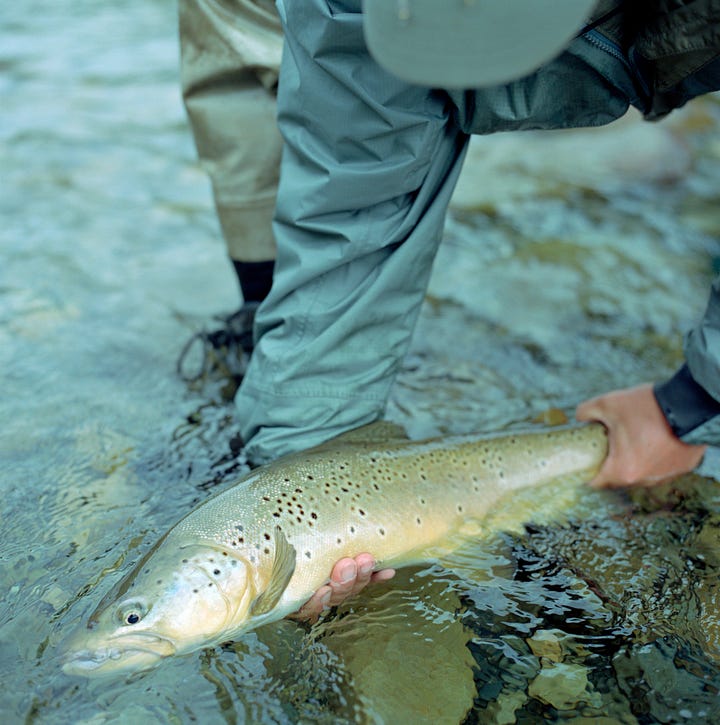
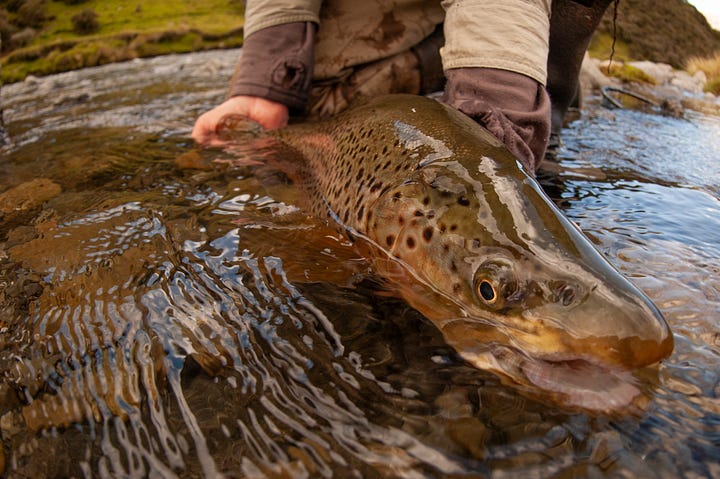
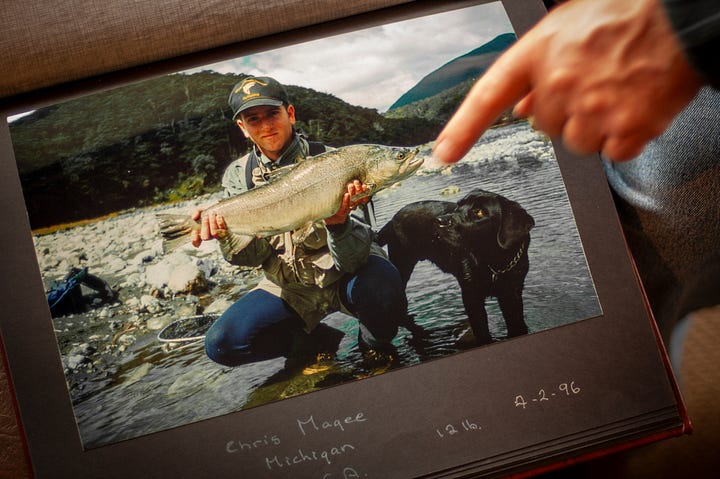

Trout fishing in New Zealand is an entirely artificial, human-influenced happening, decried by native-species purists who see the trout as invasive–yet celebrated as a renaissance in angling and a vital component of New Zealand’s thriving outdoor adventure sports economy by many others. For what it’s worth, Youl was knighted for his efforts, and now an average of twenty-five thousand American anglers visit far away New Zealand every year, just to experience this uniquely wonderful brand of fly fishing. This started nearly a century ago when writer Zane Grey first filed stories on the wonders of fly fishing here, and it shows no sign of dissipating anytime soon.
The number-one mistake many Yankee anglers make when they plan a trip to fly fish in New Zealand is to think that by traveling half a world away they’ll find the fishing to be easy. After all, they’ve likely heard tales of the giant brown trout, the “mouse hatches” and all that. So, if you journey all that way, you’re bound to find instant gratification, right?
Wrong.
New Zealand offers the most challenging sight fishing (especially dry-fly fishing) to be had anywhere in the world. It’s brutally honest, technically demanding, yet ultimately rewarding. If you have a legitimate A game, you’ll find nowhere more captivating. If, on the other hand, you’re a mere dabbler with high expectations, while you’ll no doubt end up mesmerized by the raw landscapes and the loving nature of most Kiwis, you will get schooled when you wade into these rivers to go fishing. That’s why New Zealand is considered the graduate school of trout angling, and all fly fishers should respect it as such.
Comments
Nothing yet. Say the first thing.
Sign in to join the conversation.