
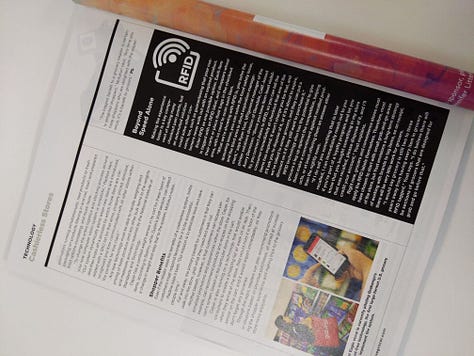
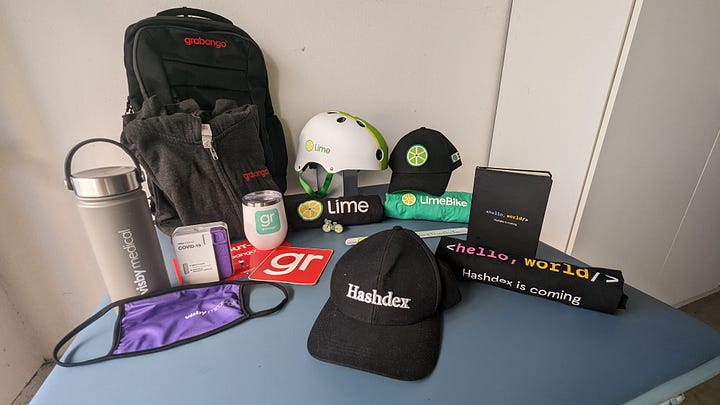
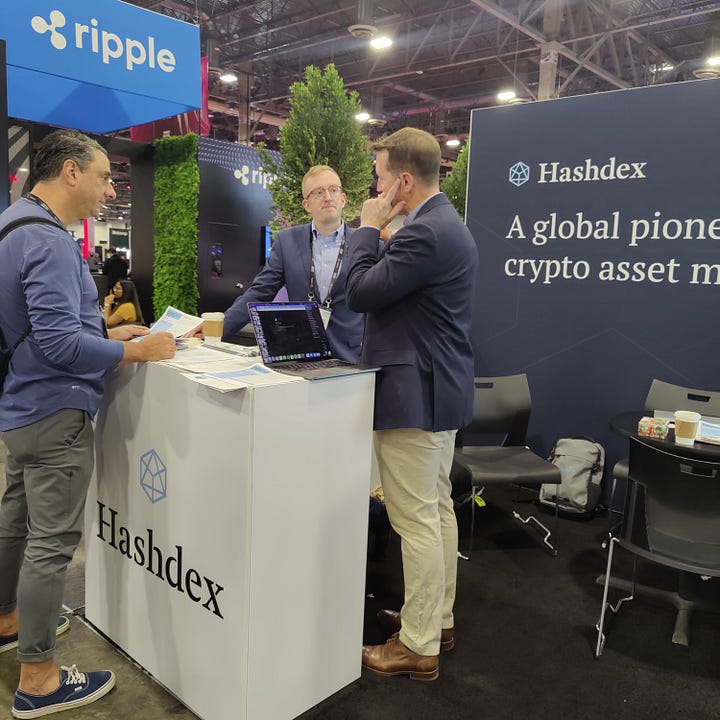
I am proud to have been instrumental in taking category leaders like Lime (micromobility), Grabango (retail tech), Hashdex (fintech), Visby Medical (health tech), Agility Robotics (deep tech), Wellplaece (AI), Major League Cricket (sports), and many other startups to market.


The goal of a go-to-market (GTM) launch isn't to create a moment. It's to ignite momentum.
A powerful launch isn't a single event; it's the first, powerful push of a heavy launch, followed by landing and establishment of market authority.
Companies that embrace my strategic approach below build devoted fanbases, instill investor confidence, secure top-tier press coverage, and generate powerful business momentum. As for the cautionary tales of those that don't? I'm saving those for Part II 🌶️.
Here’s a high-level, 5-part anatomy of a launch designed to generate business momentum and brand awareness.
Before you write a single line of code or design one graphic, you must answer the fundamental questions: Who are we? What do we stand for? Who do we serve? And why should they care?
Your brand strategy is your GTM's constitution.
Identity: This is more than a logo and a color palette. It’s your voice, your personality, your promise. Is your brand a wise mentor, a witty friend, or a revolutionary rebel? This identity must be consistent across every single touchpoint.
Strategy: This is the core message you want to own in the market. When people think of [Your Industry Problem], they should think of you. Apple owns “simplicity and design.” Volvo owns “safety.” What do you own?
Without this North Star, your media relations team is flying blind, and your content creators are just making noise. Of equal importance: your product team doesn’t know what you are building. Every other part of the launch is built on this foundation.
💡 Read our frequent collaborator’s book: Getting to Aha!, by Andy Cunningham– the brand brain behind Steve Jobs. Creating a cohesive messaging architecture is a business alignment tool.

You don’t find a community on launch day; you bring them along for the ride. The single most powerful asset in a modern launch is a core group of advocates who were part of the journey before “Day One.”
Early Access: Give a select group early, unvarnished access. Let them break things.
Listen & Build: Actively solicit their feedback and—crucially—visibly implement it. When a community member sees their suggestion in the final product, they transform from a user into an evangelist.
Shared Language: Let inside jokes and shared terminology develop. This is the cultural glue that makes a group feel exclusive and special.
Your community members are your true Day One influencers. Their authentic testimonials are worth more than any paid ad.
Content is the fuel for your flywheel. In a GTM launch, you need a strategic mix of assets designed to perform different functions.
Static Content (The 'What' and 'How'): These are your foundational pieces. Blog posts that detail the problem you're solving, high-resolution infographics that explain your process, and crisp, beautiful website copy. This content educates and builds credibility. It's the reference material for your new audience.
Video Content (The 'Why' and 'Who'): This is where you build emotion and connection.
💡 Storytelling film production houses like Flipbird.co, produce amazing video and creative work for top-notch startups and Fortune 100 companies. I know because they have been a longtime collaborator of mine. POC-owned and operated. Director Jordan Ching knows how to break down complicated concepts (a Covid-19 handheld PCR device?!) into digestible, visually stimulating assets.
Here are some video ideas:
The Founder Story: Why did you start this? Let people see the passion.
The Product Demo: Don't just show features. Show a real person's life getting easier or better.
The Community Testimonial: Short, raw clips from your first believers talking about their experience.
Static content speaks to the logical brain; video speaks to the heart. You need both to win.
While your community provides authenticity, media relations provides scale and validation.
Earning a story in a respected publication is the ultimate third-party endorsement.
This isn’t about blasting a press release to 500 journalists. It's about building targeted relationships.
Identify Your Scribes: Find the 5-10 journalists who truly cover your space. Read their work. Understand their angle.
Offer a Story, Not a Product: A journalist's job is to tell a compelling story, not to advertise your product. What's the bigger trend? What unique data do you have? How does your launch fit into a larger narrative about the future of your industry?
Give an Exclusive: Offering one key outlet the exclusive story before anyone else can turn a potential mention into a feature article.
💡 I'm happy to offer guidance on selecting the right PR consultant or agency. Throughout my career, I've interviewed over 100 agencies globally and served as an executive within several. The best agencies and consultants excel at the art of business storytelling. They possess a strong pulse on diverse industries, extending far beyond just industry press or trades. Ultimately, they must be highly intelligent, emotionally intelligent (EQ), and demonstrate creativity in their strategic approach and thinking.
This is the element most startups ignore—until it’s too late. Whether you're in fintech, health, AI, transportation, or global supply chain, you operate within a complex regulatory environment. Ignoring it is like building a skyscraper without checking the zoning laws.
Proactive Engagement: Don't wait for a regulator to knock on your door. Understand the rules of the road from day one. Introduce your company and your mission to local representatives, industry groups, and policymakers.
Build Goodwill: Frame your launch in terms of its benefit to the public: creating jobs, solving a community problem, enhancing safety.
De-risk Your Narrative: Being known as a thoughtful, compliant, and forward-thinking player makes you resilient. When regulatory headwinds come (and they will), you'll have a reservoir of goodwill to draw upon, instead of being caught flat-footed.
💡 Given the current geopolitical environment, be prepared for issue management before it turns into crisis communications. Engage and educate regulators early on and seek their feedback or buy-in. Bring them along for the ride.
The launch button is not the finish line. What you do in the 72 hours after you go live is just as important as the launch itself. This is where you convert initial energy into sustained momentum.
Listen Intensely: Monitor social media, press mentions, and community channels like a hawk. What's the feedback? What are people confused about? Where is the excitement?
Amplify Everything: Share and celebrate every positive press hit, every user testimonial, every kind tweet. Your job is to be the conductor of the praise orchestra.
Engage Personally: Respond to as many comments and questions as humanly possible, especially from your early community members. Thank them. Make them feel seen. This reinforces their decision to back you.
A launch isn't a single push. It’s a beautifully orchestrated sequence of pushes that get a heavy wheel spinning.
💡 Map out all your potential announcements for the next 6 months so there is a strong, steady cadence of newsworthy or noteworthy announcements. Treat them like individual campaigns, backed with owned content, social media push, and press outreach if the milestone is indeed newsworthy.
By weaving together brand, community, content, media, and public affairs, you don't just create a launch day. You build a launch system.
Let’s be real, we’ve seen it before.
The launch happens.
The team high-fives as the “we're live!” post racks up likes. For a glorious 24 hours, the company is the talk of the town.
And then... silence. The web traffic takes a nosedive. The buzz fades. Your sales team ends up boosting the same article or ad for the next 4 months.
A poorly planned launch often leads to stalled growth, potential public backlash, regulatory hurdles, a brand identity that fails to attract the right customers, and the launch news becomes stale. A company with no momentum…
I have a lot more to share… 👀
Part II coming up next week! It’ll be spicy.
Jack Song has led global brand and communications for several venture-backed international startups, including Lime, Grabango, and Hashdex. He has been featured in Yahoo! Finance, the Los Angeles Times, and USA Today.
He specializes in startup business operations and brand strategy, with expertise in scaling companies, rapid global expansion, and go-to-market campaigns. This led him to co-found Colony5, a GTM advisory firm.
Previously, He has also designed marketing and PR campaigns for over 150 commercial and independent films. In 2019, San Francisco Mayor London Breed appointed Jack to the San Francisco Film Commission, where he now serves as Vice President. Jack is the CMO and in-house film producer for Flipbird, an award-winning creative agency and original film production house. He also serves as the fractional head of communications for several startups.
Comments
Nothing yet. Say the first thing.
Sign in to join the conversation.