
Video is no longer a “nice-to-have” – it’s a cornerstone of any effective go-to-market strategy. For mission-driven companies, a compelling video can be the difference between obscurity and capturing the attention of your target audience.
However, creating impactful video content is a collaborative dance. As the client, understanding the rhythm and steps of this partnership is crucial to ensuring your vision is realized and, most importantly, that it delivers on the campaign’s business objectives.
This guide will walk you through the best practices for working with a video content creation team, from initial discovery to final delivery.
This is arguably the most important phase. It’s where the strategic and creative foundation for the entire project is laid. Rushing this stage is a recipe for a disjointed final product.
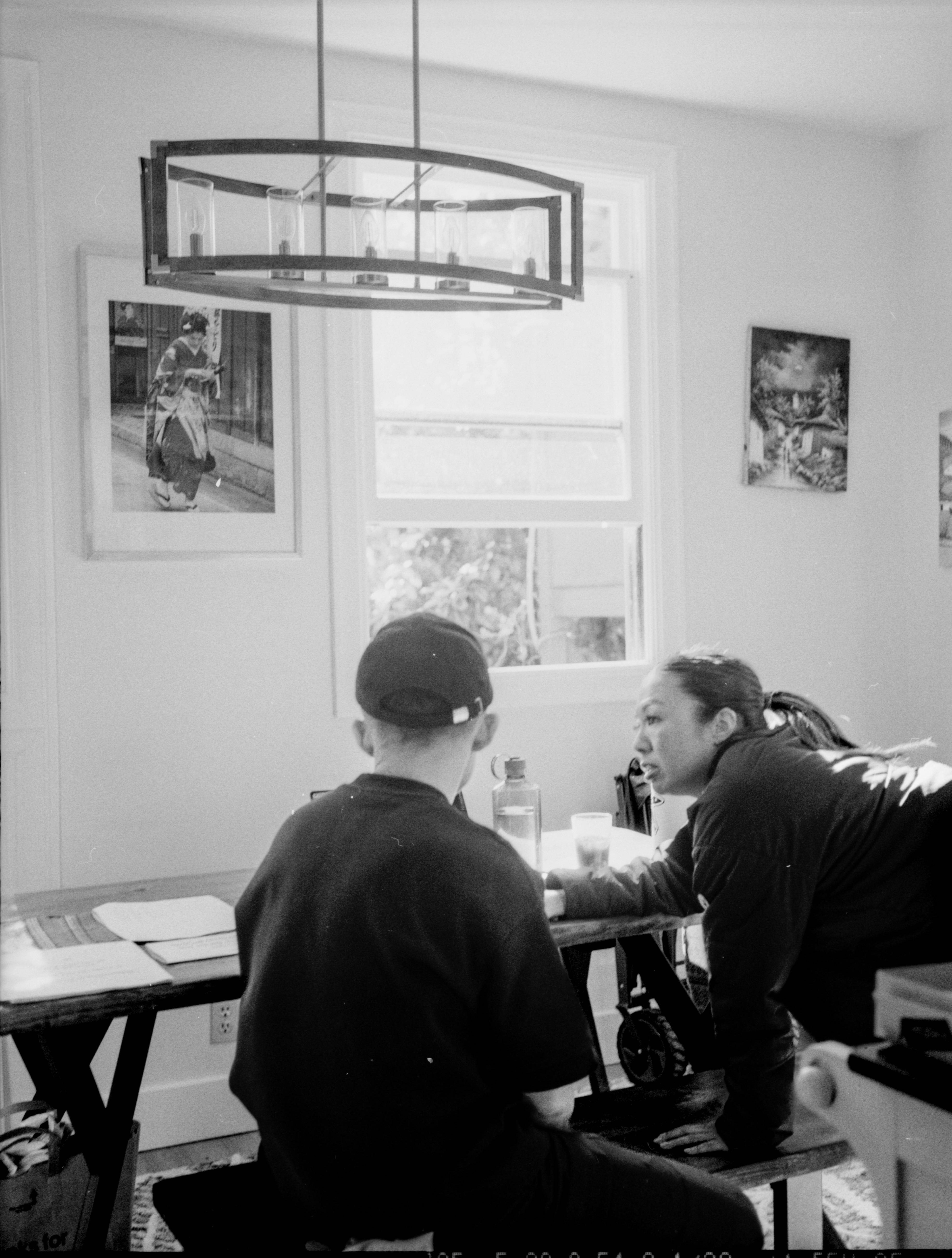
Discovery & Creative Brief: The process begins with in-depth conversations where the production team will ask probing questions to understand your goals, audience, and message. The outcome of this is a creative brief – a document that outlines the project’s objectives, target audience, key messaging, tone, style, and distribution plan. Please review this document carefully; it’s the blueprint for your video.
Scripting & Storyboarding: Once the creative brief is approved, the team will develop a script. This is your first opportunity to see the narrative take shape. Provide feedback on the language, tone, and flow. Is the messaging clear and concise? Does it sound authentic to your brand?
Following the script, a storyboard will be created. This is a sequence of images that visualizes each shot, complete with notes on camera angles, on-screen text, and action. The storyboard is your best chance to “see” the video before it’s filmed. It’s far easier and more cost-effective to make changes at this stage than during or after the shoot.
With a solid pre-production plan in place, the production phase should be the most straightforward part of the process.
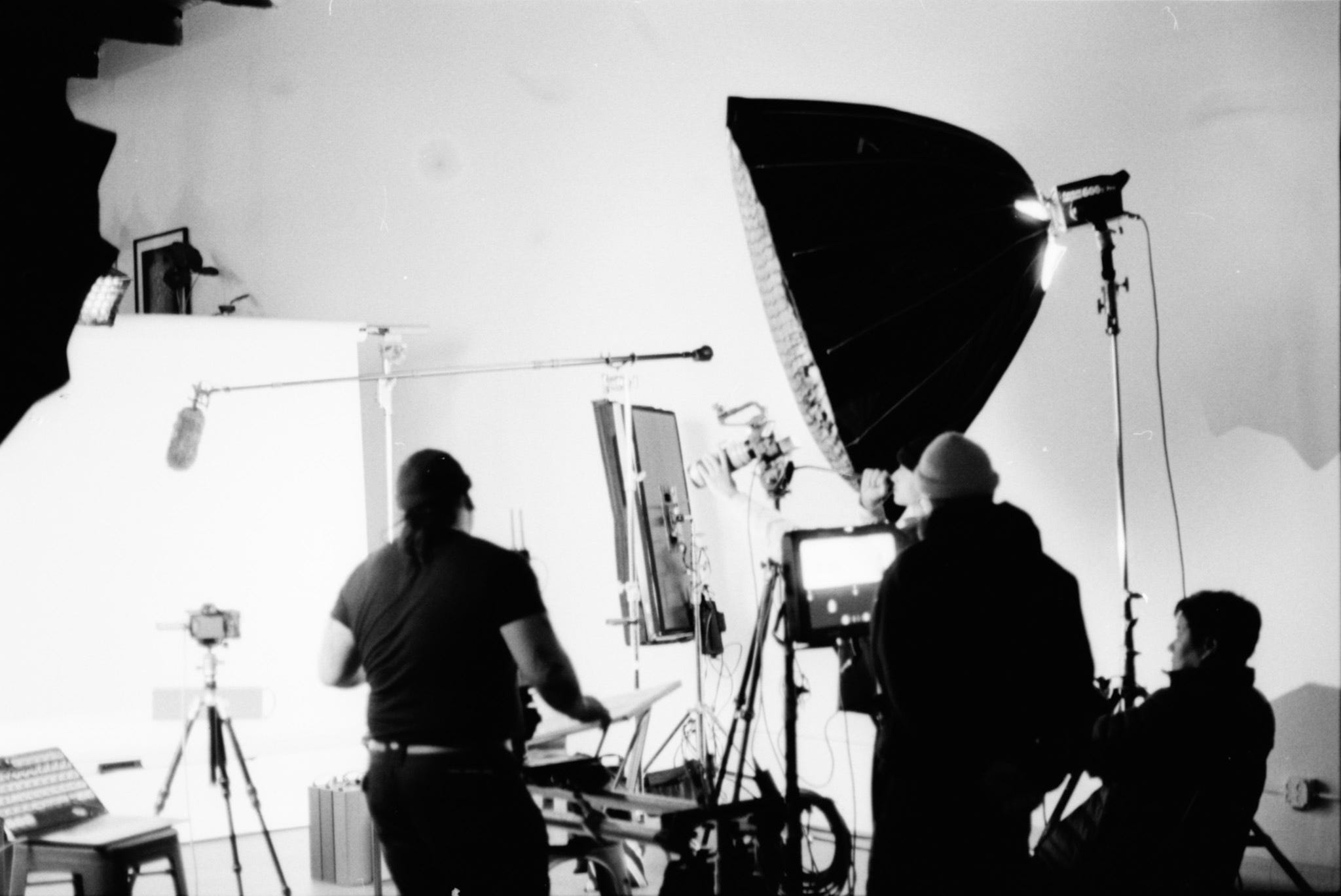
Your Role on Set: Your primary role on a shoot day is to be available to answer questions and provide clarification. If your video includes interviews with members of your team, help them feel comfortable and prepared. Trust your production team to handle the technical aspects of lighting, sound, and cinematography.
Flexibility is Key: While a detailed plan is essential, be prepared for the occasional happy accident or unforeseen challenge. The best results often come from a combination of meticulous planning and the flexibility to adapt in the moment.
This is where all the raw footage, audio, and graphics are woven together to create the final narrative.
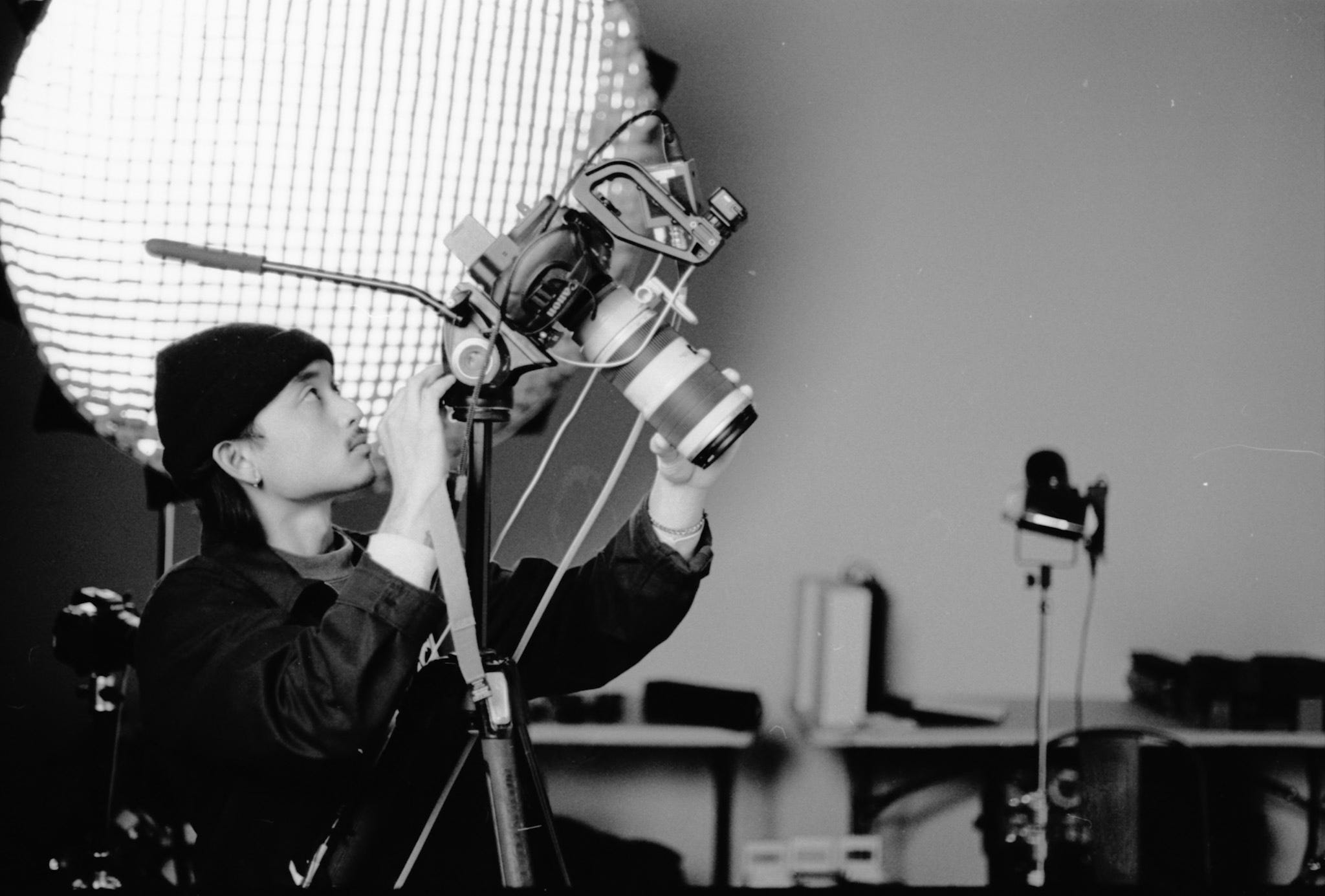
The Rough Cut: The editor will assemble a first version of the video, known as the rough cut. This is your opportunity to provide feedback on the overall story, pacing, and selection of shots. Focus on the big picture here.
Revisions and Fine-Tuning: Based on your feedback, the editor will refine the video. Subsequent review rounds are for fine-tuning details like color grading, sound mixing, and graphic placement. To keep the process efficient, it’s best to consolidate feedback from all your stakeholders into a single, clear set of notes for each revision round.
Final Delivery: Once you’ve given your final approval, the production team will deliver the video in the formats you need for your various distribution channels.
Ultimately, creating a powerful video is a partnership.
By understanding your role as a client, communicating clearly, and trusting the creative process, you can empower your video content creation team to do their best work. The result will be a video that not only looks and sounds great but, more importantly, a strategic asset that helps your startup or non-profit achieve its mission-critical goals.
… but also… hire a seasoned team… like Flipbird. ;)
Photo by Michael Ogata, co-founder and Director of Photography at Flipbird Films. As a multimedia specialist, he possesses expertise in photography, cinematography, drone operation, broadcast production, and editing. His work was recently featured in the Los Angeles Times, KQED, TechCrunch, and many other national publications.
drop us a line: hello@flipbird.co
Comments
Nothing yet. Say the first thing.
Sign in to join the conversation.