
Hello wherever you might be, welcome to or welcome back to the Finding Nature podcast and my name is Nathan Robertson-Ball. Now what a week I’ve had and having, my cup feels very full after attending conferences and events, moving forward on lots of different Finding Nature ideas and programs - including something very big for 2027 that I’m going to be very excited to share more about over time, as well as an absolutely wonderful time visiting Dungog over the weekend just gone. This episode is part of the result of that weekend, as was hitting the trails again for the first trail race I’ve done since the Takayna Ultra in March 2020.
The usual listener might be wondering - what does my interest in and pursuit of running have to do with sustainability, with Finding Nature? Well let me read something I put in my journal back in May, which hopefully answers that question:
“New dawns all over the place. Through my dismantling is the dawn of wanting to go long on foot again - to ultra. To be with one of the world’s best this week, to go up to Ultra Trail Australia yesterday, to be feeling the love of running that has been coming back into my life over the last month, it feels inevitable.
To find my nature - and to stay with it - means being in connection with my body, which is running. To see and explore place and potential, with self and others, is running.
Few things in my life have I loved more than long and very long distance running. Now the urge, the desire, the yearning for, has returned. Been about six years since I last did - wow, where has time gone - the time to go again is here.”
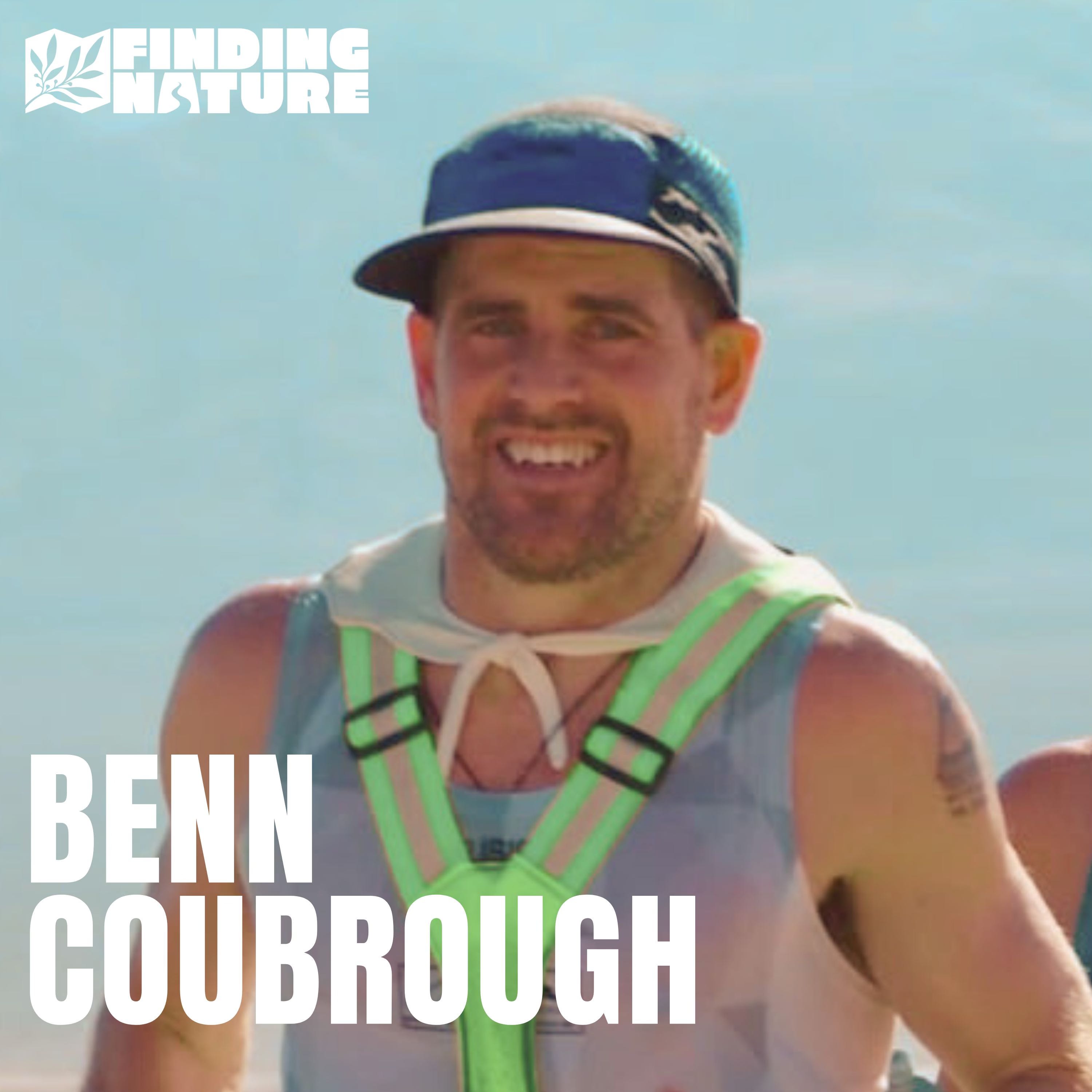
Heading up to Run Dungog was what I signed up for, but after I’d completed my registration they announced that Benn Coubrough was also going to be there - and Benn is today’s guest. I couldn’t believe it - the race I’d selected to go in after six and a half years was going to host one of Australia’s greatest ever ultra distance runners, and most likely one of the best athletes in Australia in any sport at the moment. So I reached out to Ben about whether he’d like to be on the show, and he said yes. Then I thought maybe this was the opportunity I’d been looking for to do a live podcast recording. So I asked Benn, and he said yes. So I reached out to Dan at Run Dungog about being included in their weekend of activities, and he said yes. Then we spoke to the team at the Tinshed Brewery on the Main Street of Dungog, and they said yes, and like that, the format I’ve been wanting to do for a long time was going to happen.
On Saturday we were joined by locals and travellers to listen in to what you’re about to hear. And what a story this is. Ultra distance runners and sustainability professionals have a lot of common characteristics in my mind - determined, seekers, mutants, caring, community oriented, mission focussed, and I think you’ll love this conversation even if the idea of running around the block is something you detest.
Benn’s epic adventures in races like Badwater 135, Moab 240 and Coast to Kosci are remarkable, and the insights and lessons he shares on mindset, discipline, joy and going for it are applicable to everyone out there.
Finding Nature on Apple Podcasts
Each week I find three resources from the Altiorem library to supplement the conversation I’ve had. Today, check these out to further your intellectual stimulation and generate your creative juices.
The board playbook: Winning strategies for long-term value creation
Policy portfolios: Empowering long-term thinking and tactical flexibility
Target-setting protocol fourth edition
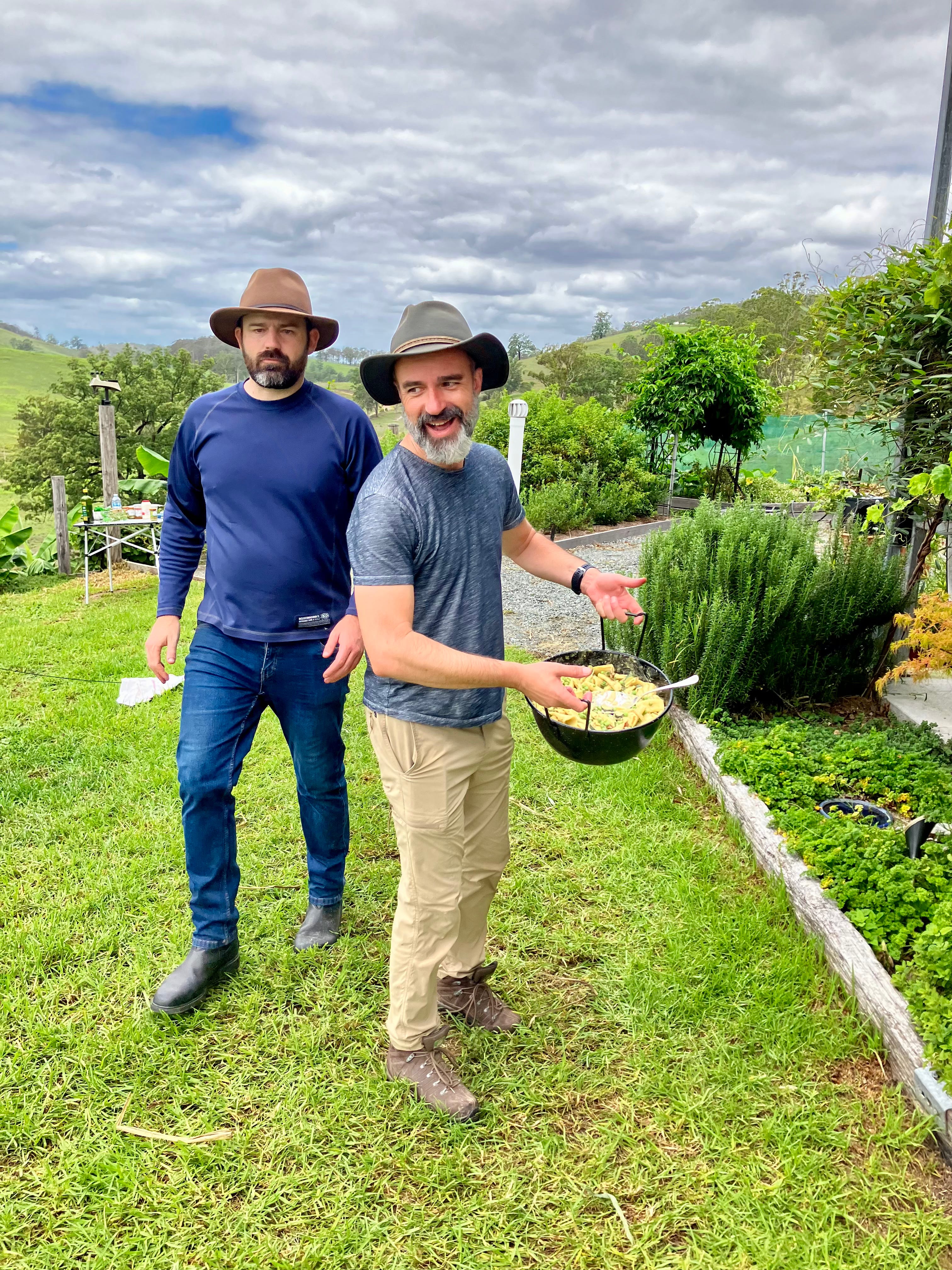
We have a Supper Club, film screening, deep time walk and four day farm stay coming up at Djanaba Farm. Looking for nourishment, belonging and wisdom? Finding Nature has you covered.
The question asks one of the most fundamental we will - I am sure of it - need to ask as individuals, with our loved ones, as societies and a global civilisation.
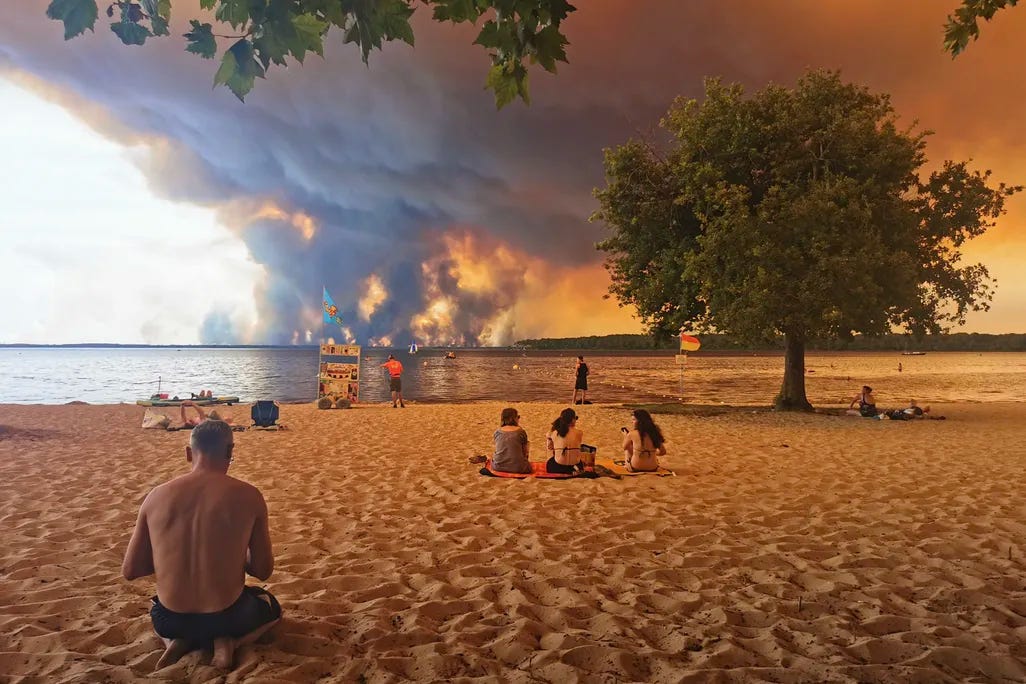
I got an email from John Vaillant (and former guest on episode 78) over the weekend who I think has written The Gold Standard on the world to come - 'Fire Weather; A True Story From A Hotter World' - alerting me of his most recent piece for TIME. Below is an excerpt from the article that's easily searchable, and more than worth your time (as is the book). It's a heartbreaking, terrifying reading. The visceral nature of fire is a primal experience. We all know what fire is, what it feels like - from an oven to fireplace to campfire. When our best human inventions are rendered entirely useless in the face of the fires we now face, the fundamental questions to be considered and attempted to be answered get longer.
With a summer of intense heat incoming for Australia, and memories and traumas of Black Summer ready to be triggered, if that was overwhelming for what human could attempt to do, what happens if we get a pyrocumulonimbus fire cloud on the outskirts of a major city, or worse, within its boundaries?
"The ultimate expression of such a fire (so far) is the pyrocumulonimbus fire cloud or pyroCb, a colossal fireborne weather system that rotates like a hurricane, can shroud a major city in choking smoke, and puncture the stratosphere, allowing its mushroom cloud to achieve altitudes normally reserved for intercontinental jets. In order to oxygenate themselves, these massive systems inhale huge volumes of fresh air from the surrounding area, much as a hurricane does, and with similar effects on windspeed. These massive fire weather systems, once an anomaly only seen over volcanoes, did not enter the vocabulary of fire scientists until the late 1990s, when atmospheric CO2 reached 370 parts per million (ppm)—about 30% higher than pre-industrial levels. It was only in the 2000s that wildfires, formerly seasonal events for which there was a well-rehearsed response, became able to generate these self-perpetuating and uncontainable firestorm clouds on a regular basis. Since 2016, they have become a feature of major fires across the North American West, but until the past year or two, they were virtually unknown in Europe. Matchstick-dry pine plantations in Gironde, France generated what is believed to be that country’s first-ever pyroCb just last week. Today, atmospheric CO2 is pushing 430 ppm, more than 50% higher than pre-industrial levels. This matters to all of us because once a fire generates a pyrocumulonumbus cloud, it can perpetuate itself almost indefinitely by creating its own fiery weather, including ember blizzards and lightning strikes able to ignite fuels well beyond the current perimeter of the fire. Nothing and no one can stop a pyroCb save for a regional change in the weather, or an ocean-sized body of water."
No posts
Comments
Nothing yet. Say the first thing.
Sign in to join the conversation.