
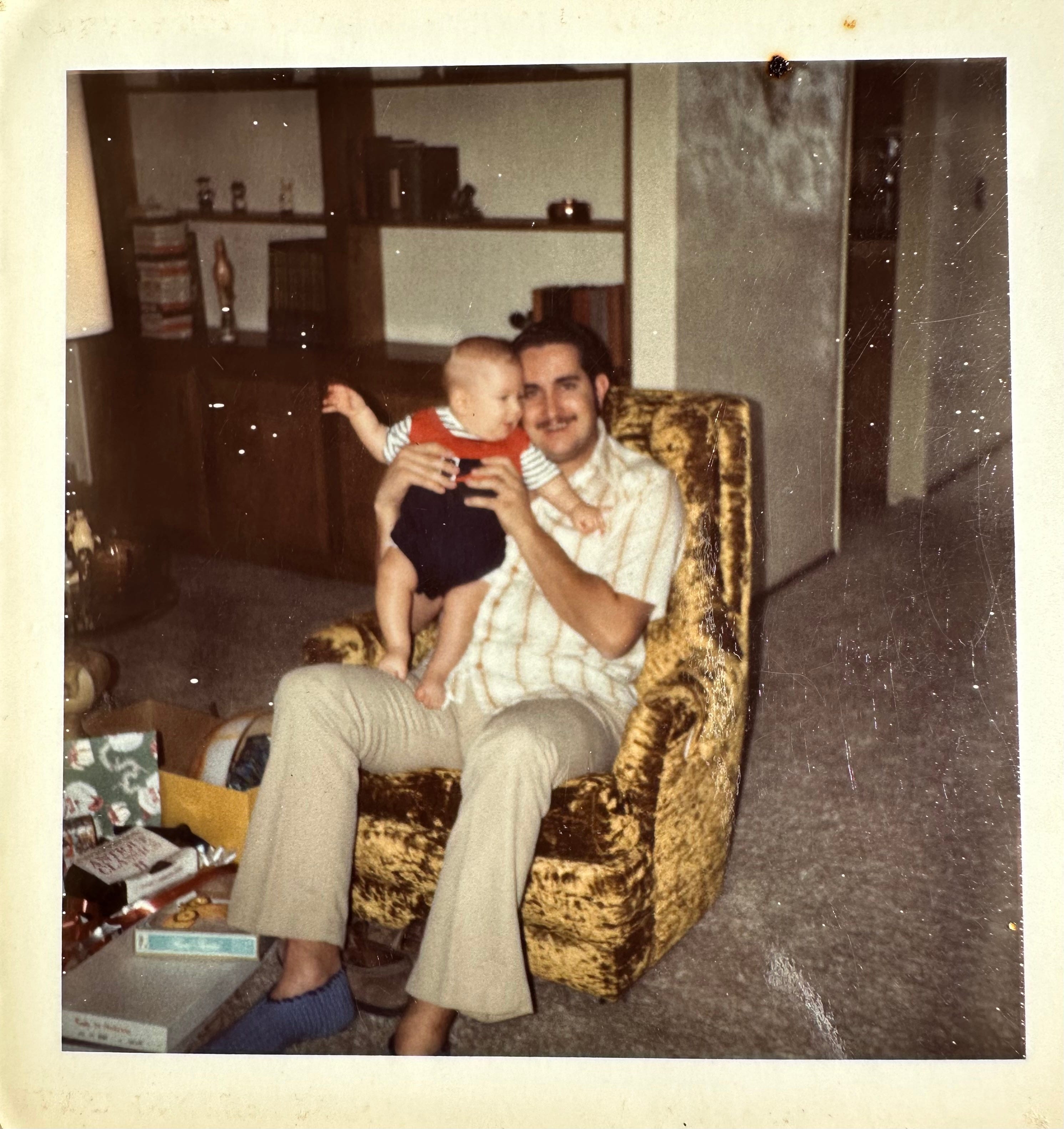
I didn’t really have a dad. Not in the way that counts.
Yes, he was technically around, we lived in the same city my entire childhood, but he drifted in and out of my life like weather. Unpredictable. Distant. Absent even when near.
There were long silences. Forgotten birthdays. Promises unkept. He seemed to believe that if I ever needed him, I’d simply pick up the phone. But parenting doesn’t work that way. And neither does love.
Eventually, in my mid-twenties, I stopped reaching out. Not entirely out of anger, but more from a kind of resignation. I had burned out on being the only one trying. The only one who seemed to care.
I wasn’t waiting for him to change. I’d stopped hoping he’d become the father I needed long ago. All I ever wanted, really, was for him to want to know me.
When he died of lung cancer in 2013, I didn’t know. I had moved to Seattle a few years earlier, and with no real tether left between us, no one thought to tell me he was sick.
Worse, no one told me he had died.
I found out over a year later.
That moment shattered something in me. It threatened to confirm the deepest, most painful belief I’d carried my whole life:
That I didn’t matter.
That I was forgettable.
That even in death, I was left out of the story.
That kind of grief doesn’t arrive all at once. It doesn’t thunder in like heartbreak often does. It slips into the cracks of your days, lingering in the shadows of what could’ve been.
It’s not just the grief of death. It’s the grief of being excluded from the ending.
The grief of never being truly seen by someone who should have known you best.
It took years to stop minimizing the pain. To name it. To let myself feel the anger, the sorrow, the sharp emptiness of being fatherless in all the ways that mattered.
To admit, finally, that I never really had a dad.
And that I still wish I had.
But real healing didn’t begin with forgiving him. It began with turning toward myself, with learning how to sit beside the parts of me that were abandoned.
The child who felt unwanted.
The young woman who kept hoping.
The adult who learned to carry it all with grace but still, sometimes, flinches at the sting.
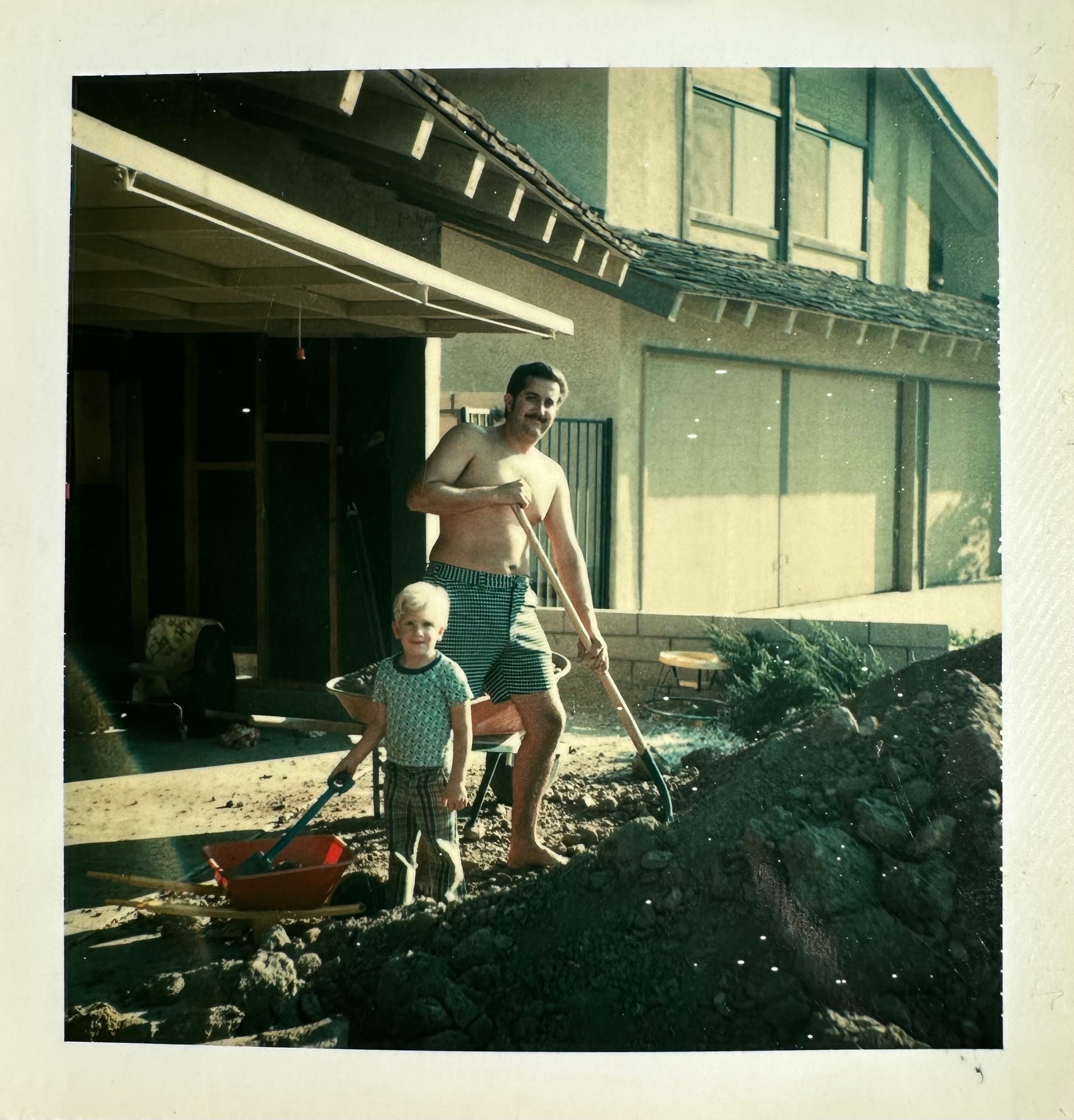
Even though he’s gone and can never offer me a different ending, I’ve learned how to offer one to myself.
I will never know what made him feel so undeserving of love that he chose distance over connection with his only daughter.
I will never understand why he let all that love slip through his hands.
But I can see him now with clearer eyes.
As a man shaped by wounds I’ll never fully understand.
As someone limited by what he was given, and what he never received.
Maybe he did the best he could, even if it fell heartbreakingly short of what I needed.
And from that place, I’ve found a softer kind of forgiveness.
Not erasure. Not absolution.
But a hard-earned peace with the father he wasn’t, and the love I’ve learned to give myself in his absence.
It’s taken me a lifetime to get here.
But here I am.
And if Father’s Day feels heavy for you—for what was or what never was—I want you to know: You are not alone in that kind of grief.
I see you.
No posts
Comments
Nothing yet. Say the first thing.
Sign in to join the conversation.