
Somewhere in my late 30s, I found myself panicking about time. Everyone in my family had died too young—my parents barely made it to their 60s, and later my brother would die at just 46. I had no living examples of what it meant to grow old, no elders to show me the way forward. That silence, that absence, shaped how I came to understand both grief and aging.
Getting older wasn’t something I feared—it was something I had never witnessed. And without a map, I was left asking: Who will I become if I’m lucky enough to keep going? How do you step into years you’ve never seen lived before? How do you learn to age with grace when no one ever handed you that story?
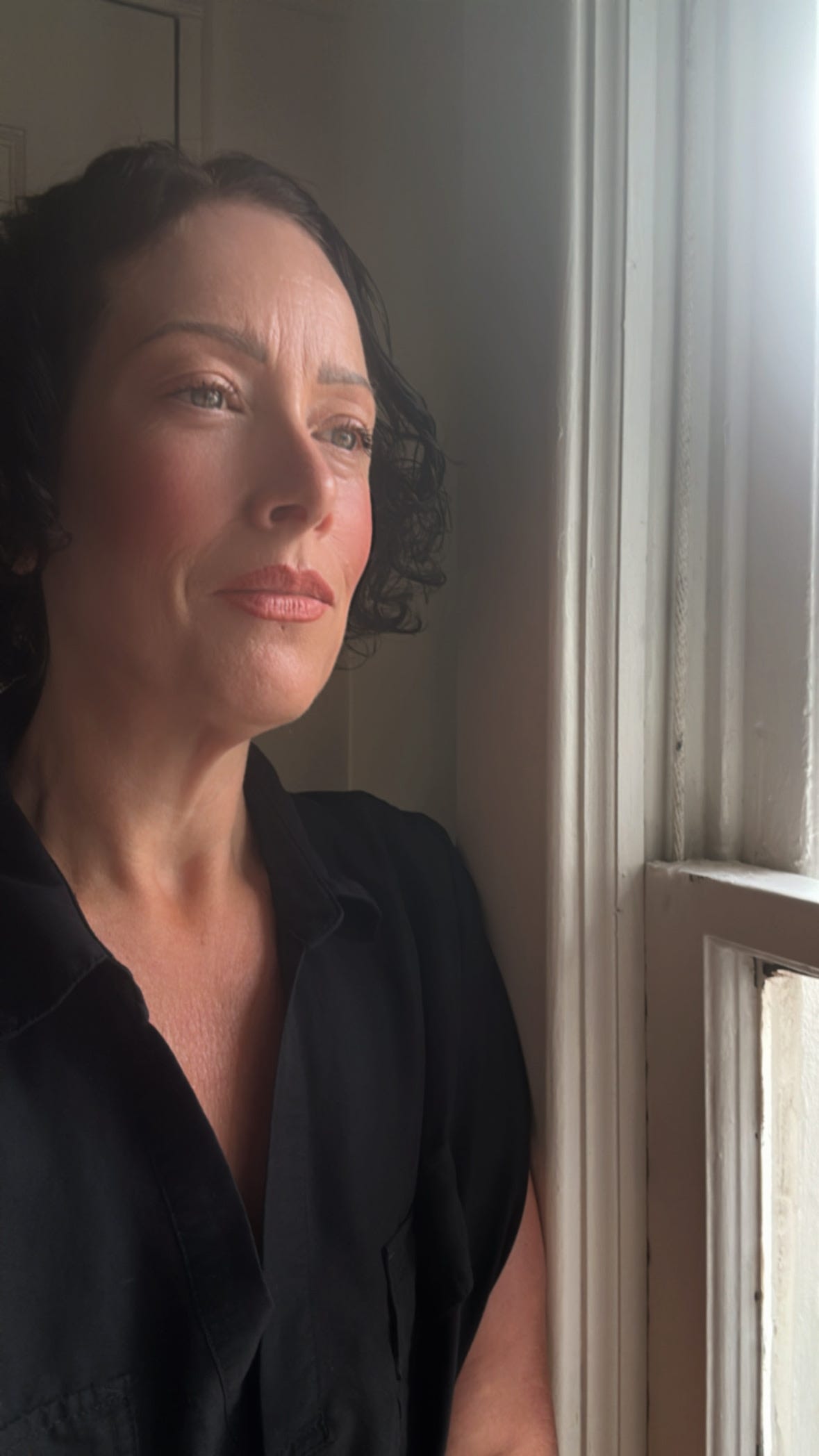
There is a strange moment when you pass the age your loved one never reached. At first it can feel almost like you’ve crossed a line they weren’t allowed to. It can stir guilt, disbelief, even anger: Why am I still here when they aren’t?
But over time, that same moment can become an initiation. You realize you are living not only your years but theirs too. Their story ended, but yours kept going—and in some way, you are carrying them forward. A birthday you once dreaded becomes sacred; a season they never saw blooms before your eyes; a milestone they missed is suddenly yours to cross.
So many of us will experience this if we live long enough. Outliving a parent, a sibling, a friend changes the way you hold time. Every candle you blow out, every wrinkle you earn, is a reminder of what they lost and what you’ve been given. Aging gracefully means learning to hold both: grief for the years they didn’t get, gratitude for the years you still do.
The way we understand the people we’ve lost keeps changing as we age. When we’re young, they can feel almost untouchable—older, wiser, like their story was already complete. But as the years bring us closer to the age they were, or even carry us past it, the picture begins to shift.
Suddenly, we see them with new eyes. We notice how young they actually were, how much life was still unfinished. The struggles that once confused us begin to make sense because now we’ve lived some of our own. Their mistakes, their tenderness, their weariness—all of it feels more familiar.
And that’s the subtle gift of time: we don’t just miss them, we keep learning them. Over and over, with each season of our own lives, we discover something new about who they were. And often, what rises to the surface isn’t judgment—it’s compassion. A softer recognition that, just like us, they were still becoming.
Grief doesn’t disappear. It changes. It softens around the edges, shows up in unexpected ways, and slowly becomes woven into who we are. Some days it arrives with a sharpness that takes your breath away; other times it lingers more quietly, like a shadow at the edge of your day. Over time, it reshapes itself into memory, into gratitude, even into tenderness.
And here’s the surprising part: a lot of time may pass between then and now. Decades, even. Whole chapters of your life will unfold—marriages, children, careers, moves, joys, heartbreaks—and still you will carry their memory. You will always hold the experience of losing them. Not as a burden pressing down, but as a thread woven through your story, a reminder of the love that helped shape who you are.
Aging gracefully means allowing this truth to soften you rather than harden you. It means accepting that grief is not an intruder but a lifelong companion, one that shifts form as we change. It asks us to stop demanding an ending and instead learn how to live with loss as part of the fabric of our lives. And strangely, in making space for grief to stay, we also make space for a deeper reverence—for love, for time, and for the fleeting beauty of being alive at all.
No posts
Comments
Nothing yet. Say the first thing.
Sign in to join the conversation.