
Kia ora,
Slightly later hitting send than I’d planned, here’s another monthly roundup of stories I’ve been tracking on tech, AI and accelerating global change here in Aotearoa New Zealand. Thanks for reading!
ℹ️PSA: Fast Forward Aotearoa emails are best viewed online or in the Substack app.
This newsletter is produced with the help of Memia Sensorium, using AI agents to ingest multiple news feeds, scan articles and collate / summarise articles below.
As with all AI outputs, expect errors, hallucinations and Americanizsed spelling1 …Please click through to read the original linked articles that interest you - images are generally those included in the RSS syndication feeds of the articles being linked to.
(Of course, if you’re not a fan of AI-generated writing or summarisation, or if these digests aren’t for you, then please feel free to unsubscribe using the link below. Thank you!)
I recently sat down with The Kākā’s Bernard Hickey to talk through the implications of Citrini Research’s scenario exploring AI’s impact on the future economy:
🧲🔥🇳🇿 Levitated Dipole Fusion
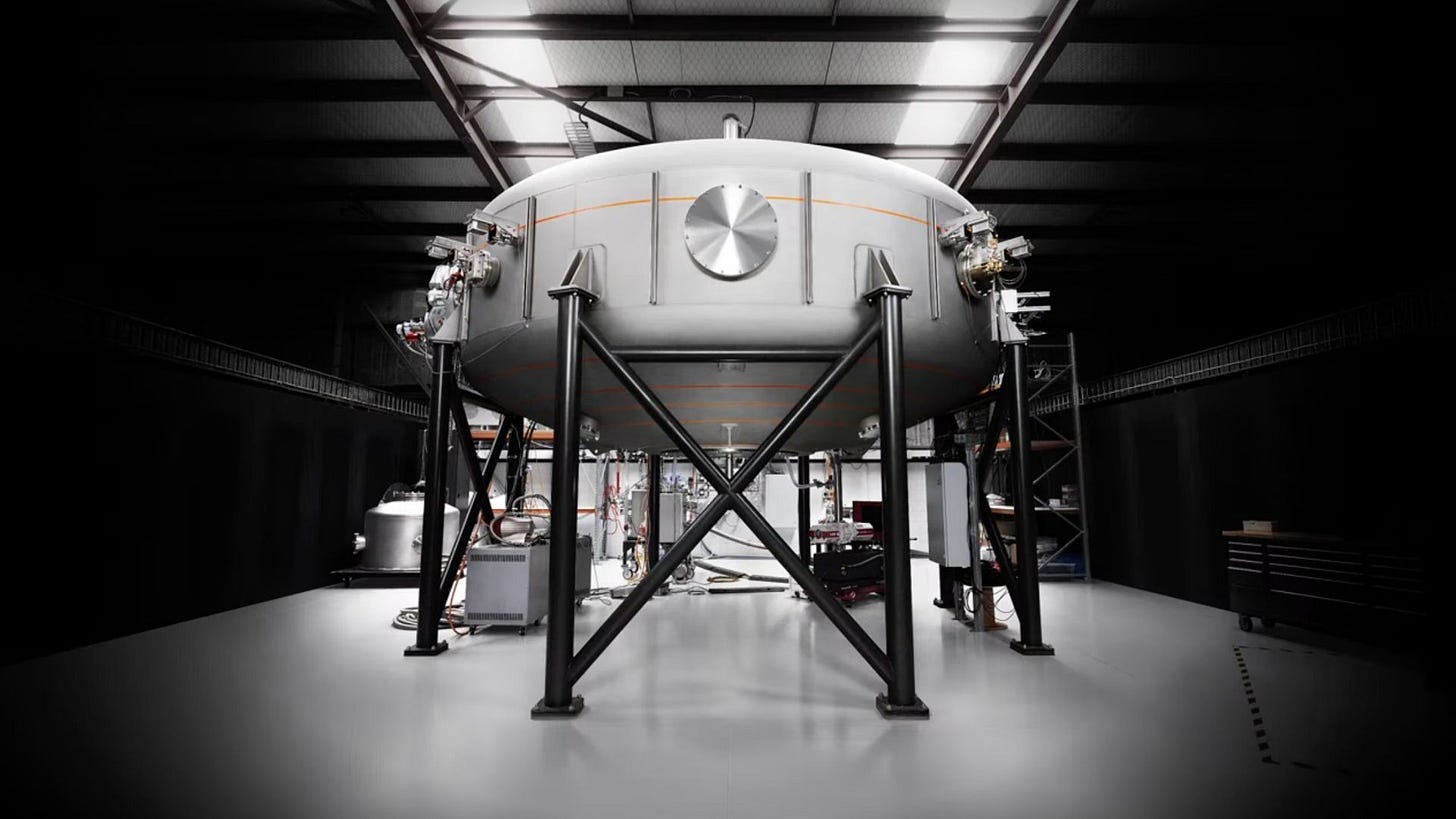
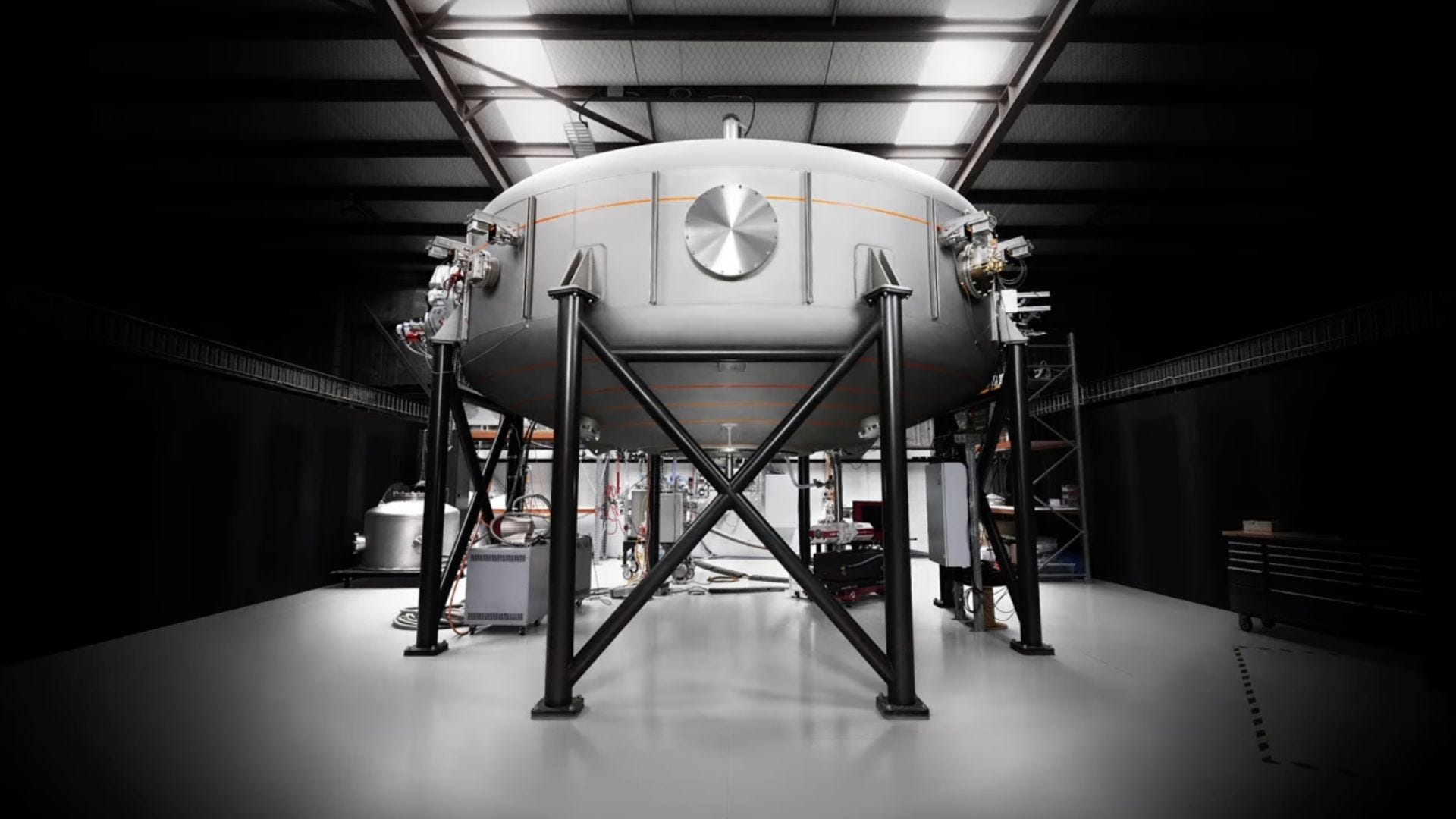
This month’s genuine highlights of kiwi technological achievement, Aotearoa’s OpenStar Technologies successfully confined plasma at over 1 million degrees Celsius using a levitated half-tonne superconducting magnet—no mechanical supports, just magnetic levitation holding the hardware inside a 5-metre vacuum chamber. Their US$10 million “Junior” prototype demonstrates a levitated dipole configuration that mimics Jupiter’s magnetic field structure, potentially offering advantages over conventional tokamak designs by eliminating heat-loss pathways through physical supports.
Writeup from Chris Keall in the NZ Herald: In Lower Hutt, a half-tonne magnet levitates - a key step toward an era of clean, super-abundant nuclear fusion energy The startup built this first-plasma milestone for under US$10m in two years—orders of magnitude cheaper and faster than the multi-billion dollar tokamak projects in Europe and the US—and just secured $35m in government funding toward their next reactor, Tahi, which should hit 11 million degrees C in ~2.5 years.
Peter Griffin sits down with BusinessDesk journalist Greg Hurrell on The Business of Tech to discuss the background to the company and the potential for New Zealand-based nuclear fusion.
Here’s a wrap-up video:
(Also here’s the full SpaceX-like “livestream” of the event… pretty dry but top comedy moment as the country’s Prime Minister is allowed to press the button (about 2hrs in…) Flight of the Conchords eat your heart out…
🇳🇿🔮🛡️ Kiwi Defence Futures
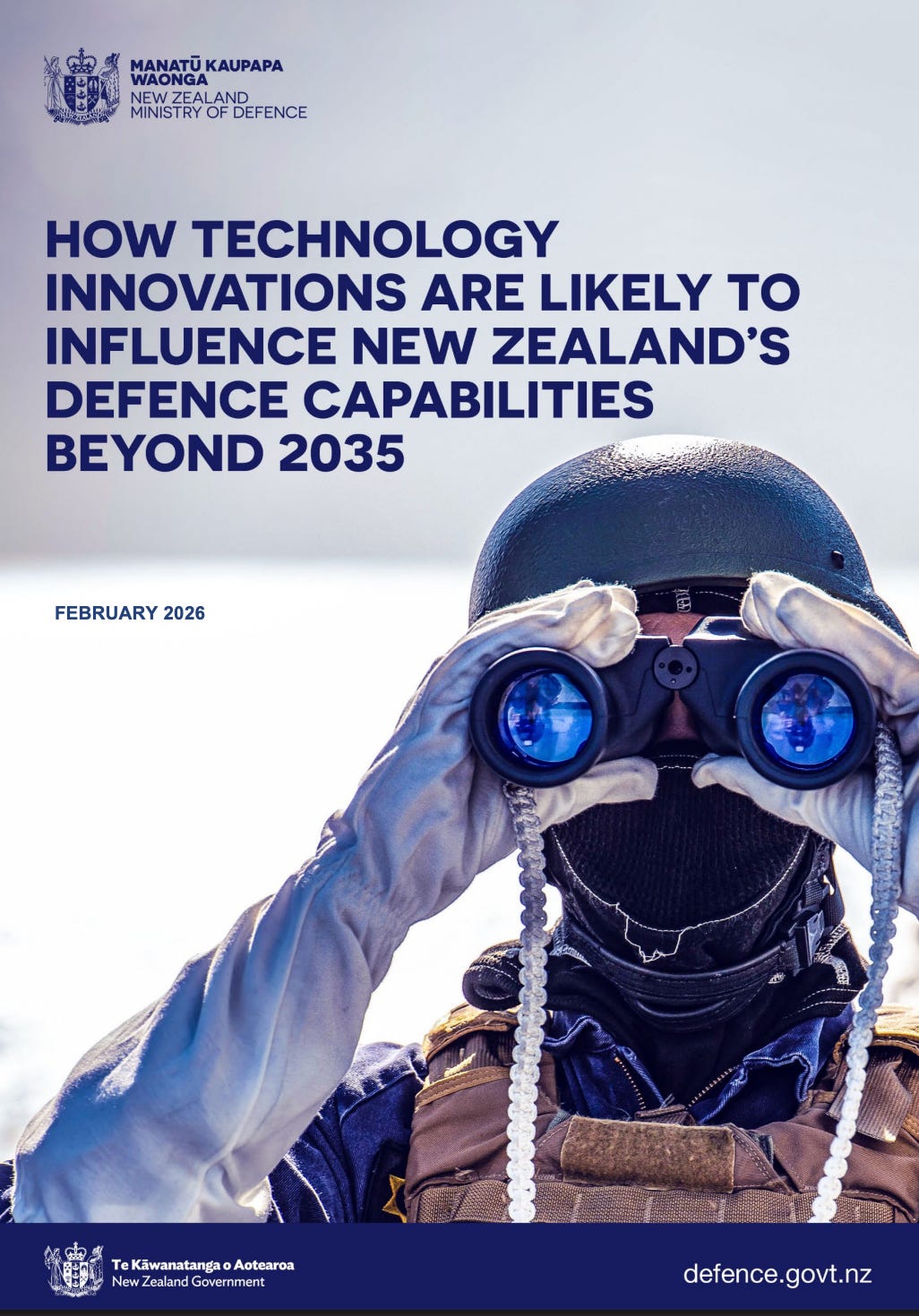
The Ministry of Defence has published a remarkably transparent long-term technology assessment examining how AI/ML, autonomous systems, quantum computing, and cyber-electromagnetic capabilities will reshape military operations beyond 2035—and openly acknowledges using Microsoft Copilot to help draft portions of the document itself. The briefing identifies three critical shifts: from human accountability by default to accountability by design; from hardware-centric to software-defined capabilities; and from public engagement to genuine public inclusion in defence technology decisions.
🛡️🥝🌐New Zealand cyber security strategy for 2026-2030
New Zealand’s Department of the Prime Minister and Cabinet has released its Cyber Security Strategy 2026–2030, built around four pillars — Understand, Prevent & Prepare, Respond, and Partner — with an accompanying 2026–2027 Action Plan prioritising the hardening of critical infrastructure. The strategy leans heavily on a “whole of society” framing, acknowledging that cyber threats are increasingly borderless and that no single agency can hold the line alone.
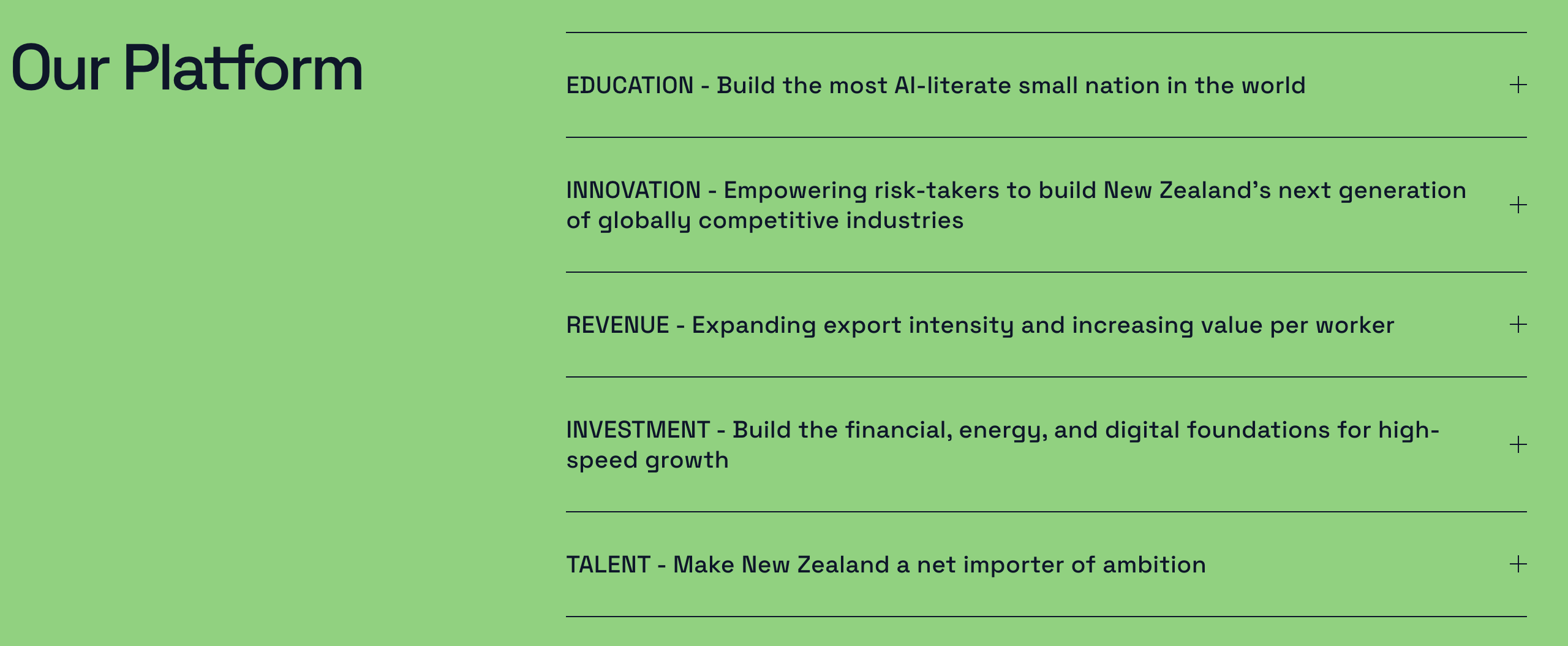
🥝📈🤦Growth NZ targets 5% GDP growth to reverse Kiwi brain drain … but at what cost?

A new coalition of New Zealand business leaders and tech innovators — with advisors connected to Silicon Valley heavyweight a16z — has launched Growth NZ, a five-pillar economic platform targeting 5% annual GDP growth by 2035, addressing the country’s worsening talent exodus, energy insecurity, and stagnant wages. The plan centres on Education, Investment, Talent, Innovation, and Revenue reform, with a particular focus on backing exporter-led SMEs returning global revenue to the local economy
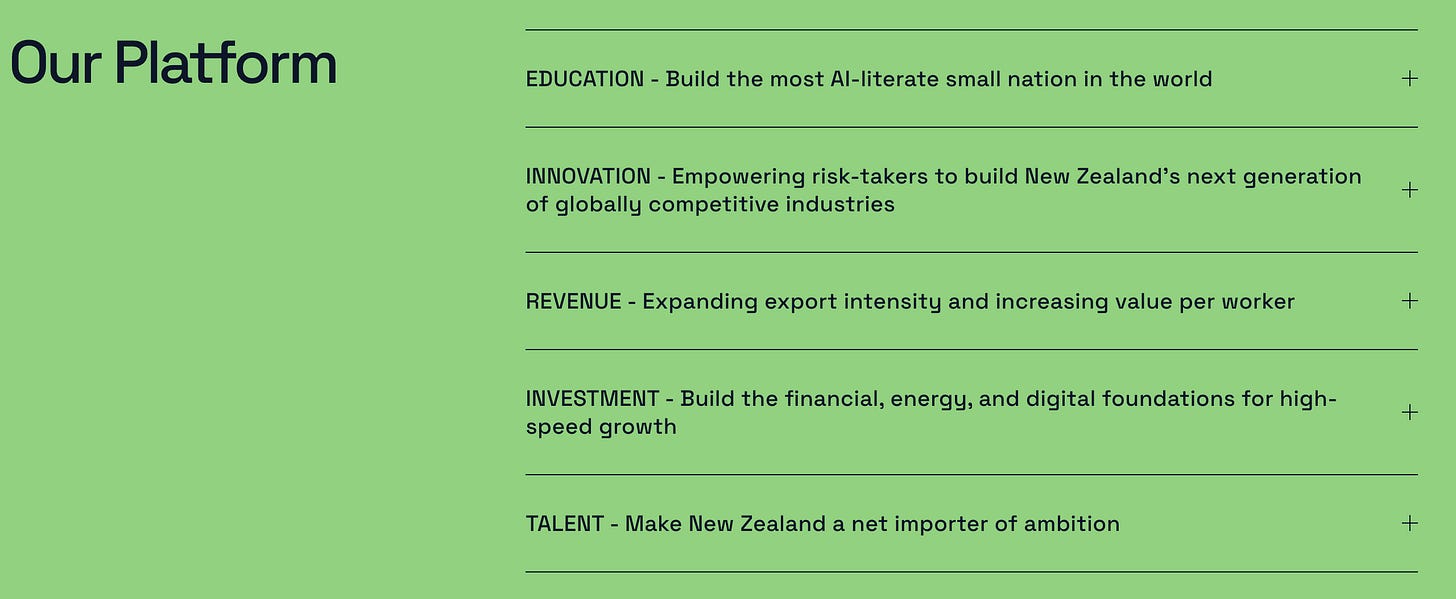
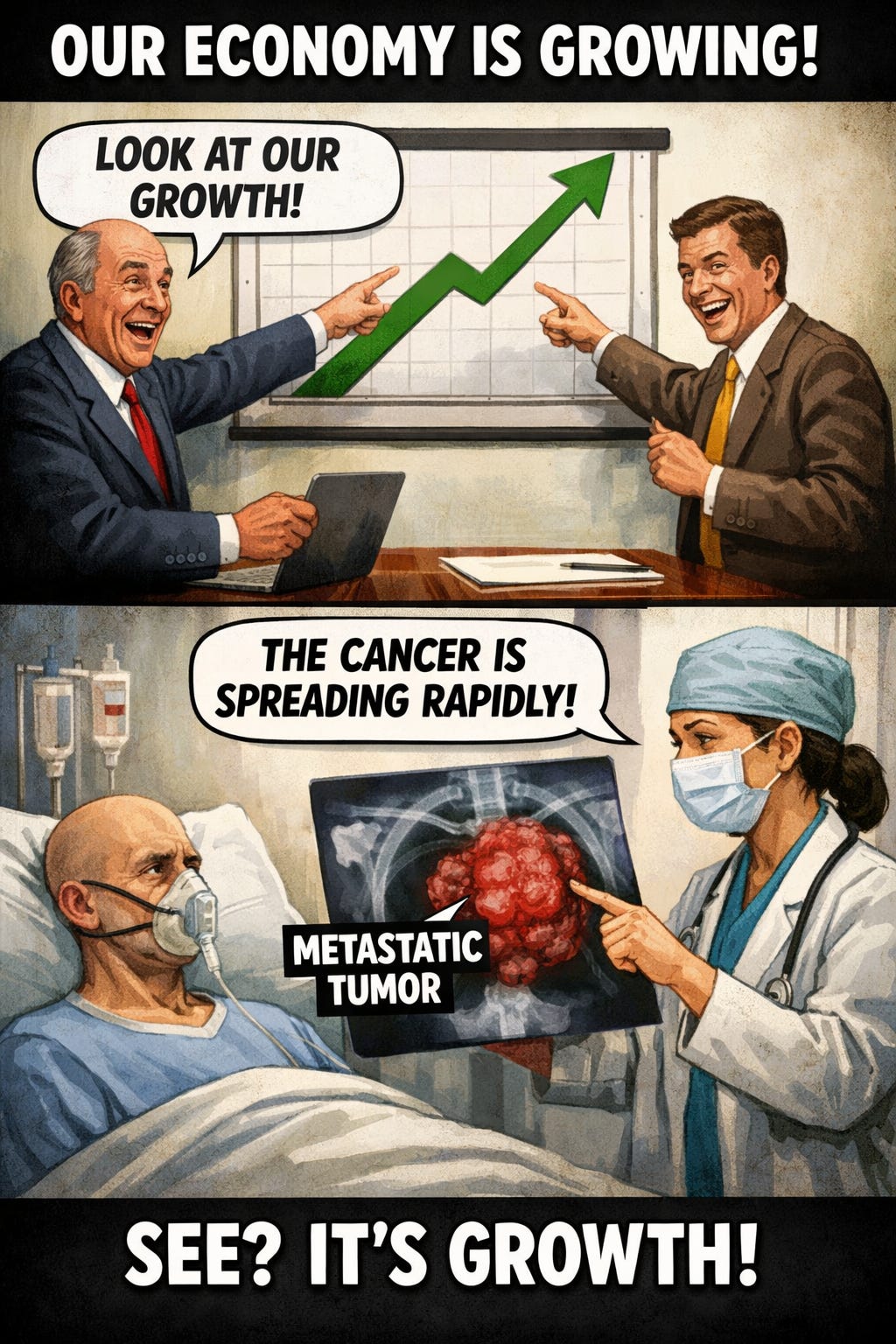
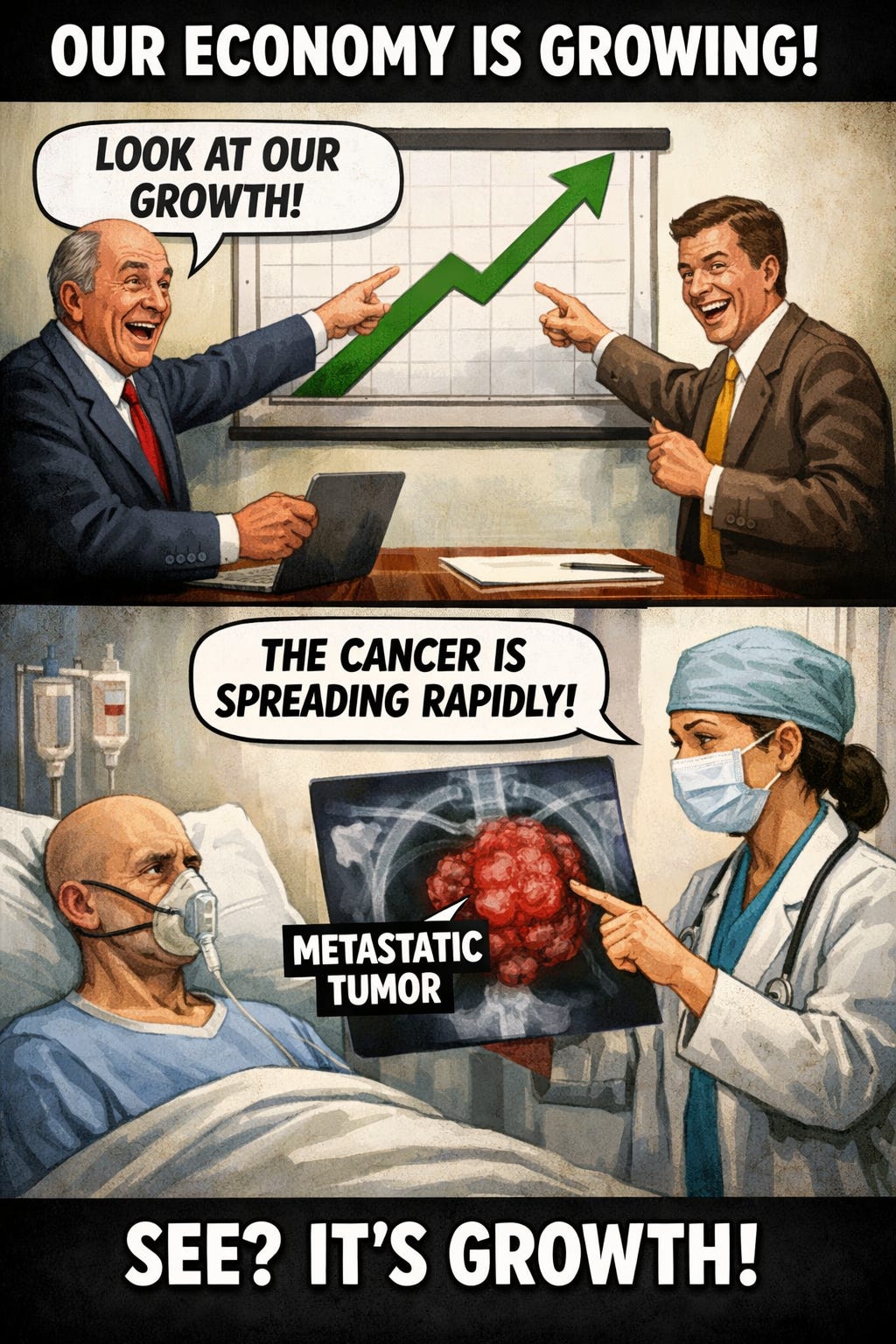
Of course, we all know by now (or apparently we don’t?) that the continuing mass psychosis of targeting GDP growth over other concerns is tantamount to ecocide.) Personally, I experience growing cognitive dissonance when really smart people people I respect line up behind simplistic messaging like this. “Economic growth” as an unconstrained standalone goal is the same kind of growth as a metastatic cancer tumour. But how does this messaging break through…
ChatGPT, first shot:

🏝️⚓🚨 Aotearoa on its own: catastrophe resilience at the edge of the world
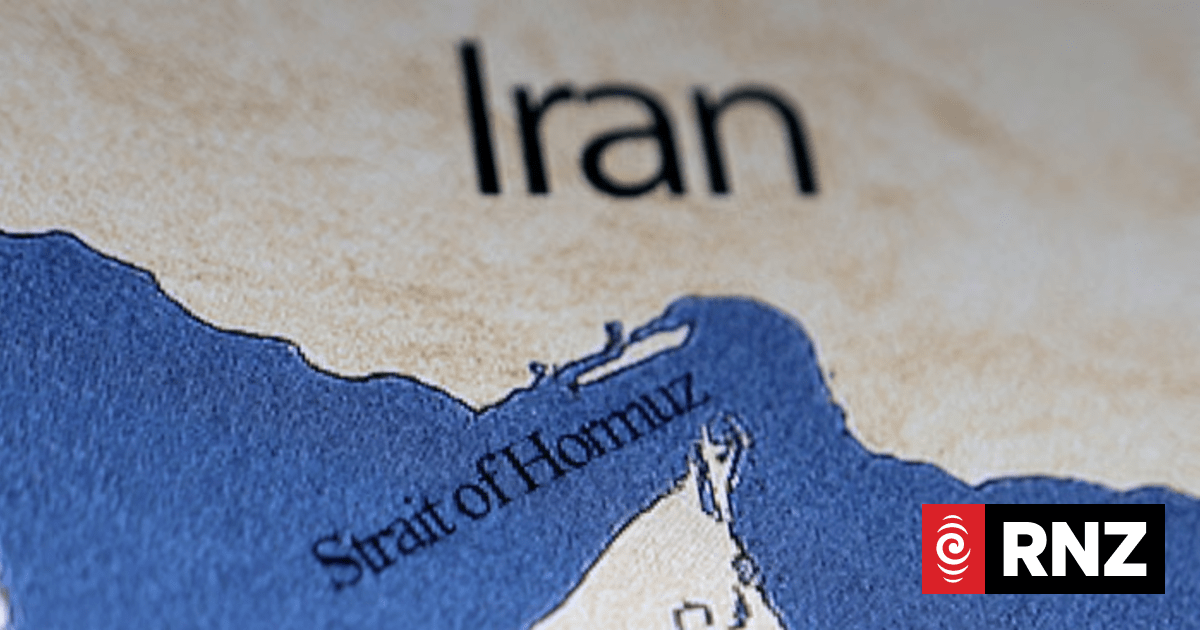
With the Strait of Hormuz reduced to a trickle amid ongoing conflict in Iran, New Zealand’s geographic isolation — usually a quirky point of national pride — is suddenly looking less like a feature and more like a bug. Catastrophic risk researcher Matt Boyd, of the Aotearoa New Zealand Catastrophe Resilience Project, is asking the hard questions about whether a nation that exports vast quantities of food but imports fuel, medicines, and most manufactured goods can actually hold it together when global supply chains seize up. Good interview with RNZ’s Emile Donovan.
…See also Matt Boyd trying to spark a debate about the shonky LNG proposals (now likely dead in the water as the biggest LNG plant in the world (Qatar) has shuttered until further notice…):🌋⚡🛡️ Sovereign Resilience: Why NZ’s LNG debate is asking the wrong question New Zealand’s debate over building an LNG import terminal is framed around dry-year electricity shortfalls and price spikes — but the 2023 NZCat Project argues the real threat isn’t a bad hydro season, it’s extended trade isolation triggered by global catastrophic events like nuclear conflict or a China-Taiwan shipping blockade. LNG neatly solves a first-order problem while quietly deepening dependence on the exact supply chains most likely to snap under the scenarios that actually matter, whereas geothermal — firm, dispatchable, and entirely domestic — offers the same grid reliability without the existential asterisk.
🌊🇳🇿💡 The Reality of Everything
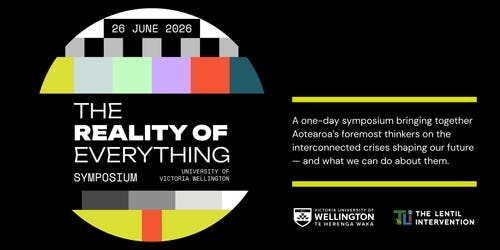
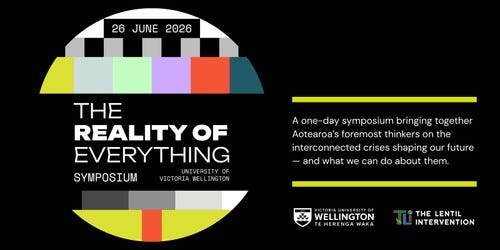
Here’s an example of what we need: “The Reality of Everything” symposium in Wellington on 26 June 2026, a citizen-led initiative bringing together experts for lightning talks on the polycrisis, climate, energy, food security, and economic realities—explicitly designed to build a “critical mass of reality-conscious, systems-aware people” to force political action when governments won’t lead. Conceived independently in coastal Waikanae just two months after the UK’s National Emergency Briefing on Climate and Nature — another data point in what appears to be a spontaneous global emergence of civil society stepping into the leadership vacuum.
🤝🎓🚀 Stephen Tindall urges universities to collaborate on tech hubs

Warehouse founder Stephen Tindall is calling for New Zealand universities to stop competing and start collaborating on tech hubs to attract international talent and grow the innovation sector. His Tindall Foundation and K1W1 vehicle have already invested over NZ$100 million in early-stage Kiwi startups including Rocket Lab and Sharesies, with Wellington proving particularly fertile ground despite lacking primary industry advantages.

💰🤖🇳🇿 Fundsorter uses AI to streamline grant applications in New Zealand
I had the privilege of speaking at Philanthropy NZ’s annual conference in Auckland this week - one of the companies taking part, Fundsorter, is a New Zealand platform that uses AI to match community organisations with suitable grants from a database of 2,572 funding opportunities, then auto-generates draft applications based on funder requirements and applicant information. The system includes deadline reminders and accountability tracking — augmenting rather than replacing of human grant-seekers. The not-for-profit sector urgently needs capabilities like this, hat-tip to co-founder and CEO Lani Evans.
🤖🇳🇿🚁 Kiwi Drones Go to War: Syos Aerospace
Tauranga-based Syos Aerospace has secured a contract to supply the New Zealand Defence Force with air, land, and sea drones for Army and Navy trials spanning supply transport, maritime patrols, and route reconnaissance — part of NZ’s broader Defence Industry Strategy to reduce supply chain risk by sourcing military kit locally. The same company was last month shortlisted for the UK Ministry of Defence’s Project NYX, a £100m programme to develop AI-enabled “wingman drones” for British Army Apache attack helicopters.
🦞🤖💼 The OpenClaw Moment

OpenClaw marks the inflection point where AI graduates from “clever chatbot” to actual digital co-worker—my friend veteran software developer Mike Hall breaks down what this transition actually means in practice.

🗳️🤖🗑️ AI Slop Meets the Ballot Box: New Zealand’s election laws are failing to keep up with AI
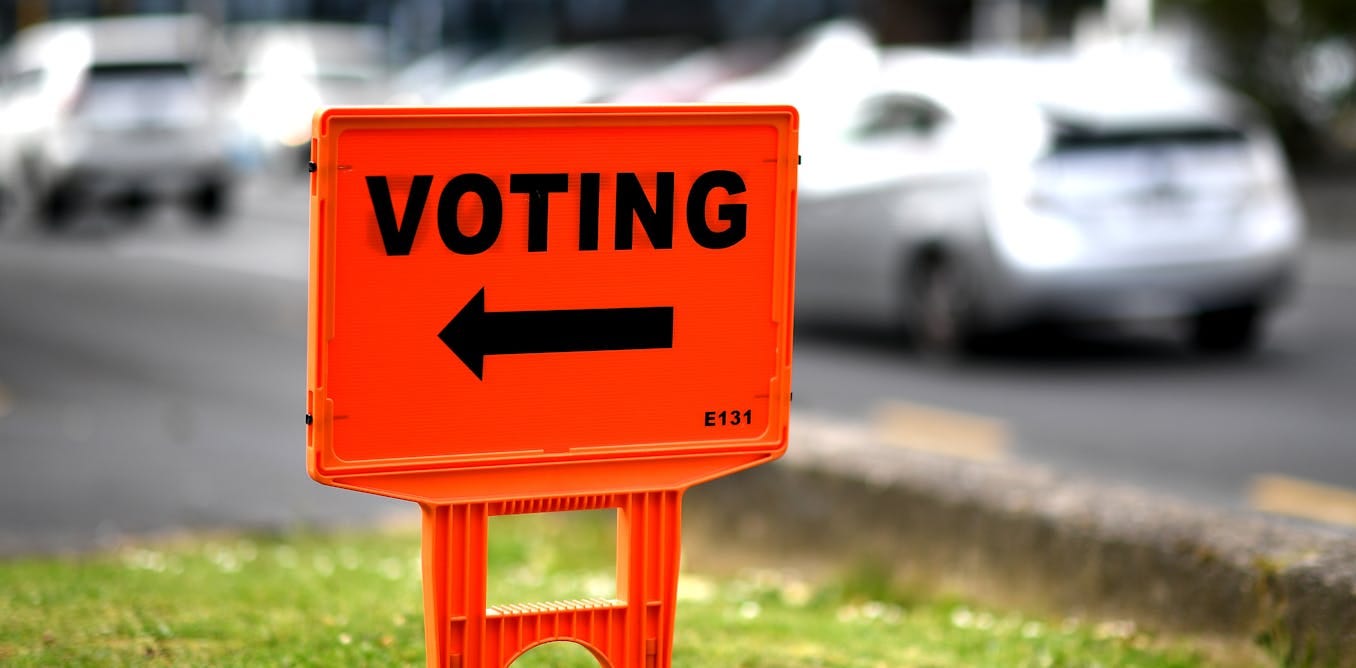
Andrew Lensen and Andrew Geddie examine how New Zealand’s election laws — some dating back to the 19th century — are dangerously unprepared for AI-generated political misinformation, with no requirement to disclose AI use in campaign ads and a “no deliberate lies” rule that only kicks in during the final three days of voting, despite ballots now being cast over 12 days. The National Party has already deployed AI attack ads and cartoon smears of opposition leaders, deepfake videos of politicians at Waitangi are circulating on Facebook, and fake AI images of the Mount Maunganui landslide fooled grieving New Zealanders at scale.
🌿🤖⚖️ Kaitiakitanga for the Algorithm Age: NZ Human Rights Commission launches AI advisory group

New Zealand’s Human Rights Commission (Te Kāhui Tika Tangata) has launched an Expert Advisory Group on AI, Emerging Digital Technologies and Human Rights, bringing together tech leaders, academics, and community specialists to develop a white paper with concrete policy recommendations for rights-respecting AI deployment. Uniquely, Te Tiriti o Waitangi and Indigenous data sovereignty aren’t afterthoughts here — they’re structural cornerstones, with Māori knowledge systems explicitly positioned to shape the framework alongside international best practice.

🏛️🔧🐉Understanding institutions matters more than campaign promises
New Zealand political analyst Natalia Albert argues that 2026’s defining risk is politicians promising simple solutions while ignoring whether government institutions can actually deliver them - what she calls the gap between “formal” (visible policies, legislation) and “informal” (institutional culture, relationships, memory) registers. She uses three examples to illustrate: wealth taxes require valuation infrastructure that doesn’t exist, public service cuts can’t eliminate the legal obligations that created those jobs, and free childcare can’t materialise without qualified staff and facilities that take decades to build.
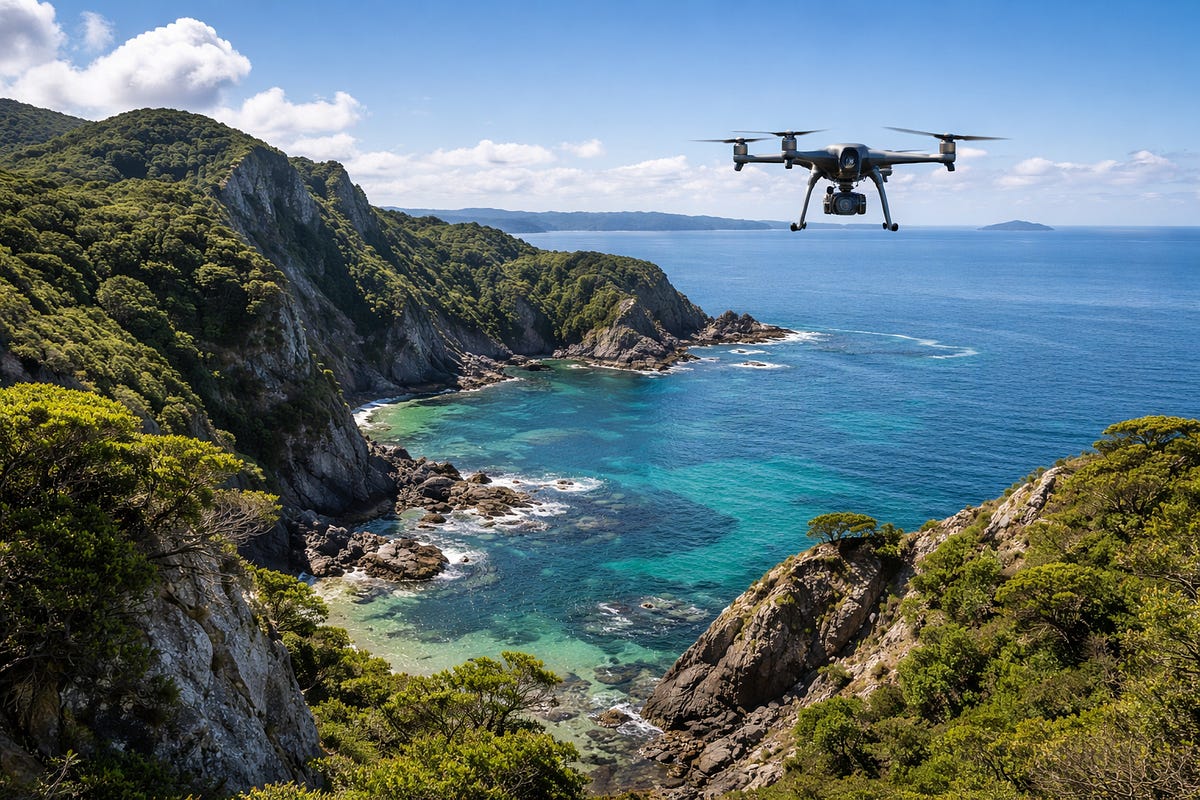
🚁📊🏔️ From Trial to Infrastructure: DOC’s Drone Tender Signals Data-First Conservation
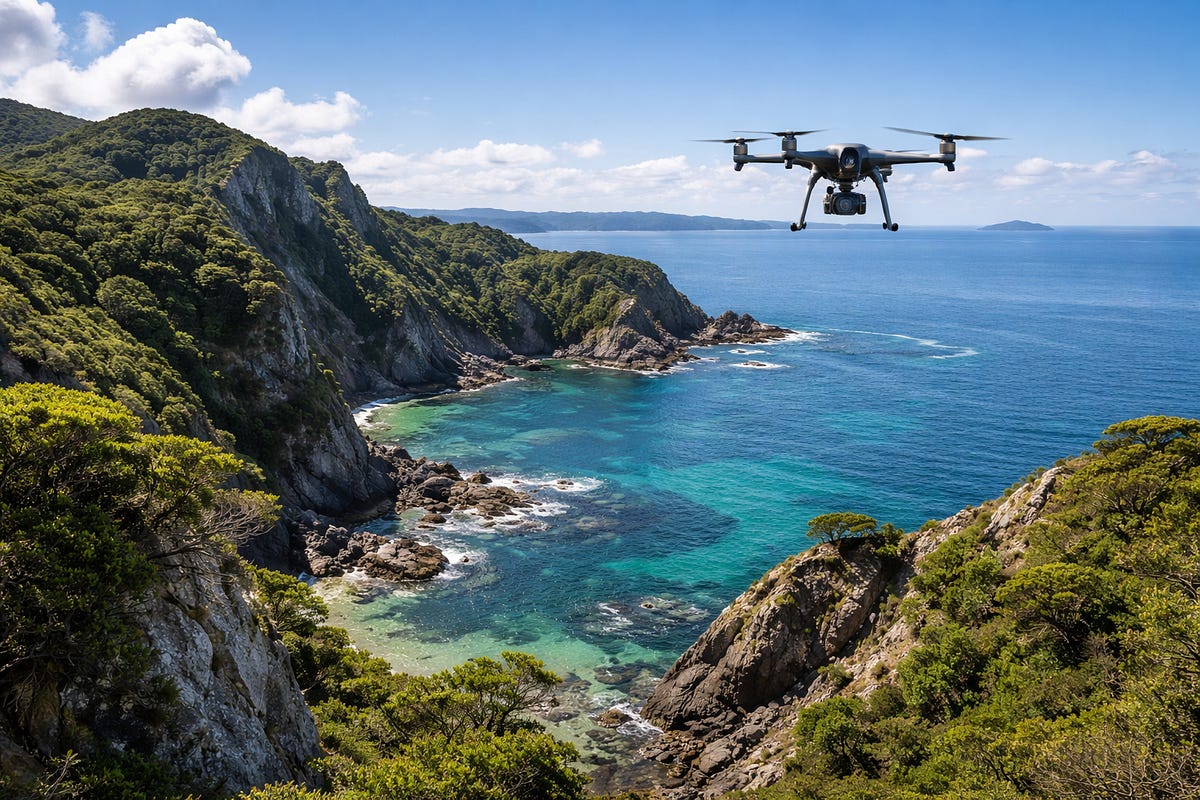
via Chris Buxton New Zealand’s Department of Conservation has issued a four-year tender for drone-based weed surveillance and spraying across Hauraki Gulf islands, marking the transition from experimental projects to operational infrastructure. The contract emphasises structured data outputs—high-resolution imagery, GPS waypoints, GIS-ready spatial layers—as much as the physical spraying work itself, positioning drones as mobile data-collection platforms that generate auditable, georeferenced records of conservation work.
🤖📋🇳🇿 Regulations as Data: New Zealand’s AI-Assisted API Standard
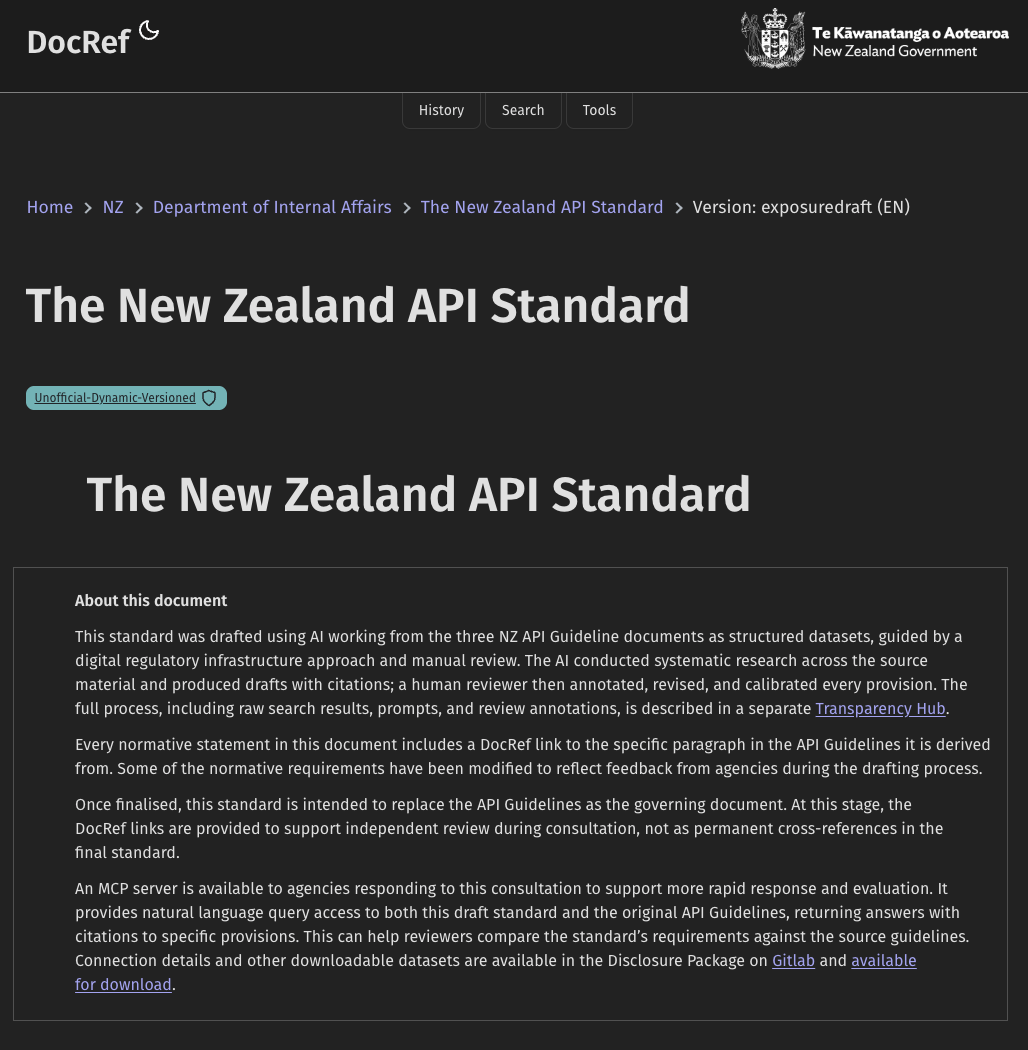
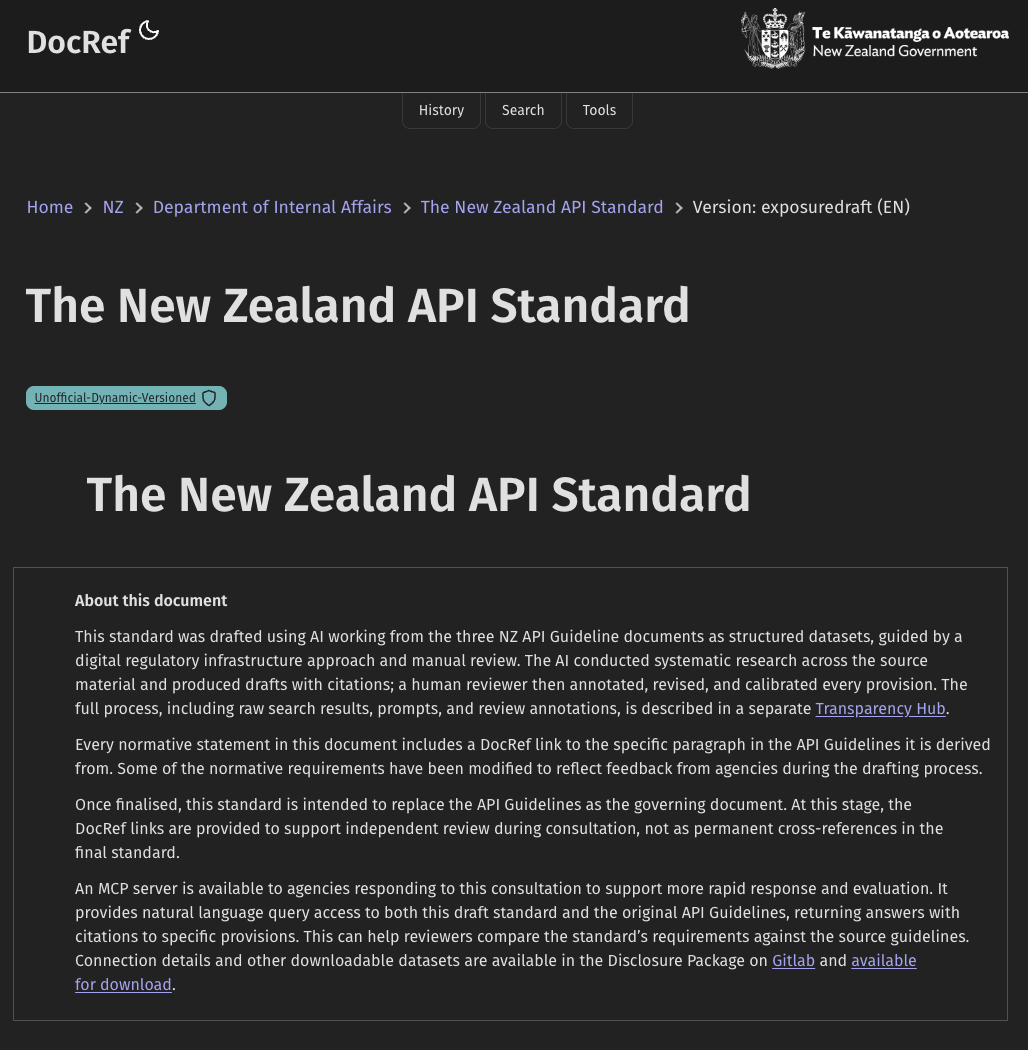
Congratulations to my friend Tom Barraclough and the team at Syncopate Labs, working with the New Zealand Government Chief Digital Office (GCDO) and the Government Enterprise Architecture Group (GEAG) to develop a Draft API Standard that consolidates three separate government guideline documents into one normative specification. Crucially: the new specification was drafted in under two hours using AI (with extensive human oversight la la la), complete citations for every provision, and a world-first MCP server that lets anyone query the regulatory text with natural language questions.
The project treats regulatory documents as structured, reusable data infrastructure rather than static PDFs, with full transparency materials published including the AI’s instructions, search queries, and 175 human annotations that shaped the redrafting process.
Of course, where does this go? Couldn’t help myself riffing on LinkedIn:
”Next up: @Claude Code / Codex / Gemini / Kimi:
“1. Take this draft technical standard and implement a fully functional API for the New Zealand government with 100% coverage of all its services. Ensure that security, resilience, scalability and accessibility are paramount considerations in the architecture. Use representative synthetic data to populate the application’s data.
2. Ensure that you also deliver 80% test coverage.
3. Include basic web-browser-based UI for all publicly exposed API services.
4. Push to a public Git repository under a permissive open-source licence.
5. Generate full first-pass documentation of the repo using a tool such as DeepWiki (or open-source equivalents...)
6. Provide a one-line script for deployment to open-source cloud servers.
7. Provide technical guidance for migration off legacy applications to the new standards-compliant application stack.”@Claude Code / Codex / Gemini / Kimi (whichever ones didn’t write the original:
“8. Carry out a full architecture and code review of the supplied codebase and identify areas where it is not compliant with the technical standard and/or technical best practices....”Then *anyone* can fork their own government-in-a-box, right? 🤭”
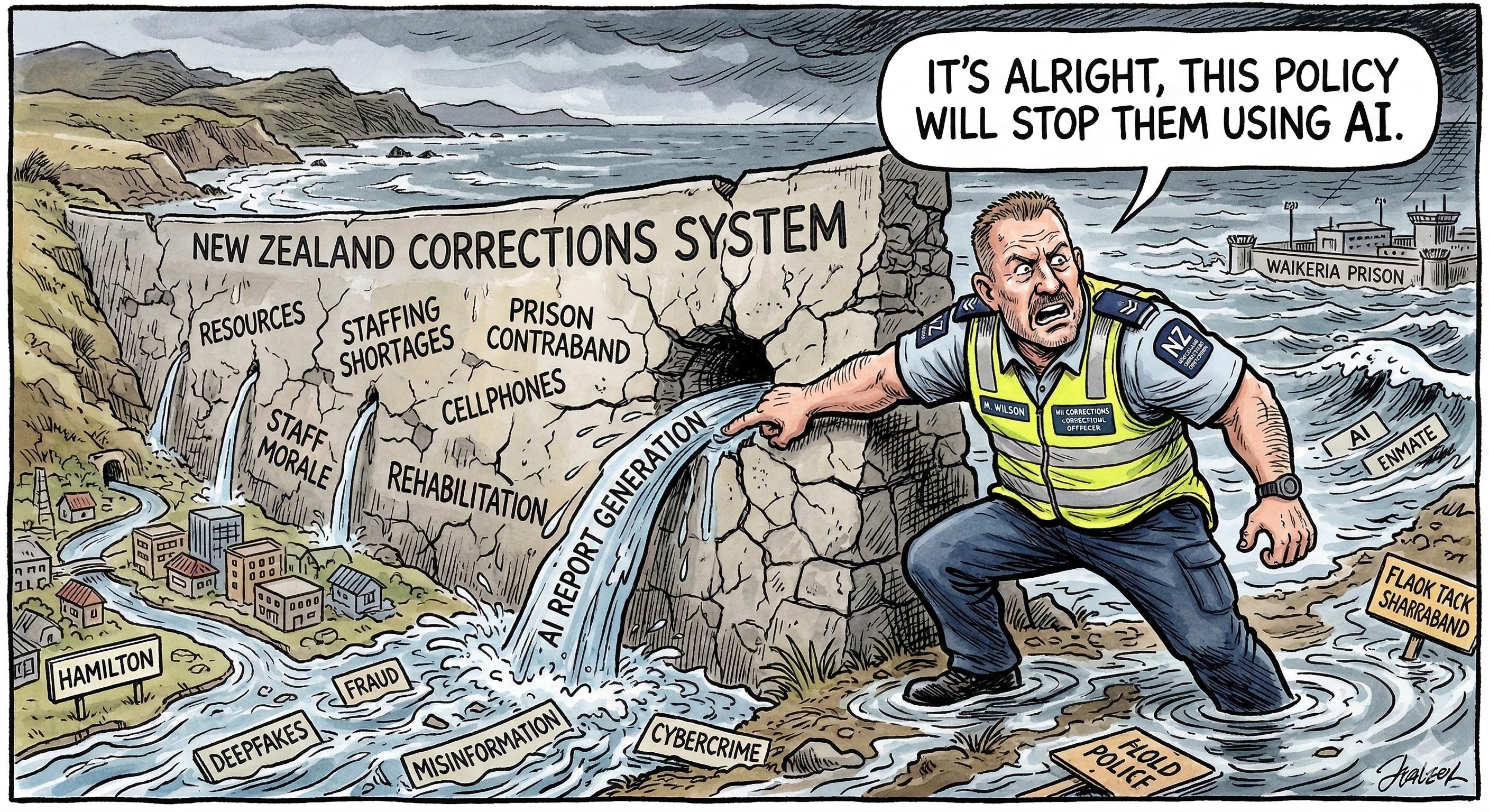
🤖⚖️🔒 Corrections staff warned after using AI to draft formal reports
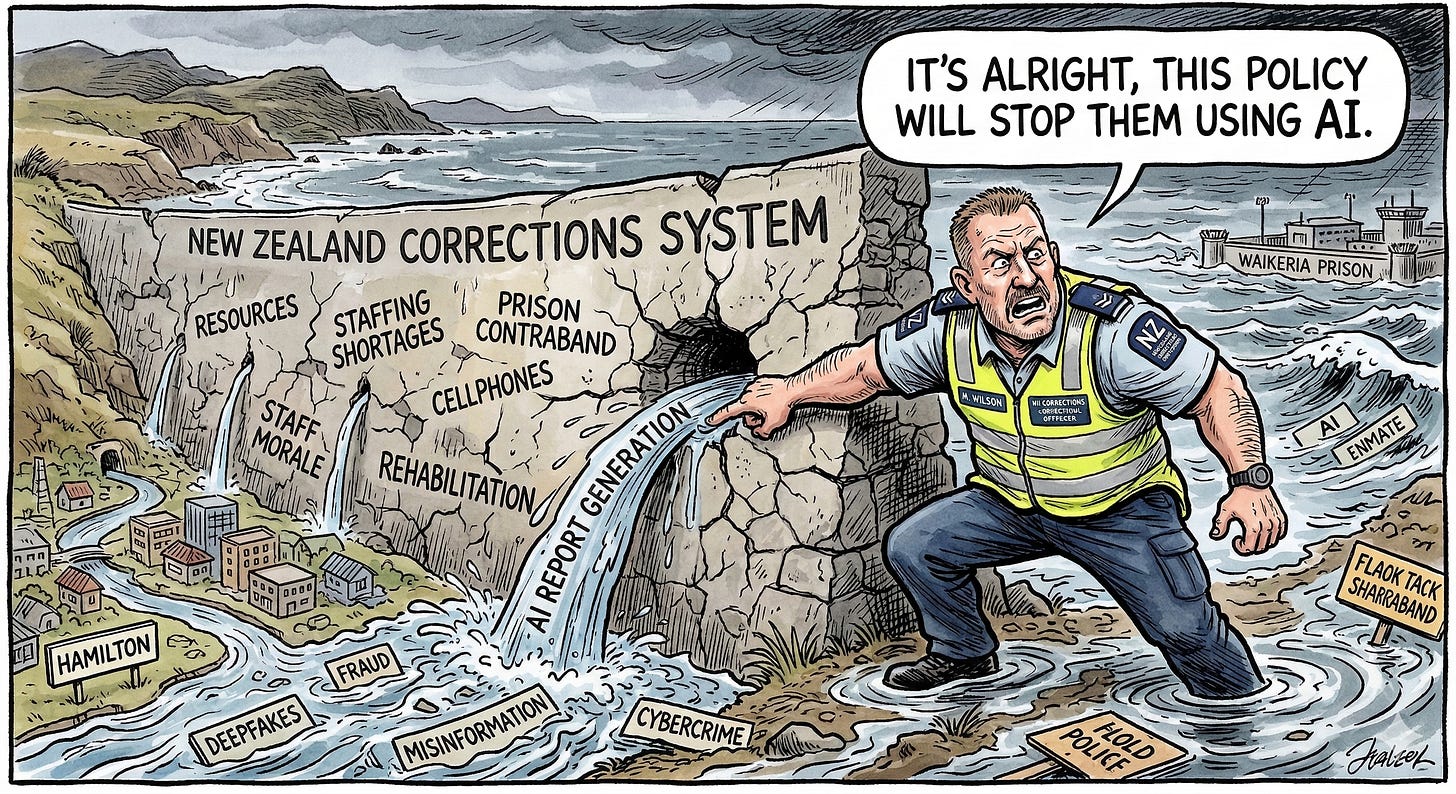
Meanwhile, same New Zealand, different century: Corrections Department has discovered staff using Microsoft Copilot to draft formal reports—including Extended Supervision Order assessments—despite explicit policies prohibiting AI use for documents containing personal information. Only 30% of staff have touched the heavily restricted tool since its November 2025 rollout, yet multiple policy violations have already occurred, prompting urgent reminders that such use is “unacceptable” and triggering privacy risk assessments.
Gemini Nano Banana 2 has quite the imagination with a single “finger in the dyke” prompt (with acknowledgement / apologies to cartoonists whose style have been melanged/appropriated…):
🇳🇿🤖📉NZ’s AI illiteracy could seriously damage the economy
Technology expert Mark Laurence is sounding the alarm that Aotearoa New Zealand is “AI illiterate,” warning that the country’s failure to engage seriously with artificial intelligence poses a genuine economic risk. Speaking to RNZ’s Guyon Espiner, Laurence pointedly questions why AI hasn’t become a central election-year issue — a fair call, given that small, trade-dependent economies arguably have the most to lose from falling behind on productivity-transforming technology.
🤖📚💼 The Reserve Bank’s Blunt Message: There Are No Safe Jobs from AI Anymore
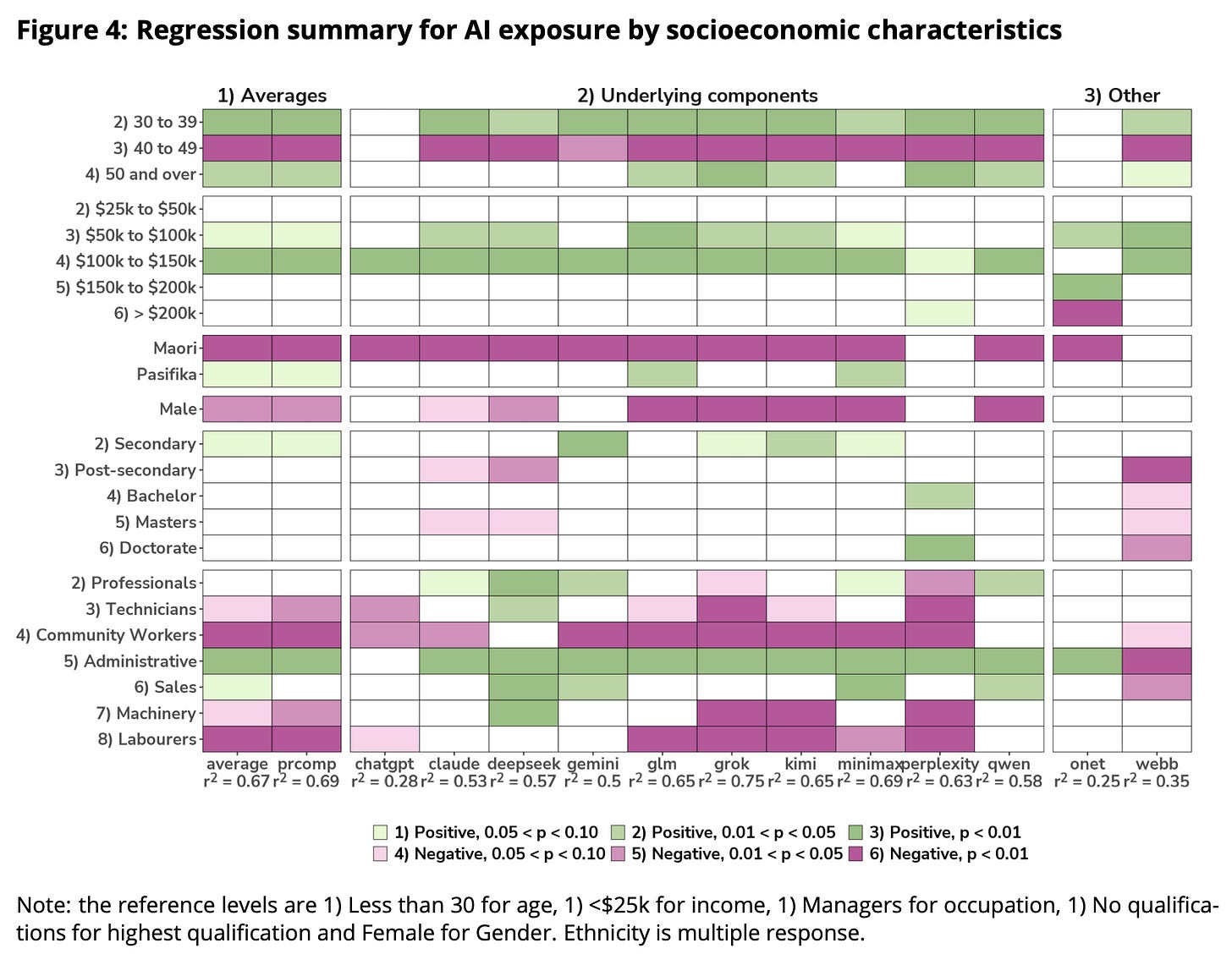
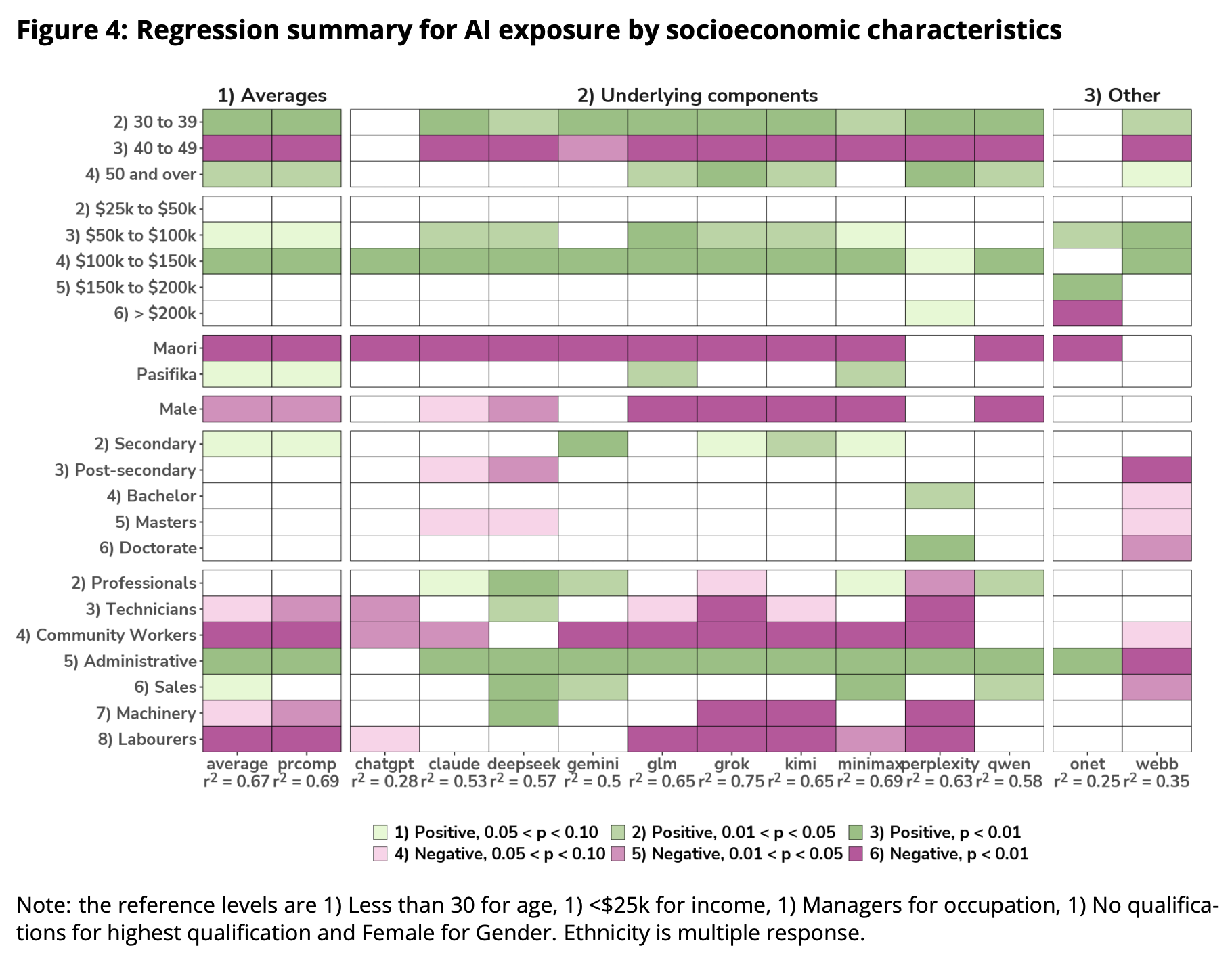
RBNZ Te Pūtea Matua New Zealand’s Reserve Bank ran domestic employment data through 10 AI systems and reached an uncomfortable consensus: virtually every occupation faces significant exposure to either robotics or AI, with manual jobs threatened by physical automation and professional roles vulnerable to software eating routine tasks.
(They used a range of AI models to carry out the analysis and then did a regression acrosss it… interesting to see the tools being used in this way).
”Key findings
This study measures artificial intelligence (AI) and robotics exposure for New Zealand occupations using ten large language models (LLMs) to assess automation potential.
LLM-based exposure scores show strong inter-model agreement for robotics exposure (average correlation 0.80) but more variation for AI exposure (average correlation 0.75).
In regressions, AI exposure does not show significant increases with higher educational qualifications relative to those with no qualifications, but professionals, managers, and technicians face significantly higher exposure than labourers and machinery operators.
Robotics exposure regressions show workers with no qualifications are significantly more exposed than those with secondary or tertiary level qualifications (except doctorates, which show no significant difference). Machinery operators and labourers face significantly higher robotics exposure than other occupational groups, reflecting the concentration of robotics exposure in manual, routine physical tasks.
Age patterns reveal workers aged 30 to 39 face higher AI exposure than younger workers (under 30), workers aged 40 to 49 show lower exposure, while those aged 50 and over show higher exposure. Gender and ethnicity effects vary across models and exposure measures, with males and Maori showing less exposure to AI.”
Over in the UK last month:
🤖💷🛡️UK minister says universal basic income needed for AI job losses
Britain’s investment minister Lord Jason Stockwood has confirmed government discussions about introducing universal basic income to cushion workers from AI-driven job losses, suggesting tech companies could fund it through a windfall levy. The former tech entrepreneur-turned-politician warned of AI embedding inequality and creating “super-wealthy elites”, echoing recent warnings from Anthropic’s CEO about “unusually painful” labour market disruption.
🏛️📱🇹🇼 Audrey Tang on digital tools for citizen engagement

Audrey Tang spoke recently with RNZ’s Kathyn Ryan about how they went from leading protests against Taiwan’s government to becoming its first digital affairs minister, pioneering tools like mass text campaigns to crowdsource legislation from hundreds of thousands of citizens. They recently received the Right Livelihood Award (the “alternate Nobel Prize”) for using digital technology to empower citizens and renew democracy.

🌀⏰🌏 Spiraling Time: Māori Epistemology Meets Climate Crisis

Indigenous Māori concepts of nonlinear, spiraling time (wā) challenge Western linear crisis narratives like “minutes to midnight,” offering three insights: marginalized communities are already experiencing collapse differently, we need to plan for what comes after thresholds, and non-human temporalities matter too. Researcher Philip McKibbin argues this framework—where time unfolds like a koru (fern frond) rather than marching forward—could reshape how we navigate compounding ecological crises, from his own iwi Kāi Tahu’s coastal retreat planning to broader questions of interspecies justice.

🏥💾⚠️Duplicate medical records increase hospital death risk fivefold

Not an Aotearoa story… but all the more important when considering the recent Manage My Health story (which so far has disappeared from view…) A BMJ Quality & Safety study tracking 73,275 patients across 12 US hospitals found that duplicate medical records correlate with a fivefold increase in hospital mortality—affecting an estimated 5-10% of patients—and triple the ICU admission rate compared to patients with unified records. The researchers hypothesise that fragmented records prevent clinicians from accessing critical information like allergies or medical history, while also creating care delays as teams navigate between multiple charts.

🧬🚀⏰ New Zealand’s homegrown cancer treatment faces funding uncertainty
Wellington’s Malaghan Institute has developed a CAR T-cell therapy that’s cleared cancer in over half of terminal lymphoma patients, with BioOra Limited now building a Christchurch facility to manufacture it at scale—potentially available in NZ’s public system by Q1 2027 if funding approval doesn’t lag. The homegrown treatment costs ~US$150,000 versus US$750,000+ for overseas alternatives, works as outpatient therapy due to dramatically lower side effects, and could position New Zealand as a regional immunotherapy hub with medical tourism subsidising domestic access.
🦜📊💰New Zealand’s BioInvest tool reveals $2.3B needed to save all threatened species
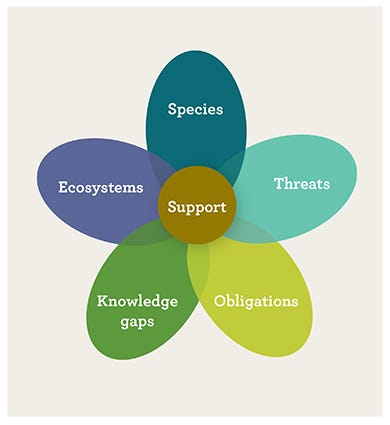
New Zealand’s Department of Conservation has built BioInvest, a prioritisation tool that ranks all 14,127 conservation activities across 4,400 threatened species and calculates it would cost NZ$2.3 billion annually to save everything—versus their current $365 million budget. The system attempts to move beyond “megaphone funding” by creating comparable metrics across wildly different work (kākāpō recovery vs mudfish habitat vs pest control), though it still carves out special “icon species” categories that somewhat undermine the pure evidence-based approach.
💩🌊🪧 Enshittification Goes Literal: New Zealand’s Sewage Crisis
Wellington is pumping 70 million litres of raw sewage directly into the ocean daily after its Moa Point treatment plant failed—a visceral example of what happens when infrastructure investment gets sacrificed to neoliberal austerity politics. The Coalition Government scrapped Labour’s Three Waters reform (designed to fund water infrastructure upgrades with government money instead of rates), ran an astroturfed campaign against it, then replaced it years later with nearly identical legislation—while rates soared and the sewage plant literally collapsed.

🌊📄🤦 New Zealand’s Four-Page Climate Plan
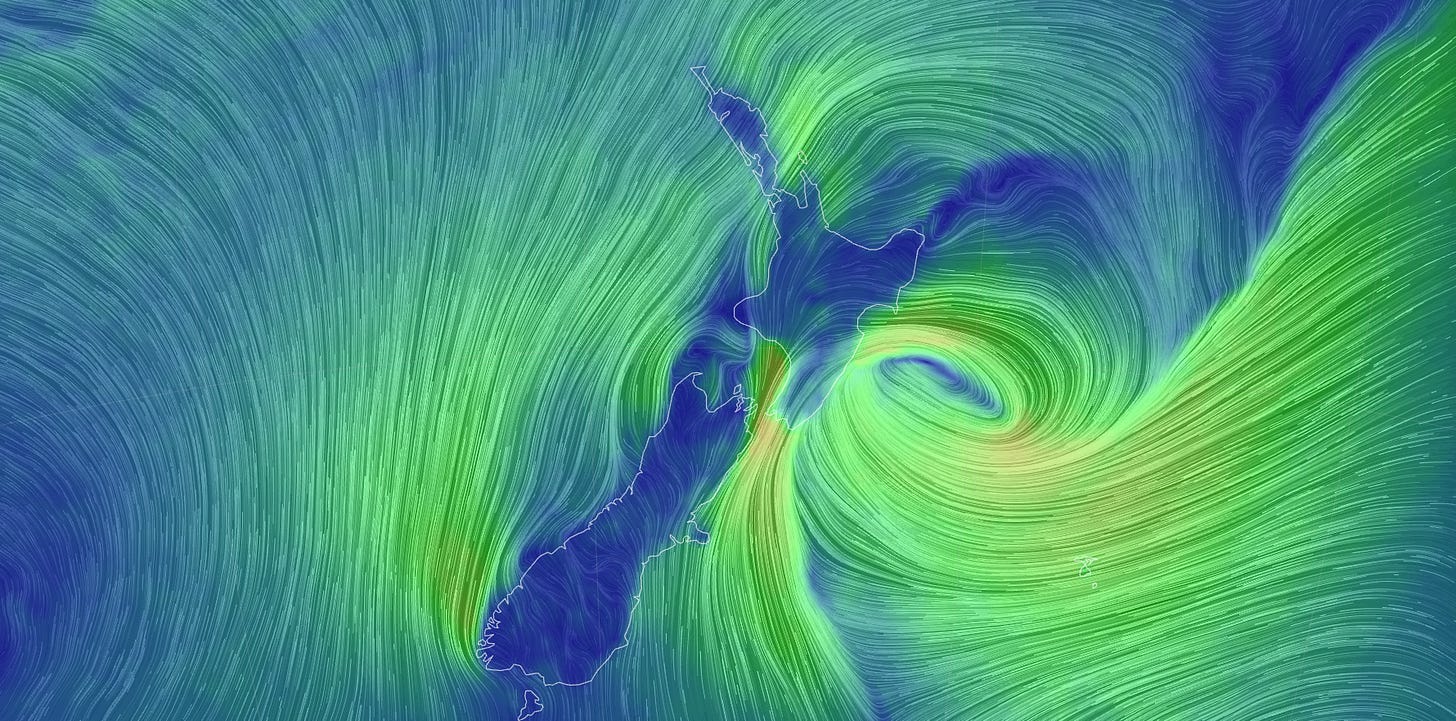
New Zealand’s climate disasters now cost over NZ$1 billion annually (quadruple the 2016-2020 average), extreme weather states of emergency have doubled in a decade, and the government’s response is a four-page “National Adaptation Framework” – including the cover page. Meanwhile, the country actively worsens its exposure by building in braided river floodplains, allowing infrastructure to degrade (60% of the next 30 years’ spending should go to maintenance versus 30% historically), and repealing protections that defined riverbeds properly after a 2019 Court of Appeal decision enabled construction in flood zones.
Multipolar world order reshapes New Zealand’s strategic reality
Writing from Brno, Czech Republic, New Zealand geopolitics scholar Reuben Steff (generally a pro-US hawk) argues that US-Israeli strikes on Iran aren't episodic militarism but reflect a structural shift from liberal primacy to "multipolar realism" — a more transactional, 19th-century balance-of-power approach as US structural advantage narrows across three interconnected Eurasian theatres (Ukraine, Middle East, Western Pacific), where each strike is read simultaneously in Tehran, Moscow, and Beijing.
For New Zealand, the uncomfortable question isn't whether escalation feels wrong — it's whether Wellington has updated its mental model for a world where normative consensus matters less than leverage, industrial capacity, and demonstrated willingness to use force:
”Trump 2.0 reflects a pivot toward multipolar realism: a more openly transactional approach in which leverage, industrial capacity and credibility matter at least as much as normative consensus.
That is unsettling because it exposes the limits of institutions when great powers perceive core interests at stake.
Many former New Zealand officials and long-standing commentators are understandably uneasy. For decades, the Pacific functioned as a de facto US security zone, confidence in multilateral rules was high, and distance — combined with diplomacy — provided strategic depth.
A world of explicit great-power bargaining, where conflict risk is a recurring instrument, can feel like a retreat from principles New Zealand has defended.But discomfort is not a strategy. If anything, it is a warning light: it tells us our inherited mental model is being stress-tested. This is precisely why unvarnished clarity is essential. The stakes are trade access, energy security, intelligence partnerships, and the stability of the South Pacific – our region of existential importance – itself.
The era of uncontested Western primacy has ended. A multipolar order is consolidating. New Zealand’s debate — and its policy responses — should begin from that premise, with our eyes raised up from the daily headlines and fixed on the longer arc of history now reasserting itself.”Yep, hard agree. (But Reuben and I frequently diverge from there…)
🧬🛂😬 US may gain access to New Zealanders’ biometric data under new deal
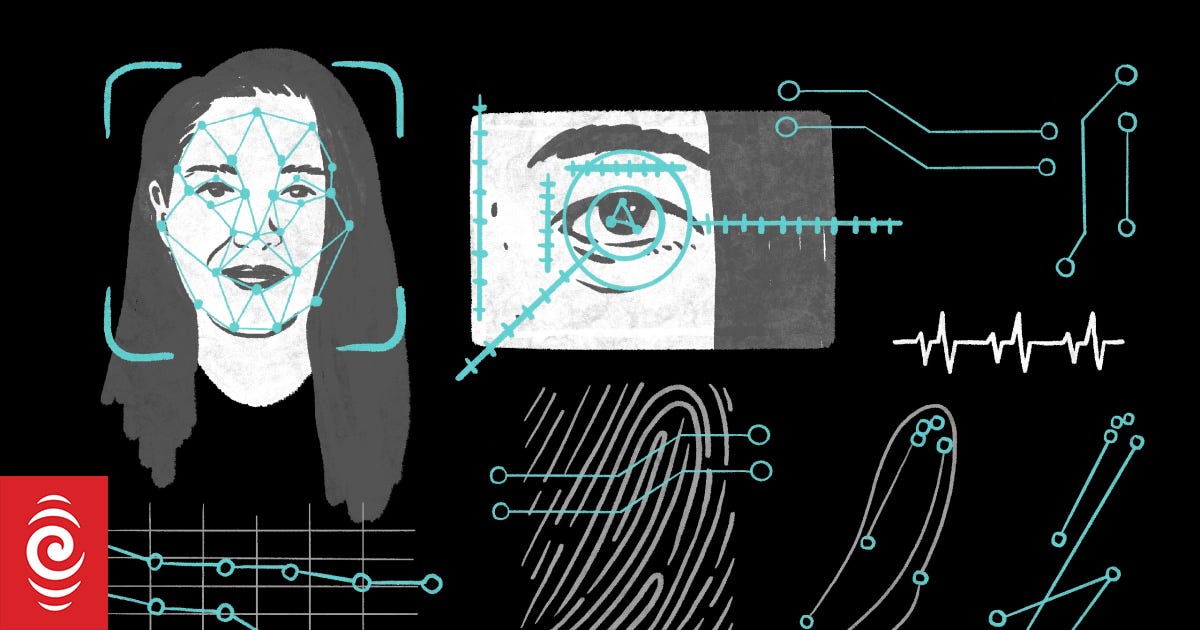
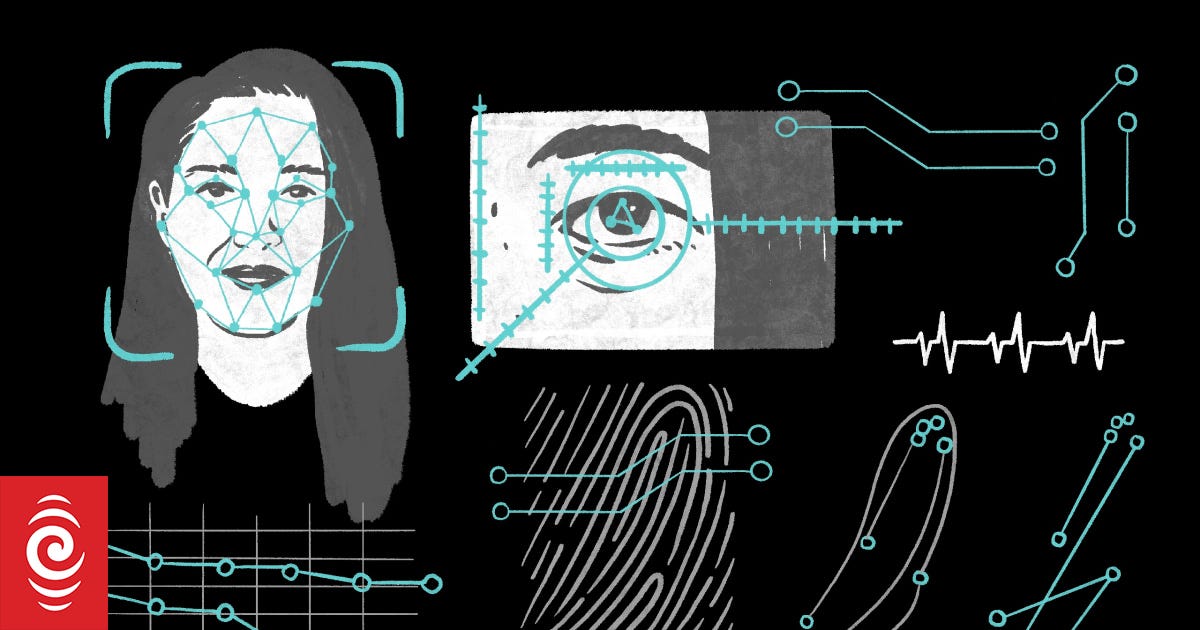
The New Zealand government is quietly negotiating an Enhanced Border Security Partnership (EBSP) with the US that could hand Washington — and by extension, ICE — automated access to Kiwis’ biometric databases, a significant escalation from the existing Five Eyes “hit/no-hit” arrangement. All 42 Visa Waiver Programme countries face a year-end deadline to sign or risk losing visa-free access to the US, a coercive dynamic that has NZ’s civil liberties advocates, Māori data sovereignty experts, and privacy lawyers deeply alarmed — while MFAT offers a single-sentence non-answer and Winston Peters’ office declines to respond entirely.
🇳🇿🤖🇨🇳 Kiwi Tech Pragmatism: New Zealanders see China as key to AI future
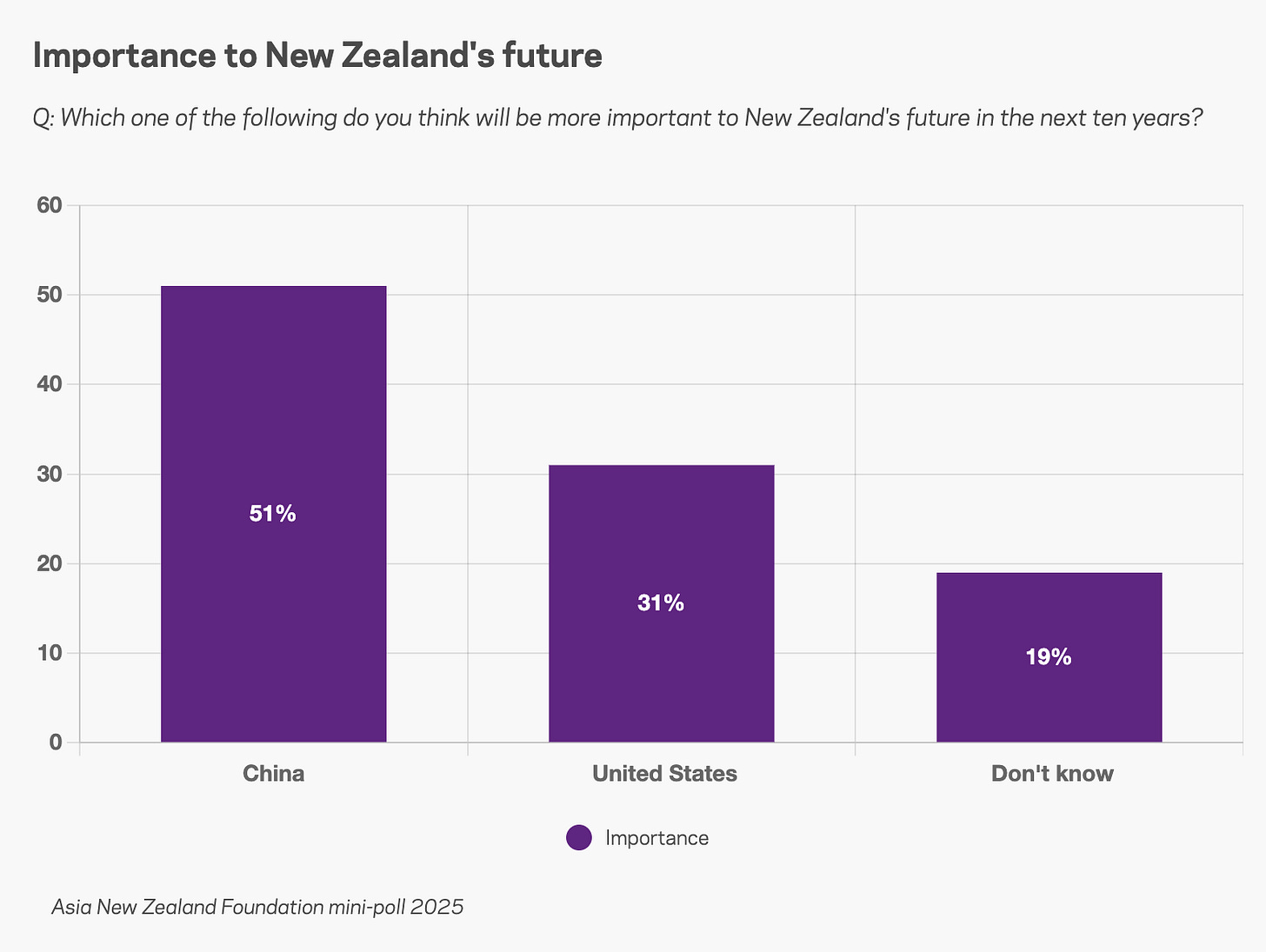
A new Asia New Zealand Foundation poll reveals 51% of New Zealanders believe China will be more important to their country’s future than the US over the next decade, with 35% specifically citing Chinese access to AI and advanced technology as critical (versus just 19% for America).
🏗️🎠🤝 First, a Playground
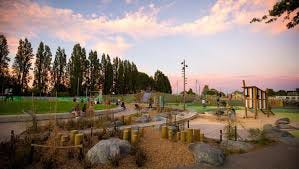
Fifteen years after the earthquake that killed 185 people, Christchurch writer Deb Te Kawa argues the Margaret Mahy playground—not the delayed anchor projects—was the first credible signal that gave private investors confidence to commit hundreds of millions to rebuilding the city centre. The 2015 playground demonstrated the state understood cities are “made of families,” triggering $80M+ bets from hospitality operators, developers, and Ngāi Tahu before the official recovery plan had delivered, creating what may be New Zealand’s clearest example of public-private-iwi collaboration actually working.
I’ve been reflecting on the 15 year anniversary too… such a lot of water under the bridge since then. (Recently I resurrected my old blog posts from the time… pretty visceral memories …and innocent of how long the recovery would take.)
Now in 2026, the rebuilt city is faring better than most other parts of the country in the current extended downturn… and the fantastic new Parakiore pool and sports complex is a joy to visit, completely worth the long wait.
But as with the rest of the country, there’s no clearly coherent planning for the future that we’re heading into. Car yards still line Moorhouse Ave with ever-more prominent credit offers, untenanted shop frontages lie empty, vainly(?) expecting physical retail business models to return one day… and meanwhile a massive steel framed stadium now dominates the skyline, likely destined to remain empty most of the year (I’m expecting my first surprise rates “supplementary levy” in about 1 year’s time, natch…!)
Juxtaposed against these human consumption-focused artefacts, the massive regenerating “residential red zone” — 630 hectares of parkland freed up from housing — along the Avon-Ōtakaro river is a surprise gift from the earthquakes for future generations, providing that it can be preserved. And all across the Port Hills, regenerating native bush is taking over valleys and streams are returning.
The clean beaches, Hagley Park, Bottle Lake Forest and the Port Hills provide plenty of outdoor space right next to the city. And there’s seriously great food and coffee if you know where to go.
Far away from the turmoil and pollution in other parts of the world, Ōtautahi is certainly not a bad place to choose to live in 2026.
Ngā mihi
Ben
No posts
Comments
Nothing yet. Say the first thing.
Sign in to join the conversation.