
Hello Friends,
I hope you have had a lovely summer so far. I have been out in the world that is beyond my home and the valley it is nestled in. I was in the Hudson Valley in New York State for a little more than a week. Then, after a train ride to Newark Airport, I was slingshot to the other side of the continent, where, after a bit of car time, I landed near the shores of Lake Tahoe. Some work, some learning, and some play; the unifying thread was not fermentation but conversations—it can be so inspiring to have long meandering conversations with people from different regions of our planet.
I have had conversations about mushrooms, bird murals in New York, Japanese knotweed and the words we use to describe non-native plants, about the last prairie bison in Kentucky as a metaphor for data centers, cookbook writing and sustainability, sea harvests as traditional medicine in island cultures, and solastalgia. (Solastalgia is the feeling of being homesick for home, the home that was, while being at home. This word is part of naming the grief of climate change.)
My heart and mind are full. And as we head into to July, I think this will continue. I am very excited to spend a week learning online from fermentation practitioners, chefs, makers, researchers, historians, and food thinkers from across India. On Monday, I met with the women of Desi Cultures. Again, my heart sang when I met these women and learned about their project. Again, conversations with passionate people bringing their visions of hope and beauty into being.
I am excited to introduce you to this project and the team behind it! I asked Shrubhra, Payal, Elizabeth, and Shivani what Desi Cultures mean to them, which you will read as you meet each of them below.
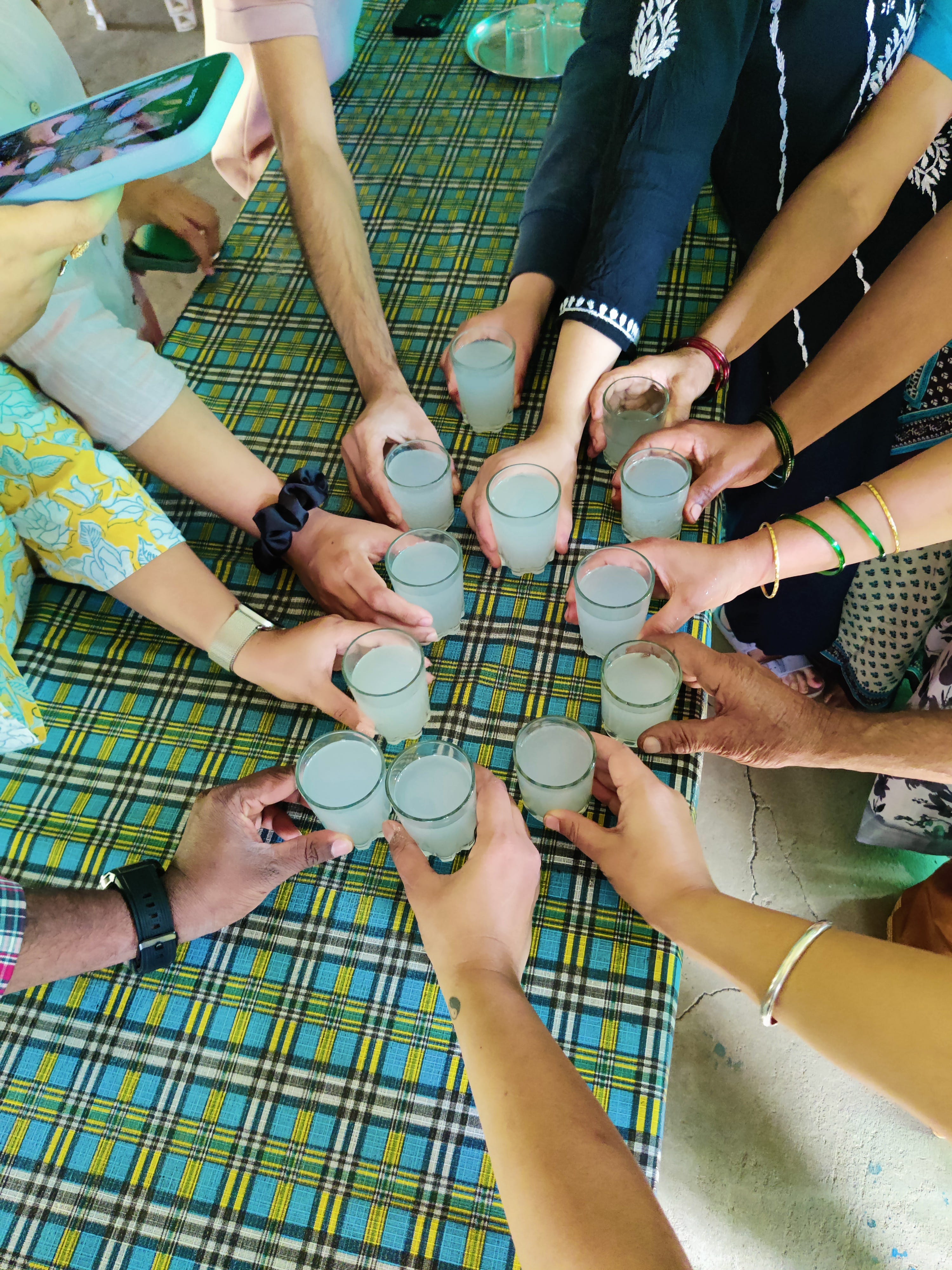
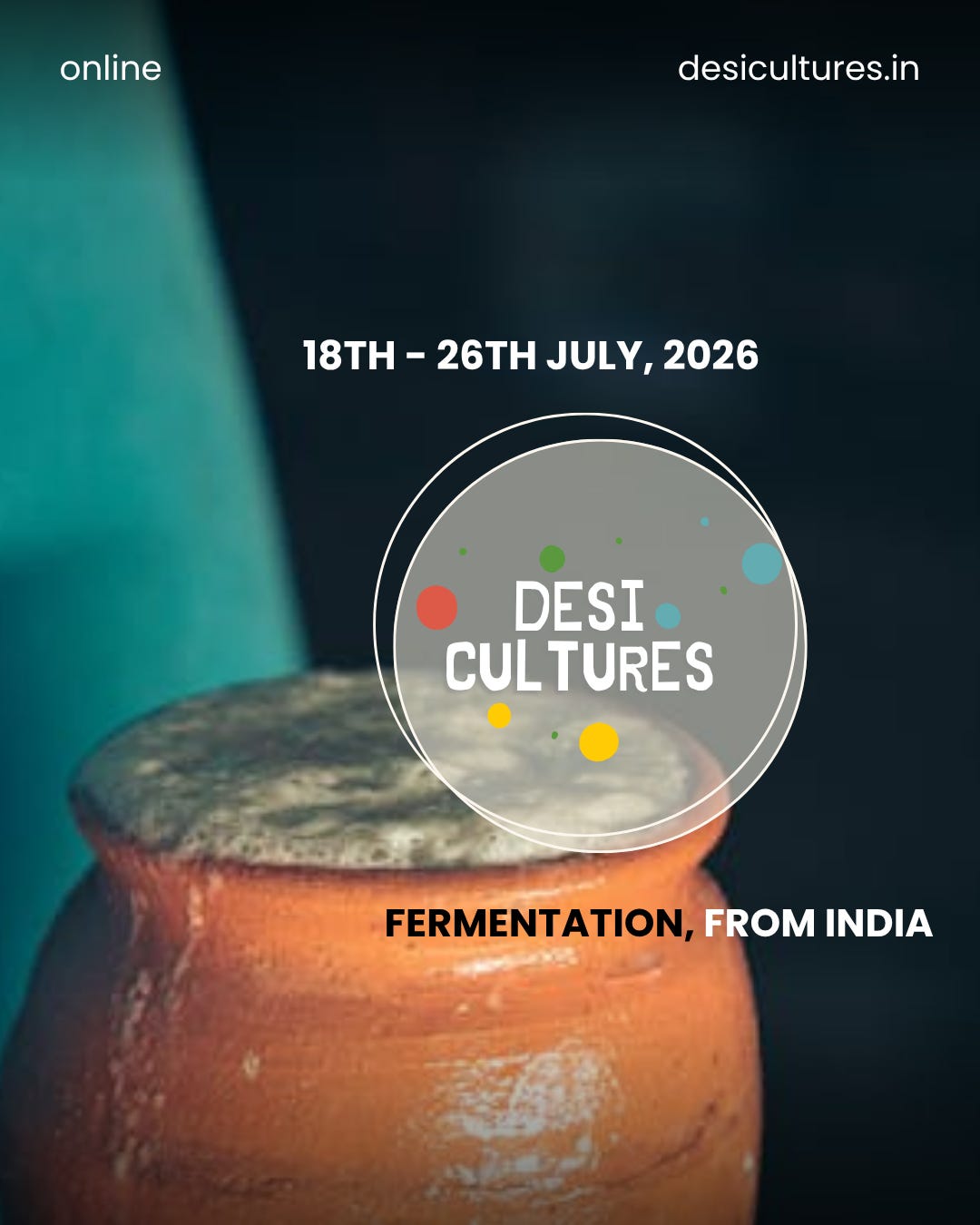
Desi Cultures, an online fermentation festival-conference from India. It is a week-long program that brings together and beyond. It will take place online from Monday, 20th to Friday 24th July 2026, between 5:00 and 8:00 PM IST.
Participants can join live, or watch session recordings at their own pace, making it accessible to anyone with an interest in fermentation, from anywhere in the world.
Founded by food researcher and filmmaker Shubhra Chatterji (@historywali) in 2020, Desi Cultures began as an online gathering for people interested in learning and sharing about ferments from around India.
Now, in 2026, this second edition of Desi Cultures, co-curated by Payal Shah of Kobo Fermentary, asks a different question:
What can fermentation knowledge, practices, and innovations from the Indian subcontinent contribute to the future of food and culture globally?

For me, Desi Cultures started as a way to understand and claim fermentation as inheritance rather than as trend. The idea that its always been ours too. In 2020, at a time when global food conversations belonged to sourdough, kombucha, kimchi and kefir, I wanted a space that reminded us that the subcontinent has always had its own fermentation traditions. Our pickles, curds, rice beers, batters for dhokla, idli, and dosa, our pakhalas, panta bhats, and kanjis, bamboo ferments, bean ferments, countless regional practices. So at that time, in 2020, Desi Cultures was about recognition. About saying these cultures, microbial and cultural, belong to us too.
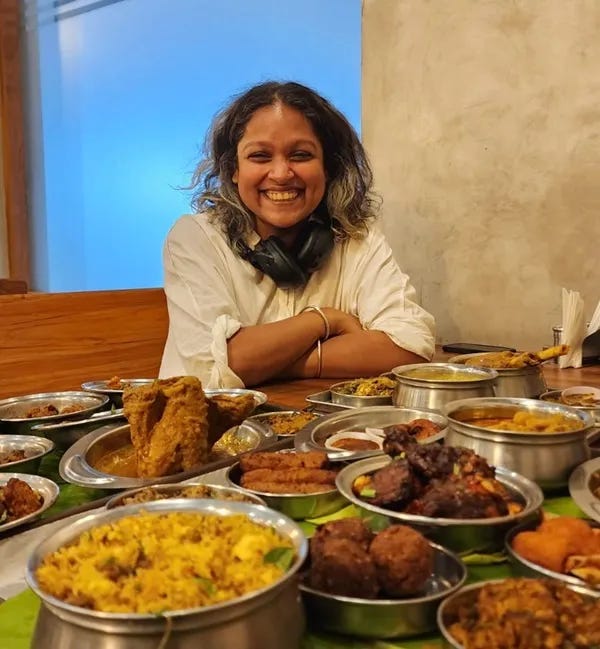
But where I stand now, six years later, the questions have become deeper and more layered.
Now I’m seeing fermentation as an archive of the invisible. Not just of microbial life, but of labour, instinct, memory, seasonal wisdom. The ways communities have preserved themselves and their worlds and ecosystems for generations. It is no longer only about what we ferment. It is about who ferments, under what conditions, whose knowledge gets valued and whose gets erased, and how a changing climate is altering these inherited rhythms.
This edition of the conference holds space for that shift. It asks bigger questions.
Fermentation is a powerful lens because it teaches us to trust time, to trust transformation, and interdependence, to understand that decay itself can be generative. In a moment of ecological instability and cultural flattening, culture(s) feel like an urgent conversation to keep returning to.
At Desi Cultures, we’re celebrating all things ferments and microbes from India and South Asia. I’m always excited to go down fermentation rabbit holes, but it’s even more special looking at it from India because of the depth and breadth of our culinary history. So on the one hand, we’re looking closer at fermentation geography, history and tradition. But on the other hand, we’re also exploring how it’s showing up in modern Indian kitchens and industries today. We’re seeing it being used as a tool for all kinds of innovation and solutions, in food, of course, but even in spaces like design, fashion, waste management and sustainability. I think it’s a really powerful form of intelligence and I’m excited to view microbes through all these different lenses!
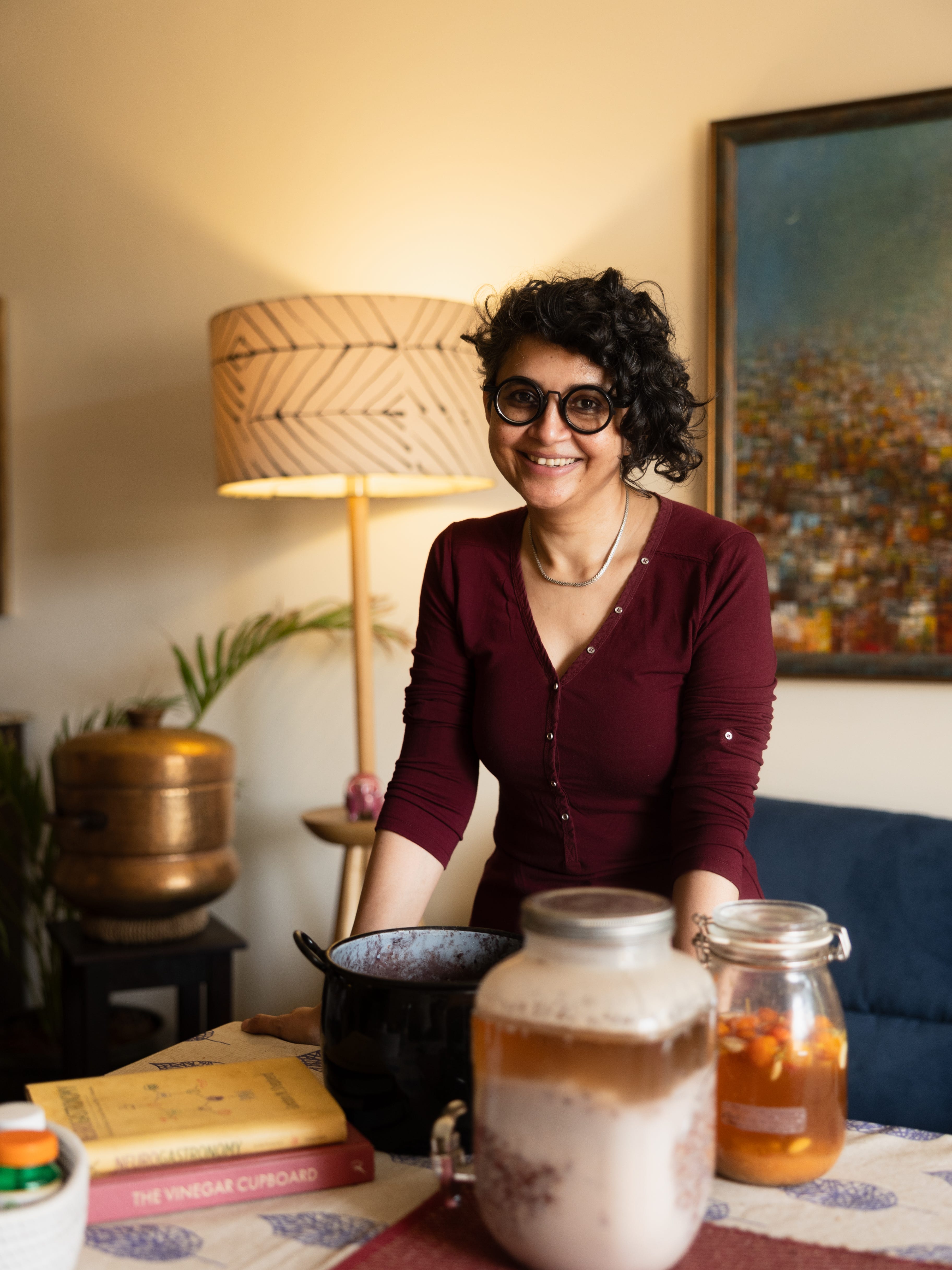
To me, ‘Desi Cultures’ is like many microbes gathering to make delicious things happen! Like a petri dish of exciting thoughts and ideas on fermentation.
India is such a large geography with various terrains, climates, cultures, terroir; still, there’s so much we don’t know. Like an unexplored vessel that has held generations of knowledge on transforming ingredients. And as a lens, fermentation can tell many stories of evolution, circumstance, preservation and pleasure.
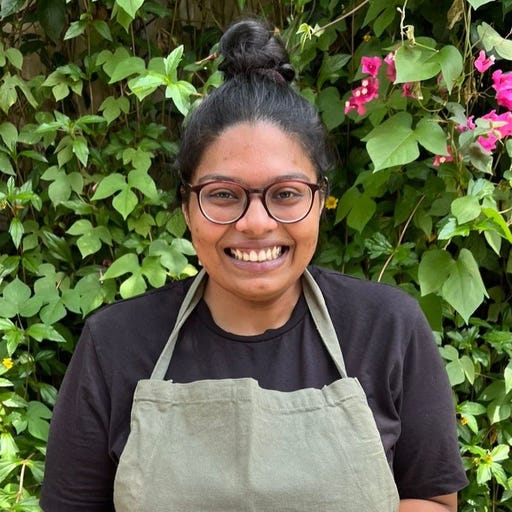
The smallest microbes can tell us the biggest things about how our food system has transformed. From this week of exchanging knowledge and ideas, I think we’ll find all kinds of tools to take back our culinary confidence, to understand our bodies and minds, and to build more resilient food systems!
I see Desi Cultures as a space to get nerdy. The food system is so vast, so here, fermentation is a great way to splice it and take a closer look. To explore food systems knowledge, practice and innovation from the eyes of all these different practitioners—chefs, anthropologists, food researchers, entrepreneurs—and their unique relationships with fermentation.

At a time when so many different practitioners around the world are thinking about fermentation, we’re seeing some hotspots of regional knowledge that are leading the way. I’m excited to see what this dialogue from India can contribute to global fermentation movements, and how India can contribute more to the broader discourse around food systems for the future.

I hope you are excited to learn more. Head to the Desi Cultures website to get your ticket.


Or, you can follow along on Instagram, and even join in.
For a social media series called “What’s In Your Ferment Pantry?”, we’re inviting people from across the world to share a post or reel on their Instagram page, about
A desi ferment you’re making or that’s in your kitchen right now
Ingredients and microbes/cultures you use
Family traditions or regional practices
Or even, books, tools or resources you have on South Asian fermentation
When sharing to your channels, we’d ask that you please
Tag / collab post with @desicultures.india on Instagram
Use #DesiCultures in the caption so it’s searchable
Consider mentioning (and feel free to personalise) - “We’re excited for Desi Cultures, a fermentation festival happening online from 18-26 July 2026. More details can be found on www.desicultures.in“
While this series is about helping more people discover the Desi Cultures festival, it’s also about creating a community-driven repository of what fermentation from South Asia can mean - in all its diversity!
Hope to see you there,
XO Kirsten
No posts
Comments
Nothing yet. Say the first thing.
Sign in to join the conversation.