
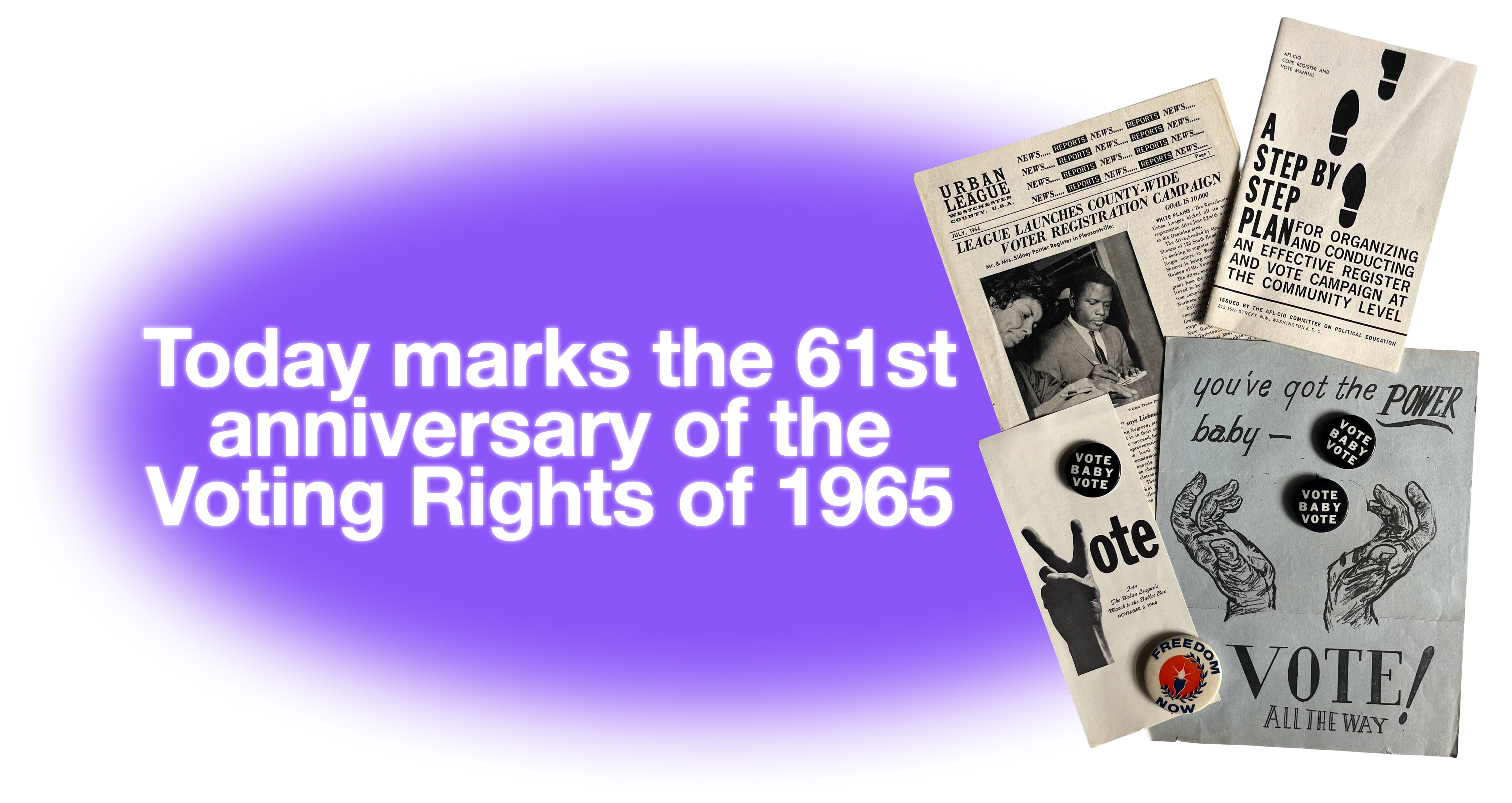
The current state of the voting rights protections in the U.S. for Black and minority voters mirrors what voting protections were like before the Voting Rights Act, during Jim Crow — the system of racist laws that enforced segregation and systematically blocked Black voters from ballot boxes through poll taxes, literacy tests, intimidation and violence. Previously, Section 2 of the Voting Rights Act required that racial minorities have an equal opportunity to meaningfully participate in the electoral process. Now, the Supreme Court says that expanding the voting power of racial minorities — who have historically faced countless barriers to the ballot box — is racial discrimination, and therefore, unconstitutional.
Earlier this year, the Supreme Court issued a ruling (Louisiana v. Callais) that struck down the creation of a second majority-Black congressional district in Louisiana, claiming that the map is an “unconstitutional racial gerrymander” according to Justice Samuel Alito who issued the majority opinion. This decision by the Supreme Court narrowed Section 2 of the landmark Voting Rights Act of 1965 to the point of irrelevance, making it nearly impossible for any future legal challenges that seek to prove that a map was drawn to violate the rights of people of color.
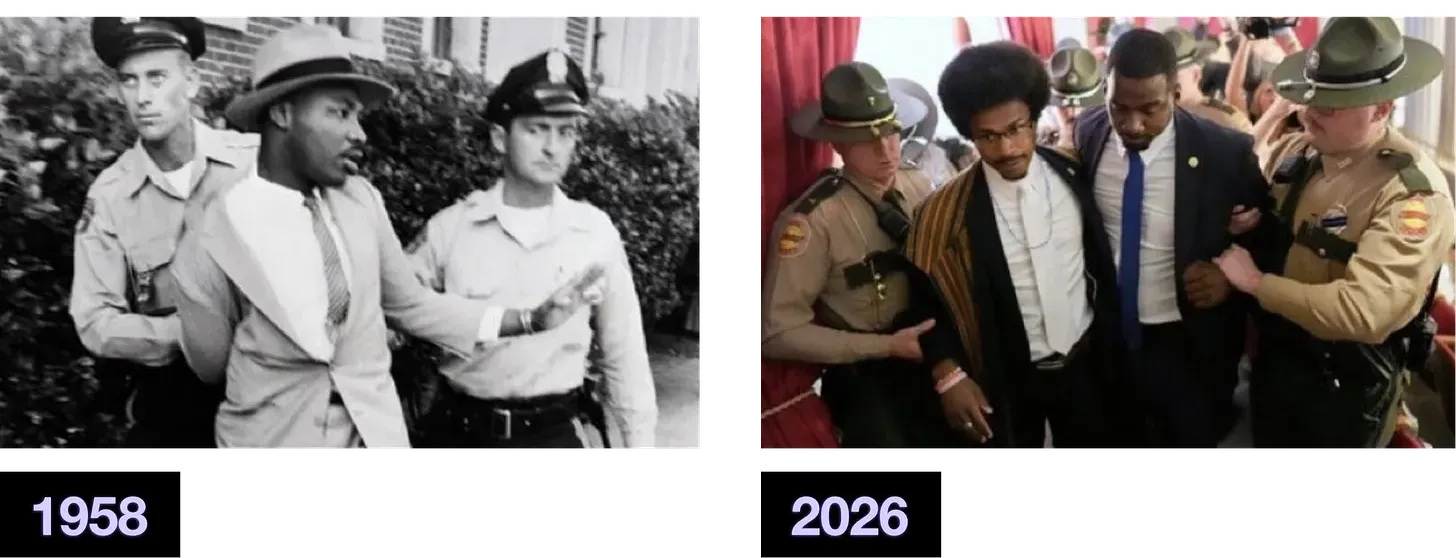
When the Voting Rights Act was signed into law in 1965, it marked a defining moment in the nation’s history, making it the first ever — and hardest fought — piece of legislation that safeguarded voting rights for Black Americans and other minority groups. Up until that point, Black Americans in particular had endured years of intimidation, murders, and political advocacy when it came to accessing the ballot box and exercising their constitutional right to vote. Over the course of history, Black Americans watched as groups including white men and white women secured their right to vote in 1776 and 1920, respectively. Even when the 15th Amendment to the Constitution removed racial barriers to voting in 1870, states continued to practice voter discrimination and barred Black voters from participating in elections.
Voter discrimination started with poll taxes and literacy tests. Then came the murders — a violent response by white supremacists towards those fighting for voting rights. The faces of civil rights workers James Chaney, Andrew Goodman, and Michael Schwerner were plastered on newspapers across the country after the three men were found shot to death and buried in a shallow grave in Longdale, Mississippi.
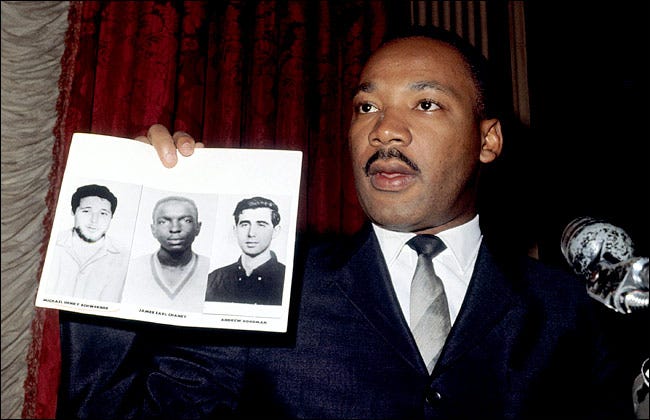
Days before, Schwerner and Chancey had led an effort to register Black voters and helped Mt. Zion Methodist Church, a Black church in Longdale, after it had been targeted and burned, which Goodman was investigating. The three men then headed for Meridian, Mississippi, but never made it there because they were murdered by local members of the Ku Klux Klan who had been closely following the group’s voting rights activities in the days leading up to their capture and subsequent murder. The following spring, 600 people, including former Rep. John Lewis (D-GA) were attacked on the Edmund Pettus Bridge, which later became known as “
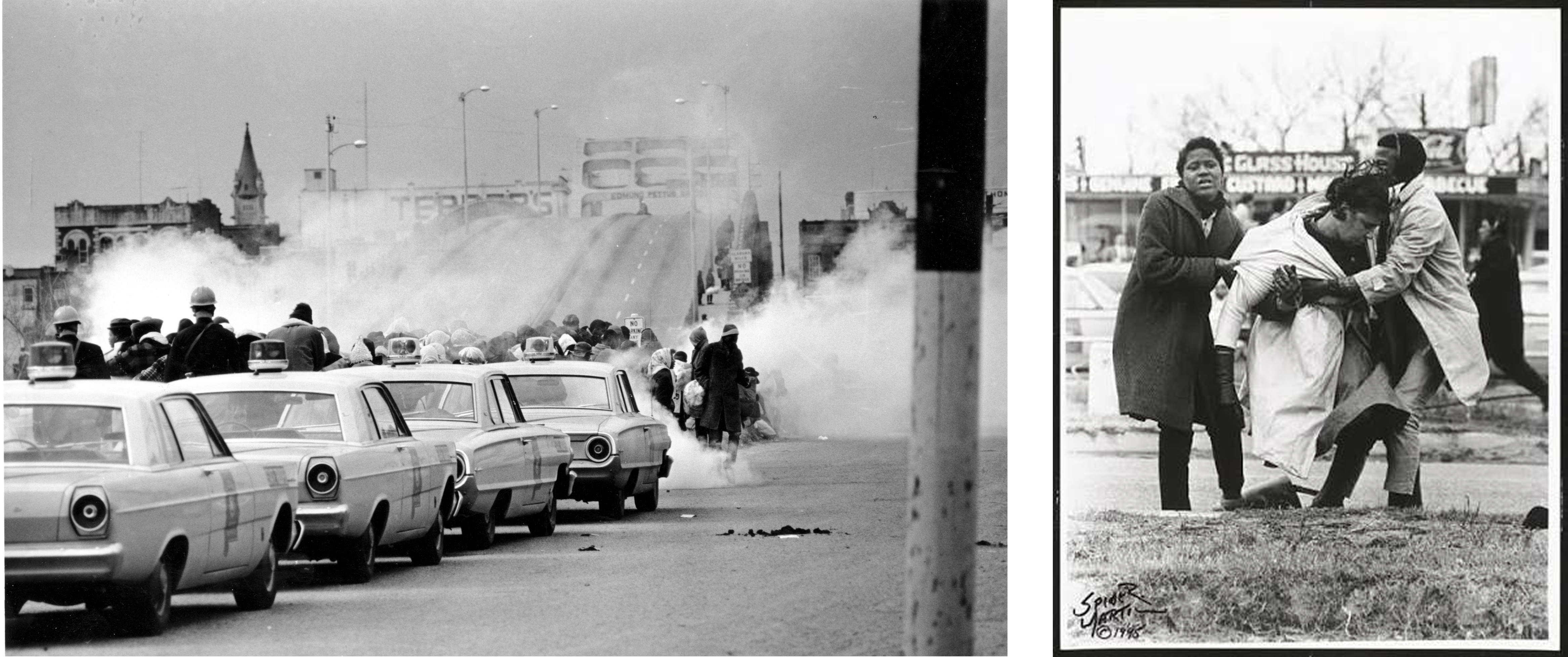
Hearing about this long fought battle of voting rights in America doesn’t just feel like a lesson about our history — it feels like a lesson about our present and warning about what could come.
After SCOTUS gutted the Voting Rights Act, South Carolina, Louisiana, Mississippi, Tennessee, and Alabama Republicans all attempted to pass legislation that would allow redistricting maps to effectively erase predominantly Black voting districts from their states’ voter representation. While some of these moves by Republicans failed due to strong opposition and resistance from constituents in states like South Carolina, Tennessee Republicans repealed a law prohibiting mid-decade redistricting, and passed new maps that eliminated the state’s only Black-majority district.

Redistricting determines who has political power. By redrawing district maps to dilute Black voting strength, Republican lawmakers can weaken Black representation and make it harder for Black communities to elect candidates of their choice. Because Black voters overwhelmingly support Democrats, these maps can also help Republicans gain and hold power in Congress and state legislatures.
These moves by Republicans are being called “redistricting wars” because Democrats and voting rights groups are actively fighting back against Republican-led gerrymandering. But balancing partisan seats is not the same as addressing the dilution of the Black vote.
While many states are not currently in a legislative session, we know that there will be another fight once midterms are over and states come back into session across the country. The war over redistricting and voting rights is not over — what we witnessed earlier this year was a preview for what’s to return again soon.
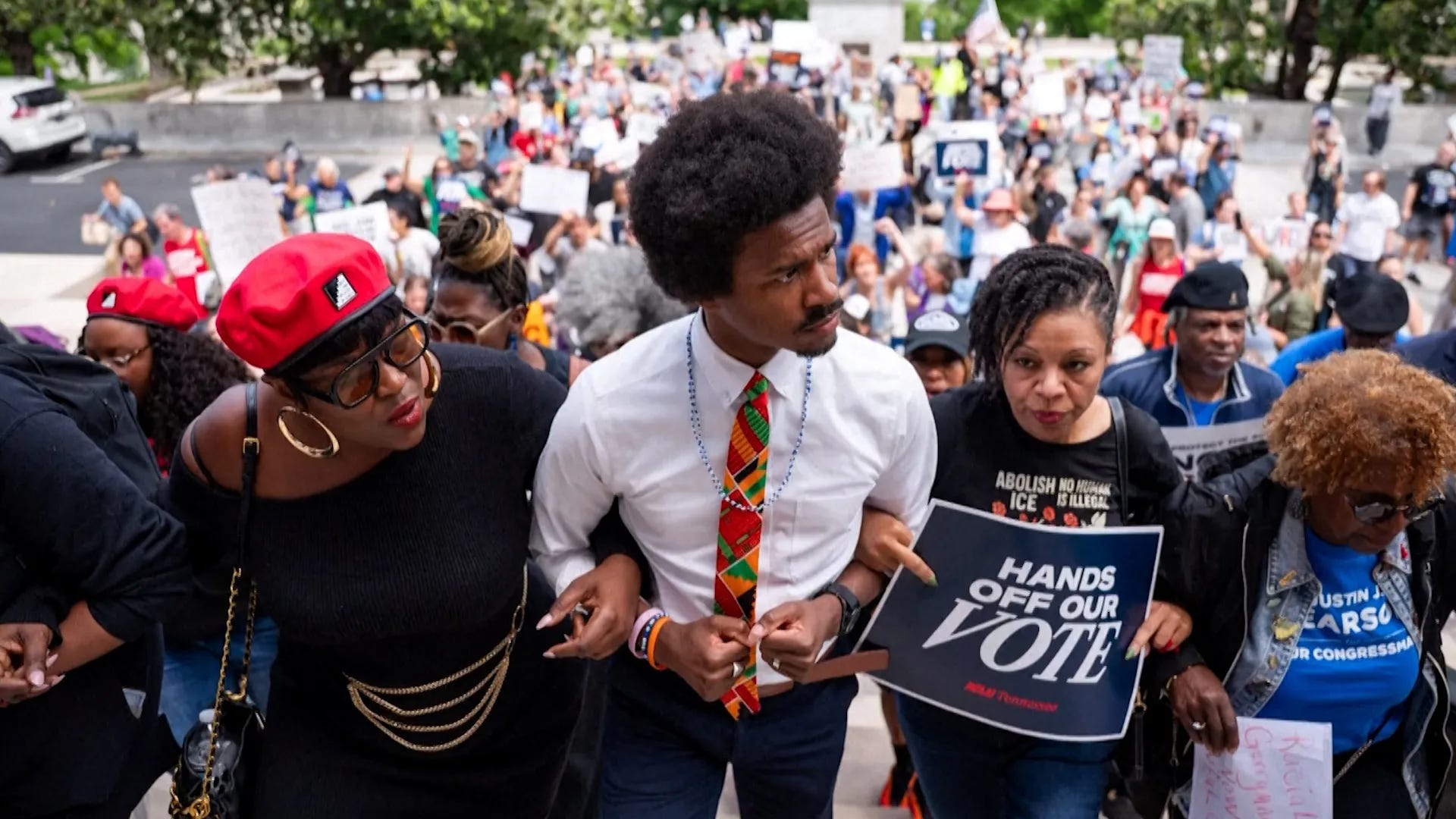
So what happens now?
Because of the gutting of the remaining key protections of the Voting Rights Act, there are at least 15 House districts now from Louisiana and eastward to North Carolina that are at risk of elimination, according to an NPR analysis conducted earlier this year. Another NPR analysis found that under the new wave of redistricting, white candidates might win 15 seats now held by Black members of Congress — the largest reduction in Black congressional representation since the end of the Reconstruction era in the 1870s.
The data tells us a clear story: The threat over voting rights is no longer looming — it’s here. Black political representation and power is on the line, and we must be ready to meet with resistance, strength, and power.
Take 30 seconds out of your day and check your voter registration: whenweallvote.org. And once you check it, send this link to your group chat so they can check theirs too.
Make an Election Day plan. Voting is not a solitary burden — it’s a collective action. Ballot box and brunch? Carpool karaoke to the polls? Donuts and democracy? Whatever you do, make a plan to not just bring yourself to the polls, but bring your people with you.
Tell your representative you want the Voting Rights Act restored. Sign the petition by Common Cause. Sign here: act.commoncause.org/petitions/protect-our-voting-rights-restore-the-vra-today
Comments
Nothing yet. Say the first thing.
Sign in to join the conversation.