
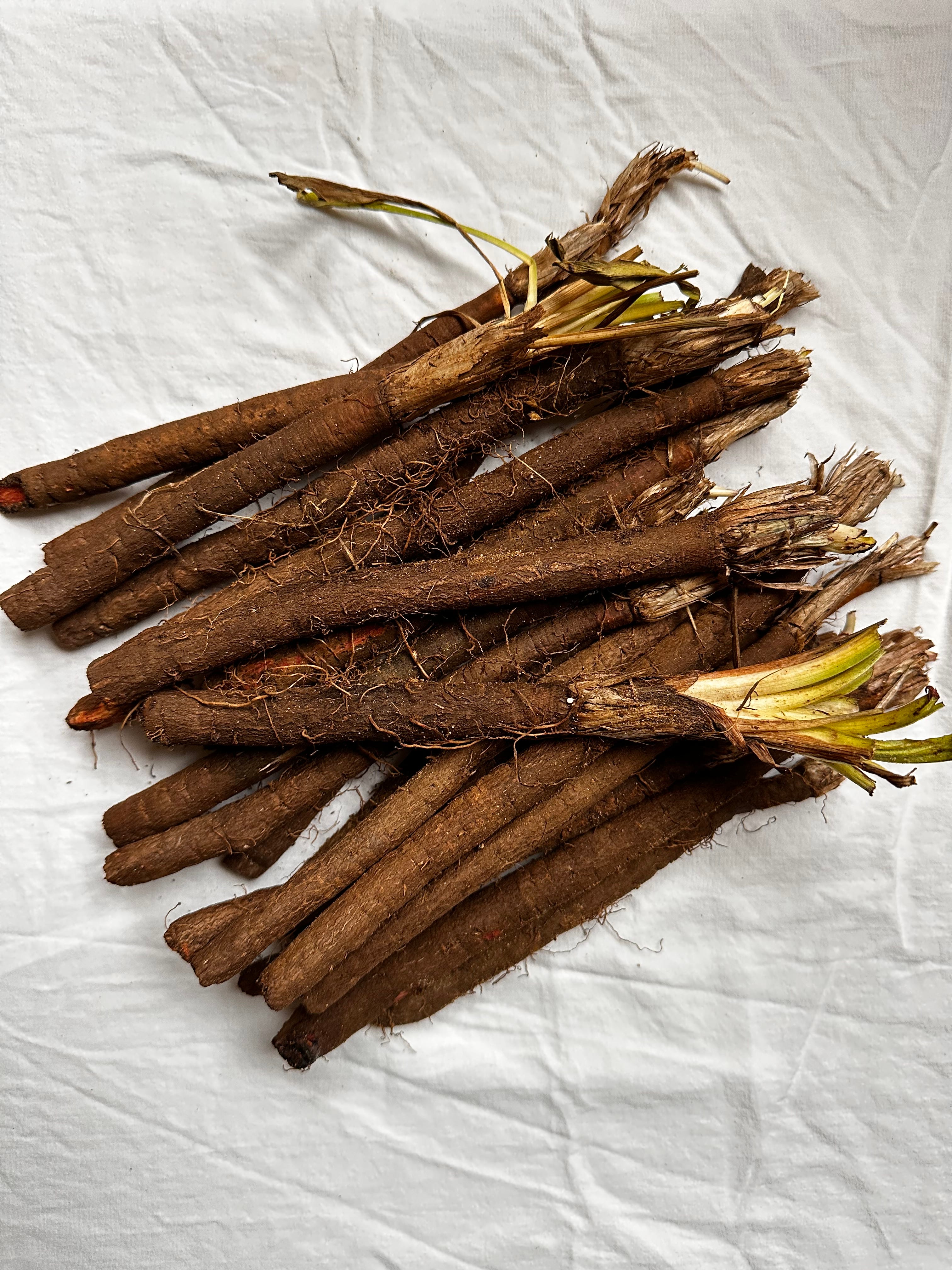
This root vegetable comes from the same family as dandelions and sunflowers, and was once cultivated as much for its pretty blooms as for the edible root.
The main producers in Europe are Belgium and the Netherlands, with the biggest consumers being France and Italy. I would say it now belongs to the world of forgotten vegetables in France, mostly appearing on the menus of more old fashioned or fine dining restaurants.
This now largely forgotten root was very popular in Victorian times, even in the UK, where it featured in the best 18th-century cookery books. It was often served in white sauce with nutmeg, or sautéed in butter and parsley.
The first traces of human consumption of salsify date back to Antiquity, when it was picked in the wild for medicinal purposes rather than food.
This unassuming stick is actually full of nutrients, particularly potassium and antioxidants, as well as a surprisingly high amount of protein for a vegetable. In France, many people will turn their noses up at salsify because of its reputation as a flatulent foe, but this is simply due to its high inulin content. Inulin is a prebiotic fibre that supports our gut microbiome and gives a slow, steady release of energy. The key is not to eat too much at once but to introduce it gradually, to avoid the less sociable side effects.
The more common black variety is known as scorzonera, or viper’s grass in English. It takes its name from the Latin word for venomous snake, as it was once used as an antidote to snake bites and even the plague. It has become the more popular variety because it is more flavoursome and less fibrous. But salsify has also gone by many other nicknames over the years, including the poor man’s asparagus and the oyster plant, thanks to its very, very slight hint of shellfish in flavour.
I would describe these white sticks as slightly nutty and a bit astringent. Many people detect a hint of liquorice, artichoke and even a whisper of oyster, although all of this is quite delicate.
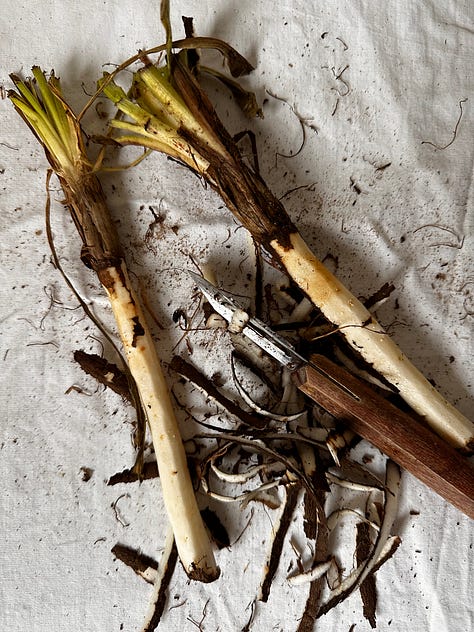
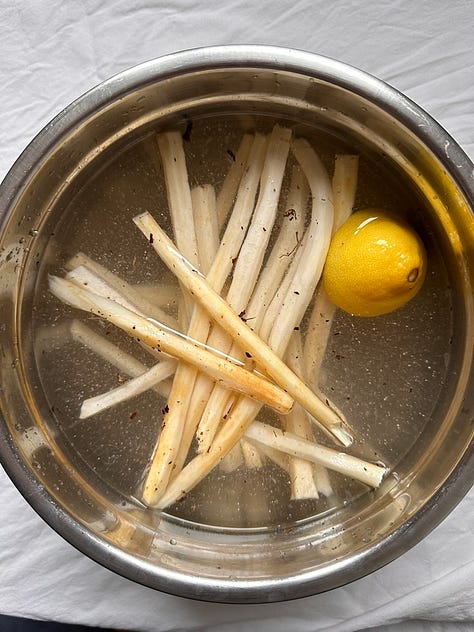
Raw: Firstly peel and wash them, of course. To stop them from browning, coat them in lemon juice straight away, or keep them in a bowl of cold water with half a lemon.
Slice into ribbons using a potato peeler and toss into a salad with orange segments and a mustardy vinaigrette.
Add grated salsify to a coleslaw for an extra crunch.
Cooked: Same prep as for raw.
Salsify is delicious roasted like any other root veg with a bit of oil and garlic.
Boil it in water or milk until the salsify is tender. Then either eat it straight away or
Brown it in a pan with a little bit of butter and finish it with chopped parsley.
Mash it with butter, cream and a touch of nutmeg.
Braise it in a deep saucepan with stock, a bit of butter and a sprinkle of sugar, let the water evaporate slowly until the salsify are tender and glazed.
Flavour pairings: Clove, nutmeg, curry powder, parsley and chives. Dairy such as butter, milk and cheese. Seafood. Citrus, apple and pear, even tinned peaches. Nuts, coconut and vanilla.
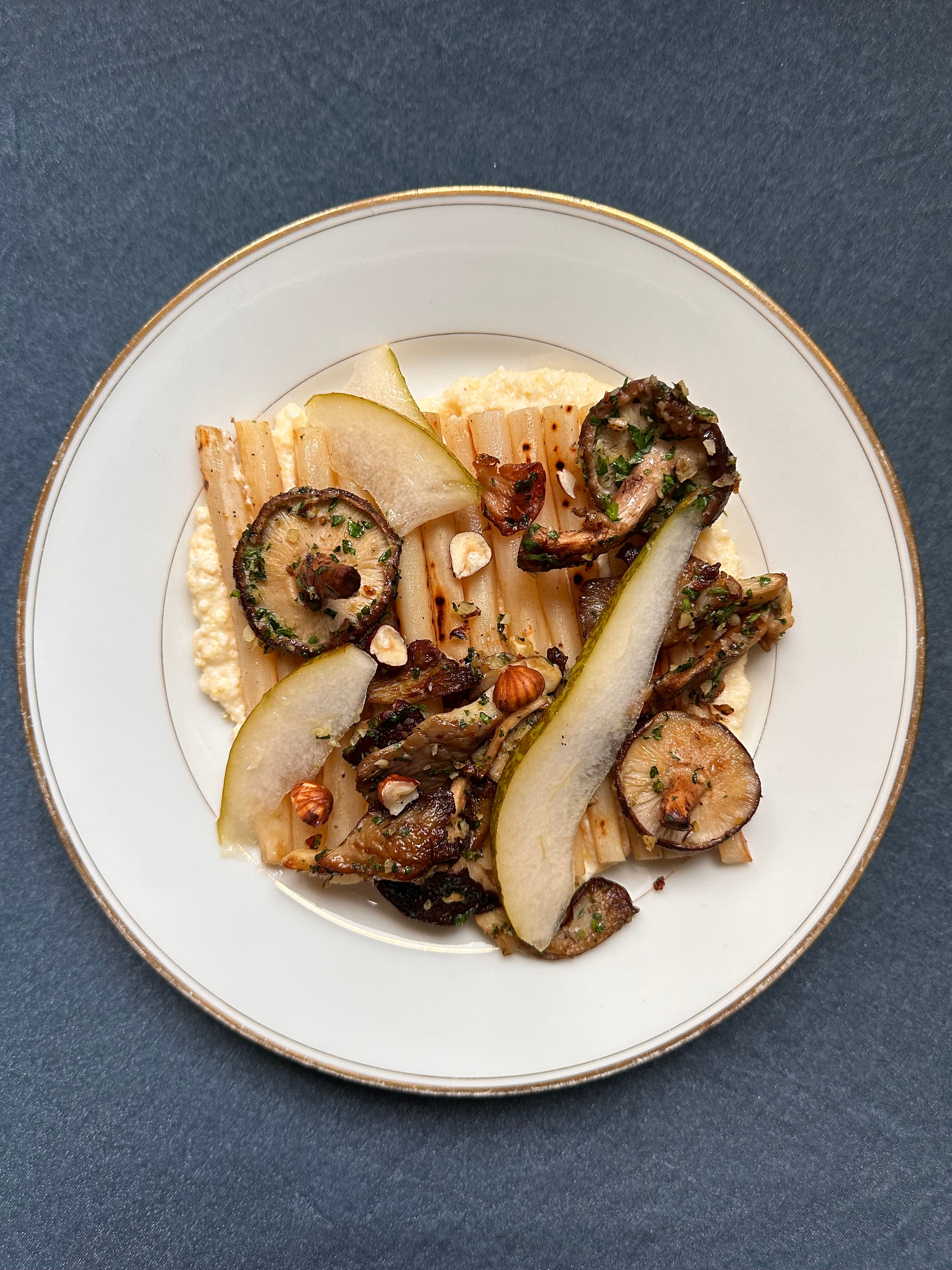
Ingredients (2 portions):
500g salsify
1 pint whole milk
Nutmeg
100g polenta
30g butter
30g parmesan
50ml double cream
10g parsley
20g hazelnut
1/2 lemon, zested
Salt
1 garlic clove
200g mushroom, preferably fun meaty ones, like shiitake or oyster
1/2 pear
1 lemon, juiced
Method:
Peel the salsify and place it in a bowl with half a lemon to prevent browning, then rinse away any remaining dirt.
Place the salsify in salted boiling water and cook for 15 minutes or until you can easily insert a knife through them. Drain them and keep to one side.
In a dry frying pan, toast the hazelnuts over a medium heat for a couple of minutes. Roughly chop them with the parsley, lemon zest and a pinch of salt to make your gremolata.
Thinly slice the pear and place in a bowl with the juice of half a lemon.
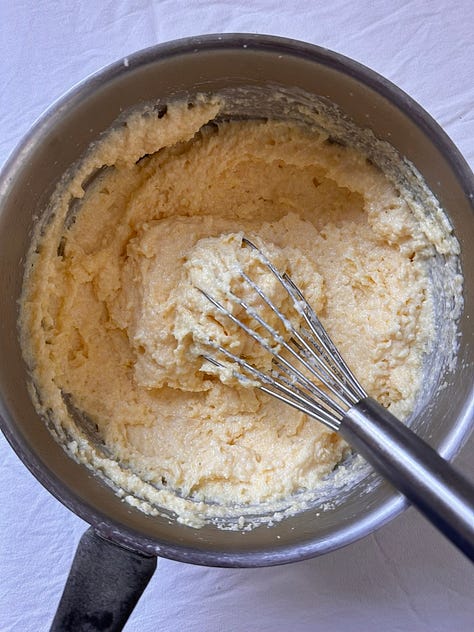
Add the milk to a saucepan with 10 g of the butter, a pinch of nutmeg and some salt. Bring to the boil, then lower the heat and slowly whisk in the polenta. Keep stirring for about five minutes until thick and creamy, then take it off the heat and stir in the cream and grated Parmesan. Taste and adjust the seasoning. If it thickens too much, loosen it with a splash of boiling water or extra cream.
Peel and crush the garlic clove.
Gently brush any dirt from the mushrooms with a dry cloth and cut any large ones in half.
In a frying pan, melt 10 g of the butter over a medium heat. Add the mushrooms and cook for a couple of minutes, then add the garlic and half the gremolata. Cook for another two minutes, then transfer to a plate.
Return the pan to the heat, add the remaining butter and fry the salsify until lightly golden.
Serve with a generous spoonful of creamy polenta, topped with the glazed salsify, garlicky mushrooms, a scattering of gremolata and a few refreshing slices of pear.
As always, if you have any questions about method, substitutes etc feel free to send me a message!
Comments
Nothing yet. Say the first thing.
Sign in to join the conversation.