
I never liked the expression race yourself into shape. I disliked the phrase because it glosses over the foundational concepts we’ve been discussing in this story. That said, I have a deep respect for what works – and the approach I took in the summer of 2024 worked exceptionally well.
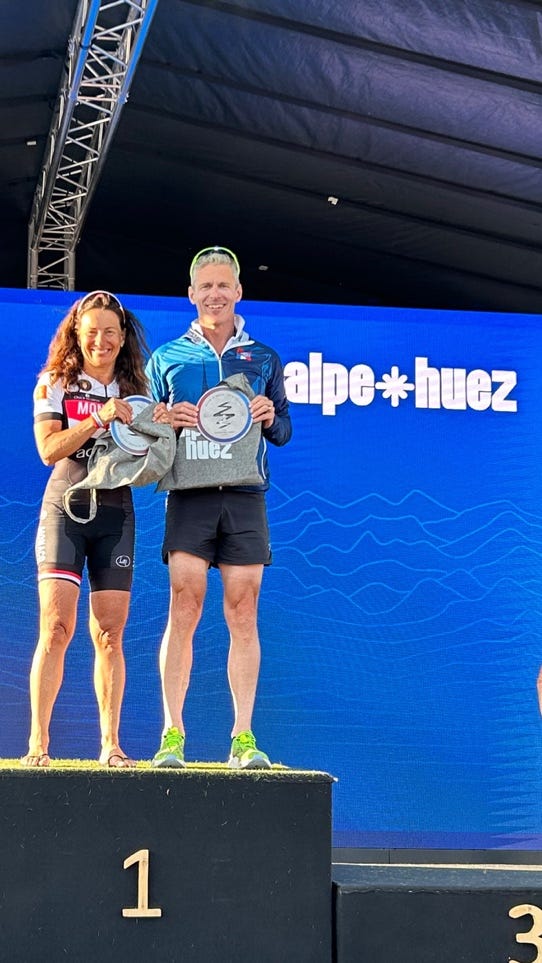
Let’s break out the components of my season so you can achieve similar success.
Chapter Nine focused on the aftermath from picking an event (ÖtillÖ) that was beyond my general capacity. Lingering fatigue negatively impacted my winter preparations and showcased an example of race prep training, resulting in a reduction in fitness.
By the spring, Chapter Ten, I got myself back on track. I used balanced training with a focus on a limited number of tempo and torque sessions to lift my cycling fitness.
In late-spring, Chapter Eleven, I scheduled a high-volume training camp that ended with a SwimRun race in Sweden.
Chapter Twelve outlined a month-long training block with a primary focus on uphill fitness. There were a handful of peppy sessions but, worth noting, no racing.
The final piece of my preparation was a multiday training camp that ended with an ultradistance triathlon. Chapter Thirteen showcased shorter events and race-simulation sets.
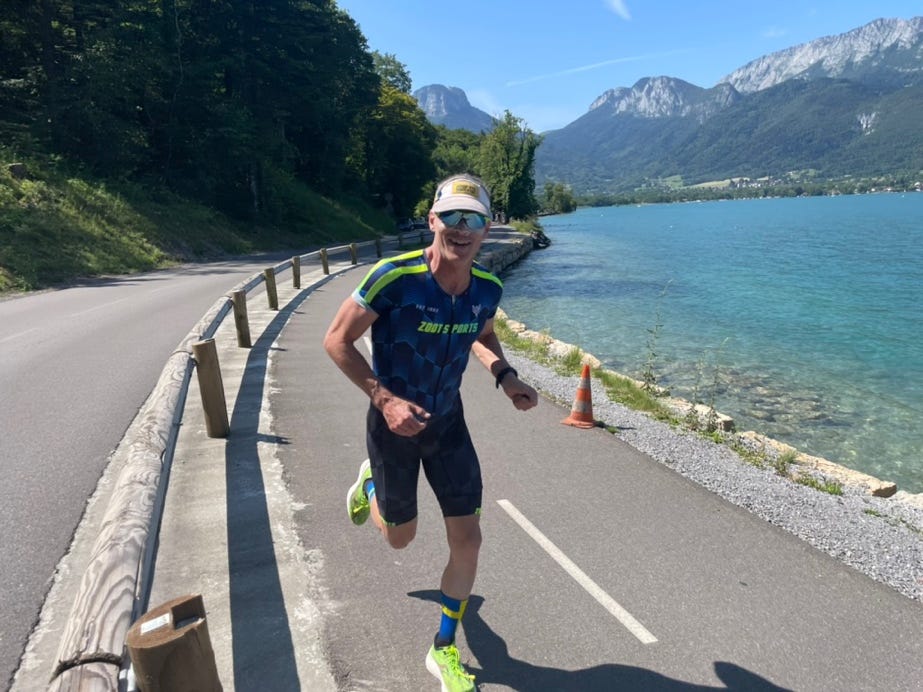
Where I want you to focus with your planning:
Your primary goal is to bring general fitness to a high level.
Once you have hit that goal, it only takes a couple weeks, and a few specific sessions, to bring yourself into race fitness.
Misapplication of these components is why athletes peak several weeks before their key event, then fail to carry their fitness to race day, most commonly due to burnout or injury. If that sounds familiar, then you are likely trying too hard in training.
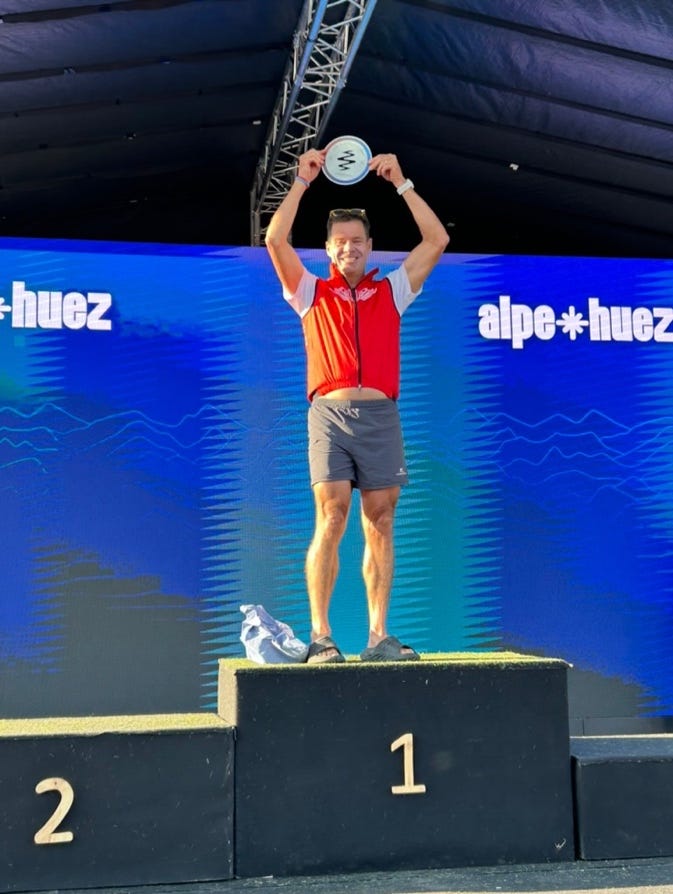
Let’s pull my peaking process out from Chapter Thirteen so you can see how fast fitness rises. Once we start adding the tough stuff, form rises quicker than we expect.
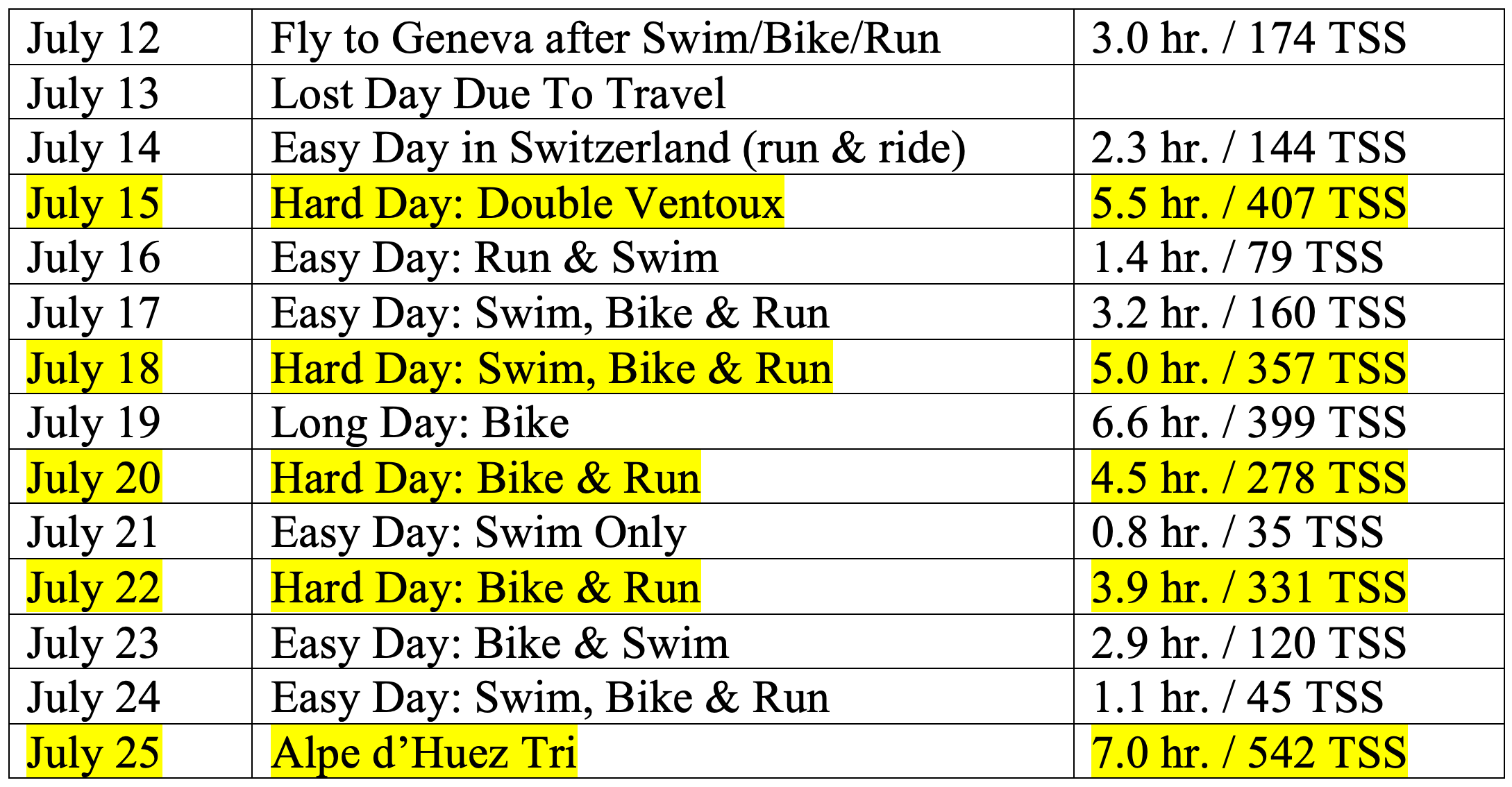
Four hard days in a two-week block brought my fitness to a peak. Each of the hard days contained either:
race-specific efforts or
season-best performances.
Some of the days saw both and, on July 18th, I ran my fastest 5K since I returned to running.
There is no magic formula. The principles I want you to hold on to are:
Maintain easy volume.
Hard days should be “hard” in a race-specific sense (see Chapter Twelve).
A long taper is neither required nor desirable.
Having the race at the end of the peaking block kept a lid on how hard I was willing to go in training. At the back of my mind, I knew I had a challenging race coming up and didn’t want to take my fatigue too deep.
Reviewing my notes from the block, I would have preferred an additional easy day before the race. However, the result speaks for itself. I had a great day.
Please share this post with a friend. Use my experience to plan your next breakthrough.
Back to How To Train - Preview Chapters
Back to eBook Table of Contents
No posts
Comments
Nothing yet. Say the first thing.
Sign in to join the conversation.