
If someone asked me to name the single most important factor to address in order to prevent chronic disease, my answer would probably be insulin resistance.
Once you truly understand what insulin is and how it works, the answer becomes obvious. I often describe insulin as the master key to the body’s metabolism, regulating how energy is stored, distributed, and used throughout the body. There is a reason why people with diabetes often have a lot of other health problems on top of their original condition. When I discovered the book The Disease Delusion two years ago, I was amazed to see just how significant a role insulin resistance can play in the body—and the problems it can cause in the future.
As you know, I’m a strong believer in the idea that the human body functions as an interconnected system. Energy production, transfer, and allocation are fundamental biological processes—not some kind of New Age concept. In this regard, I have always appreciated Albert Szent-Györgyi’s famous remark:
“In every culture and in every medical tradition before ours, healing was accomplished by moving energy.”
— Albert Szent-Györgyi, Hungarian biochemist and 1937 Nobel Prize laureate in Physiology or Medicine for his discoveries on vitamin C and cellular energy metabolism.
I love this quote because I find it so true and inspiring. When you look at the new therapies for cancer and other chronic diseases, they often rely upon the same principle: moving energy. Life is pretty much about that, after all.
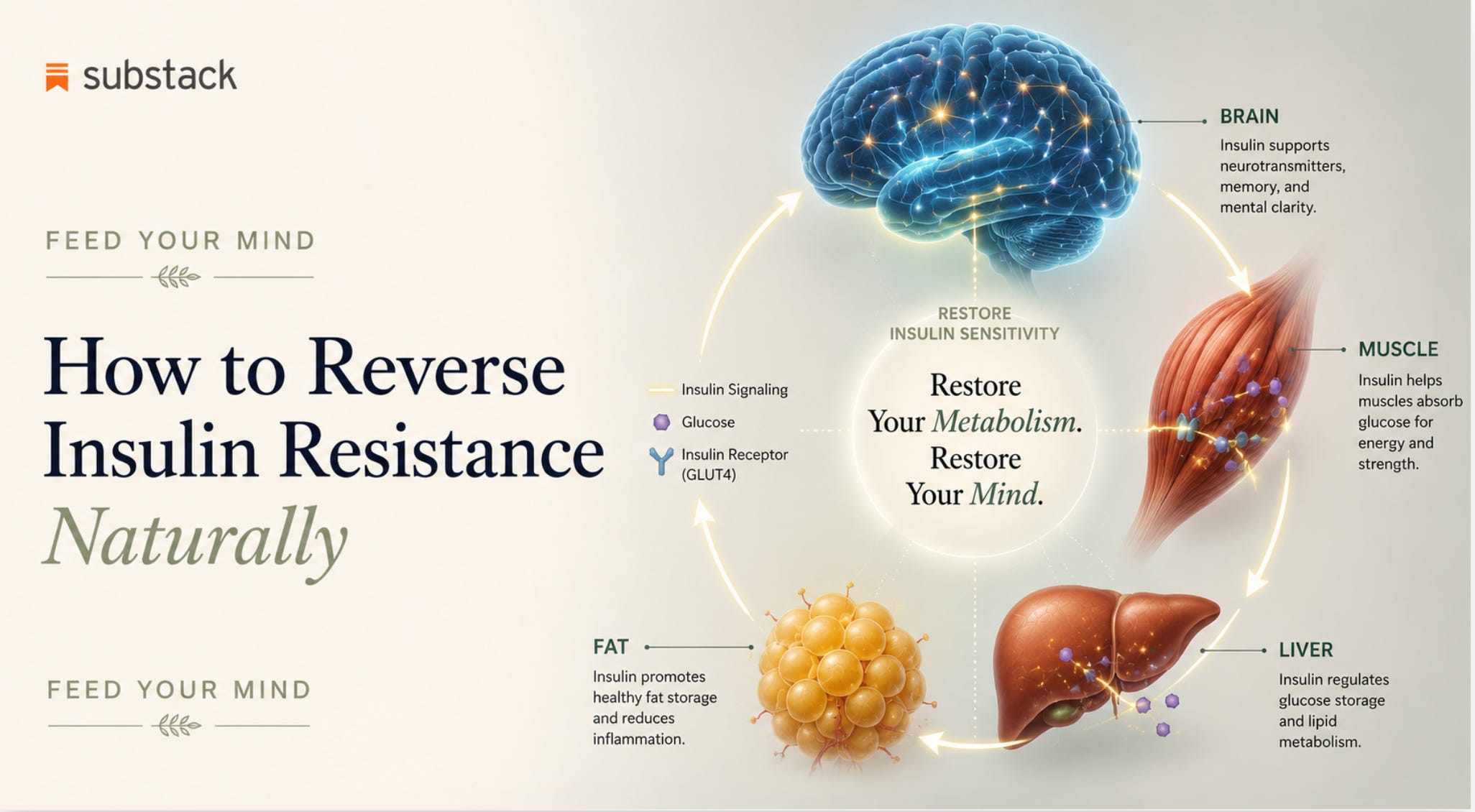
In this article of approximately 7,000 words, I’ll present two comprehensive protocols for reversing and overcoming insulin resistance. The millions of people browsing forums are all looking for concrete solutions to prevent the most serious chronic diseases, neurological and psychiatric disorders, cancer, and inflammatory conditions (e.g., joint and digestive system disorders, etc.). Here, you’ll get your money’s worth—and your time’s worth. Over time, I’ve become convinced that insulin resistance is one of the worst biochemical processes that can occur in the human body. First of all, because it’s silent, develops slowly, and disrupts the body’s entire metabolism. However, as we’ve known since the work of Warburg, Szvent-Gyorgyi, and Max Gerson, an altered and slowed metabolism will inevitably lead to a pathological dysfunction that has a name: disease.
All of nature, the entire universe, is governed by energy—the way it is distributed and interacts with its environment. The human body is no exception to this rule. Food, lifestyle, and our internal biochemistry are the main drivers of this vast system of exchange. Everything is connected. All of the body’s variables influence one another. We must therefore tackle the root cause, explain things in simple terms, and provide readers with the tools they need to understand the mysteries that govern the human body—our shared home.
I want to emphasize that this article is simply a broad introduction on the subject. There are far more informations on the topic. I may write other papers about it.
"Overconsumption of sugar and processed carbohydrates is a major cause of the diseases of civilization."
Abram Hoffer
This protocol can be applied regardless of your illness or the chronic condition you are seeking to manage. As numerous studies have shown, insulin resistance plays a role in the development of many diseases, whether physical or mental.
Restoring the cells’ sensitivity to insulin addresses the root cause of the problem and allows the body to produce energy again—just as it did before what we call “disease” set in.
The goal of this free section is to help you understand how insulin resistance develops. For readers wishing to take the next step, the premium section provides a detailed, science-based protocol to help restore insulin sensitivity in everyday life.
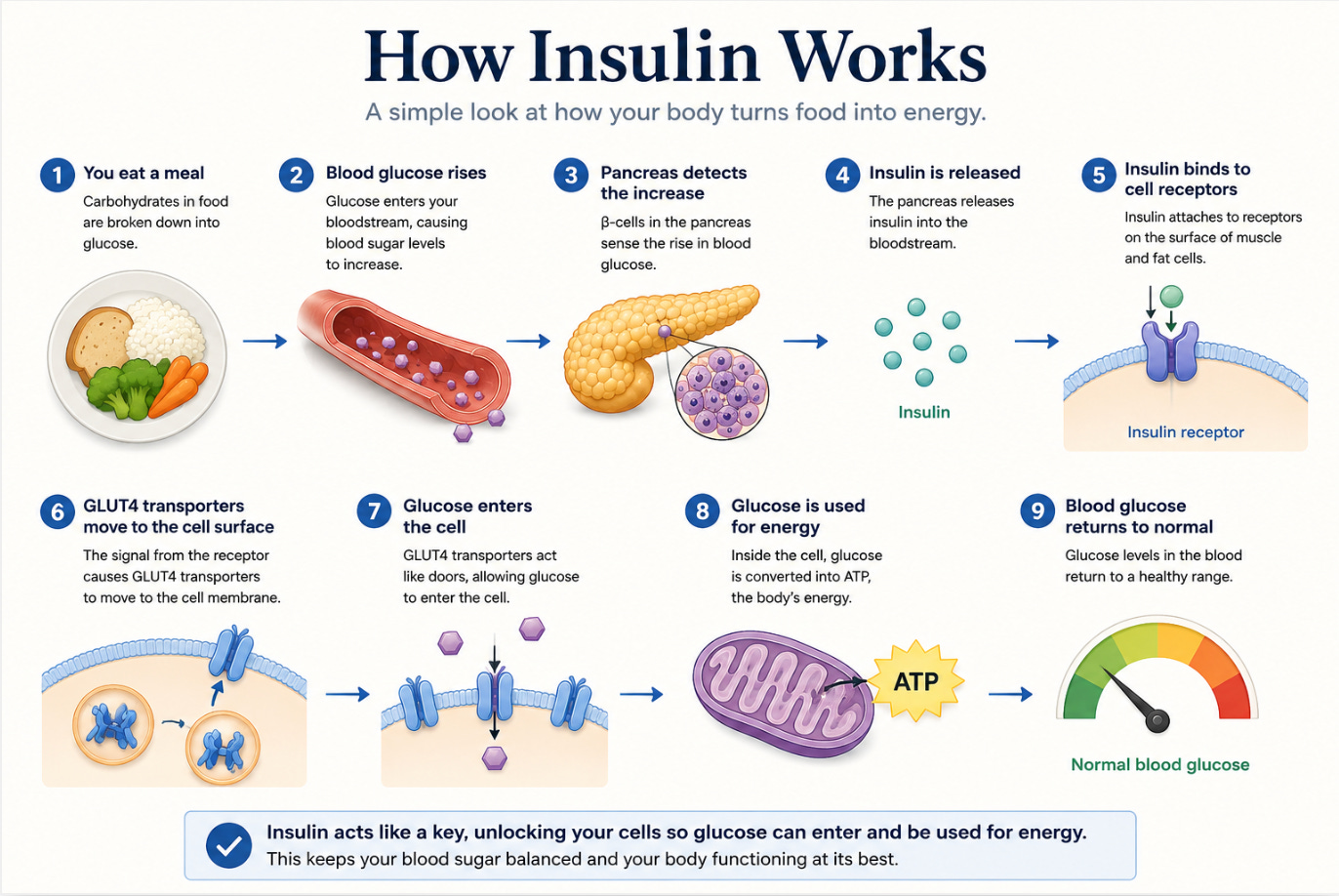
Insulin is one of the most important hormones in the human body. It is produced by the β-cells of the pancreas, its primary role is to regulate blood glucose levels after a meal. As you already know. Every time you consume carbs, they are broken down into glucose, which then enters the bloodstream. When this happens, insulin then acts like a kind of biological messenger, allowing glucose to leave the bloodstream and enter the cells. where it can be converted into energy. Apart from ketosis (the energetic process induced by the ketogenic diet), energy generally comes from glucose, as I just said. However, insulin does far more than simply regulate blood sugar. It influences fat metabolism, protein synthesis, muscle growth, hormone production, inflammation, and even brain function. I generally compare insulin to the key of the whole body’s metabolism. It’s pretty accurate, when you truly understand how it works. This is why any disturbance in insulin signaling can affect pretty much any organ, any area of the body. As you will discover in another part of the article, the brain seems to be particularly vulnerable to insulin resistance, for various reasons. As a matter of fact, Alzheimer’s disease is nos seriously rooted in insulin resistance. This disease is very complex and surely caused by a variety of factors, but in some people, insulin resistance seems to be the dirty player. Same for ALS (amyotrophic lateral sclerosis). You will find some good papers investigating the links between the two.
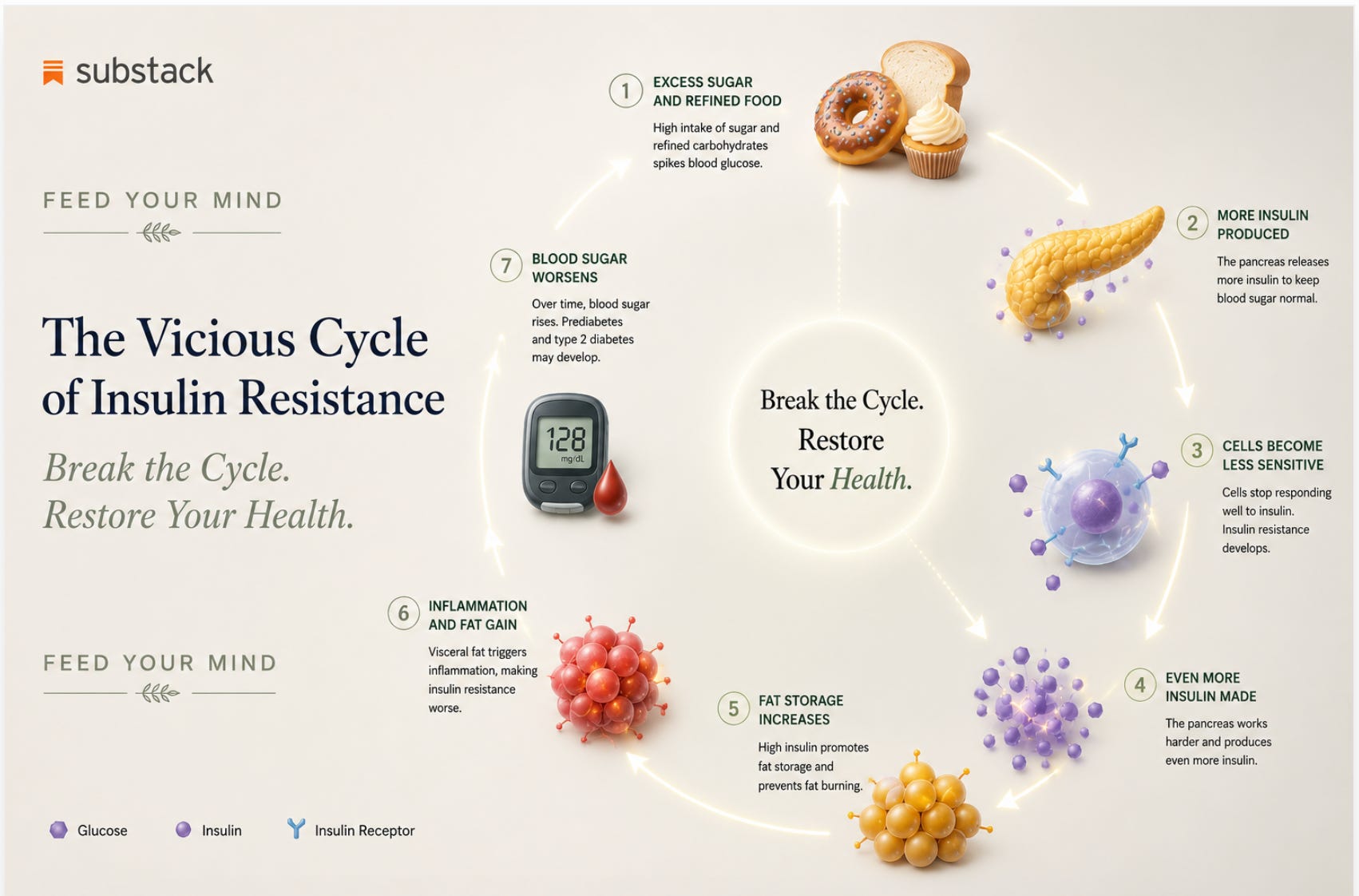
One of the defining characteristics of insulin resistance is that it gradually creates a self-perpetuating vicious cycle. As cells become less responsive to insulin, the pancreas compensates by producing larger amounts of the hormone in an attempt to keep blood glucose under control. As I said previously, insulin resistance is a kind of biochemical traffic jam, in which blood glucose accumulates, leading to an abnormal situation for the body.
This state of compensatory hyperinsulinemia may persist for years before blood sugar levels become abnormal. However, chronically elevated insulin also promotes fat storage, increases inflammation, and makes it more difficult for the body to burn fat as fuel. As visceral fat accumulates, it releases inflammatory molecules and free fatty acids that further impair insulin signaling. This is when the real problems begins for the individual. It is very hard to understand this vicious cycle and even more difficult to stop it.
Inflammation is the body's natural defense response to injury, infection, or stress. While essential for healing, chronic inflammation can gradually damage healthy tissues and contribute to many chronic diseases.
The cells become even more resistant to insulin, forcing the pancreas to work even harder. Unless this cycle is interrupted through nutrition, physical activity, weight loss, or other interventions, it continues to reinforce itself until the pancreas can no longer keep up, eventually leading to prediabetes and, in many cases, type 2 diabetes. If more people understood insulin resistance, there would be far fewer cases of diabetes worldwide (at least type 2), and far fewer people would die from it. But keep in mind that insulin resistance increases your risk of nearly all diseases, not only diabetes. Blood glucose instability not only lead to the aforementioned disease, but can also increase your risk of Alzheimer’s disease, anxiety and depression, neurodegenerative diseases, digestive tract disorders, and so on.
As with many topics related to functional medicine, people with insulin resistance often face a tortuous path to treatment. They go from doctor to doctor, undergo the standard tests, and get a prescription for an antidepressant or something else. They explain that they feel fatigued, have brain fog, overall sluggishness, and so on. As a result, they end up with a prescription for either an antidepressant or a stimulant. It depends on the doctor’s mood. The thing is, insulin resistance isn’t a disease in the strict sense of the word. It doesn’t really have clear, well-defined symptoms, like Parkinson’s disease or other conditions. Its early symptoms are vague and difficult to interpret. In this section, I’ll try to break them down and discuss the markers that can be used to make a diagnosis.
Persistent fatigue
Fatigue is an early symptom of insulin resistance. It’s usually the first sign. Despite having an abundance of glucose into their bloodstream, their cells cannot use it efficiently. There’s a sort of “breakdown” and blockage that occurs. It’s as if a line were forming to enter the cells. The body can no longer supply the cofactors needed to ensure that glucose enters the cells efficiently (via insulin). That’s where the blockage occurs.
People often describe feeling sluggish, as if stuck in a state of fatigue that’s hard to describe precisely. A sort of general sluggishness that takes over their entire body.
Brain Fog
The brain’s activity relies on a constant and stable source of energy. When insulin signaling becomes impaired, many individuals reports feeling:
cognitively impaired
brain fog
Difficulty concentrating
Slower thinking
Poor memory
Mental fatigue
Anxiety / depression (in severe cases)
Several researchers and leaders in medical education now believe that impaired insulin signaling play an important role in the primary etiology of dementia and Alzheimer’s disease. The famous disease has been nicknamed type-3 diabetes in some papers also. For a long time, medicine though that we either have stable and normal blood glucose levels or we have diabetes. But the reality is that there is a huge gray area where people have neither, but where their internal biochemistry is progressing toward diabetes, or where the entire architecture of cellular insulin sensitivity is breaking down. This is what is known as insulin resistance, a gradual process with devastating metabolic consequences. But metabolism is energy. If metabolism breaks down, energy breaks down. If energy breaks down, life breaks down as well.

I can’t say this often enough: when you want to know what’s going on inside your body, you have to ask your brain first. It remains the body’s most sensitive organ. As Linus Pauling so brilliantly observed in his groundbreaking article, Orthomolecular Psychiatry, the double Nobel nominee described the great paradox facing this organ. It weighs only about 1 kg but consumes more than 30% of the glucose and 40% of the oxygen in the bloodstream. It therefore has an extremely high nutritional demand. As a result, it is the organ most sensitive to even small fluctuations in energy, whether from nutrients or other sources.
In the context of insulin resistance, this means that the brain simply can no longer access the energy it needs to function. A rather problematic situation, as we can all agree. I am personally convinced that insulin resistance is a potential cause of many cases of neurodegenerative diseases.
3. Sugar Cravings
When glucose struggles to enter the cells, the brain often interprets the situation as an energy shortage.
This frequently leads to:
Sugar cravings
Frequent snacking
Difficulty feeling satisfied after meals
Many patients find themselves trapped in a vicious cycle of hunger, overeating, and worsening insulin resistance. As I often say, this is the sugar that makes you hungry. I fully believe that. I also believe that sugar addiction is the most prevalent in our modern world. If you want to improve your health, quitting sugar is the first step to take. But it is very difficult to do. Sugar withdrawal is no joke. I lived it myself and relapsed many times.
Poor sleep
Contrary to what many people don’t realize, sleep plays a very important role in insulin resistance. People with this condition often report:
- difficulty falling asleep
- non-restorative sleep
- daytime sleepiness
- frequent awakenings
Insulin resistance can cause stress—biochemically speaking—and thus lead to difficulty falling asleep.
The thing is, lack of sleep has metabolic effects that can also lead to insulin resistance. It’s a true vicious cycle.
8. High Blood Pressure and Dyslipidemia
Insulin resistance affects much more than blood sugar—it also disrupts lipid metabolism and cardiovascular function. As insulin levels remain chronically elevated, the liver begins producing larger amounts of very-low-density lipoproteins (VLDL), leading to increased triglyceride levels in the bloodstream. At the same time, HDL (”good”) cholesterol often declines, reducing one of the body’s natural defenses against atherosclerosis.
Hyperinsulinemia also stimulates the sympathetic nervous system and promotes sodium retention by the kidneys, both of which contribute to elevated blood pressure. Over time, this combination of high triglycerides, low HDL cholesterol, and hypertension becomes one of the hallmarks of metabolic syndrome. Together, these abnormalities significantly increase the risk of heart attack, stroke, and other cardiovascular diseases, often years before type 2 diabetes is formally diagnosed.
The liver is one of the first organs affected by insulin resistance. As insulin loses its effectiveness in peripheral tissues, excess glucose and free fatty acids are increasingly converted into fat within liver cells, a process known as de novo lipogenesis.
This leads to the progressive accumulation of triglycerides in the liver and eventually to non-alcoholic fatty liver disease (NAFLD), now one of the most common chronic liver disorders worldwide.
The condition is often called a “silent disease” because most patients experience few or no symptoms during its early stages. Without intervention, however, simple fatty liver can progress to inflammation (non-alcoholic steatohepatitis, or NASH), fibrosis, cirrhosis, and, in some cases, liver cancer. Fortunately, improving insulin sensitivity through diet, weight loss, and regular physical activity has consistently been shown to reduce liver fat and slow or even reverse disease progression. Fatty Liver Disease may or may not be accompanied by insulin resistance. In a lot of cases, the biochemical processes seen in insulin resistance will eventually lead to fatty liver disease, but it is not always the case. However, the liver remains one of the organs to be the most severely affected by insulin resistance, and for good reason. The likelihood to develop NAFLD or FLD seems to be influenced by genetics, lifestyle and early treatment interventions. If you want to do your own research, the variants at play seem to be the PNPLA3, TM6SF2.
The Silent Phase…
The most dangerous aspect of insulin resistance is that it develops over several years. It often remains silent for long. People don’t have clear symptoms. A person may spend 10 to 20 years with normal blood glucose, progressive metabolic damage and progressive weight gain, normal blood markers, and yet be silently sinking into a state of insulin resistance. I know it sounds pretty counter intuitive but this is the reality of this condition. People don’t really remain symptom free, as they start to experience fatigue, skin symptoms indicating a blood glucose problem, fatty liver markers, and so on. But the reality is that when the insulin resistance is there, it is often too late. I don’t want to sound too dramatic, as the condition is reversible. But let’s put it this way. It is easier to reverse insulin resistance in its early stages than when your cells have been fully resistant to it.
By the time type 2 diabetes is diagnosed, insulin resistance has been present for several years. That’s why it’s so important to implement the right protocol in order to reverse the damage.
To evaluate your progress, I recommend measuring the following biomarkers before starting the protocol and again after 12 weeks. Together, they provide a good overview of your insulin sensitivity and overall metabolic health.
Fasting glucose: Ideally between 70 and 99 mg/dL (3.9–5.5 mmol/L). A fasting glucose above 100 mg/dL (5.6 mmol/L) suggests impaired glucose regulation, while values of 126 mg/dL (7.0 mmol/L) or higher on repeated testing are consistent with diabetes.
Fasting insulin: One of the most useful markers of insulin resistance. Ideally, fasting insulin should remain below 6 µIU/mL. Levels above 10 µIU/mL often suggest reduced insulin sensitivity, while values exceeding 15 µIU/mLare commonly associated with significant hyperinsulinemia.
HOMA-IR: This index combines fasting glucose and fasting insulin to estimate insulin resistance. A value below 1.5 is generally considered optimal. Values above 2.0 suggest early insulin resistance, while 2.5–3.0 or higher are widely used as evidence of clinically significant insulin resistance.
HbA1c: This reflects your average blood glucose over the previous two to three months. An HbA1c below 5.4% is considered metabolically healthy. Values between 5.7% and 6.4% indicate prediabetes, whereas 6.5% or above is consistent with diabetes.
Triglycerides: Ideally below 100 mg/dL (1.1 mmol/L). Elevated triglycerides are a common consequence of insulin resistance, with values above 150 mg/dL (1.7 mmol/L) forming one of the diagnostic criteria for metabolic syndrome.
HDL cholesterol: Higher levels are generally protective. HDL should ideally be above 60 mg/dL (1.55 mmol/L). Low HDL—below 40 mg/dL in men or 50 mg/dL in women—is frequently observed in individuals with insulin resistance.
Waist circumference: Excess abdominal fat is one of the strongest clinical indicators of insulin resistance. A waist circumference above 102 cm (40 inches) in men or 88 cm (35 inches) in women is associated with a significantly increased metabolic risk.
Body weight: While body weight alone cannot diagnose insulin resistance, progressive weight gain—particularly around the abdomen—is often a sign that insulin levels have remained elevated for an extended period. Even a modest reduction of 5–10% of body weight can substantially improve insulin sensitivity.
Berberine
500mg, 2-3 times a day with a meal
People with slow COM-T mutation may be intolerant to berberine
The nutrient could aggravate neuropsychiatric symptoms if someone with Slow-COMT takes it on a daily basis, because it will slow down the enzyme even further and lead to an accumulation of some monoamines (serotonin, dopamine).
Berberine is a natural compound extracted from several medicinal plants that has been used in traditional Chinese medicine for centuries. Today, it is one of the most studied natural supplements for improving insulin resistance and metabolic health. Although it does not replace insulin, berberine activates many of the same metabolic pathways, helping cells absorb glucose more efficiently, lower blood sugar levels, and restore normal insulin sensitivity. For this reason, it is often described as a natural compound that “mimics” some of insulin’s beneficial effects. It is one of the most effective ways to improve blood glucose levels in pre diabetic people.
Magnesium (glycinate)
400mg / day (at night)
Possible to take during the day, but in divided doses.
Most of the enzymes required to produced insulin are magnesium dependent. Moreover, insulin cannot be produced without adequate stores of ATP (adenosine triphosphate). On top of that, magnesium will restore normal neurotransmitters production (especially GABA and dopamine), which is usually altered in people with longstanding hyperinsulineamia.
Inositol (or Myo-Inositol)
2 - 4 grams / day
Preferably after a meal and in divided doses
Start slowly to avoid G-I side effects
This nutrient is especially effective for insulin resistance in the context of PCOS and other hormonal related metabolic disorders. Some women need higher doses than this (between 2 to 8 grams, in divided doses).
Omega-3 (EPA + DHA)
1 - 2 grams a day
It is important to choose a pure form of omega-3, since many supplements may contain traces of heavy metals and other pollutants. This is because the fish from which omega-3s are extracted are often highly contaminated with various pollutants.
Omega 3s will help to lower inflammation, in the body and in the brain. People with diabetes and high level of insulin secretion usually have high neuroinflammation markers.
Vitamin D (if deficient)
2000 - 5000 IU/day (according to blood levels)
Taking it with magnesium will avoid any issue with calcium accumulation in the blood.
Important to take it after a fatty meal, in order to maximize absorption
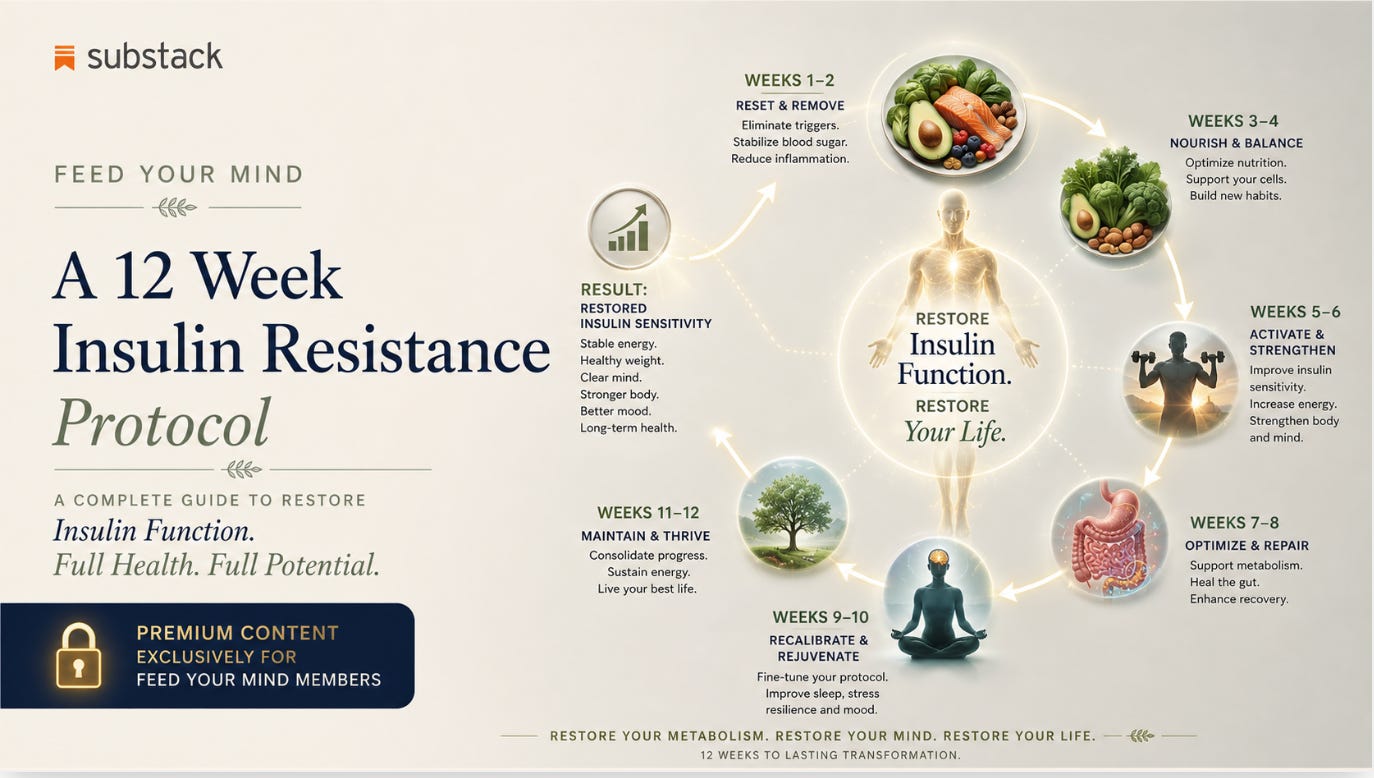
In the next part of this article, I will present to you a very detailed and progressive protocol aimed at fully reversing insulin resistance. It will be a step by step guide. I will include:
the lifestyle changes to implement
Exercise routines
Examples of diet regimens to limit sugar intake
Supplement regimen
Comments
Nothing yet. Say the first thing.
Sign in to join the conversation.