
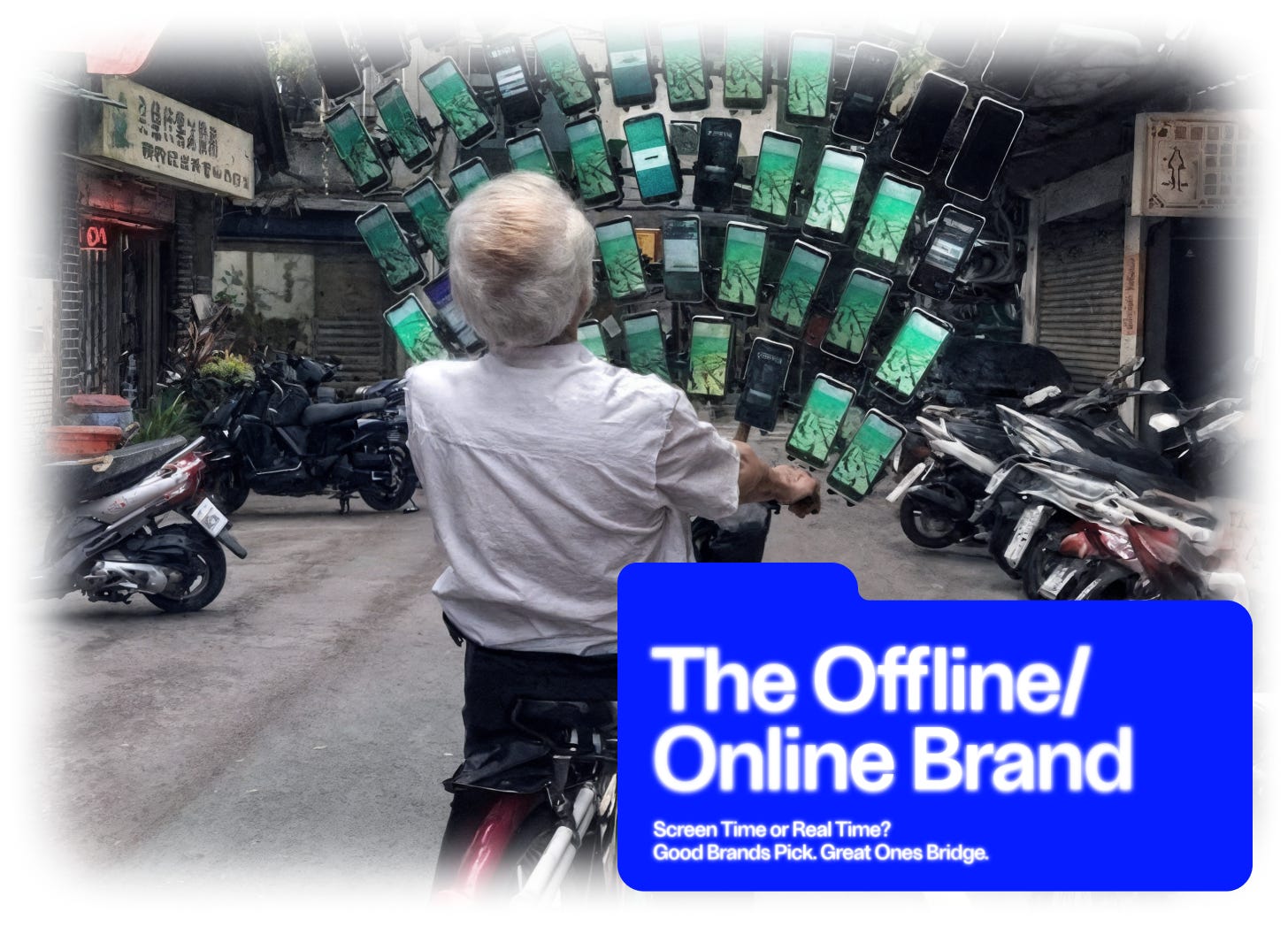
Are we really offline, or do we just like pretending?
The recent popularity of off-screen activities like run crews, book clubs and brand-hosted parties might suggest we’re all logging off, but the data tells a different story — recent research from Pew says 4 in 10 adults say they are “almost constantly” online.
At the same time, 85% of Cultural Pioneers (the most culturally active in a brand’s client base) say their favourite way to engage with a brand is through physical spaces, according to Highsnobiety.
For brands, this presents a dilemma. How do you show up for your consumer when they’re maximally online, and craving offline at the same time?
The brands that are winning today don’t treat offline and online as two separate planes, but as an interconnected system. This article explores how brands should think about creating this bridge for themselves, and why sports, celebrity culture and next-gen fashion brands might hold the clues.
First, it’s useful to understand how we got here.
The truth is, consumers are craving offline experiences because we’re more addicted to screens than ever.
At work, data reveals that AI doesn’t reduce work, it intensifies it. Coders have gone from using Claude Code for 20 minutes per day to 20 hours per week over the past year, according to WSJ.
At home, we then trade a big screen for a smaller, more powerful one. Meta’s algorithm changes last year have meant we now doomscroll for 30% longer.
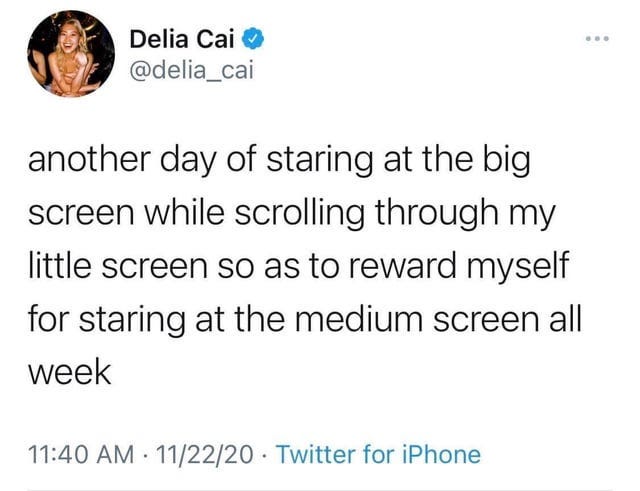
Screens have become inescapable black holes. Real life is the only thing able to pull us out, providing a much-needed source of connection, cope and status.
Connection: A lack of third spaces means there’s real demand for spaces that facilitate interaction. Initiatives like 3rdspace by Jake Sacks + Sophia Almendral (a curated dinner and art/exhibition series in New York) and LA-based Usal Project founded by Michael Washington act as vital locations for creative exchange off-screen.
Cope: Tech optimised our lives, now we want to feel alive. #SilentWalk has 600k views on TikTok. Opal, a screen blocking app, is valued at $50m. To ‘Brick’ your phone has become a verb like Uber.
Status: When everyone’s online, being offline becomes a flex that says you can take the social cost of disconnection. The premium on live events is a strong signal — a ticket to this year’s World Cup final will set you back $10,000, and Wimbledon debentures are now changing hands for more than $500,000.
This combination means modern life feels less like two sides of a coin, and more like a cycle of optimisation and engagement, remedied by the relief of escape.
How should brands navigate this new reality? It turns out the answers are already out there, just not in the conventional spaces.
Musicians, sports teams, creators, and celebrities all understand that the biggest cultural moments no longer happen either online or offline, but should play out across both.
The common thread? They turn up with fans where they already are, treating co-creation as a vital lever to build anticipation, drive participation, and create amplification.
Fred Again bridges online and offline worlds through cryptic online clues, exclusive Discord vinyl releases and — together with us at Explorers Club — a systemised approach to tour date drops and an open-source approach to the artistic process.
NASDAQ-listed AI Cybersecurity company Torq embraces a visually striking surrealist approach to marketing that translates across web, content series, merch, stunts, and in-person trade events, while its brand mascot, ‘Trevor from Torq’ blurs the line between brand ambassador and fictional character, marketing and entertainment.
Jacquemus deliberately blurs the line between its European maximalist aesthetic on Instagram and real-life moments that evolve Simon Porte’s imaginary world from fiction into a lived experience.
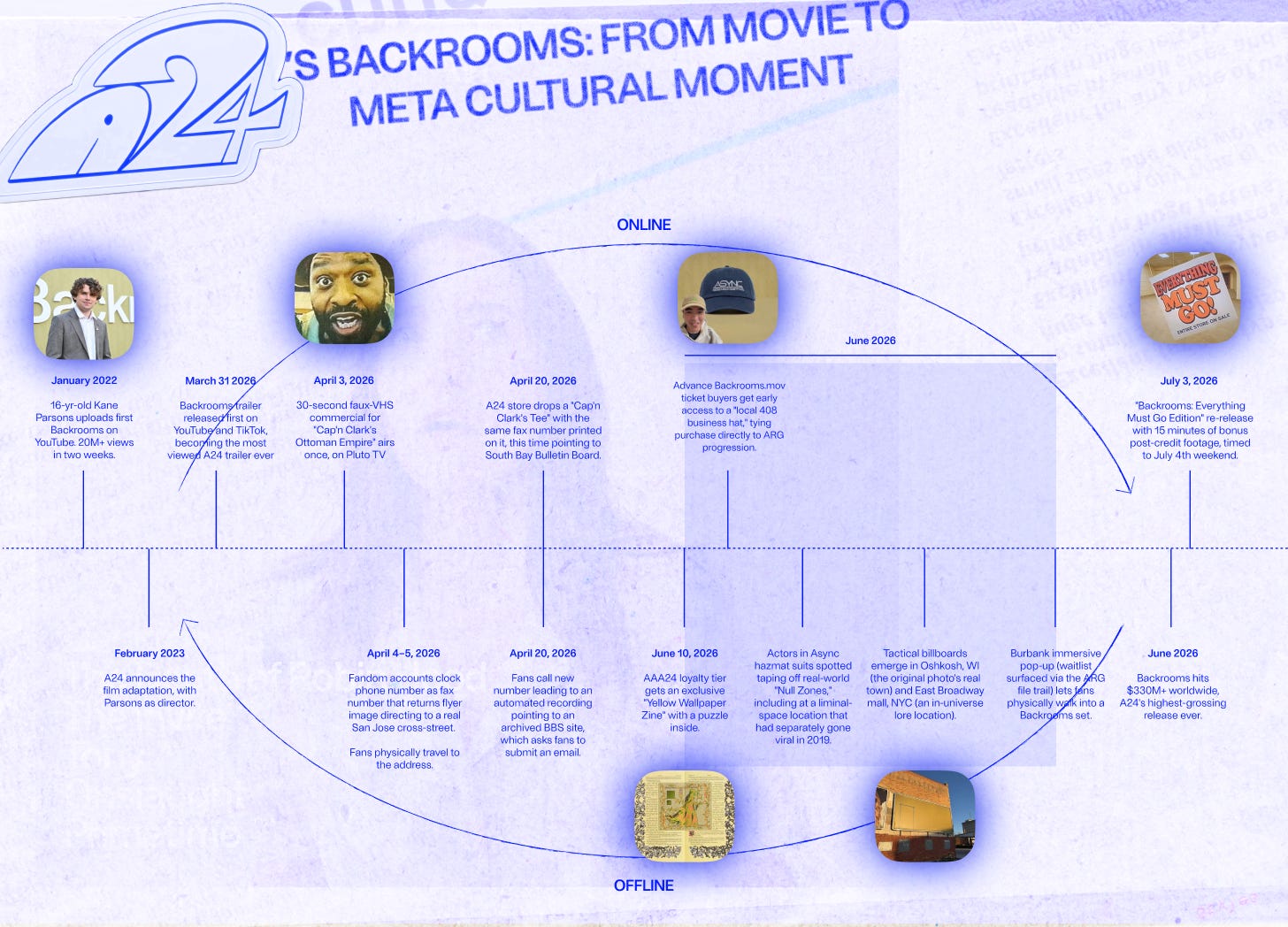
A24’s film Backrooms became yet another best-in-class example of cinemarketing through a layered rollout that turned marketing assets into artefacts, leveraged retail as a plot device, used loyalty to gate lore, and turned digital mystery into physical attendance, blurring the line between reality and fiction.
Crypto company Coinbase harnessed the viral brainrot trend of split-screen endless runner clips from Subway Surfers by superimposing it onto their Q4 and full-year 2025 earnings recap video to retain viewer attention.
The common thread here is a deliberate lack of distinction between the spaces the brand shows up in. Physical experiences become media. Online moments manifest in real-life behavior.
Visually, the system looks something like this.
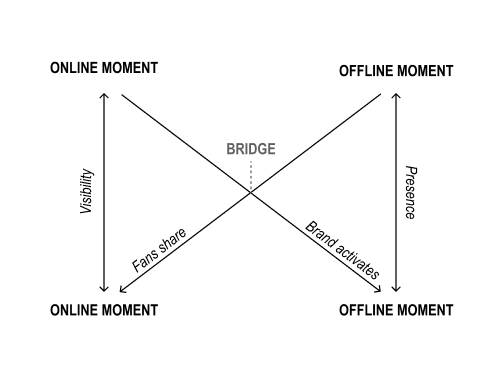
Put simply, the bridge turns one-off marketing activity into the start of a feedback loop that scales with audience participation and crosses over between real and digital spaces.
In this regard, remix and reinterpretation aren’t just welcomed, they’re vital mechanisms that keep the moment travelling through culture.
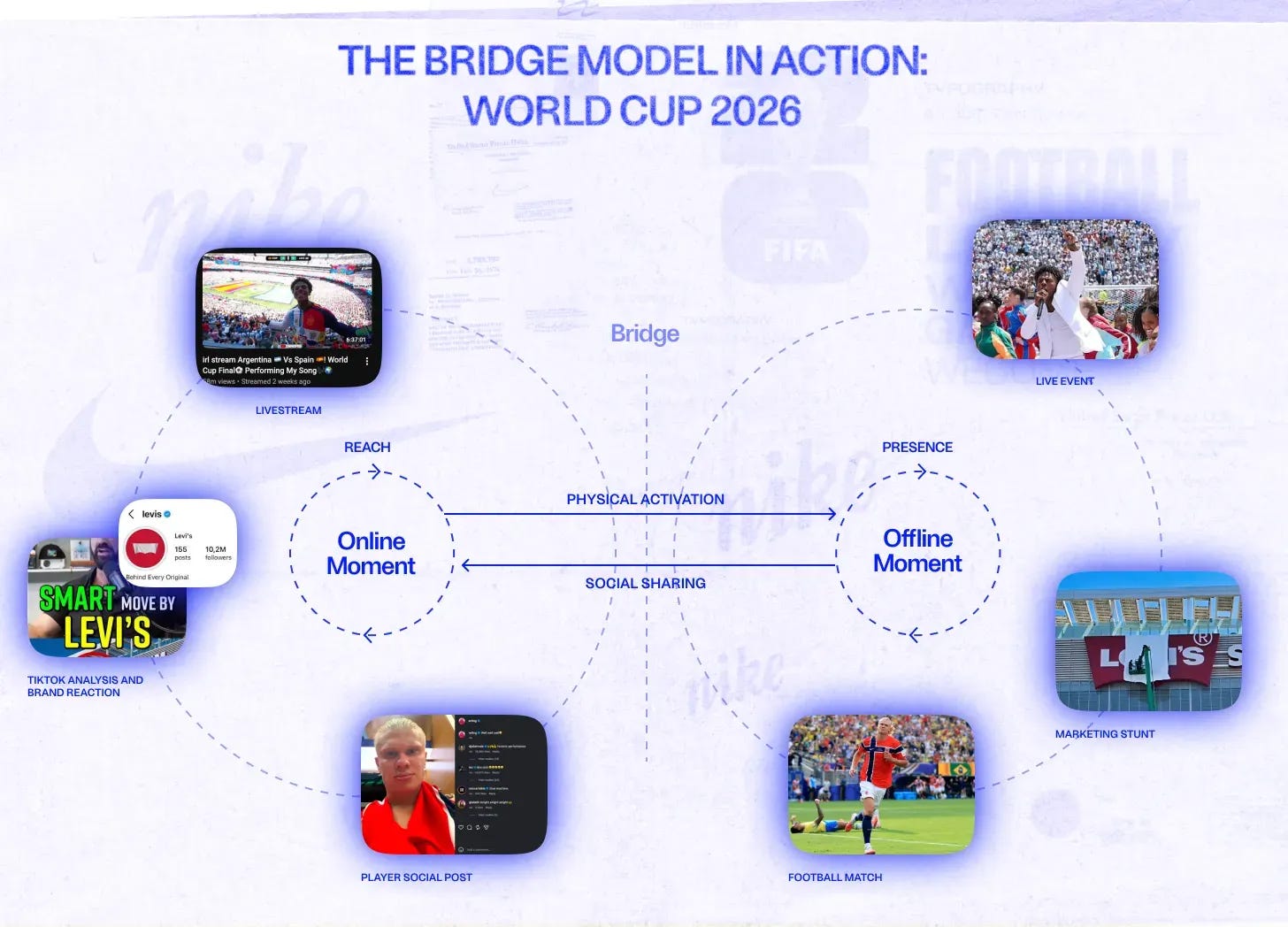
So how do you build a bridge? For brands, it comes down to four key principles:
Build anticipation.
“Anticipation IS culture,” wrote General Catalyst’s Reggie James in 2023. For the release of Harry Styles’ latest album, cryptic billboards, voice notes, countdowns and clues turned the rollout into a months-long fan investigation before a single song dropped. Speculation, prediction, theories and rumours aren’t separate from the moment, they create it. Brands should explore ways to extend the build-up, not just the launch.
Invite participation.
Culturally agile brands turn audiences from passive observers to active contributors. Events turn to schedules. Announcements turn into invitations. Closed doors become open ones. Last month, Asics Sportstyle and Little Tokyo Table Tennis Club hosted a table tennis clubhouse during PFW, with a packed programme of play sessions, live podcasts and jazz evenings, all open to the public. This week, it’s one of the most talked-about moments.
Reward amplification.
When fans participate, they expect to be rewarded. Freebies, proximity, and access can all be used to incentivise sharing that keeps the conversation going. Friction isn’t bad here, it adds to the experience and makes the customer journey more fulfilling. To secure a pair of the latest Nike x Tom Sachs Mars Yard 3.0 shoes, fans had to gain points from challenges over consecutive days.
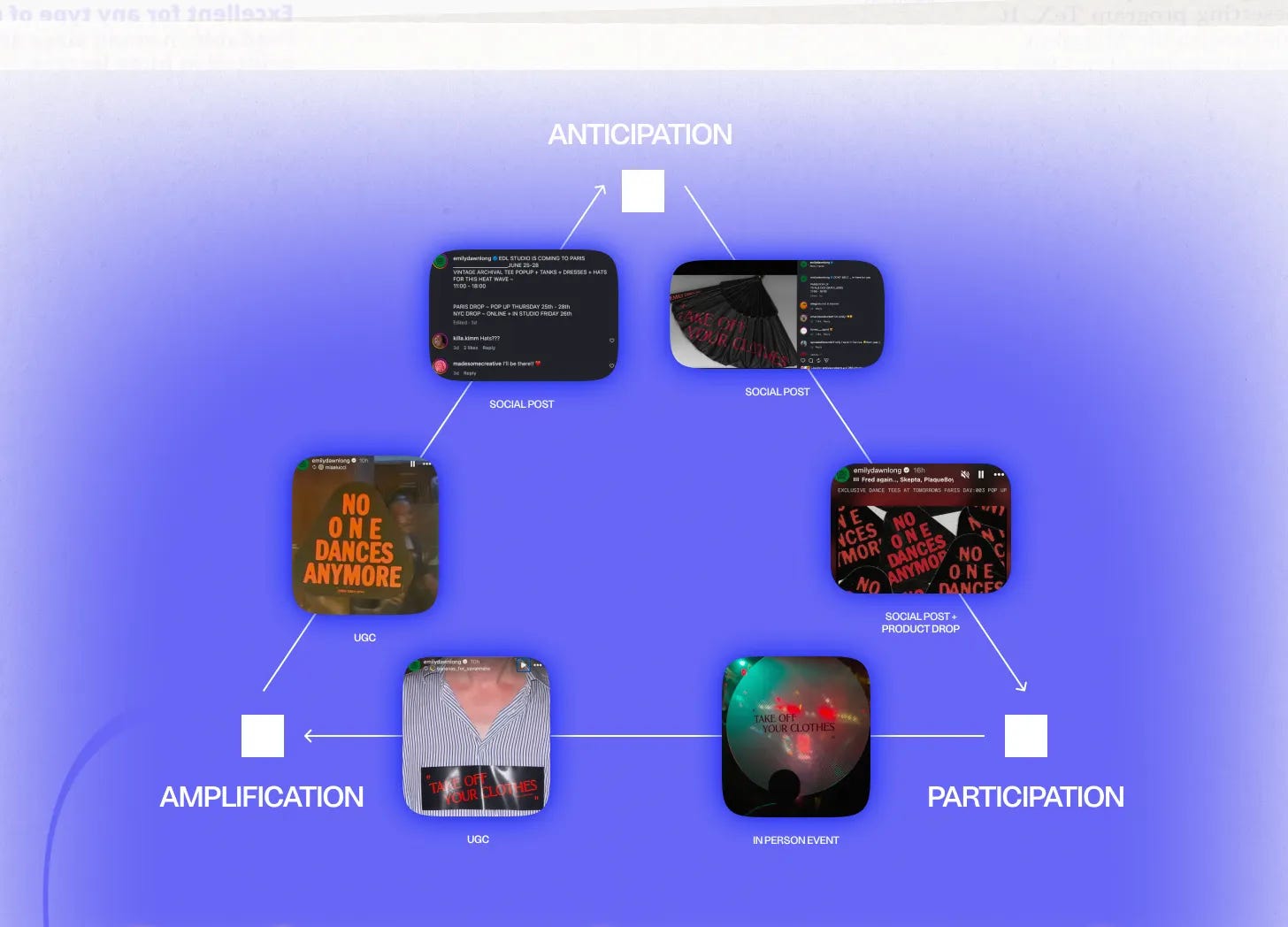
Never close the loop.
The smartest brands create platforms and episodic structures that make every moment acts as the start of the next one. Art project MSCHF calls their model a “cycle of dopamine and waiting.” Korean eyewear brand GENTLEMONSTER positions each collection as part of a cinematic universe, turning product drops into chapters. The result is fans follow and participate in a constant journey.
Brands that treat offline and online spaces as two separate realms won’t just struggle to drive and sustain attention, they’ll sacrifice revenue.
Consumers today don’t just expect to be involved in an online viral moment, they want to participate IRL and to act as arbiters of narrative and brand momentum.
By subscribing to the rules outlined above, brands can beat the pack, appearing three dimensional when others are still subscribing to the old rulebook.
The only thing left is for you to build the bridge.
No posts
Comments
Nothing yet. Say the first thing.
Sign in to join the conversation.