

By: Hanna Mandelbaum
Alison’s dog Connor, a boisterous 75-pound shepherd-lab mix and the original Evermore spokespup, lived to be 17 and a half years old. As my own pup Sharkita grew older, I always had Connor in the back of my mind as a longevity benchmark. They ate the same food and I was dedicated to giving her as much exercise as possible, even taking up running to honor her husky nature.
At six, she had a myxosarcoma, but it was successfully removed, and I was religious about vet visits. We biopsied every little lump, though there weren’t many. In January 2022, when she was ten, we took our last run, hitting our best time ever for four miles. Two days later, I took her on our usual walk around the path in our backyard. Then, as I was changing into my running shoes, she collapsed. We rushed to the hospital, but I couldn’t go inside due to COVID restrictions. Her nervous glance back as she was led into the ER was the last time I saw her alive. She was ten and, by all outward appearances, behavior, and recent senior bloodwork, in perfect health.
When I got the call that she had flatlined, I was given the option to have her resuscitated. I blurted out “yes” before I processed the first part of the sentence: her chest cavity, heart, and spleen were covered in tumors. Once my brain caught up to that information, I knew I had to let her go.
Hemangiosarcoma (HSA) is a particularly aggressive cancer, accounting for roughly 5% of all canine cancer cases. It’s more common in certain breeds, suggesting a genetic component. The disease is often indolent, progressing quietly and painlessly with no visible symptoms until it reaches an advanced stage—sometimes not revealing itself until a dog collapses from a ruptured tumor. Only about 10% of dogs diagnosed survive beyond a year, and in some cases, it can take them within weeks. Even with surgery and chemo, survival times past 8 months are rare.
Occasionally, there are early warning signs: lethargy, weakness, pale gums, weight loss, changes in appetite, or shifts in bathroom habits. Shark showed none of them. I will never know how long she lived with HSA. I was completely blindsided, as was my vet.
Apart from the devastation of losing my pet far younger than expected and in such a sudden and dramatic way, I experienced a profound level of guilt. What could I have done differently throughout her life? Should I have moved out of New York City sooner? Been more aggressive with medicinal mushrooms after her first bout with cancer? I’ve talked to so many pet guardians over the years, and these emotions are common after losing a pet to disease. But beyond the personal guilt, I felt something deeper and harder to admit. I started to question our entire mission. How could I keep standing behind a brand built on healing when my own dog had died from one of the very diseases we aim to help prevent?
Evermore was initially created to support a dog with cancer. In the holistic veterinary community and the broader pet wellness world, diet is the foundational component of good health. It’s the principle we’ve built Evermore around.
Yet here was my dog—dead from cancer.
I couldn’t escape the contradiction. At every event I attended in the years that followed, I found myself having quiet conversations with other vendors—acupuncturists, supplement company owners, veterinarians. Many of them shared similar stories and have and felt the same kind of dissonance. We operate in this wellness space, yet our personal experiences with beloved pets often underscore a difficult truth: even when we do “everything right,” things can still go very wrong.
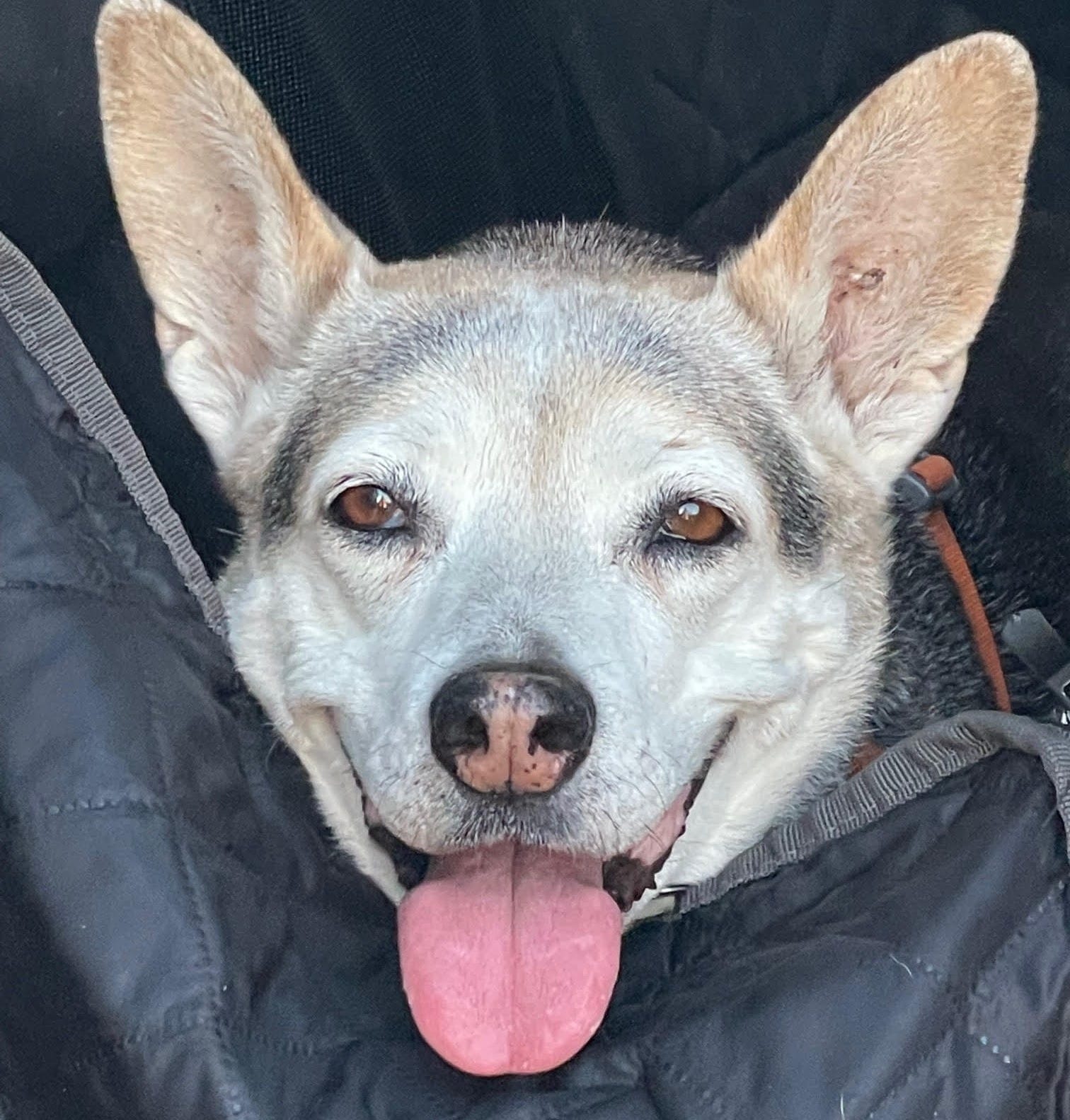
We’re constantly receiving emails about pets outliving their prognoses, and for months afterward, every one of them stung a little.
But then there was Kimi. She began eating Evermore in September 2021, shortly after being diagnosed with hemangiosarcoma and undergoing a splenectomy. Her prognosis was grim. Most dogs with HSA don’t make it past a few months, even with aggressive treatment. Yet Kimi’s story unfolded differently. She began Evermore during a short round of chemotherapy, and her guardian sent us regular updates after each oncology visit. Each time, the message was the same: the cancer hadn’t spread, and the veterinary team was once again stunned by her progress.
This continued visit after visit, until 22 months had passed. Kimi remained vibrant, joyful, and full of life until her final days. While Evermore was only one part of her comprehensive care plan, her mom never failed to emphasize how vital she believed it was to Kimi’s extraordinary journey. In every email, you could feel her gratitude and her belief that food had played a powerful role in buying precious time.
For me, those emails did more than validate our mission, they helped stitch something back together. Each update was a small point of light piercing the wall of grief. One email still stands out in my mind:
“Her oncologist called me with amazing news—no cancer spread detected. He called her a ‘miracle dog’ and said she now belongs to an exclusive club: less than 10% of dogs with Hemangiosarcoma survive a year. We know without a doubt that Evermore Pet Food has been a big contributor to her good health today, so THANK YOU!!!”
Kimi’s story didn’t blunt the pain of losing Shark, but that message reminded me that what we create can make a difference. It didn’t erase the grief, but it eased the doubt. It gave me space to hold both truths at once: the heartbreak of losing my own dog, and the hope that what we do might help someone else keep theirs a little longer.
Thanks for stopping by. We’ll be regularly sharing our adventures, insights, strong opinions, and a behind-the-scenes look at what it takes to be the gold standard in gently cooked food for pets!
Comments
Nothing yet. Say the first thing.
Sign in to join the conversation.