
‘The Middle’ is a deal. Join us in the ‘sensible centre’ and be protected by a system that will keep you upright. For most of the last century, that deal was honoured, making the middle simultaneously the safest place for a person to live and the safest place for a brand to sell.
Come 2026, the deal is finally off for just about everyone. The most milquetoast positions have become the most exposed. It’s time to pick a side.
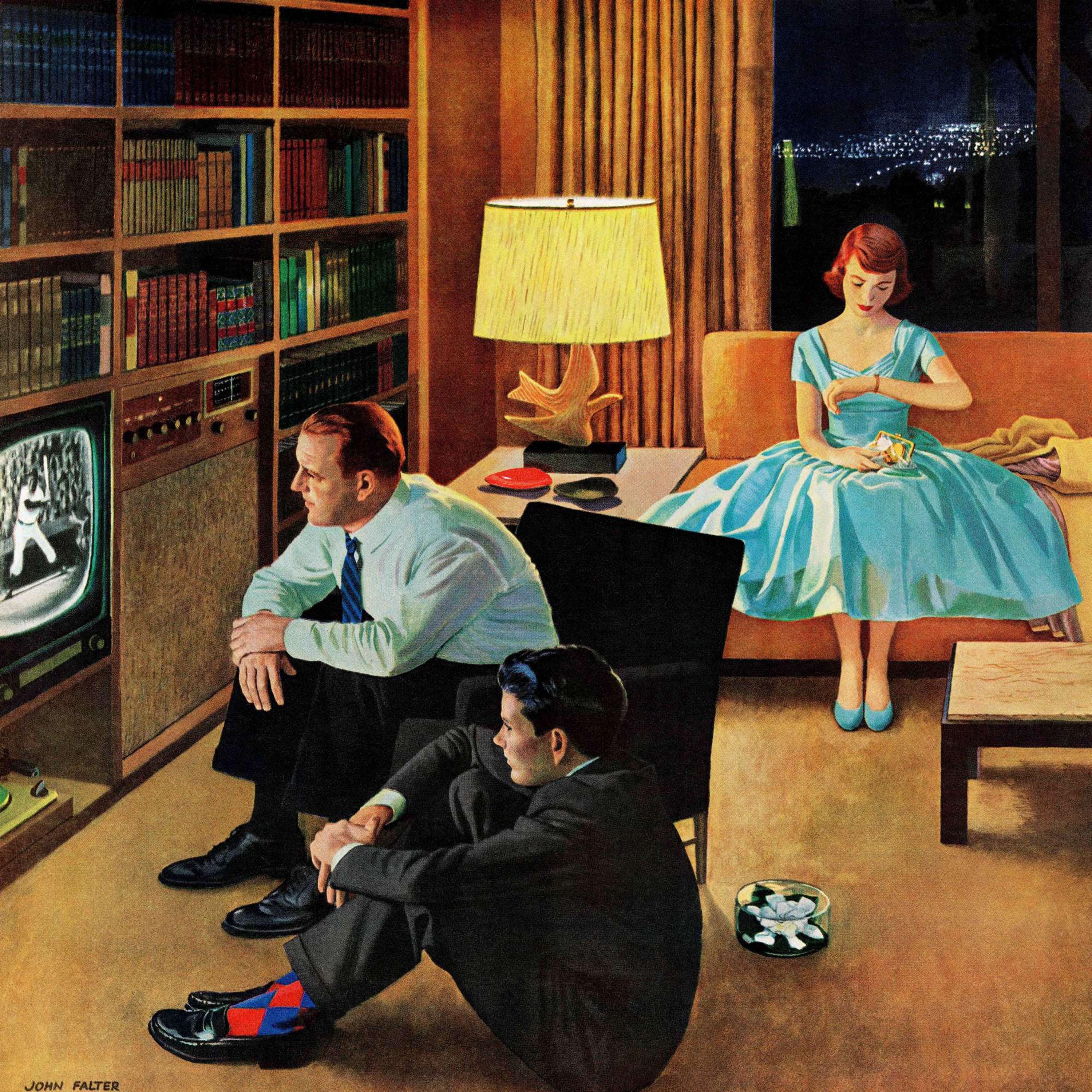
For the better part of the last century, Western countries have lived in a consumer society that, despite its veneration of excess, was largely driven by the middle class and middle-income spending.
Under the postwar settlement of ‘tamed capitalism’ (thank you Mark Rukman), a détente between labour and capital that produced rising wages, mass employment and the expectation that your kids would do better than you, the middle was the only customer segment that mattered at scale.
This was aided enormously by the era of monolithic mass media. It gifted brands a shared set of icons, symbols, signs and language that could be universally understood and diffused to everyone more or less simultaneously.
This was the era of the BIG ad: carpet-bombing a mass message from a central command post, and doing it with such force and repetition that it became a fact of the culture. You built for the composite consumer, the aggregate of everyone’s mildly-held preferences.
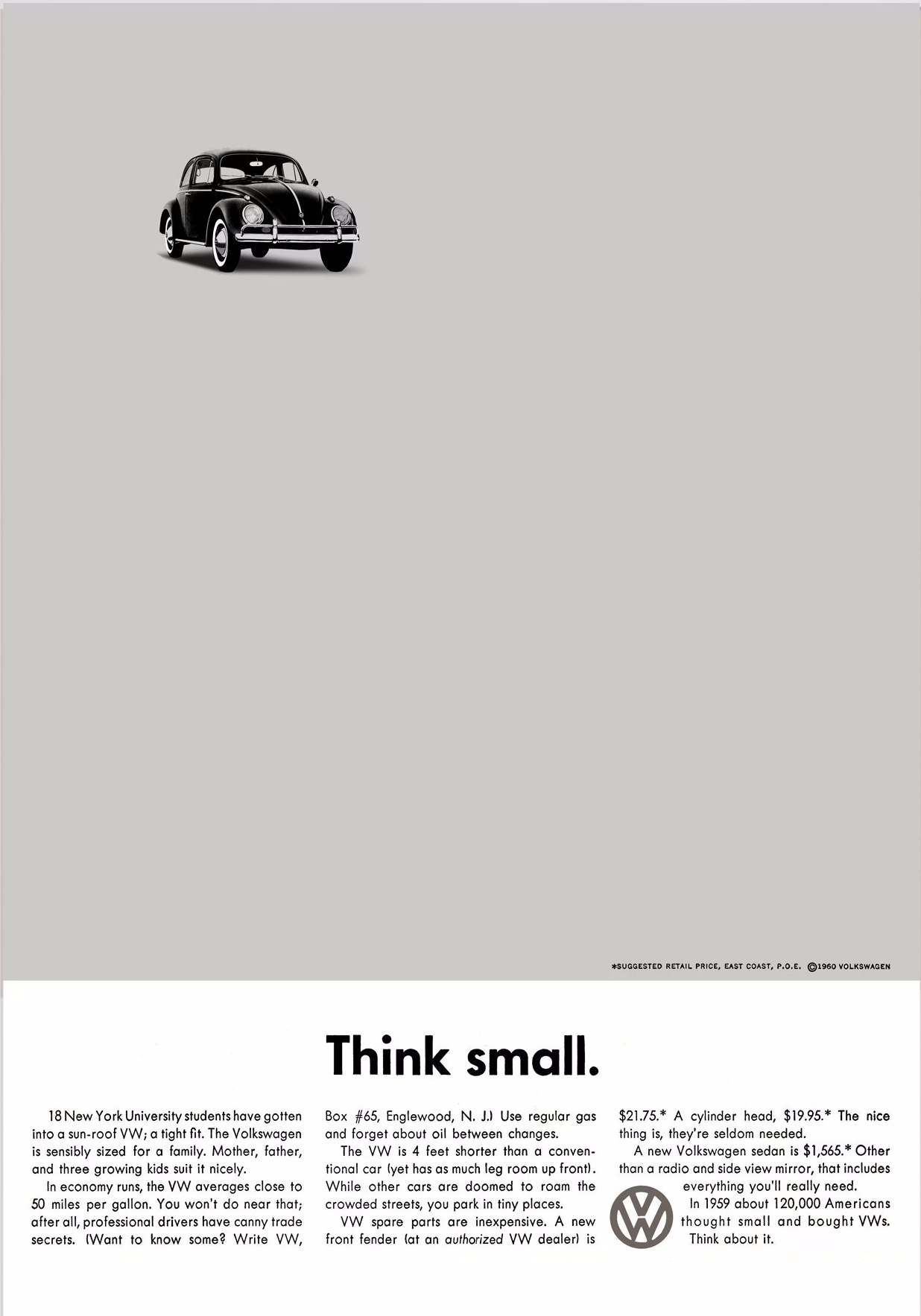
This worked because the middle was real, a lived material condition experienced broadly enough that appealing to it meant appealing to almost everybody.
But ‘the middle’ functions as more than just an economic position; it is a way of being and understanding the self within the world. It is characterised by the belief institutions were broadly benign, that experts knew things, that the system was imperfect but self-correcting (the arc of history is long, but it bends towards justice).
As a consumer desire, this ‘consensus politics’ played out through the tension between the desire to fit in vs. stand out. In the words of trend forecaster Sean Monahan,
“The middle class alone is gifted with the double-edged sword of self-actualization and status anxiety.”
Much like for brands, the middle is seen as the safest place for a person to occupy. It is this safety precisely that is being undermined by the K-shaped economy and worsening economic inequality.
Conformity was the price paid in exchange for stability. That deal is now off.
The poor were always exposed and know it. The rich own the assets and the models and the platforms doing the exposing. Only the middle, that made a lifetime bet on sensible choices and institutional trust, are the ones facing the rug pull.
The thing that was supposed to be the middle’s protection: its skills, credentials, and institutional allegiances is precisely the thing being disrupted. White collar workers are facing down the same threats the luddites once did - basket weavers and textile artisans who had their livelihoods destroyed during the industrial revolution.
When consensus institutions betray themselves as impotent and exhausted, it is inevitable there will be a glide toward the fringes.
This is one of the core theses explored in Office of Applied Strategy’s Dossier 2, The New Pantheon.
In a conversation with OAS’ founder Tony Wang last year, we explored how many of the loudest trends right now are gathering people from the far ends of the political spectrum into the same aisle. Longevity and wellness. New age spirituality. Prediction markets and alternative financial assets. Categories for people who have concluded, from opposite directions, that the official story is a lie.
Nothing is more amusing in this context than listening to self-professed raging moderates declare their political party “needs a disruptor” when all they are willing to fight for is the precise policy positions that put us into this situation in the first place.
The centre has lost its right to being the place where things get decided. To be stuck in the middle in 2026 - as person or brand - is to find oneself utterly exposed.
Challenges abound here.
For starters, we can place the final nail in the coffin of the elevated Millennial lifestyle brand. The blueprint outlaid by the Caspers and the Warby Parkers and the Outdoor Voices of the world, and the successive generations of copycats, many which are still being created today, are built off a premise of ‘look nice, say nothing’.
In 2026 we see revealed the brand pillars of ‘self care’, ‘community’, ‘sustainability’ were never genuine commitments - they were merely aesthetic ideas that confirmed the ‘elevated’ position of the intended buyer. Everlane sells to Shein in this year’s most ironic acquisition.
Further, the entire premise collapses in on itself when you recognise you can only sell aspirational brands to a society that believes in the idea of aspiration itself.
In a K-shaped economy, either you’re one of the lucky few reaching past elevated basics for actual luxury, or you’re busy servicing ever-increasing rent on a shitbox studio apartment in the only city, in which case, Costco is the brand you are closest aligned with.
This is a future in which brands will inevitably have to take more radical positions. It is no longer enough for a brand to ‘see’ or ‘understand’ your position - what is scarce is progress. Aspiration gives way to escape - just observe the narrative of the latest Coinbase campaign.
And as the middle must increasingly make a decision whether to push up into more exclusive luxury-oriented messaging, or down to incorporate an explicit price or value narrative, the competition inevitably gets more crowded.
Luxury brands have their own suite of problems they’re dealing with right now in trying to create desire.
It is an even greater shitfight when you have to incorporate value-led messaging, which, paradoxically, once again brings creativity to centre stage.
Here I would look to the brilliant work of The Ordinary’s latest pop-up the Markup Marche, where the label sold groceries like bananas as ‘all natural magical energy boosting bars’ or avocados as ‘glow-enhancing vitality orbs’ at obscene prices to highlight how marketing language sustains ridiculous margins in skincare.
It’s a simple, fun, effective metaphor to reinforce a price positioning based around integrity and transparency in product formulation.
In a consumer society, people reflect their desires, fears and anxieties through what they consume. In a stable era, that means brands helped you signal who you were becoming. Going forward, in a volatile era, more than ever, brand is politics. The centre cannot hold.
Either learn to swim, or get sucked under the waves.
No posts
Comments
Nothing yet. Say the first thing.
Sign in to join the conversation.