
As we reach the end of this five-part journey exploring imposter syndrome, I want to pause and reflect on what we’ve uncovered together.
Imposter syndrome is a quiet, persistent force that whispers lies about our worth, capabilities, and belonging. It tells us we’re not enough, even as we accomplish, create, and grow.
Throughout this series, we’ve looked at the lies it tells, the role failure plays in growth, and the tools we can use to reclaim our confidence. But perhaps the most important lesson is this: you are not alone in this struggle.
Imposter syndrome doesn’t discriminate. It affects people at every stage of life and career, no matter how “successful” they appear. But the more we talk about it, the more we strip away its power. Sharing our stories, supporting one another, and showing self-compassion are how we quiet the critic and amplify the truth.
This series has been a reminder to me that the journey to self-trust isn’t about perfection—it’s about progress. If imposter syndrome still feels loud some days, that’s okay. What matters is recognising its presence, reframing its narrative, and choosing to act anyway.
What makes imposter syndrome so difficult is its pervasiveness. It doesn’t matter how accomplished you are or how far you’ve come. From students and young professionals to CEOs and award-winning artists, self-doubt doesn’t discriminate.
The American Psychological Association highlights how imposter syndrome often thrives in high-achievers. People who are used to pushing boundaries and taking on challenges are particularly vulnerable to feeling like they don’t measure up. Ironically, it’s often these very traits—courage, ambition, and a drive for excellence—that create the perception of being an “imposter.”
The human brain is wired to focus on potential threats—an evolutionary trait designed to keep us safe. But this same wiring often amplifies our negative thoughts, making self-doubt feel like reality.
Imposter syndrome thrives when we mistake our self-criticism for objectivity. It becomes a filter through which we view our actions, achievements, and relationships.
Imposter syndrome can feel paralysing, but it doesn’t have to dictate your choices. Small, intentional steps can help shift your mindset:
Reflect on your achievements. Write down moments where you’ve succeeded, even when it felt uncomfortable.
Share your feelings with someone you trust. Often, verbalising self-doubt diminishes its power.
Practice self-compassion. As Dr Kristin Neff emphasises, treat yourself with the same kindness you would a close friend.
These actions might not banish self-doubt overnight, but they can help you build a foundation of self-trust and resilience.
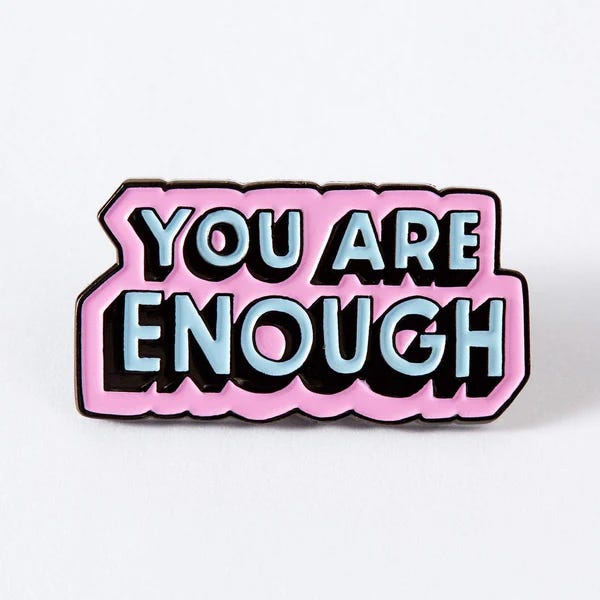
One of the most effective ways to counter imposter syndrome is by fostering community. Talking openly about these struggles can create a ripple effect of support and solidarity. When we see others owning their stories, it inspires us to do the same.
This is why I continue sharing my journey—not because I’ve overcome imposter syndrome completely, but because I’ve learned that we don’t have to face it alone.
🎀 What’s been your experience with imposter syndrome?
🎀 Have you found ways to quiet the inner critic or reclaim your confidence?
🎀 How’s your imposter voice doing today?
🎀 … and most importantly: how are you?
PS. I’m so grateful for everyone who has joined me in these conversations. This isn’t the end of the dialogue—it’s just the beginning of a community where we support one another in embracing our bold, authentic selves.
No posts
Comments
Nothing yet. Say the first thing.
Sign in to join the conversation.