
Paralysis by pondering
We often think of indecision as a neutral state – a harmless pause while we weigh up our options. But the truth is, it comes at a cost. When we hesitate for too long, energy drains, opportunities pass, and uncertainty only grows. In work and in life, it’s not uncommon to mistake thought for progress.
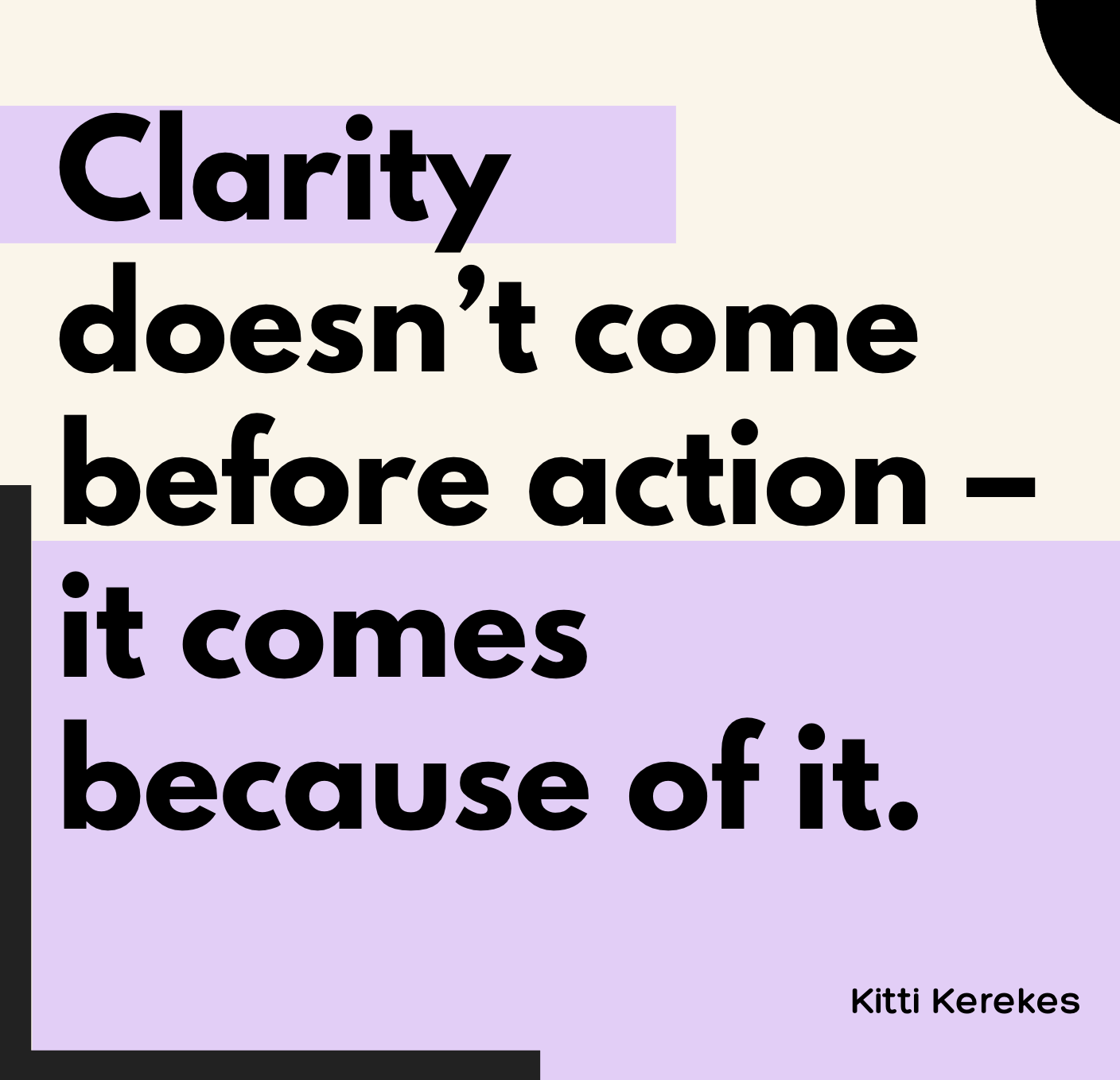
It’s easy to believe that once we’ve arrived at clarity, then we’ll begin. But more often, the opposite is true: clarity is what we earn by starting.
This idea echoes what psychologist William James once observed: action seems to follow feeling, but actually, action and feeling go hand in hand—and by regulating the action, we can indirectly regulate the feeling.
Thanks for reading Essentially Leading! This post is public so feel free to share it.
Thinking less, doing more (on purpose)
A big part of this dynamic plays out at work. People often delay writing the proposal, launching the initiative, or even replying to a difficult email because they don’t yet “know” the right move. But real work … the kind that matters … tends to be murky at first. If you wait until the path is fully visible, you’ll likely wait forever.
This is where structured action comes in. It's not about rushing or being impulsive; it’s about putting something into motion and using that motion to refine your direction. David Allen, in his book Getting Things Done, talks about the cognitive relief that comes when tasks are externalised and turned into actionable next steps. The fog lifts not before you act, but as you act.
The creative world has known this for ages. Writers like Anne Lamott (in her much-loved book Bird by Bird) encourage "shitty first drafts" not because they’re fun, but because they’re necessary. The first version isn’t supposed to be good. It’s supposed to exist.
Why perfectionism keeps you stuck
Indecision is often a disguise for perfectionism. And perfectionism, contrary to popular belief, isn’t a sign of high standards—it’s a fear of being seen starting small, or not getting it “right” the first time.
This mindset isn’t just personally draining; it’s organisationally expensive. In teams and companies, perfectionism delays feedback loops, prevents experimentation, and bottlenecks growth. In her book The Gifts of Imperfection, Brené Brown writes about how perfectionism is more about earning approval than pursuing excellence. It's a defence mechanism, not a value.
How to move even when you're not sure
So how do you begin when you’re not ready? You lower the bar for what counts as a beginning. You write the outline instead of the whole report. You schedule the meeting before knowing every talking point. You draft the idea and let it breathe instead of obsessing over every detail.
Momentum doesn’t come from overthinking. It comes from movement. And movement doesn’t have to be massive. It just needs to start.
James Clear, author of Atomic Habits, writes about the power of identity-based habits—tiny decisions that reinforce the kind of person you’re becoming. Want to be decisive? Start making decisions, even small ones. Want to be the kind of person who gets things done? Do something today, even if it’s scrappy.
Resources if this hits home
If this resonates, there’s plenty to dig into. The Tim Ferriss Show has an excellent episode with Seth Godin on “shipping creative work” that explores this idea from a maker’s perspective. Oliver Burkeman’s book Four Thousand Weeks is also a brilliant read on accepting limitations and choosing what to act on, rather than obsessing over maximising every decision.
For a lighter but practical take, check out The Lazy Genius Podcast by Kendra Adachi, which often focuses on how to “be a genius about the things that matter, and lazy about the things that don’t.”
You don’t need the whole map to take the first step
In the end, indecision will always feel safer than making the wrong move; until you realise that not choosing is also a choice, and often not the one that gets you anywhere.
Doing the work, imperfectly and incrementally, is the only thing that eventually sharpens your sense of direction. When in doubt, begin.
What do you think?
I’d love to hear your thoughts on this topic. How do you personally handle indecision or the fear of starting? Are there practices, tools, or mindsets that have helped you move forward? Leave a comment; I always appreciate hearing your perspective.
No posts
Comments
Nothing yet. Say the first thing.
Sign in to join the conversation.