Mr. Rosenthal, to the Pub!
Amnesia runs deep in the Village at the End of the World. Scratch the surface, though, and sometimes you find a crack.

A meditation on Holocaust memory, forgetfulness and what it means to be responsible for other people's stories. Also, books and writing.
Live Last read · last published · next check
Amnesia runs deep in the Village at the End of the World. Scratch the surface, though, and sometimes you find a crack.
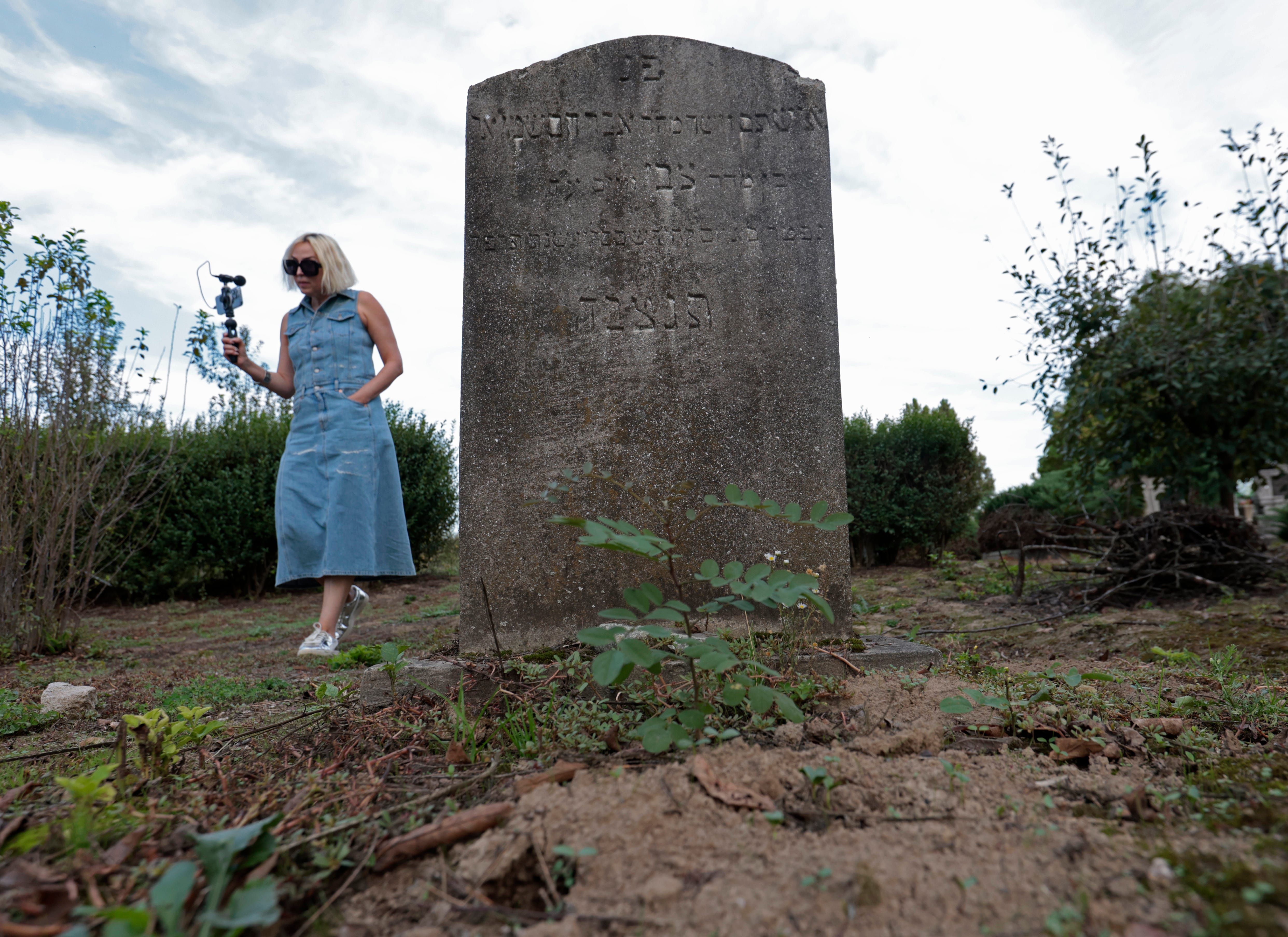
The first time I visited the Jewish cemetery in Napkor it felt like a scene in a horror film. Now, it feels like it belongs to us.
I want to listen to my grandmother's voice, I really do, but I just can't.
The situation for girls and women and journalists (and values) are even worse than we thought. Maybe we are focusing on the wrong Piggy.
If the New York Times was trying to be provocative, they more than succeeded. Too bad their thirst for clicks pushed women's rights back a century.
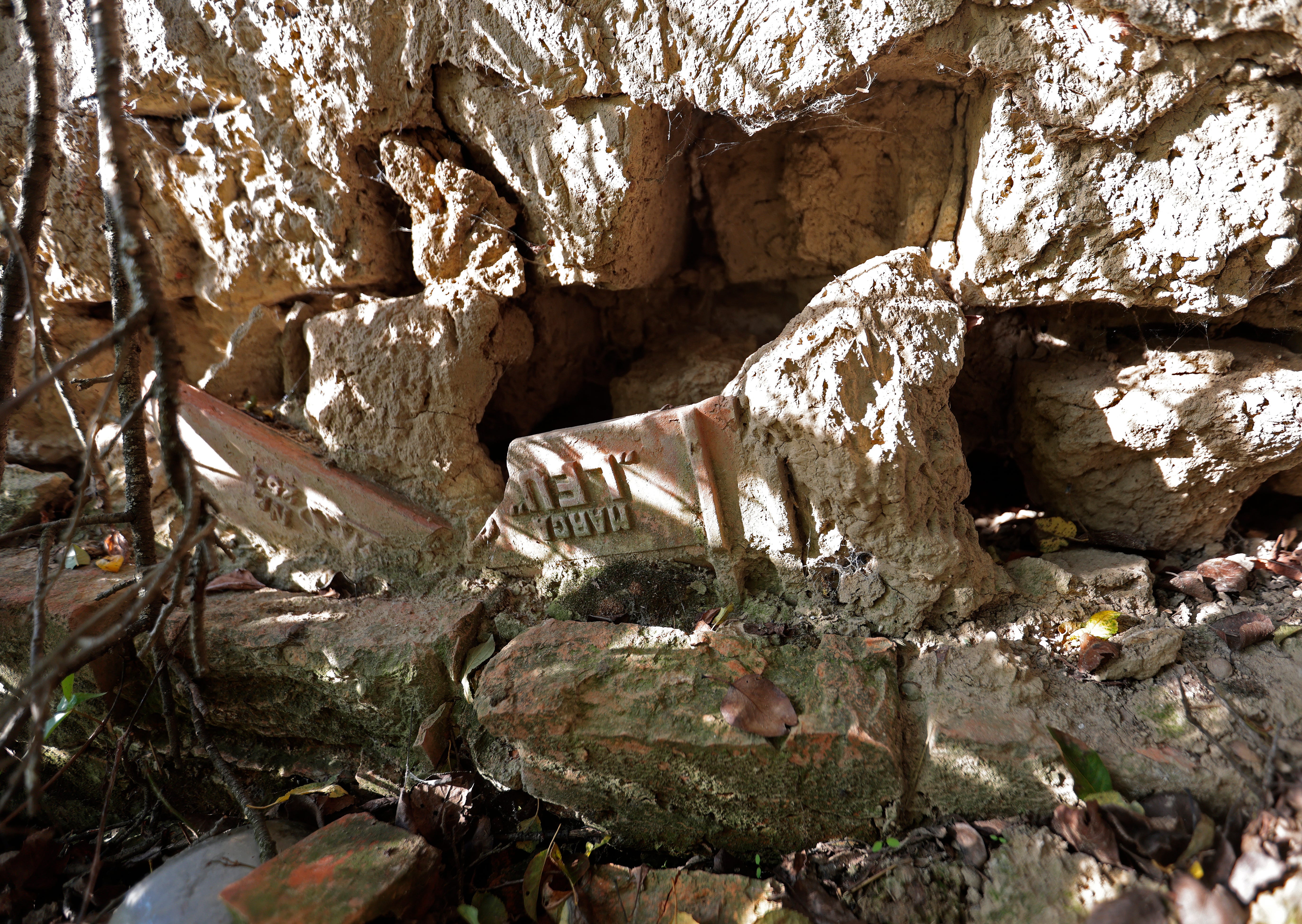
Archeological excavations, like literary ones, take time. Don't rush the process.
On the anniversary of my grandmother's deportation, I can't stop but think about this synagogue at the end of the world has penetrated deep into my psyche.
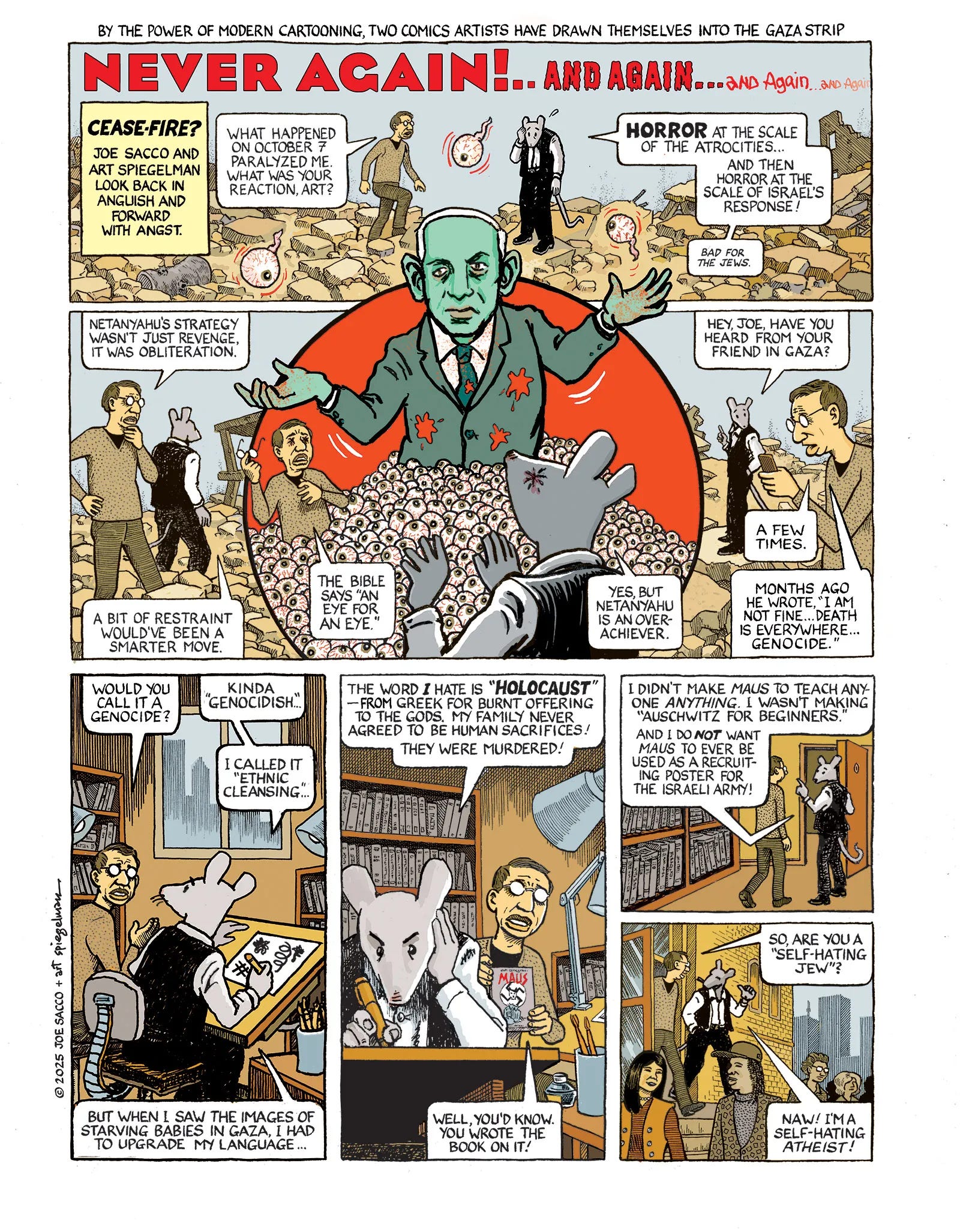
For many in the Jewish community, the word provided definition to our intergenerational trauma. We needed to keep it fixed. But language often defies rigid definitions.
I naively believed a DNA test would fill out my family tree and allow me to find family members who vanished in the Holocaust. It turns out, I found family I wasn’t exactly looking for.
Ten years ago, Andrew Loku was shot in a Toronto apartment building--our apartment building. The experience made me question my singular devotion to my family's own tragedy.