
I could wax poetic for days about the June garden. Everything is still so fresh and so new. I have that spring energy, so much hope and optimism, fueled by sunshine and sheer determination.
But there comes a time every summer when things start to get overgrown, start to die back, and I’ve pretty much tapped out with the weeds. That time usually comes around the end of July/beginning of August. It’s where I start to notice what was worth my time- and what wasn’t.
It’s time to make note now of what those things are- before a new season shaded in rose colored glasses is upon us.
It’s time to get honest in August.
By now, it’s already obvious what I’m actually eating- and what I’m allowing to go to waste.
Let’s start with broccoli. I looooove broccoli. But you know what I don’t love? Frozen broccoli. Fresh broccoli I could eat all day; frozen broccoli is for the birds. Yet in the spring, I’m blinded by my love of broccoli, and as a result I plant 36 broccoli plants. The problem is, they all produce heads at the same time. And what I can’t eat fresh ultimately gets thrown to the chickens.
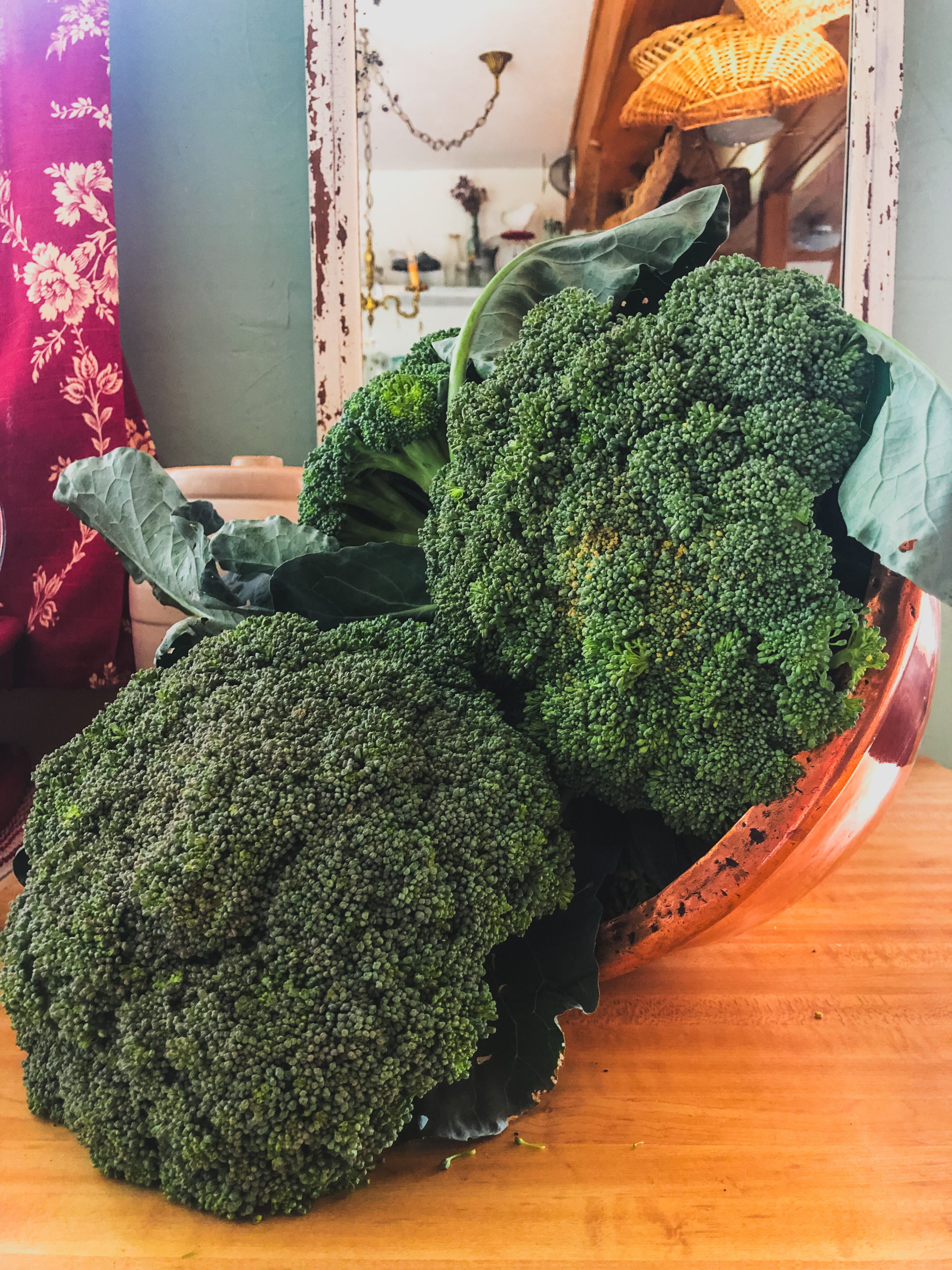
This is not a good use of my time or my space. I don’t want to be wasteful. This is where I need to recognize the distinction between “I like broccoli” versus “I need to grow all of the broccoli”.
The solution is twofold: plant a smaller number of plants in the spring, and at that time start plants from seed that can be sown in the fall.
Perhaps you’ve found yourself in the same boat- with broccoli, or with something else.
Why not take a walk through your garden and take note:
What am I excited to pick the moment it’s ready?
What do I pick, but then sits in the fridge untouched?
What am I giving away because I have too much?
What make me feel guilty watching it go to seed?
What am I buying at the store that I could actually be growing myself?
As much as I love broccoli, at least half of that space could have gone to a storage crop that would not have gone to waste. And watching those beautiful heads bolt makes me feel awful.
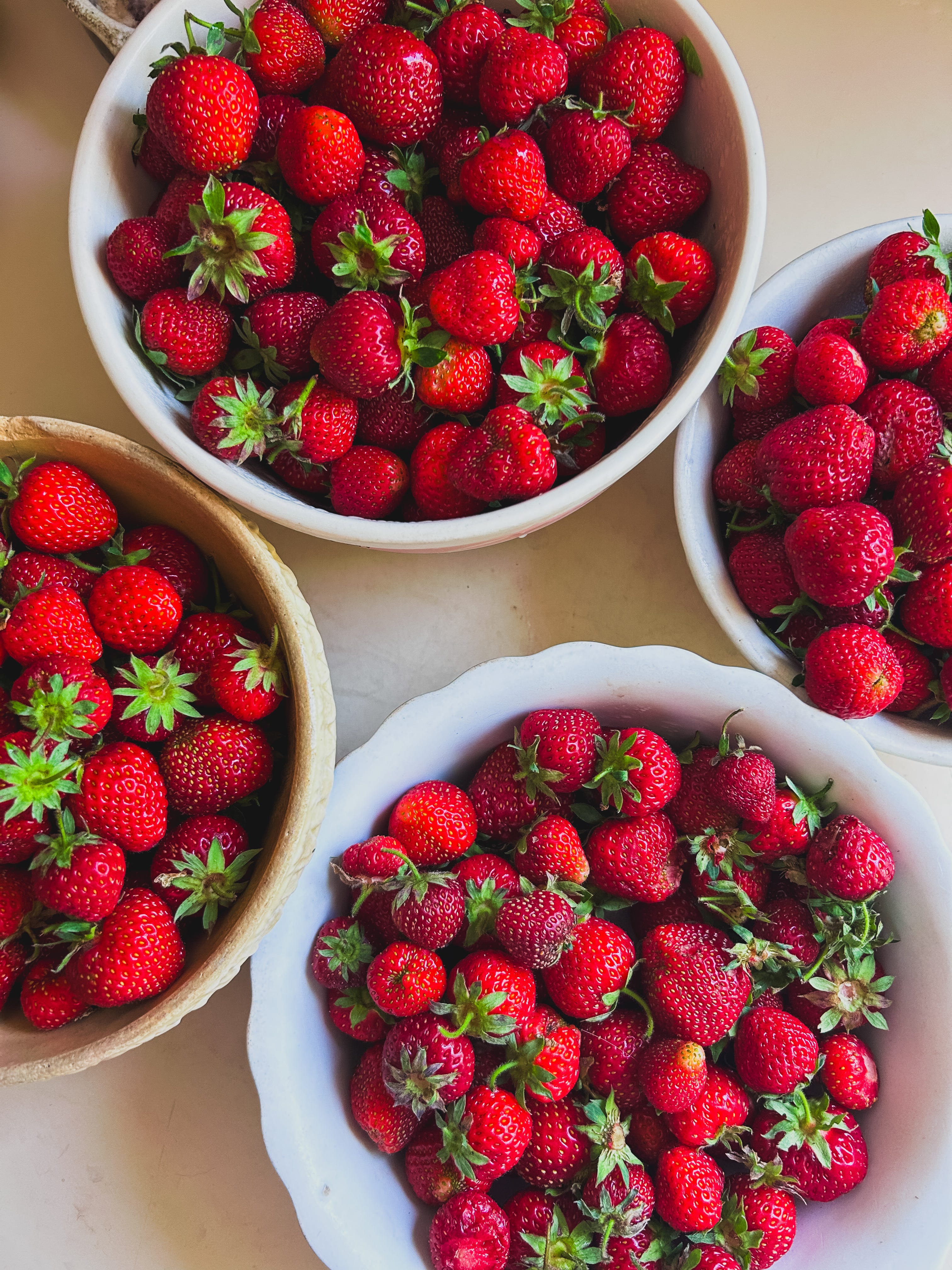
On the other hand, I never tire of harvesting strawberries. They happen to come on when my garden energy is high and before the heavy harvest time has hit. It’s easy for me to head out to the garden two or three times per day and fill my basket. They are easy to pick, clean, and can be thrown in the freezer with very little work. I never let strawberries go to waste. That is a crop worth my time and growing space.
We need to be growing according to how we use food, not according to how much food we are capable of growing.
We can only eat so much fresh because the produce only lasts so long. Therefore, we should be giving less space to those things if we’re ultimately gardening for long-term use.
For me, those fresh-eating foods are lettuce, broccoli, snap peas, radishes, and slicing cucumbers.
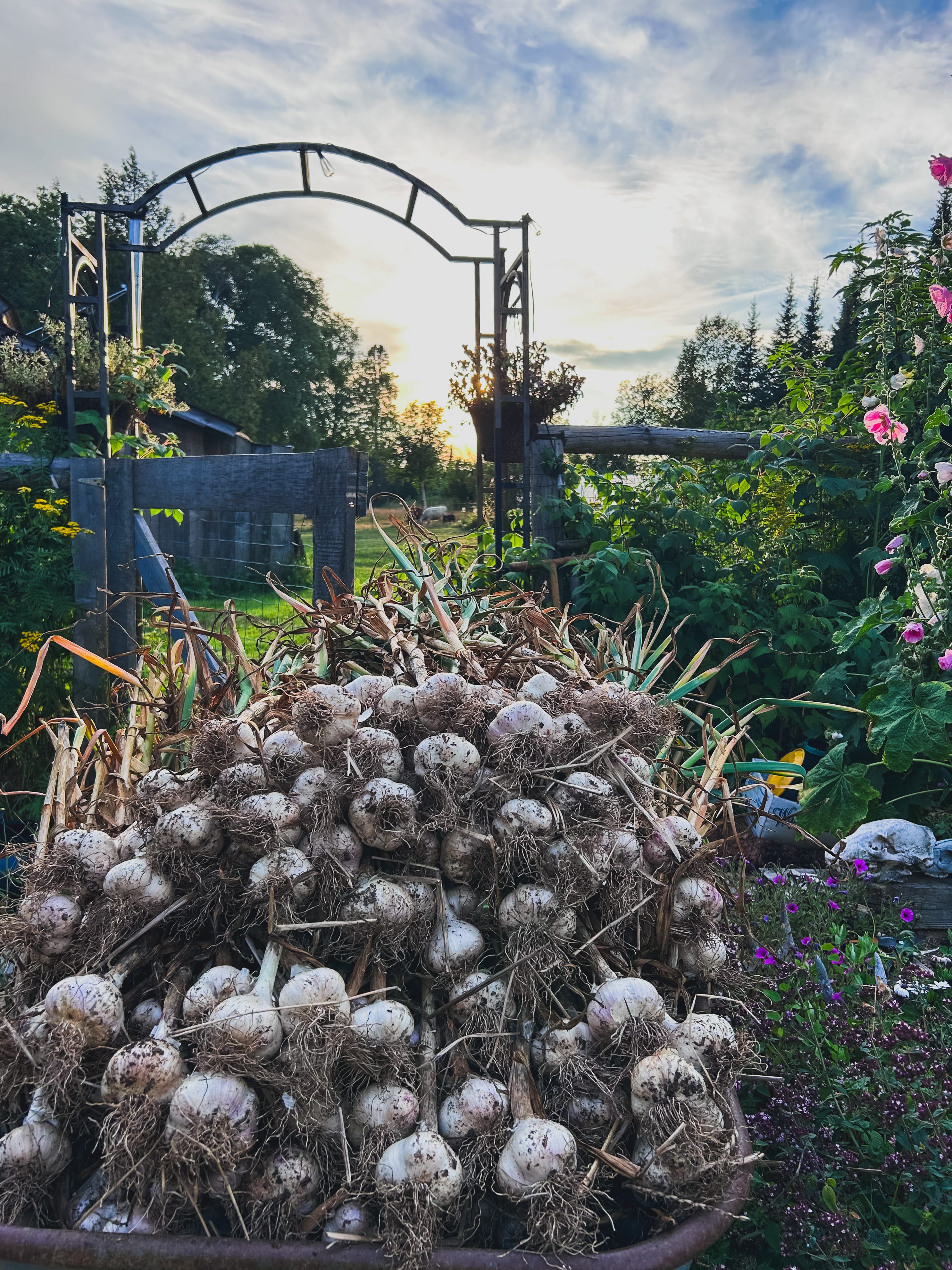
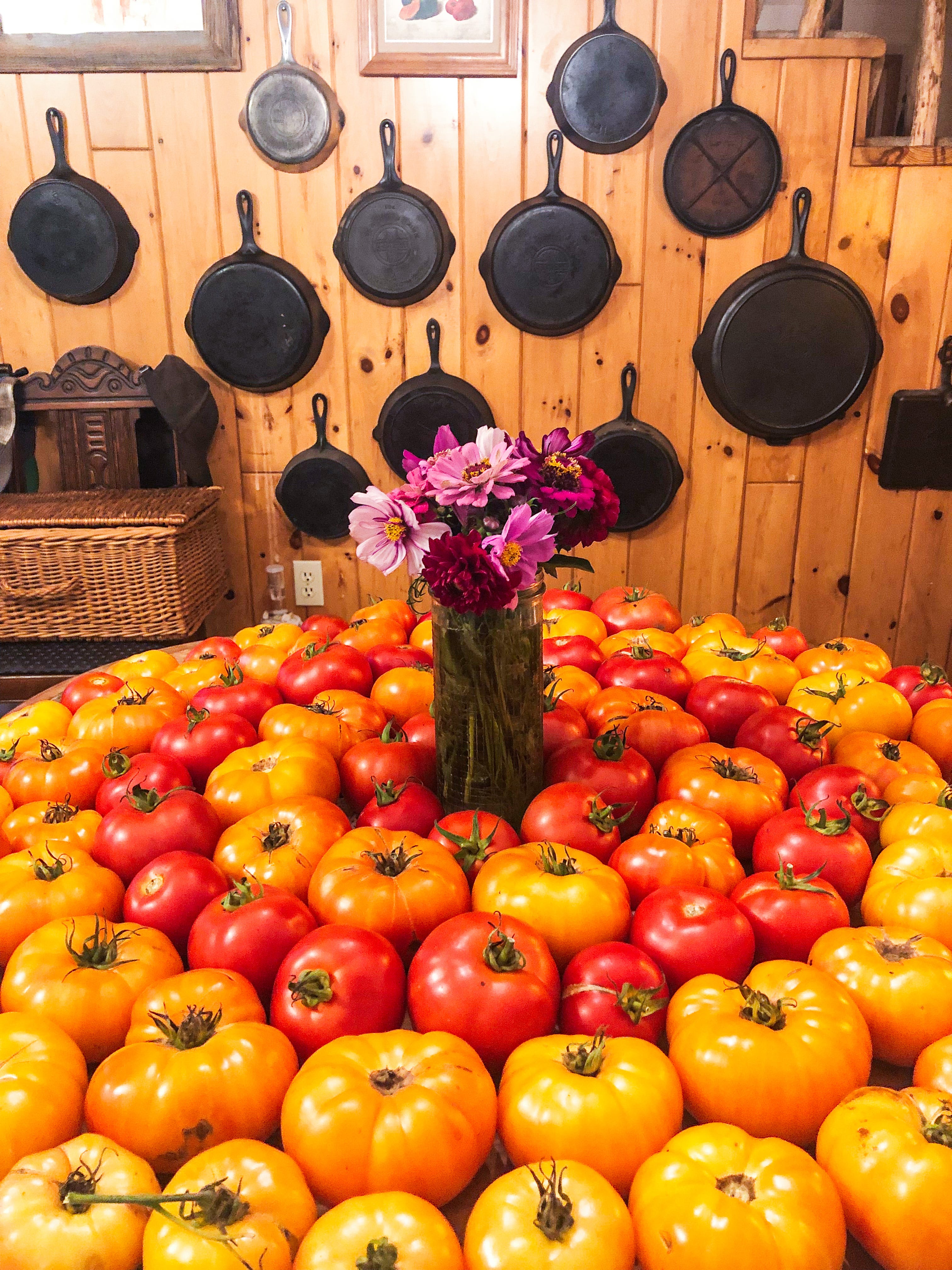
Crops grown for preserving include tomatoes, berries, pickling cucumbers, corn, green beans, and herbs while crops grown for storage include potatoes, garlic, onions, carrots, and winter squash. Those should be given priority in my garden.
Give some thought to the crops that have been a pain in your butt this year. What are you battling pests over? What requires daily harvests that aren’t getting eaten? What requires more watering or pruning or weeding than you’re wanting to give it?
Rather than viewing your apathy as failure, let’s use it as data for next year’s garden. Put a price on your garden space. What is truly worth the time and the ground in which it’s planted? That doesn’t mean there isn’t room for growing things simply for the pleasure of growing them- but pleasure is the point if that’s the case. If it just isn’t worth stressing over pests or disease or other care, then replace it with something that is worthwhile.
We don’t necessarily need to focus only on what we should cut back. We can also recognize the shortages. Do you find yourself rationing a certain crop because there just isn’t enough? Was there something that you were sad to see come to an end? What will you wish you had come February?
Those are the things that you might want to grow more of or succession plant. For me, I always regret not succession planting bush beans. Because I primarily grow pole beans for canning and just a handful of bush beans for fresh eating, I always find myself wanting more fresh green beans.
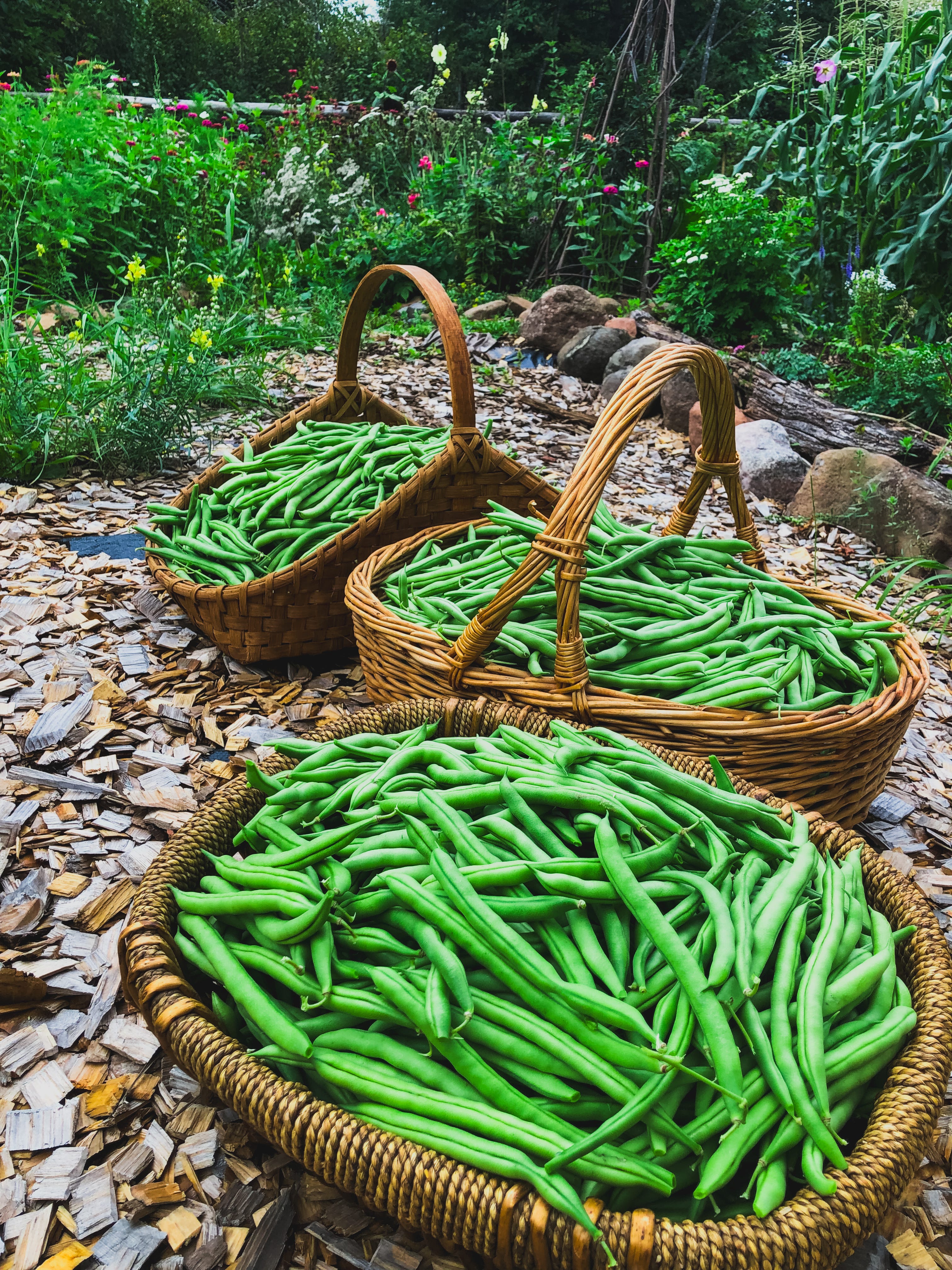
Sometimes the issue simply is just timing. If it all comes at once, there’s a lot of pressure to preserve it all or let it go to waste. But if we focus on succession planting so that we’re harvesting over a longer period of time, that will give us the opportunity to enjoy what we grow fresh and also give us less to preserve at one time.
Great examples of this would be not only the broccoli and bush beans, but things like lettuce, carrots, snap peas, beets, etc.
Because August is when your plants are fully mature and taking up the maximum amount of space that they will, this is also a great time to take note of what simply isn’t working in the garden.
Are you paths too narrow? Are you struggling to push your wheelbarrow through the rows without ripping out potato plants? Which beds seem to dry out the fastest? Do you notice yellowing leaves on your plants signaling a lack of nitrogen? Maybe a simple soil test might be in order.
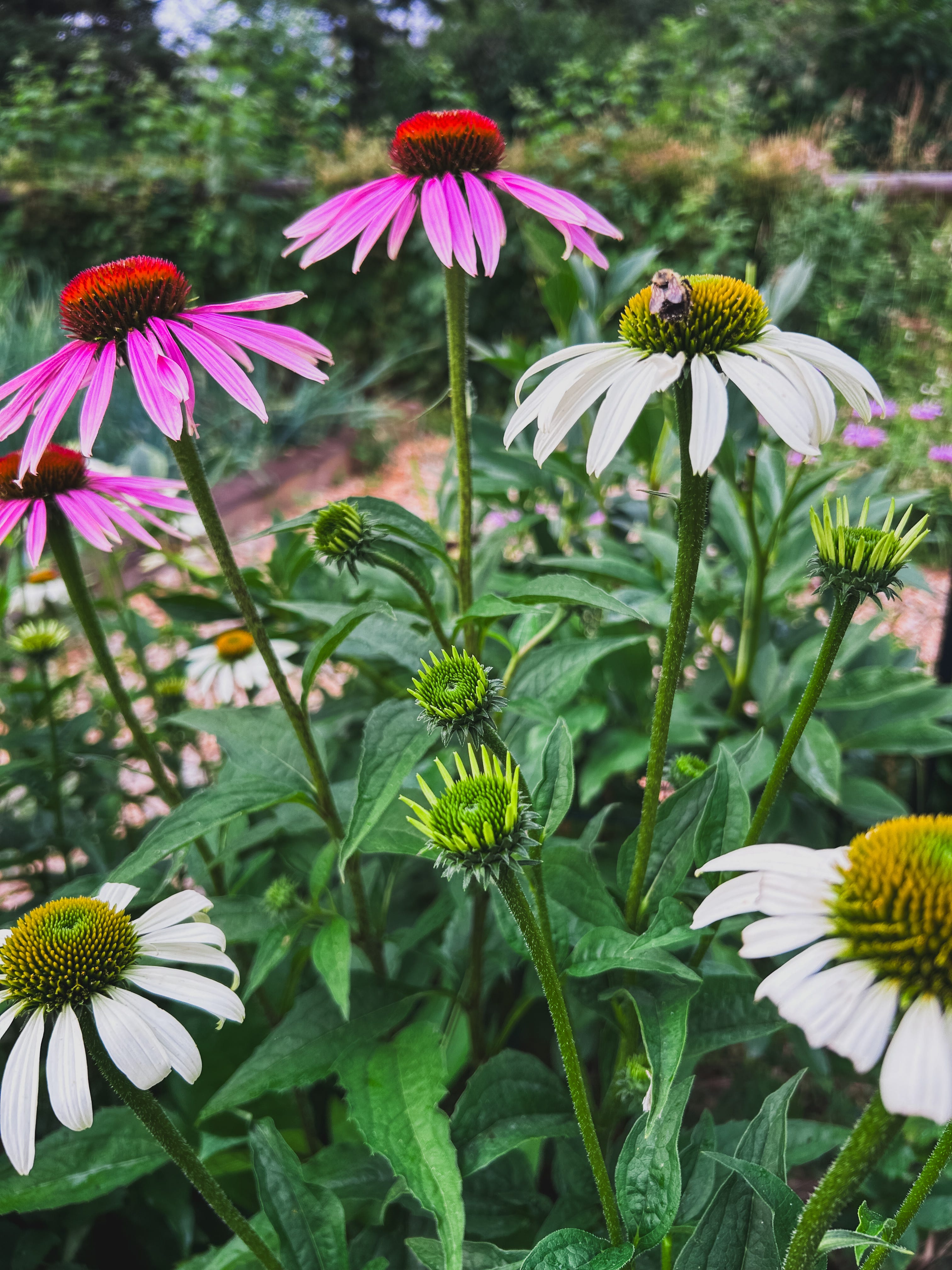
I’m also observing my perennial flowers this time of year. Where do I want more color? What might benefit from a trellis? What areas are struggling the most with weeds?
Let’s not wait until winter to try to remember these pain points. Take note of them now so that you can make adjustments when the beds have been pulled and the garden lays fallow.
This isn’t always the easiest question to confront as a gardener- because we want to grow it all. I get it. But sometimes, especially if you’ve found yourself year after year struggling to grow something successfully, it might be best to source a local option and use that space to grow what you are good at growing.
Take each of your crops and ask, “Is growing this the best use of my garden?” If not, then maybe you can swap with a fellow gardener. Maybe she is better at tomatoes while you’re better at cucumbers. Plan out an exchange.
If you don’t already have one, start a garden journal. Or even use the Notes app in your phone if that’s more your style. At the top of the page, make four headings:
Grow More
Grow Less
Grow Differently
Don’t Grow Again
Throughout this month as you wander the garden, assign each of your crops to one of these categories. Give some thorough thought to everything you plant, from vegetable to fruits to berries to perennial flowers. And be specific. Rather than simply telling myself, “Plant less broccoli”, I might say, “Plant six broccoli plants in spring, start six more and plant out late summer. Fresh eating only.” And then use these honest reflections as guardrails when those seed catalogs start arriving next winter.
January makes us incredibly ambitious, hopeful, and optimistic gardeners. But August makes us experienced gardeners.
In those late winter months, we’ve long forgotten about the slugs, the blister beetles, the cabbage worms, and the rust. We no longer feel the regret of the bolted lettuce, the giant cucumbers that got tossed over the fence, or the rotting fruit in the fridge.
So before the frost comes and wipes the garden slate clean, let’s listen to what the garden is telling us right now. We may not necessarily have a bigger garden next year or more food. But hopefully, it will grow more of the food we actually want in quantities we can actually use, and with an amount of work that we’re actually willing and able to give it.

Comments
Nothing yet. Say the first thing.
Sign in to join the conversation.