
As I write this, I’m acutely aware that I’m in the eye of the gardening storm. It’s no longer the frantic prepping of beds, planting, watering, nurturing, and all of the things that go into the early part of the season. Nor is it yet the point in which I have hundreds of pounds of tomatoes that need processing, or green beans that need snapping, or a mountain of corn that needs shucking and cut from the cob.
But I know that it’s coming. And as someone who depends on a space that is clean, organized, and well prepped in order to perform properly- I know how important it is to set the stage for the heavy harvest season.
Here’s a few things that I like to do to clear the way for the work ahead.
I know I’ve already discussed this year about how important it is to stay on top of your freezers- especially if you have chest freezers. In the coming weeks, we will not only be harvesting and freezing a large amount of produce, but we will also be processing eighty-plus meat chickens and three pigs. And that’s before hunting season is even upon us. This is the last opportunity to make sure that all of last year’s meat and produce are brought to the top of the freezer and organized in a way that makes sure it gets used first (rather than buried).
I’m also going to make sure I use up any of last year’s frozen tomatoes, peppers, onions, etc when making/canning anything that requires those ingredients this season. So before I make a batch of spaghetti sauce, I’m going to be sure to get any of that frozen produce into that batch.
Last year’s berries will be prioritized into the first jams or syrups or ice creams or baked goods that I decide to make- before using this year’s berries.
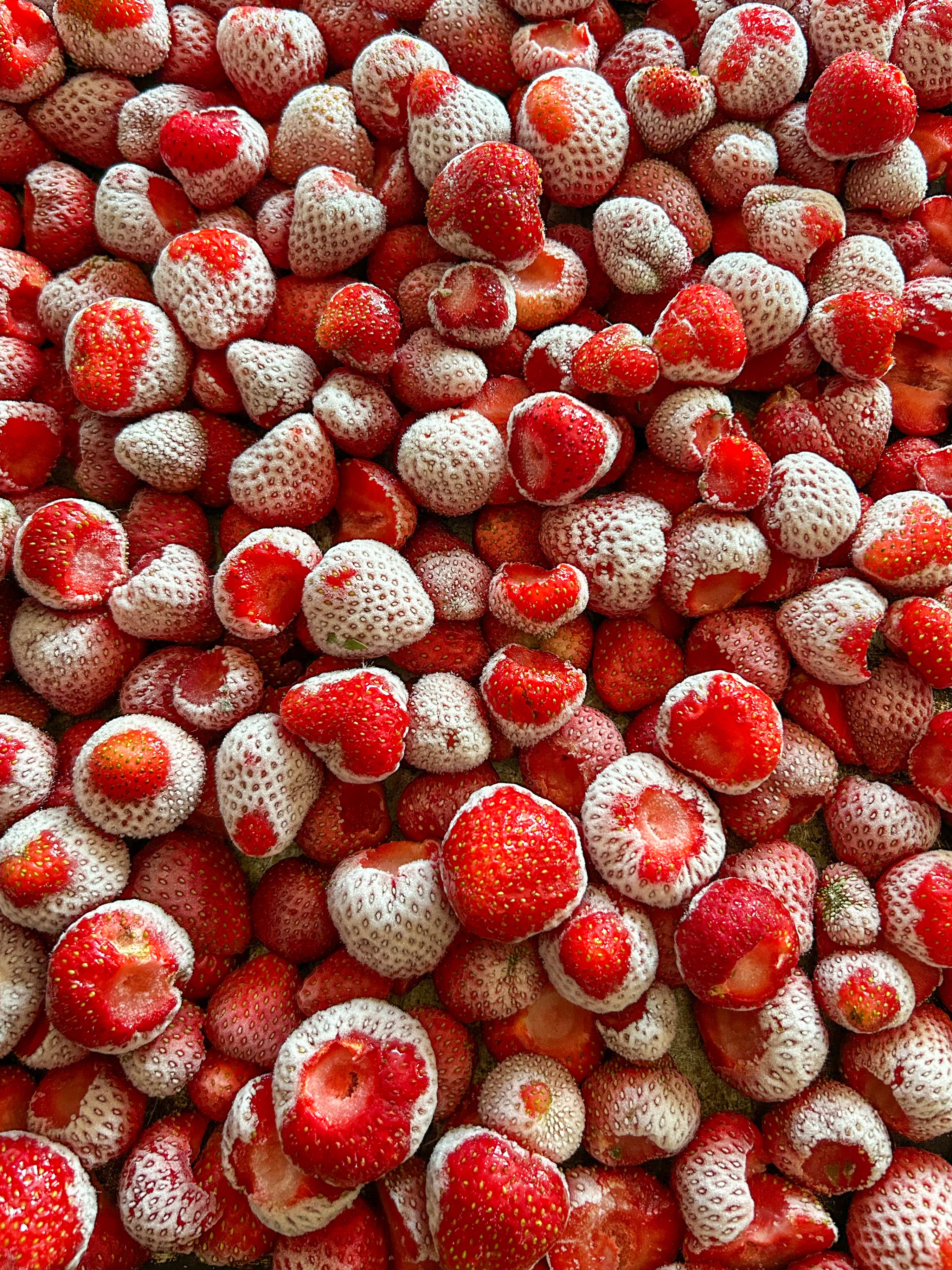
This is also the time where- if you have multiple chest freezers as I do- I get very intentional about which items go into which freezers. I have one freezer that houses primarily garden produce, while another is for chicken, another for beef/pork, and finally the one closest to the kitchen is for things I’m reaching for daily.
Before I start canning, I’m definitely going to take inventory of what is still on the shelves from last year. I have a lot of canned corn yet from last year, so this year I might freeze more. Some years I have way too many jars of green beans and pickles, so I might not grow as much of those next year- or at least I won’t focus so much on canning those and instead using them for something else.
I also like to clear out any of last year’s root cellar produce: sprouted potatoes, onions, garlic, etc.- get rid of all of the old before bringing in the new.
In addition, I take note of what I ran out of too soon. Despite making nearly seventy pints of salsa last year, we ran out a few months ago. I will need to make more salsa this time around. But I still have a little bit of pizza and spaghetti sauce, which means I canned just the right amount. I didn’t can any sweet meat squash or pumpkin last year, so I will definitely be including those this year.
We want to be spending our time wisely when it comes to canning and storing food, making sure that we are actually eating what we spend our time processing.
We’re still in the pantry, so let’s bring all of those old jars to the front, making sure to put new jars behind them as we start canning. Wipe off the tops, clean the shelves, organize them in a way that best suits your needs. I like to keep all of my tomato products on the closest shelf as I reach for them the most. The pie fillings, maple syrup, pumpkin, etc.- those can be on a shelf that is further away as I don’t use them as regularly as the tomato products.
I also like to group like things: meat and stocks together, canned vegetables together, fruits and jams together, tomato products together, etc.
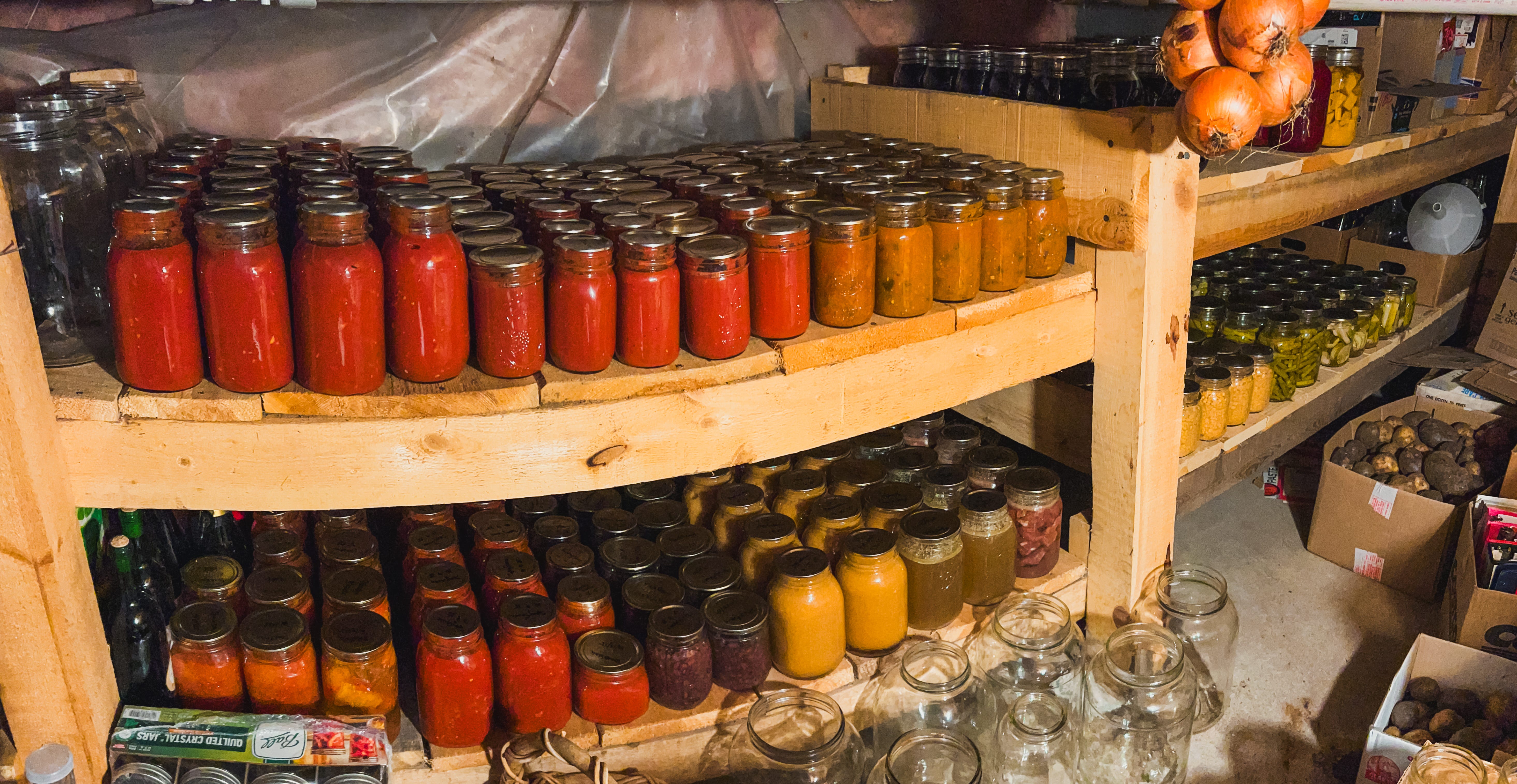
My canning jars are stored in my crawlspace, which is the same area where my canned goods live. Last spring, I bought some large totes to house all of my jars, and I’ve separated them by size. So pint jars and quart jars live in separate totes. That way, when I’m canning, I know exactly where to go to get the size jars that I need.
This is also a great time to clean out anything that has ended up in your pantry that doesn’t belong there. This is a task that I try to complete in both the spring and the fall.
There’s no better feeling than starting out your preserving season with everything you need on hand. Now is the time to get stocked up on:
canning lids and bands
pectin
sugar
salt
vinegar
freezer bags/containers
freezer paper
freezer tape
permanent markers
fermentation supplies
bottled lemon juice
clean towels
Be sure too to locate your jar grabber, funnel, lid lifter, and inspect your canners (I had to replace seals and weights on both of my pressure canners last year).
Give all of your equipment a good look-over and clean it well. This includes your pressure canner, water bath canner, steam juicer, dehydrator, freeze dryer, food mill, sauce master, apple corer/peeler, etc..
Wash all of the parts, inspect them for damage or wear, put all of the pieces together and be sure you’re not missing any of them. And if these are tools that you’re only using this time of year, make room for them. Clear a shelf. Designate a corner. If they’re accessible, you will use them.
While I love and appreciate a beautiful kitchen- including a kitchen that sports knickknacks and lovely things whose sole purpose is to look pretty- now is the time to clear those things out of the way to make room (if needed) for the more functional effects.
Clear all unnecessary clutter. Make sure your biggest bowls are at hand, cutting boards are cleaned and ready, knives are sharpened, and extra dish towels are in the drawer.
I also like to give some thought to work flow:
Where will the produce be coming in?
Will it be washed right away- and if so, where does it go after that?
Can it wait to be cleaned?
Where will I be doing the peeling, coring, chopping, etc.? Where do the scraps go?
Where do I want to cool my jars?
These thoughts and subsequent intentional improvements can go a long way in the functionality of your kitchen during this season.
This of course is easier said than done- but if I can get the rest of the house in order before this season hits, it will be much easier to keep up on it.
Get those cobwebs up in the corners, the fly goo on the light bulbs, deep clean the floors and corners that get neglected the most. Wash the throw blankets on the couches (and vacuum under the cushions while you’re at it). Tackle the laundry pile, give the tub a good scrub.
Anything you can do to take the pressure off when you’re extra busy in the kitchen in the coming weeks.
Meal planning really falls to the wayside for me during the summer. But it’s time to get back on the wagon and plan some easy meals for the next couple of months. If I can keep my cupboards stocked with pasta and if I can be sure to brown up extra hamburger or cook some extra chicken, then I can have things on hand that can easily be reached for when I’m short on time to make supper.
I’m definitely not suggesting you have to make up a bunch of freezer meals. But if we just have some go-to essentials on hand so we don’t have to find ourselves at 4:00 PM wondering what we’re going to eat, that will save us so much time and effort.
This time of year is often dictated by what needs immediate attention- and what can wait. A simple notebook on the counter (or scrap paper) can act as your command center for the harvest season.
Harvest now: what needs my attention today?
Next up: what needs to be picked or processed in the next couple of days?
My preservation plan: what will be frozen, canned, dehydrated, freeze dried, stored in the root cellar, or eaten fresh?
This will help with combining jobs. If I have tomatoes that need to be picked today, but I’m also anticipating them needing to be picked again later this week, I might just throw today’s harvest into the freezer and wait to process them until my next harvest- or until I have enough tomatoes to do what I want with them. That way, I’m not pulling out equipment twice or having to set aside two days for canning instead of one.
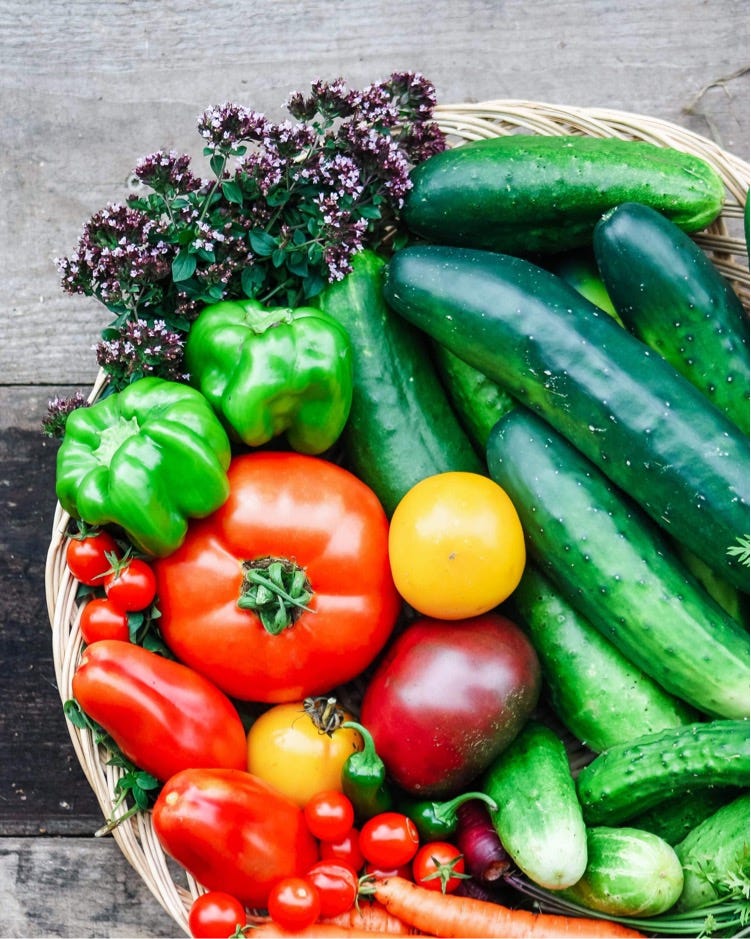
We’re obviously not putting everything into jars or into the freezer. Let’s give some thought to:
What am I going to put in cold storage? In root cellar storage?
Do I have enough crates?
Are my drying racks clear and ready?
Do I have enough space or do I need to make more?
It’s not fun when you’ve pulled a few hundred pounds of potatoes out of the ground, only to discover you don’t have anywhere to cure them.
Just as I love a good spring cleaning: clearing the way and planning for the planting and growth to come over the summer, I do love a good fall prep as well. This is the time of year when our dreams are being realized. When the possibility becomes more tangible.
Our baskets are filling, the plants are hanging heavy with green tomatoes, the potatoes are waiting underground.
Preparing the kitchen, our pantry, our storage spaces, and our home is in its own way part of bringing in the harvest. I’m making empty spaces because I know that soon, they will be filled.
And yours will be too.
Happy harvesting (and prepping!), my friend.

Comments
Nothing yet. Say the first thing.
Sign in to join the conversation.