
In my many years as a professional journalist, there are two things which have often stuck in my craw during my career.
First, I’m convinced that a lot of top managers at newspapers aren’t nearly as adept at helping manage the work of opinion columnists as fact-based reporters. They just don’t understand the jobs of opinionators like they understand the reporting ranks where most of them came from.
And secondly, they still don’t really know how to deal with the fact that social media has given reporters and columnists a platform outside of the ones top managers directly control – where the staffer has a lot more autonomy to say what they like and has an image which stands apart from the company brand.
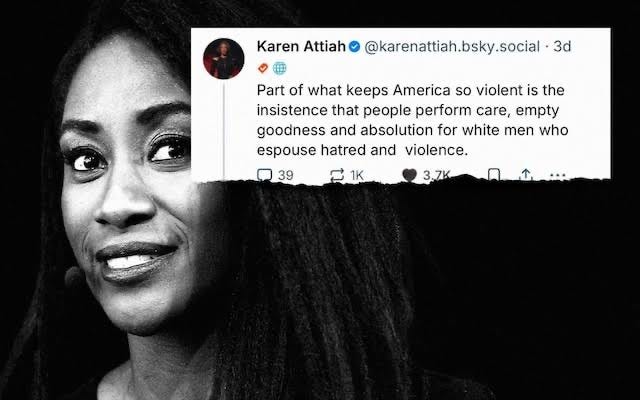
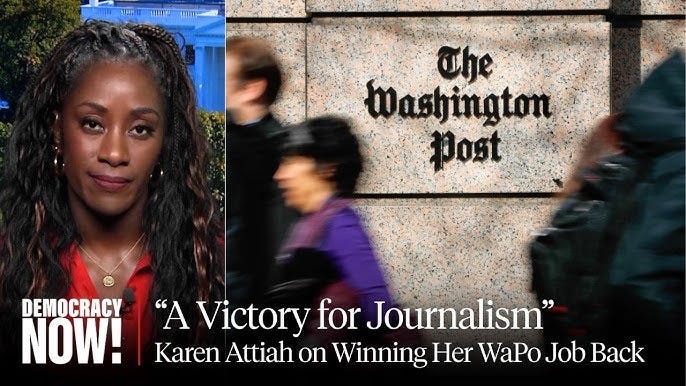
I’m not saying any of this had much to do with why Karen Attiah was unjustly fired from the Washington Post or her subsequent victory in an arbitrator’s ruling which demands the newspaper hire her back.
In fact, I appeared on Tavis Smiley’s Los Angeles-based radio show Wednesday to say what I thought happened to Attiah: The Washington Post was already purging liberals and Black columnists from its opinion section and the Kirk posts gave them the thinnest of excuses to fire her – then, the newspaper’s last full-time opinion columnist who was a Black person.
But in considering the wider implications of her victory, it feels like a bit of an attaboy for columnists everywhere who have had to deal with supervisors who were uncomfortable with their opinions and news organizations with inconsistent policies on social media use.
This may seem like a bit of inside baseball for non-journalists. But let’s recap quickly what happened to Attiah and why her victory really matters for all of us who earn a living slinging our opinions around online and for various news outlets.
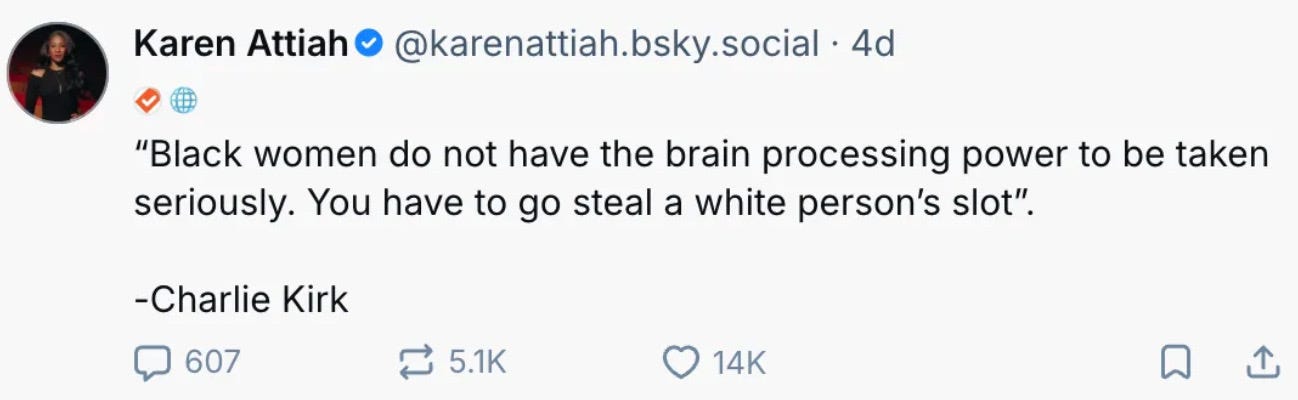
When conservative activist Charlie Kirk was murdered, Attiah posted on Bluesky, quoting his demeaning words about Black women: “Black women do not have the brain power to be taken seriously. You have to go steal a white person’s slot.” She also wrote, “Refusing to tear my clothes and smear ashes on my face in performative mourning for a white man that espoused violence is … not the same as violence.”
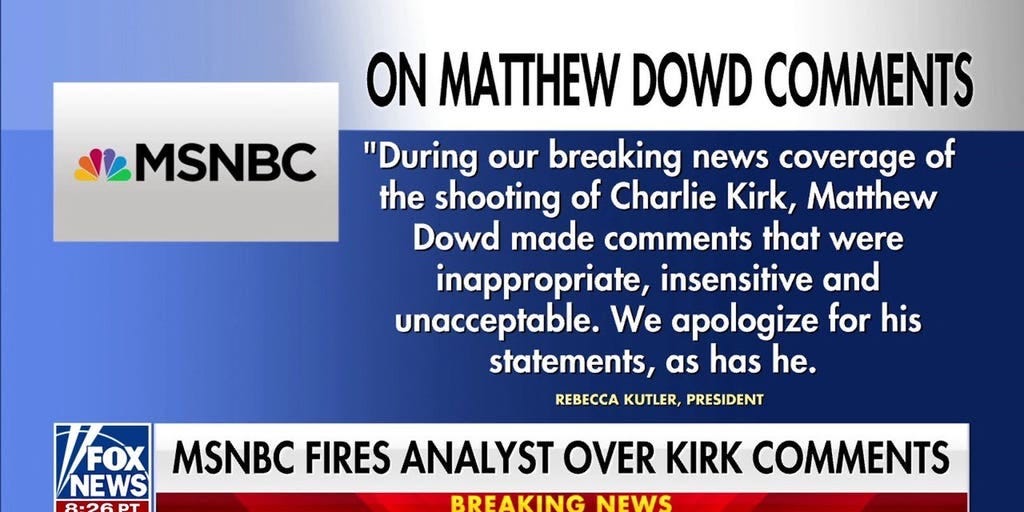
Folks who remember that time in media will note that traditional news outlets seemed super frightened about antagonizing conservatives who were mourning Kirk’s murder. They also seemed sensitive to accusations of insensitivity or gloating over his demise – consider how supposedly liberal cable news network MSNBC (now known as MSNOW) fired senior political analyst Matthew Dowd for making the point that Kirk’s incendiary rhetoric might have helped create a combative political culture that leads to violence.
So when Attiah was fired for alleged “gross misconduct” it seemed equal parts weak-kneed capitulation to fears about conservative backlash and part of owner Jeff Bezos’ ill-considered drive to make the opinion pages focus on supporting personal liberties and free markets while suppressing contrary views.
(Of course, media cynics like me just think that’s corporate speak for making the opinion pages, which Bezos directly controls as owner, less antagonistic to Donald Trump, a vindictive president who controls lots of government programs the Amazon founder’s companies want to participate in and benefit from. Not sure what that has to do with free markets – but I digress.)
Black journalists, especially opinion writers, also worried that her firing — without a lot of consequences for The Washington Post, at least at first — would only make it tougher for us to speak plainly about racism and systemic oppression in newsrooms which often didn’t seem to have a lot room for our point of views in the first place.
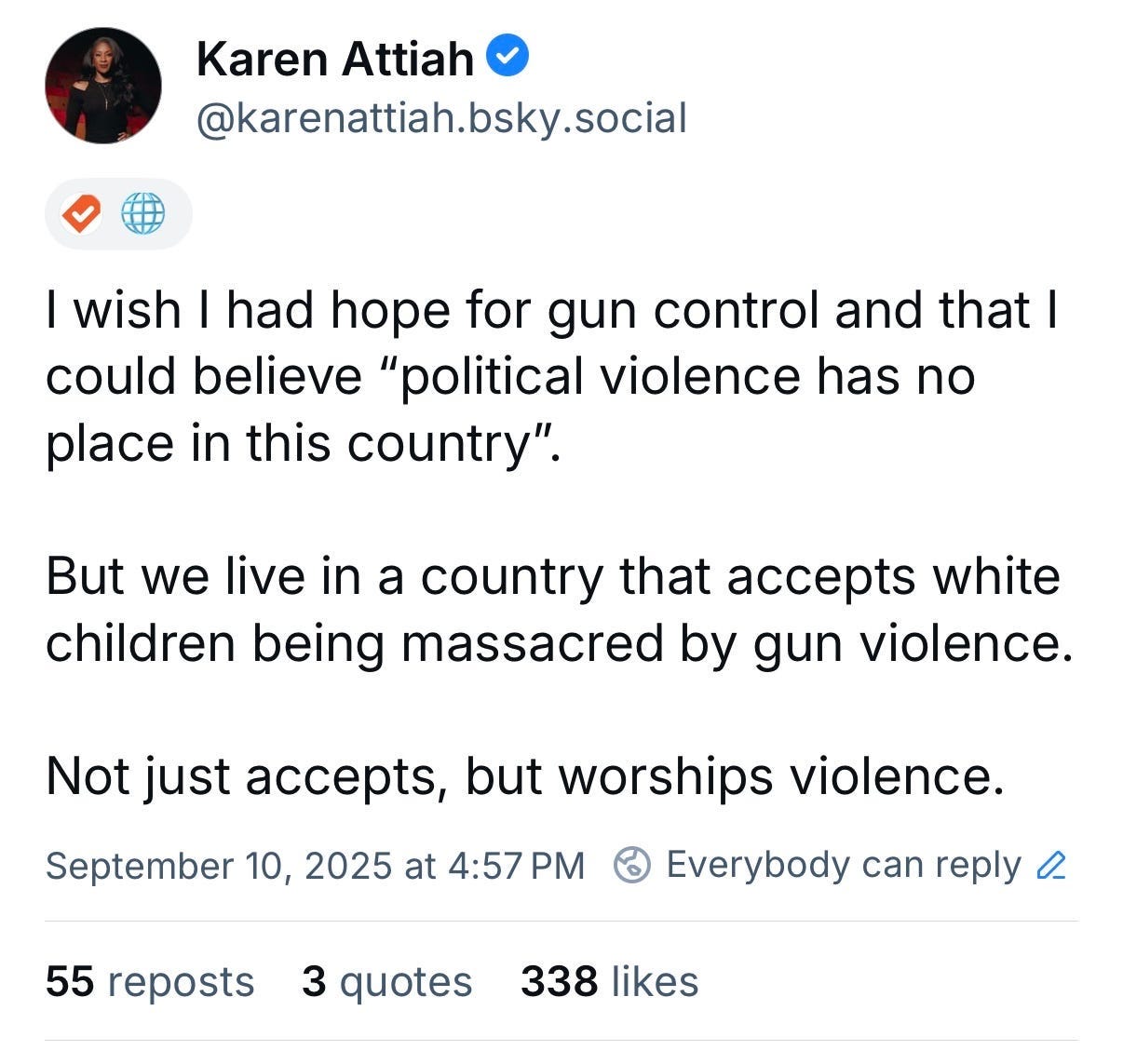
Attiah’s treatment also betrays a bizarre inconsistency in the news business when opinionators say things which draw a negative reaction from leadership or valued public constituencies.
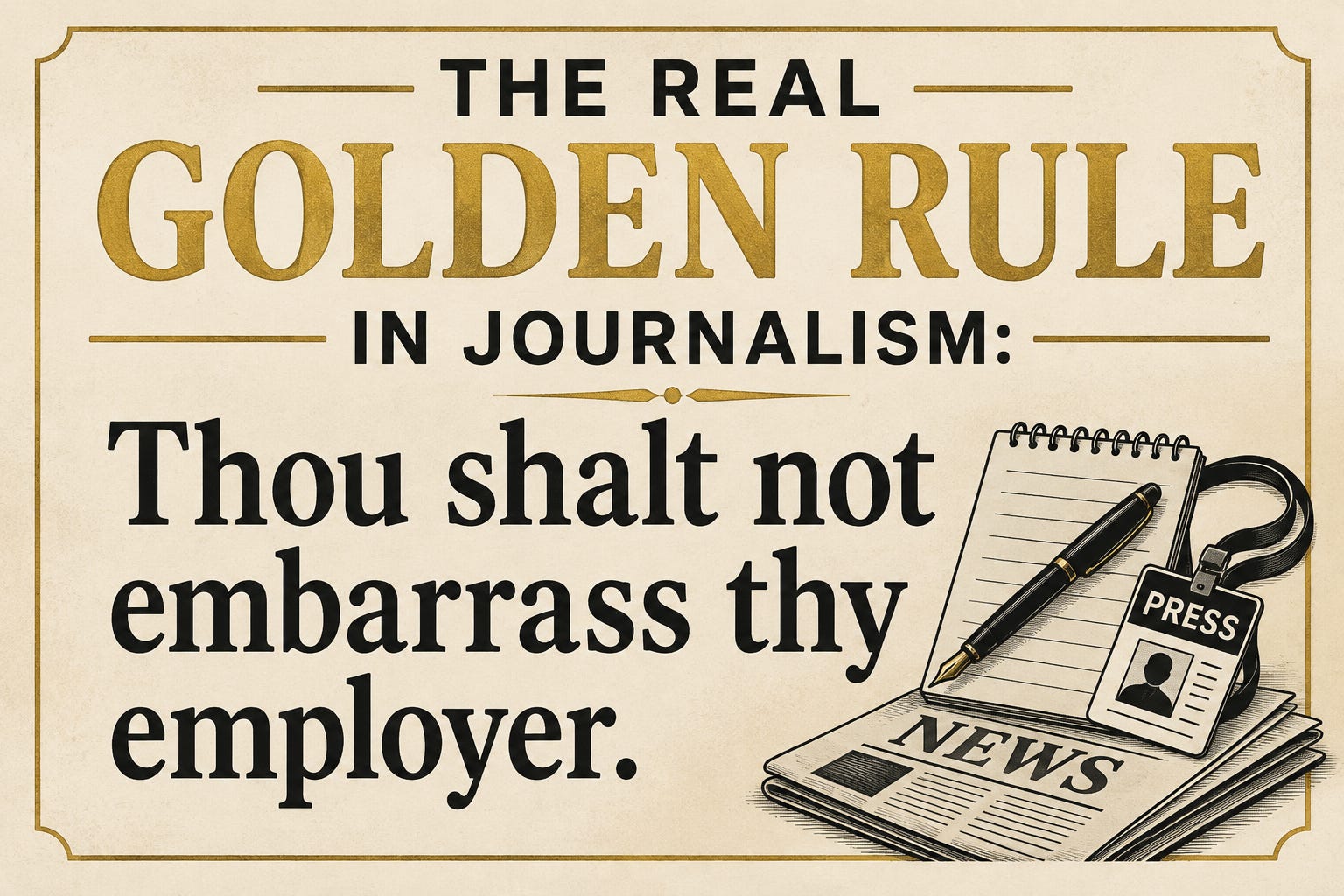
(Image created using Chat GPT)
I’ve always said the real Golden Rule about journalists and social media is simple: Thou shalt not embarrass thy employer.
And if or when that embarrassment happens, social media policies and internal processes don’t seem to matter much. There is rarely a suspension or discussion about what the staffer allegedly did wrong – even if they are people, like Attiah, who are paid to have provocative opinions and articulate them in many different media spaces, from newspaper pages to TV, social media and more.
People are simply removed, as she was.
But Attiah’s victory in arbitration – according to the New York Times “Sarah Miller Espinosa, the arbitrator, said in a written decision Thursday that The Post ‘did not have good and sufficient cause’ to terminate Ms. Attiah and ‘violated’ its labor agreement” – provides staffers with another option when their employer decides to throw out the rule book over a perceived transgression.
(As a commenter to a social media post linking to a previous version of this column pointed out, labor unions are also an important part of this story. I always tell my students and others that the two biggest pay raises I got in my life came when I joined organizations where newsroom staffers were represented by unions. Because it isn’t always best to let employers or managers have full autonomy to hire and fire whenever and however they want without a due process.)
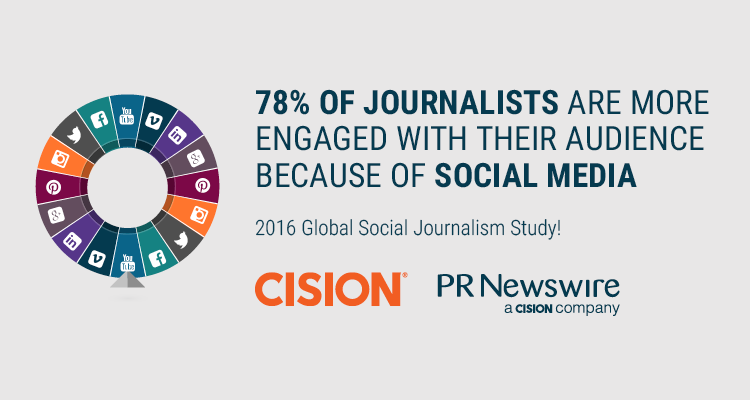
The real facts: Employers throughout the news business have to accept that their most visible employees who are active on social media are building needed connections with the audience. To do that, they need a level of autonomy, and should not have to worry about every controversial comment blowing up to the point where they might get fired.
The solution is simple: Establish reasonable policies and precedents and stick to them. Staffers need to know where the guardrails are and trust that management won’t just feed them to the wolves when controversy makes it convenient.
And if there’s a desire to have social media statements over a controversial issues handled differently, newsroom leadership should sit down with the staffer and explain exactly what they did wrong, providing suggestions on how it could be handled differently, so everyone knows what’s expected.
None of this may have helped what happened at the Washington Post, where I believe leadership there had an agenda they are not disclosing which is much tougher to defend.
But it will help loads of others journalists, trying to make a difference in their respective newsrooms, who suddenly see a new argument emerge for refusing to bend to the heat of the moment and support staffers who articulate difficult ideas in extraordinary times.
Comments
Nothing yet. Say the first thing.
Sign in to join the conversation.