
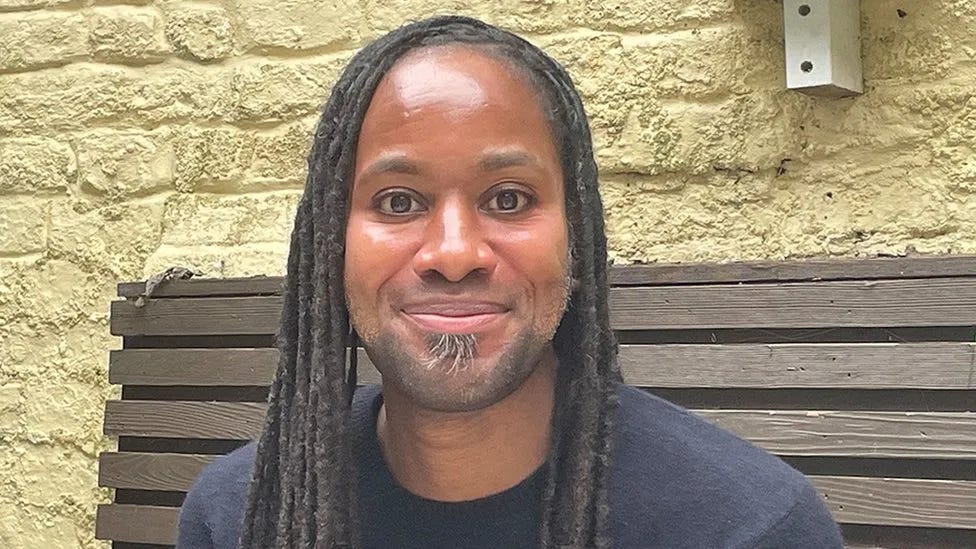
For Black folks who earn a living putting their thoughts out into the world, Jason Arday’s death hit like a walking nightmare.
Arday, 41, was found dead Friday, not long after he had resigned his position as the youngest Black professor at the University of Cambridge in England. His resignation and death came after persistent allegations Arday had plagiarized some of his academic work, exaggerated parts of his life story and put questionable material in his just-published memoir.
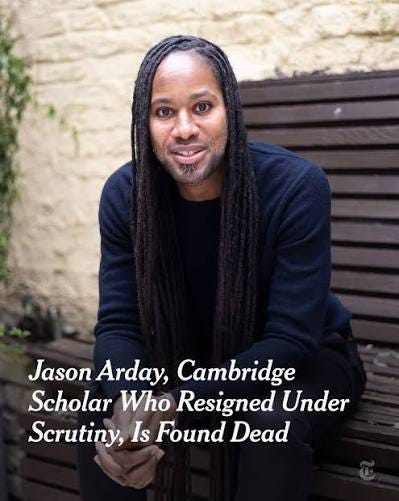
In the New York Times story documenting this sad affair – featuring the work of five reporters, including folks based in London and Belfast – the story emerges of a university trying to escape its reputation as a stodgy, persistently white organization by hiring a young Black star with an amazing life story. Arday, who grew up with some learning difficulties, claimed he didn’t speak before he was 11 or read before he was 18, which the Times says was not true and was so counter to established scientific knowledge, the university should have known it wasn’t true. Its story, published Saturday, pronounced him “underqualified, by the school’s own standards.”
Arday’s issues reached the general public via a newsletter written by a former Cambridge scholar, who believes genes and race help determine intelligence – so, a racist. And the controversy over questions about his life and work consumed the British press especially, generating an enormous amount of coverage over a professor most people outside of academia had never heard of.
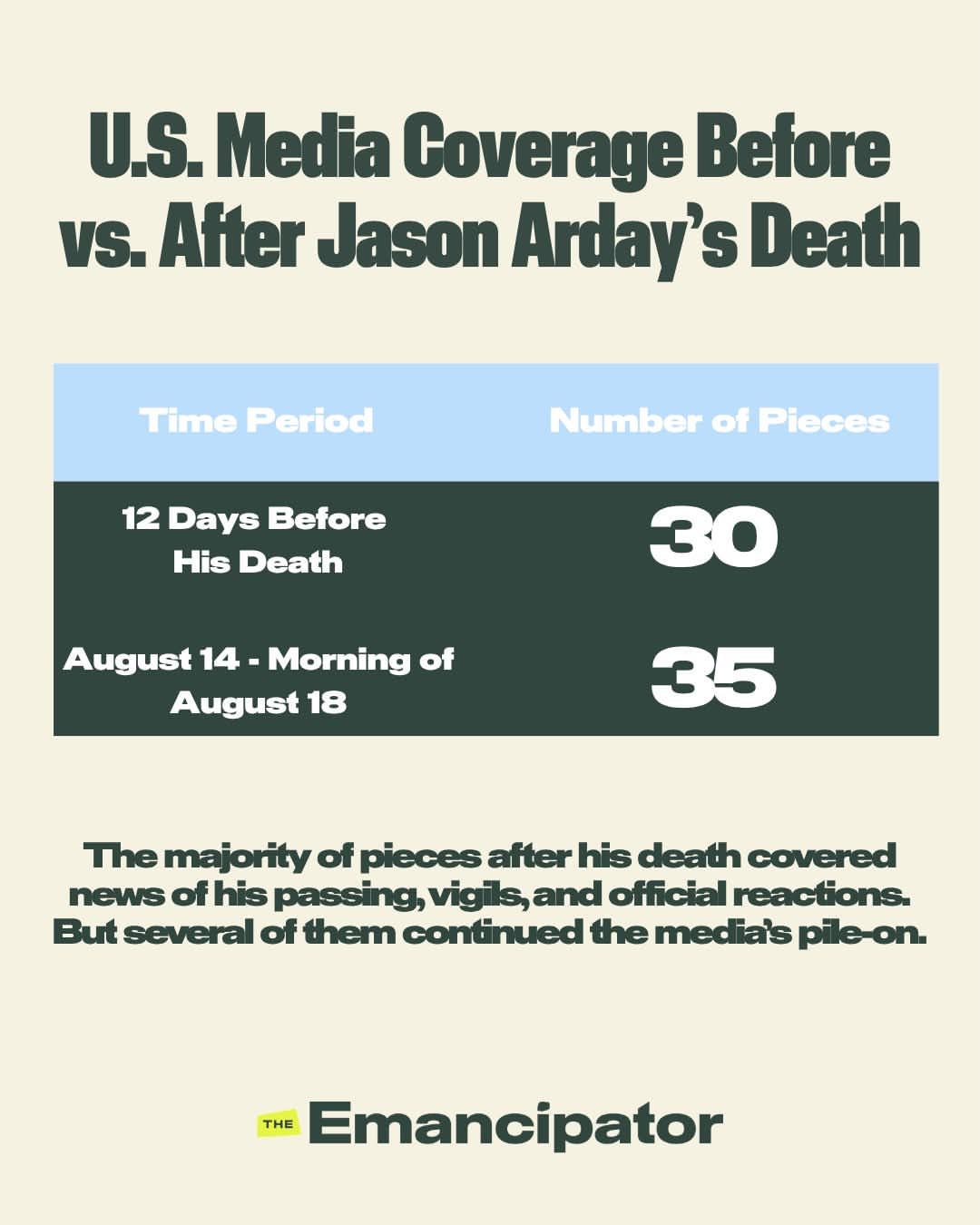
What is toughest for people to accept: Multiple things can be true in the same story. Arday can have been an underqualified fabulist who made up the most impressive elements of his life story. Cambridge can have screwed up mightily by not adequately vetting someone they placed on a worldwide stage and by moving too quickly to correct their problems with diversity.
And the media/academic establishment which came after him can have gone overboard in their fervor to pillory Arday, to an extent we have not seen with other fabulists and plagiarists who were not Black.
All of this is powered by the thing I hate most in modern media today: A runaway argument culture that turns every public disagreement into a knock down, drag out fight allowing no nuance and brooking no compromise — ending only when someone is thoroughly defeated in the arena of public opinion.
Or is dead.
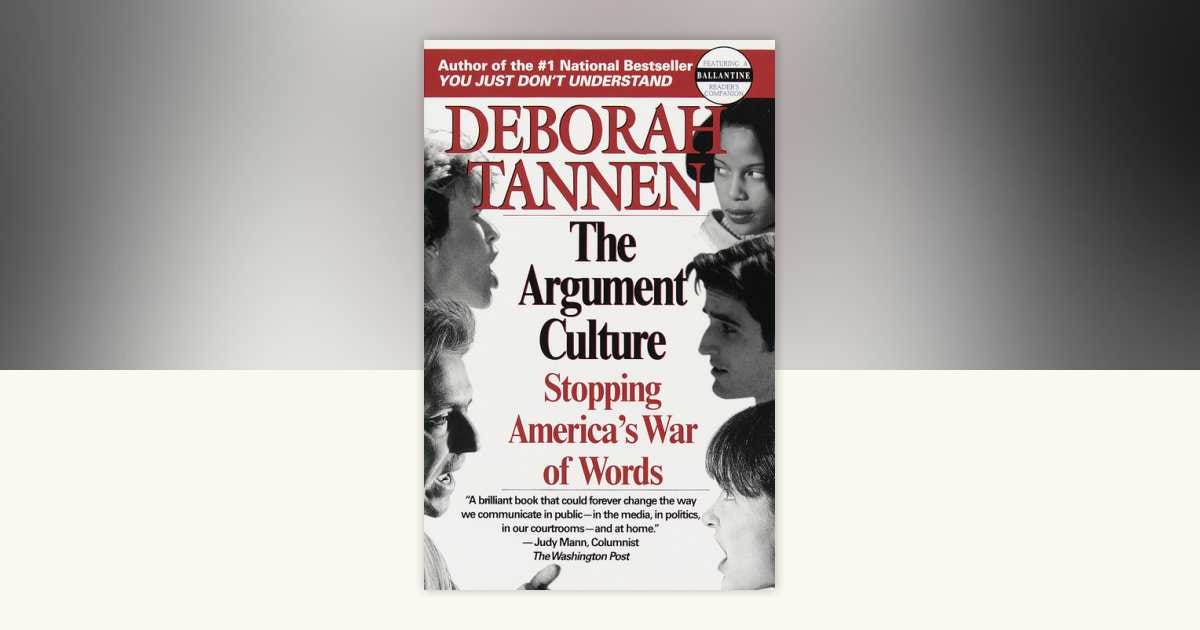
Argument culture creates an environment where critiques of anyone’s mistakes are elevated for maximum conflict. And because Black professionals must push back against the believers in racial hereditarianism – including those who never admit their stance in public – along with fighting systems which already resist making room for them, we are stuck in a situation where we are punished more harshly than others who make similar mistakes.
(Just look here for a list of plagiarists who still have careers. And here’s an interesting look at how questions about his work morphed into a moral prosecution of Arday as a person) And check out comic W. Kamau Bell’s excellent column on this subject.
In other words, a Tuesday.
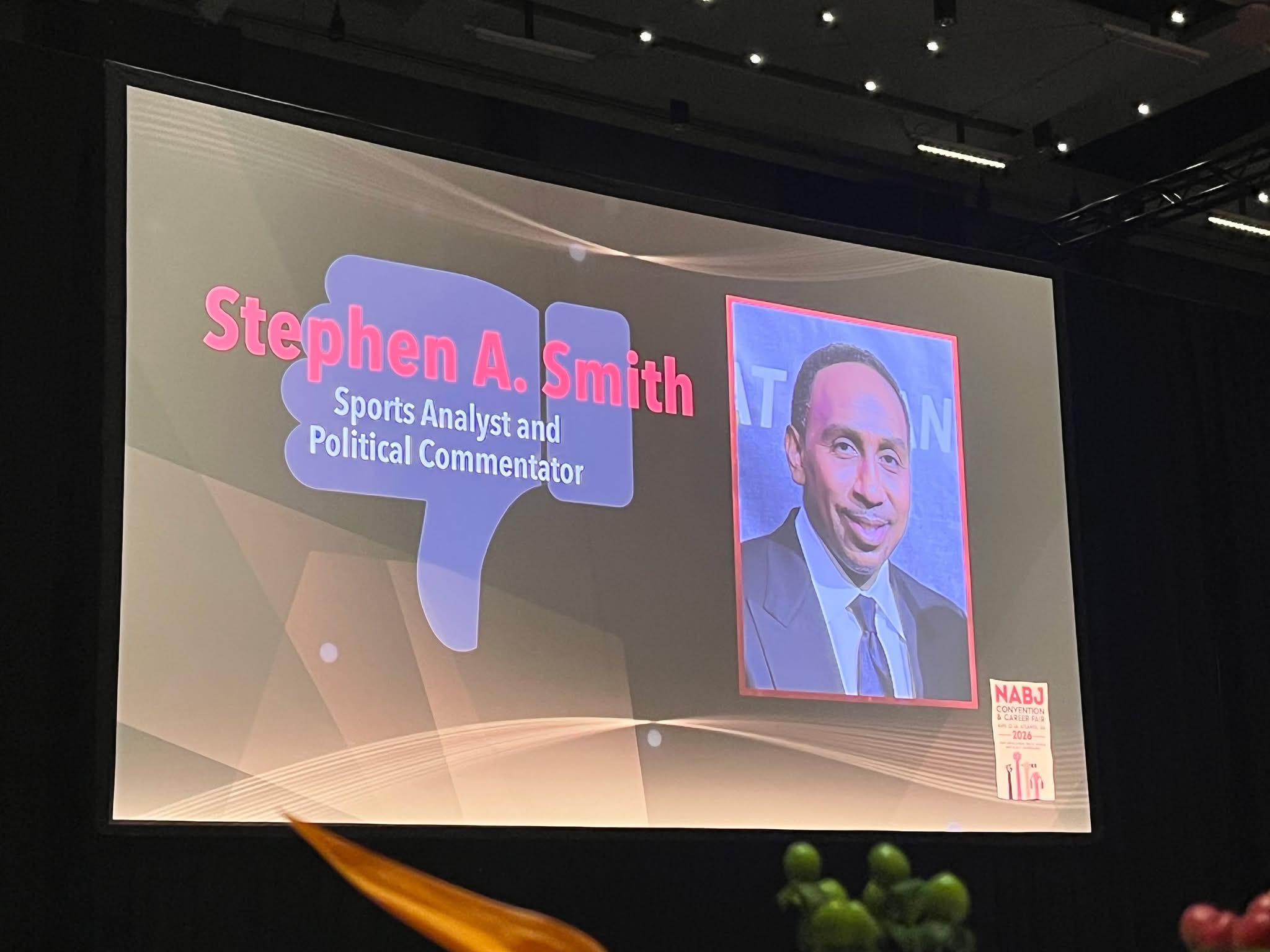
The toxic nature of argument culture also surfaces when I think about the National Association of Black Journalists’ decision to hand one of its Thumbs Down awards to sports commentator Stephen A. Smith toward the end of its sprawling national convention in Atlanta Saturday.
As someone who once served as head of NABJ’s Media Monitoring committee, it was my duty for years to suggest nominees to NABJ’s board for this award – which highlights people and institutions in journalism that are damaging to Black culture, people and/or journalists.
So, naturally, I have thoughts. I can’t remember a Thumbs Down ever given to a Black journalist before – during my time, the award was used to call attention to institutions and situations where Black journalists were being marginalized or harmed. So it felt jarring to hear that NABJ had singled out Smith for negative attention.
Smith hurried to Sean Hannity’s show on Fox News Channel - itself a recipient of multiple Thumbs Down awards for how it has leveraged racism and fear of marginalized people to fuel its programming — to complain about NABJ’s action from the heart of Argument Culture.
For people who have groused that Smith was honored at previous NABJ conventions, it’s worth noting that NABJ had a different president, executive director and board back then. Black people and Black journalists are not a monolith and neither is NABJ – it seems obvious that new leadership have chosen a new way of putting the issue of public insults directed against Black female journalists on the table.
Others have noted the group interrogated then-candidate Donald Trump, also known for disparaging Black female journalists, in a high-profile session at its Chicago convention in 2024. As I explained in a column for NPR, NABJ has always invited the top two presidential candidates to its convention in an election year. At that session he faced questions from a trio of Black female journalists and it seems obvious why an organization of journalists would want to question a leading presidential candidate at its national convention months before an election.
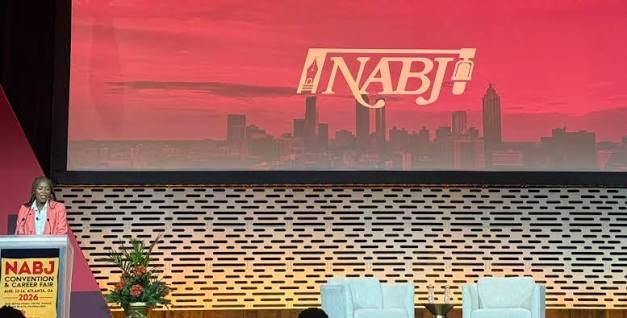
But when I think about the discussions I was having with people at this year’s NABJ convention, it was about more mundane concerns. People worried about a shrinking job market. Concerns that the continuing anti-DEI sentiment, unfairly fed by the current presidential administration, would cost more jobs and make current positions more precarious. Sadness that the group’s legendary jobs fair – a giant assembly of booths featuring recruiters from news organizations across the country – seemed smaller this year and focused mostly on TV operations.
I’m not sure how this public food fight with Smith -- who contends this slam from NABJ is more about his criticism of liberals and friendliness with conservatives -- makes progress on any of those questions.
What this has done, of course, is get NABJ in the headlines through a bruising argument that boils down to cadres of Black journalists and celebrities fighting with each other in public. As an NABJ member since 1990, I always like to see the group prove its relevancy by making headlines. But this feels like a family dispute that’s a few degrees removed from the more basic problems members are facing.
My friend and fellow NABJ “old head” Richard Prince has a column highlighting some of the other initiatives the group unveiled during the convention, including a partnership with the National Business League to create a 16-week program aimed at helping journalists learn to be entrepreneurs. But, unfortunately, the lion’s share of the press coverage NABJ has gotten for one of its most-attended conferences in its history was the spat with Smith.
Ultimately, that’s what addiction to society’s larger argument culture does with every dispute. It removes nuance and respectful dialogue, elevating the values of attention and victory in rhetorical combat over less vitriolic ways of making progress.
Whether it’s an academic accused of plagiarism or a journalist accused of unfairly targeting Black women, the discourse gets flattened and cheapened, made more toxic and uncompromising in ways that makes it tough to get at what really matters.
Perhaps I’m just an old-school communicator who isn’t prepared for the new way of standing out in modern media. But I can’t escape the feeling that this is a toxic, destructive cycle – championed by Trump, who is a master in toxic messaging – that will eventually make casualties of our ability to find common goals to address society’s most pressing questions.
Comments
Nothing yet. Say the first thing.
Sign in to join the conversation.