
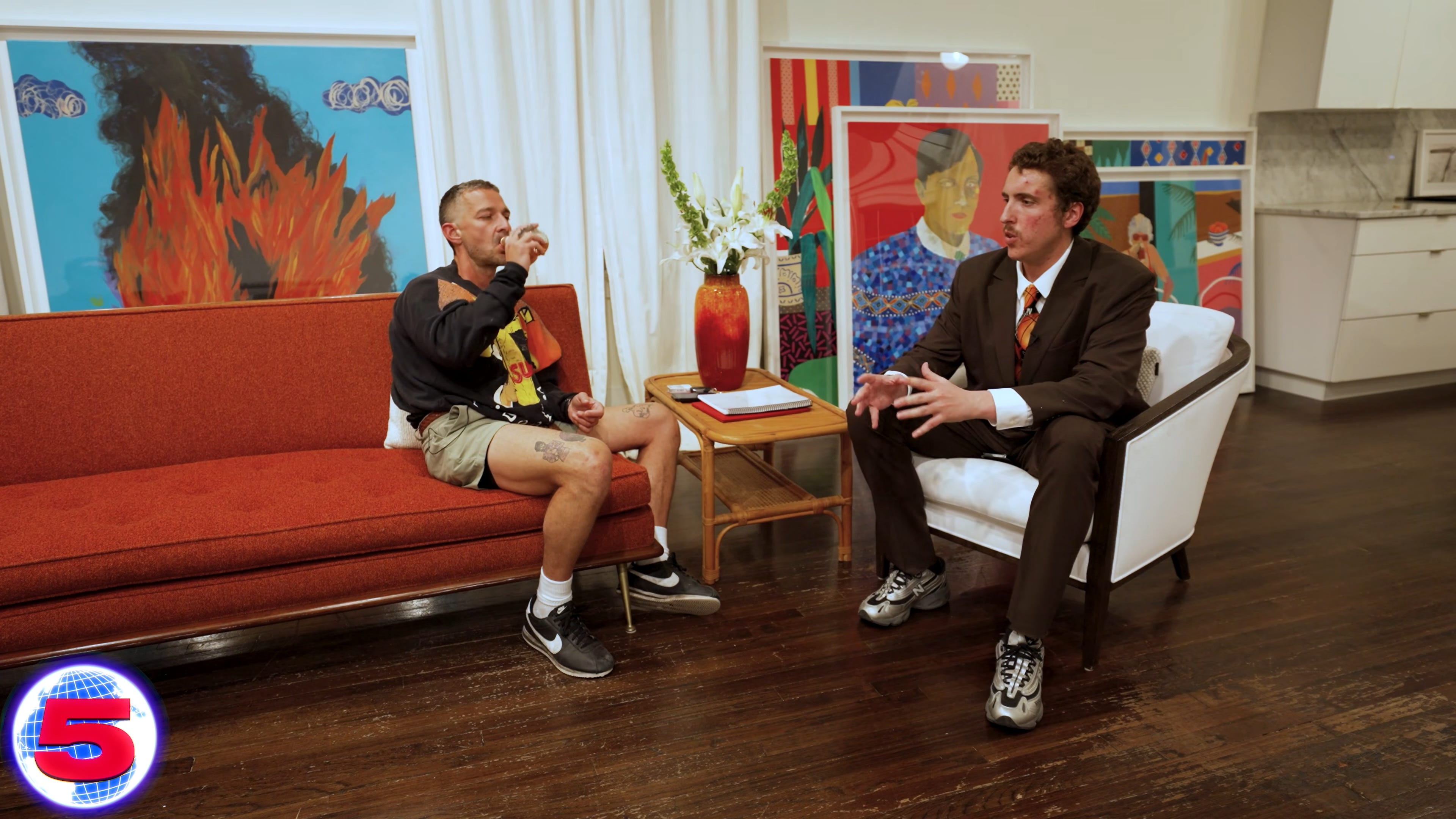
“If you were a poor kid” in the 2000s, Shia LaBeouf noted recently in his latest interview with Andrew Callaghan, you grew up with Disney Channel and Nickelodeon. Maybe/definitely egotistically, he insinuated this meant you grew up with him and his hit sitcom Even Stevens. Did you? Maybe. Maybe not. I wasn’t there when you were growing up, probably. But I definitely grew up with Even Stevens.
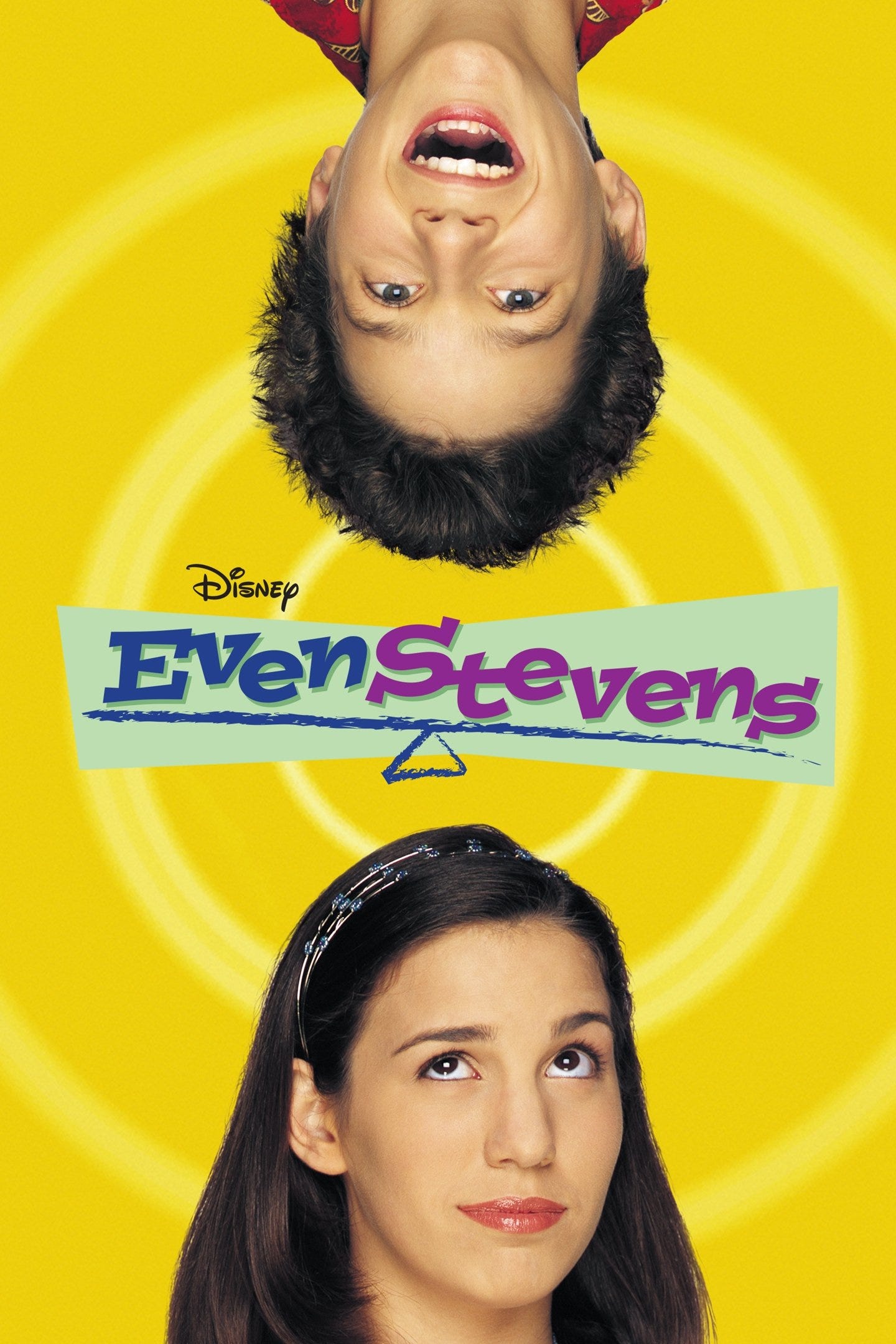
Shia LaBeouf was actually my first real celebrity crush as a kid. (Well, one of two; his on-screen love interest was played by Margo Harshman, who, as a “news to me” bisexual girl who hadn’t come out to herself yet, was equally as interesting to me.) His on-screen persona would come to either reflect or shape, depending on your perspective on child psychology, my later-in-life interest in men and masculine people: funny, multitalented, and sometimes shorter of stature. I like someone I can cut up with, who laughs at my jokes and whose jokes I can laugh at, too. When he ended up pulling the lead in the 2003 movie adaptation of Holes, my favorite childhood book, I was over the moon.
Unbeknownst to me until later in his career, LaBeouf and I had somewhat similar, difficult childhoods. We both watched our childhood hometowns—his, Los Angeles, and mine mostly Madison, Wisconsin, but L.A. as well via extended family—become relentlessly gentrified over time. We were both exposed to hardship and poverty, and had combined Jewish-Catholic upbringings: his Catholic side is Cajun, and mine is Filipino. (In the interest of full transparency: I never received any of my sacraments and was allowed to withdraw from the Church before my First Communion.) It subsequently made sense to me when LaBeouf tried to pretentiously transition from his kid actor persona to one built around performance art and more serious films, like Lars von Trier’s Nymphomaniac, where he met his future wife/ex-wife and mother of his child, Mia Goth. (As an aside: I hate Lars von Trier. Y’know he added the “von” himself? What a douche. Not to mention the everything else bad about him.)

It also made sense to me that LaBeouf and I both became alcoholics, the descendants of family lines plagued by generations of substance abuse, with my own struggle with alcoholism being obviously unpublic because I am not a famous Hollywood actor. My biological father is an alcoholic, and my maternal grandfather died in his 50s of alcohol-induced cirrhosis. However, by the grace of God, after eight years of active alcoholism starting at age 14, I entered recovery on November 29th, 2014. I still struggle with cravings for alcohol multiple times per week despite having had none in over 11 years, which makes sense given my genetic predisposition; I once cross-referenced raw data from my 23andMe with a list of mutations we’ve found to be associated with developing alcoholism, and found about a dozen of them in my own genome. Basically, I was born to drink.
When I say that I am sober “by the grace of God,” I mean I got lucky. Something or someone is out there keeping me from fucking up. As a current practicing Filipino folk Catholic who believes in anitism, our indigenous practice of ancestral worship, I believe the spirits of my late grandfather and two of my three deceased uncles (who also struggled with addiction) are protecting me and my child from the mental disease that has plagued our family for centuries.
On the contrary, when I say “by the grace of God” I am sober, I don’t mean that I have maintained it through will or work alone. Those are big parts of it, but if defeating addiction were exclusively a choice, nobody would ever choose to become or stay a drunk. I have seen countless people lose their jobs, homes, children, and lives to addiction. It’s foolish and shortsighted to say that they simply chose their drug of choice over those things. After all, why would you choose alcohol or drugs over being alive, when you need to be alive to drink and do drugs in the first place?
Why would Shia LaBeouf, a guy on top of the world, choose his downfall the way he has?
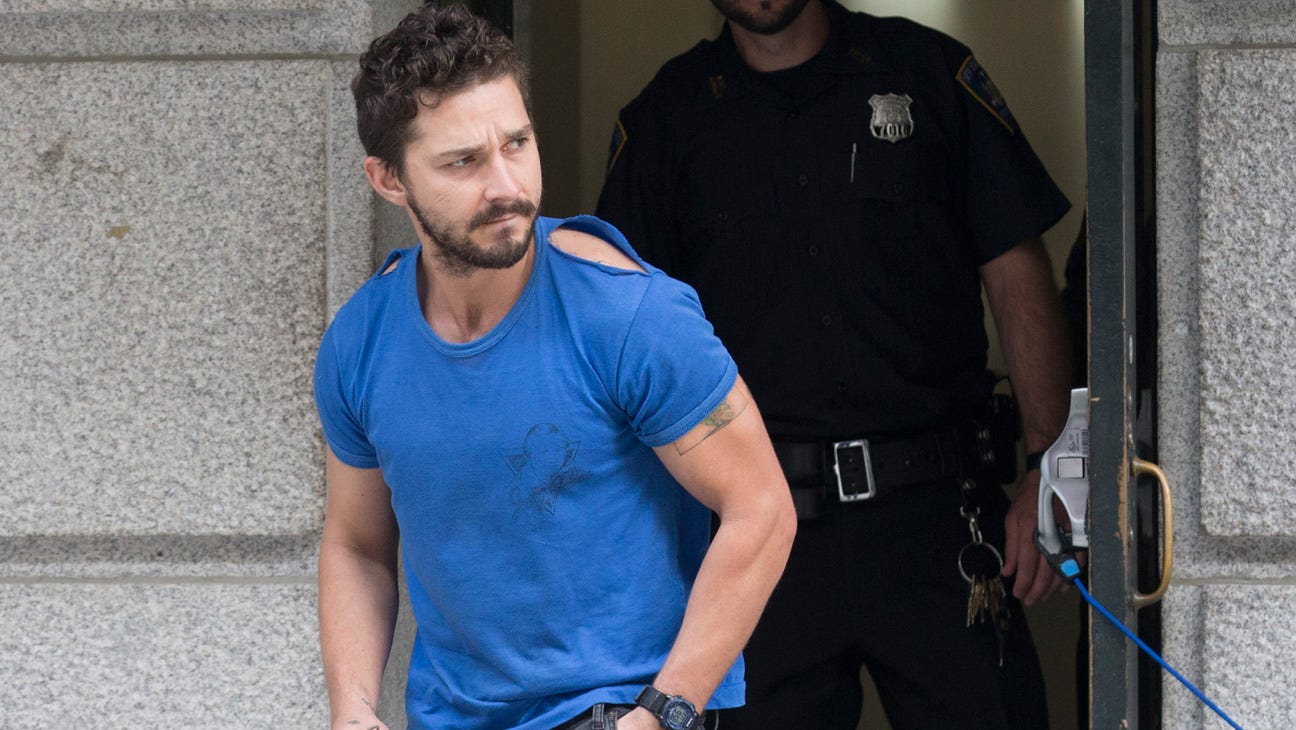
That said, sobriety is a choice that is probably easier for Shia LaBeouf to make, given the significant opportunities his career has brought him. LaBeouf recounted to Callaghan that he grew up poor in pre-gentrified Echo Park—later, when hipsters moved in, they discussed, Echo Park’s poor got pushed out to Bakersfield—to parents who themselves suffered with addiction. As a child, he learned to smoke cigarettes at AA meetings, and speak in an adult vernacular. He described his landing Even Stevens as the natural consequence to years of metaphorical “push-ups” imposed upon him by his father, helping him hone his entertainment chops. (An aside: it’s well-known that LaBeouf’s father was, due to PTSD from the Vietnam War, very physically abusive, but he does not discuss this during the interview.)
When he landed Even Stevens, he was paid a salary of $8,000 monthly; mind you, this was over two decades ago. LaBeouf, having been poor until that point, never worried or wanted for money again. He began financially supporting his parents. As an adult, he says, he would surf the web and randomly find people who were crowdfunding for gender confirmation surgery, paying their medical expenses. This is a bizarre admission given that he is potentially facing hate crime charges for using slurs while battering three gay men during this year’s Mardi Gras festival in New Orleans, and, in this very interview, describes the Bible’s perspective on homosexuality with a single grunt: “Nah.”
These opportunities and this privilege extended to LaBeouf into his recovery as well. While he’s had extensive AA experience, and demonstrates palpable shame when describing how he’s letting his sponsees down with his relapses, he notes that these are largely court-ordered, explaining that, when you get into legal trouble for drinking or drug-related incidents, you’re often ordered by the courts to go to 12-step programs for recovery. His last public recovery took place in 2018, when he was court-ordered to attend rehab this time, going to Connecticut for a months-long program where he was diagnosed with and treated for PTSD, and wrote Honey Boy about the traumas he faced growing up.
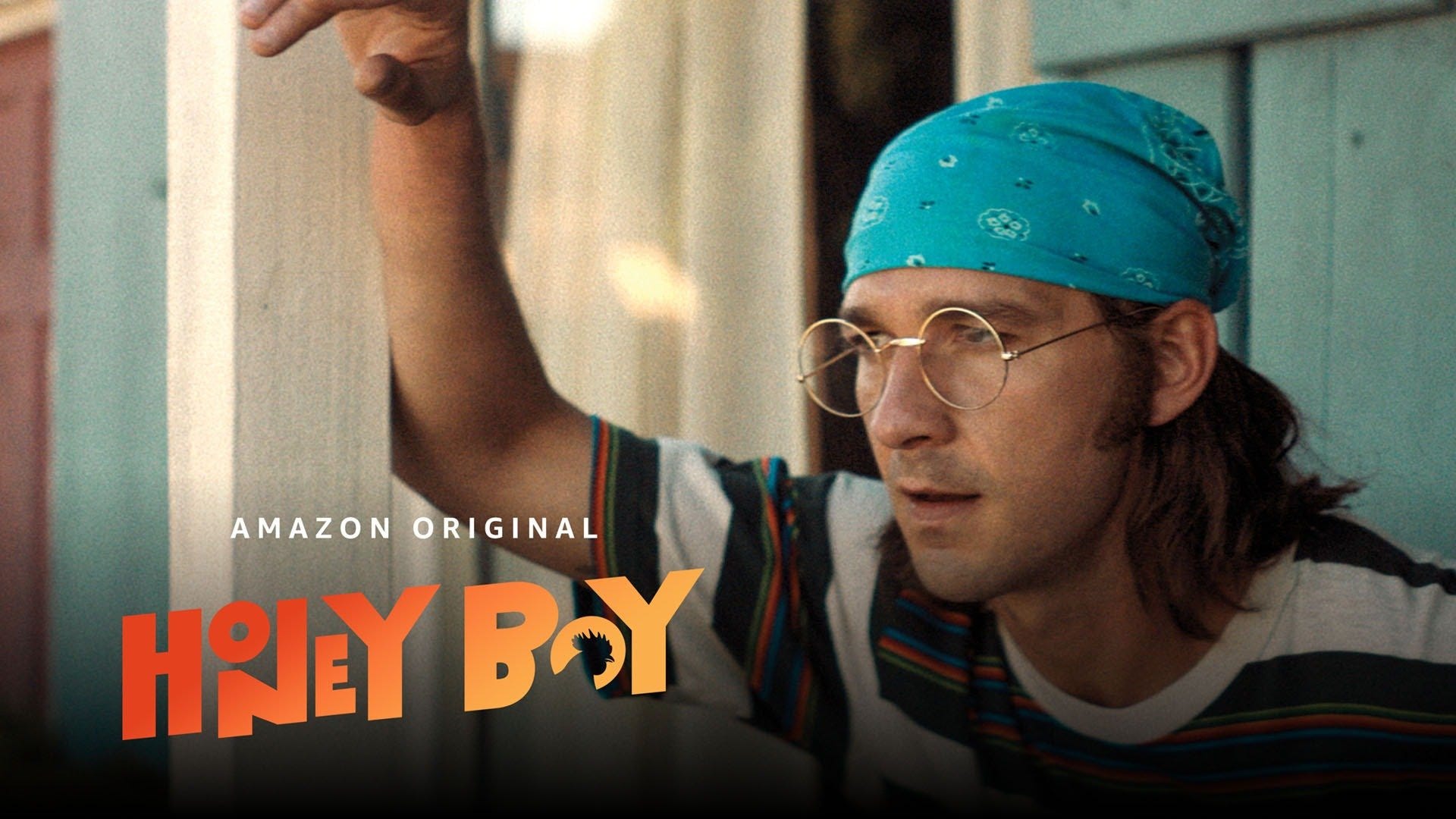
Most of us in recovery could never dream of taking any time off work much less months, attending any inpatient rehab program much less a luxurious one out-of-state, and absolutely not writing and starring in a biopic about the reasons we’re in recovery in the first place. A lot of us in recovery do make art about our trauma, and it’s helpful and deeply personal, but we don’t get to share it on an international stage like LaBeouf did. Hell, the most it ever got me is on Indiana Public Radio, and my kid still acts like we’re bigshot celebrities about it.
If going to jail multiple times, fancy rehab, 12-step groups, getting to make a whole movie for your recovery, and the entire world knowing about what an absolute fuck-up you are doesn’t help you sober up, what does?
That’s the thing about this interview. LaBeouf is bizarrely self-aware and insightful at times. He admits to his shortcomings, almost to a fault, as he drunkenly catches himself multiple times trying to rewind on stuff his attorneys wouldn’t approve of him saying. Regarding FKA Twigs, he says, “most of what she said” was true. Multiple times, he appears to own up to what he did, and says he needs to “eat” his consequences for doing bad things.
One has to wonder how truthful he’s being to Callaghan and their audience. YouTuber and psychologist Dr. Ana Yudin did a great analysis of LaBeouf’s interview, speculating that, although he claims to take accountability with his words—repeating “I fucked up” multiple times like it’s a chant—he has likely not taken accountability within himself. For example, although he agrees “most of” FKA Twigs’ allegations are true, he also previously said the issues in their relationship were rooted in jealousy and mistrust. It’s not clear if LaBeouf means that he was pathologically jealous and mistrustful, or if FKA Twigs had done things to elicit a justifiably jealous response.
People, especially public figures, don’t admit that they’ve abused people unless the abuse has been made public for other reasons. This is in part because it’s hard to reputationally bounce back from; we don’t have great social infrastructure in place for redemption, including recovery. Also, for people who have done abusive things, it can be difficult to admit to oneself that it was abusive in the first place.
Do I for sure know that LaBeouf is struggling to admit to himself that his violent outbursts are unjustifiable? Not necessarily. What I do know, and what he makes patently clear multiple times through the interview, is that LaBeouf isn’t ready to piece the connection between his drinking and his violence yet. He tersely says: “I don’t think I have a drinking problem.” He describes his affliction as a “small-man” complex: a Napoleonic wound that leads him to suck power from people.
In a sense, he’s right. There are lots of alcoholics who never lay a hand on anyone, and lots of sober people who do even after they’ve dried out. But people without drinking problems do not go to great lengths to defend their right to drink.
I’ll use myself as an example. If someone told me that I could never use an opioid medication for pain relief again, I would be fine with it provided suitable analogs were used during, say, surgeries or if I really did need extra-strength pain relief. The fact that I will have to go without alcohol for the rest of my life? It still pisses me off, and I’m over a decade into this recovery shit.
Before recovery, I made up every excuse that I could to justify why I was drinking, and why it wasn’t that big of a deal. We’re witnessing LaBeouf do that in real-time now. The most curious of these justifications is when he began listing off celebrations and rituals where alcohol use and even drunkenness are encouraged: the Amish rumspringa, Latin quinceañera, and, of course, New Orleans Mardi Gras.
LaBeouf’s religion also all but requires him to consume alcohol on a weekly basis to receive communion. Catholics begin this practice as children. When in recovery from alcoholism or if you’re otherwise contraindicated from consuming alcohol (e.g. you’re on medications that won’t mix with it), an analog for Communion isn’t guaranteed at every Mass. I tried to find guidance on what to do about Communion if you are in recovery from alcoholism, and mostly received guidance on how you can, ironically, only accept Communion if you have ceased committing the mortal sin of addiction—or, when in active addiction, are going to Confession a lot.
There isn’t a single alcoholic reading this who hasn’t justified their drinking due to it being at a wedding, funeral, reunion concert, or New Year’s Eve. Every one of us grasps at straws to continue drinking out of them.
Watching Shia LaBeouf’s interview, watching him mumbling and passively admit to abusing FKA Twigs (a “good girl,” in his book), watching him talk about moving to New Orleans and communicating with his daughter twice a day by phone (because her mother, Mia Goth, another “good girl,” grants him that patience instead of just filing full custody),
I see the person I was before sobriety.
I see a sad, sloppy, abusive, shame-filled narcissist whose default solution to any of life’s myriad problems is simply to drink about it.
It doesn’t matter if you think addiction is a choice or not and it doesn’t matter if it’s culturally sanctioned. It doesn’t matter if you’re just trying really hard and you’re still struggling. It doesn’t matter how often you go to meetings or Confession. Until you are able, by the grace of God or your own hard work or, more likely, some combination thereof, to get it together and keep off your drug of choice—and, make no mistake: alcohol is a drug, and it has been ruining people’s lives for thousands of years—the addiction will keep hurting you and everyone around you.
Maybe it’s time for a paradigm shift: it doesn’t matter if it’s a choice. What matters is how to stop it happening.
FKA Twigs, Mia Goth, the three men he assaulted at Mardi Gras, and everyone else Shia LaBeouf has hurt did not deserve to be collateral damage for LaBeouf’s violent journey towards self-betterment, leading him down an annoying, Roganesque cavalcade of arrests, weird drugs—he admits to getting “California sober” and taking ayahuasca and kava before just straight-up relapsing on booze—and fatherhood. Likewise, the numerous people I hurt and abused when I was in active addiction didn’t deserve to be collateral damage for my recovery journey, either. There’s a reason why making amends is one of the steps in 12-step programs, which I generally happen to think are bullshit, but I think the making amends step is a good one.
I can’t hate LaBeouf without hating myself, or at least the person I was before sobriety. But I hate what he is putting people through and I hate the person he has become by continuing to self-medicate trauma and mental pathology with alcohol.
When you are hardwired to drink like I am, and I assume he is, you need to be able to find things to look forward to (or distract yourself with) every single day. I hope for Shia LaBeouf that he finds them. So far, by his own admission, it doesn’t seem to be women, or his child, or his God. He needs to find something. From experience, I know that not only will he not grow as a person until he quits drinking and goes from there, but he will also continue hurting others, and he could die.
No posts
Comments
Nothing yet. Say the first thing.
Sign in to join the conversation.