
Before Love Canal became a national scandal, it was just a neighborhood where parents thought their kids were safe.
Nearly 50 years later, you’d think those lessons would have stuck—but in too many ways, we’re being asked to learn them all over again.In 1978, a housewife in Niagara Falls, NY named Lois Gibbs started noticing that something was wrong in her neighborhood. Her son had developed epilepsy and a blood disorder shortly after starting school. When she learned that the Love Canal neighborhood had been built on top of 21,000 tons of buried chemical waste, she started knocking on doors — and found miscarriages, birth defects, and cancers in children who should have had nothing to worry about.
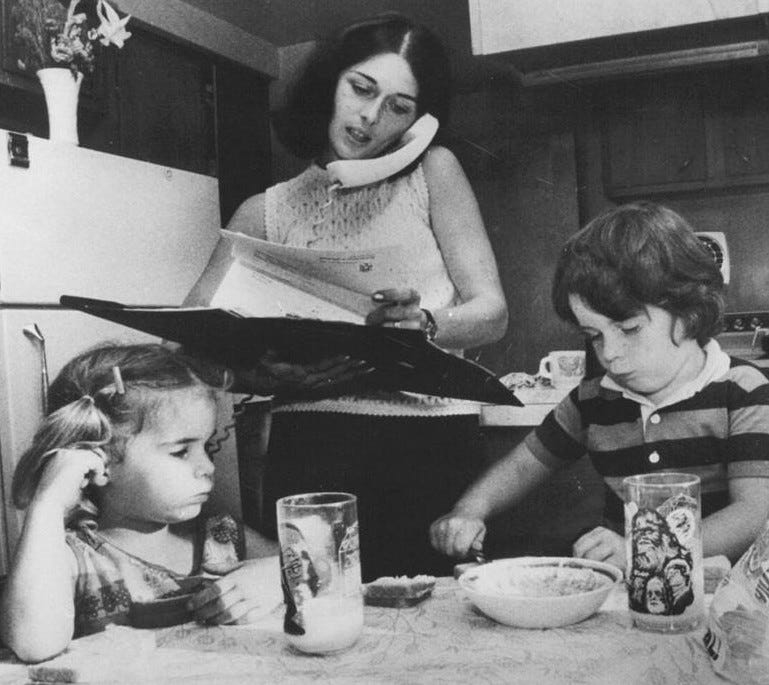
She wasn’t an activist. She was a mom. She organized, pushed, and refused to be dismissed until the federal government responded — relocating hundreds of families and creating the Superfund program to clean up the most contaminated sites in America.
It worked because people demanded something better and their leaders listened. The Clean Air Act. The Clean Water Act. The EPA. These weren’t gifts from Washington — they were responses to Americans who refused to accept preventable harm as normal.
And these solutions worked.
Air got cleaner. Water got safer. Toxic exposures were reduced. But the gains went beyond public health. Cleaner communities meant children missing fewer school days and parents fewer days of work. Families had more confidence about where to raise kids, buy a home, and put down roots. Neighborhoods that had been written off began to recover.
Reducing pollution didn’t hold America back — it expanded what was possible for millions of families.
For a while, that felt like settled common sense.
Now that common sense is under siege.
Today’s pollution is harder to see than smokestacks and chemical dumps. It’s in the microscopic soot and toxics from power plants and industry that enter the bloodstream with every breath, raising the risk of heart attack, stroke, and lung cancer. It’s in the “forever chemicals” and heavy metals found in the drinking water of millions — tasteless, odorless, and linked to cancer, thyroid disease, and developmental problems in children. Many Americans don’t need a study to know something is wrong. They see it in the child who can’t get through a school week without an inhaler. The neighbor managing heart disease at fifty. The grandchild born too early.
And now current leaders at EPA are telling us the rules went too far and that protections can be rolled back without much consequence.
Consider what is already happening:
The EPA recently announced it will no longer count the health benefits of reducing air pollution when weighing cleaner air rules. In practice, that means the costs to industry are counted, but the lives saved, hospital visits avoided, and school days children would not miss are pushed aside.
At the same time, the administration has rolled back pollution standards for power plants, citing the need to meet rising electricity demand from data centers and AI. The likely health costs to nearby families were not even addressed.
In other words: the economic benefits are being counted. The health costs to families are not.
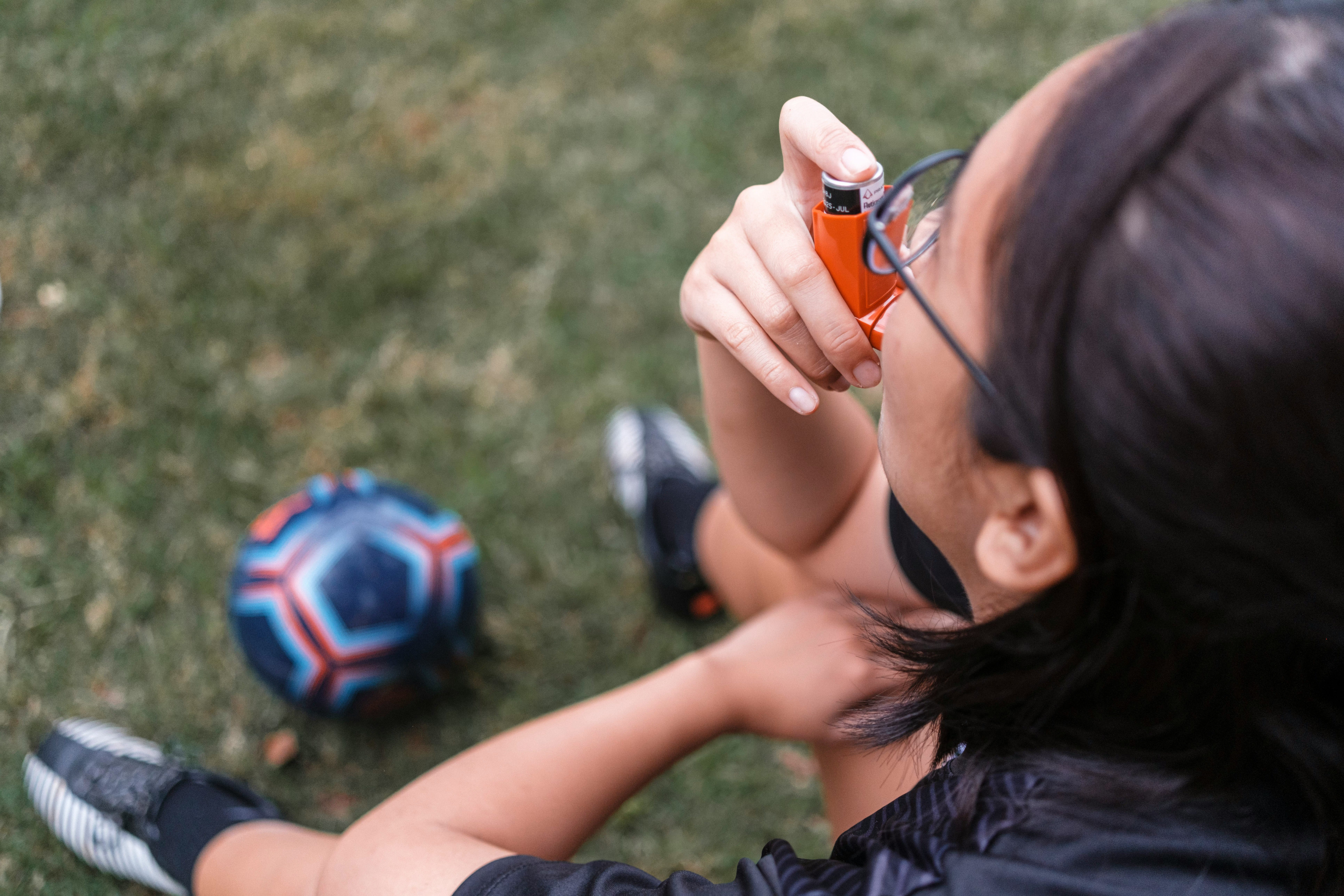
But costs don’t disappear when protections are weakened. They get shifted — onto the parent managing a child’s chronic illness, the family buying bottled water because they don’t trust the tap, the community watching its health erode while waiting for someone in power to pay attention. And once that damage is done, families live with it for years. Sometimes generations.
We all want a strong economy and reliable energy. The question has never been whether to grow — it’s whether that growth will be done responsibly, or whether families will be left to absorb risks that were never theirs to carry.
Lois Gibbs didn’t think of herself as an environmentalist. She thought of herself as a mother protecting her kids. Those turned out to be the same thing.
That’s what the Safer, Not Sicker campaign is built around. Most people don’t have time to track every regulatory decision made in Washington. They shouldn’t have to. But those decisions shape how exposed we are to pollution in our homes, schools, and neighborhoods. Individuals can take steps to reduce their own exposure — but no one can filter or shop their way out of systemic pollution. It has to be reduced at the source, through honest rules, credible science, and leaders willing to put families first.
Earth Day has always belonged to people like Lois Gibbs — everyday Americans who decided that preventable harm wasn’t something they had to accept.
That work is not finished.
Today’s threats may be harder to see, but invisible does not mean harmless. And a better future is a hollow promise if it comes at the cost of our health.
This Earth Day, the question isn’t what we can afford to protect—it’s who we’re willing to put at risk.
We’ve answered that question before. We cannot accept getting it wrong again.
Take Action: If you believe our health should come first, join the Safer, Not Sicker Campaign and support the Environmental Protection Network.
Comments
Nothing yet. Say the first thing.
Sign in to join the conversation.