
It’s Public Service Recognition Week, a time to give thanks to our tireless and brave civil servants who keep our country running while protecting the air we breathe, the water we drink, and the land we depend on. Public servants’ dedication helps turn our shared values into real protections for people’s daily lives. The very fabric of our nation is woven by the hands of these dedicated professionals, whose enduring commitment ensures our country remains resilient and functional.
This professional civil service did not happen by chance. It was built after the spoils system of the 19th century — when government jobs were often handed out as political rewards. The modern civil service was designed around a different principle: public servants should be hired for their qualifications and serve the public interest, not political patrons.
At the Environmental Protection Network (EPN), we are fortunate to work alongside the dedicated former public servants who were tasked with protecting people from harmful pollution. EPN brings together more than 750 former Environmental Protection Agency (EPA) civil servants who continue to volunteer their time to protect human health and the environment beyond their initial call to service.
At its core, this work is about something simple but essential: protecting people. EPA exists to protect human health — your health, your children’s health, and your aging parents’ health. This is a special note of thanks to all of EPN’s volunteers and to the current civil servants who continue working every day to keep us safer, not sicker.
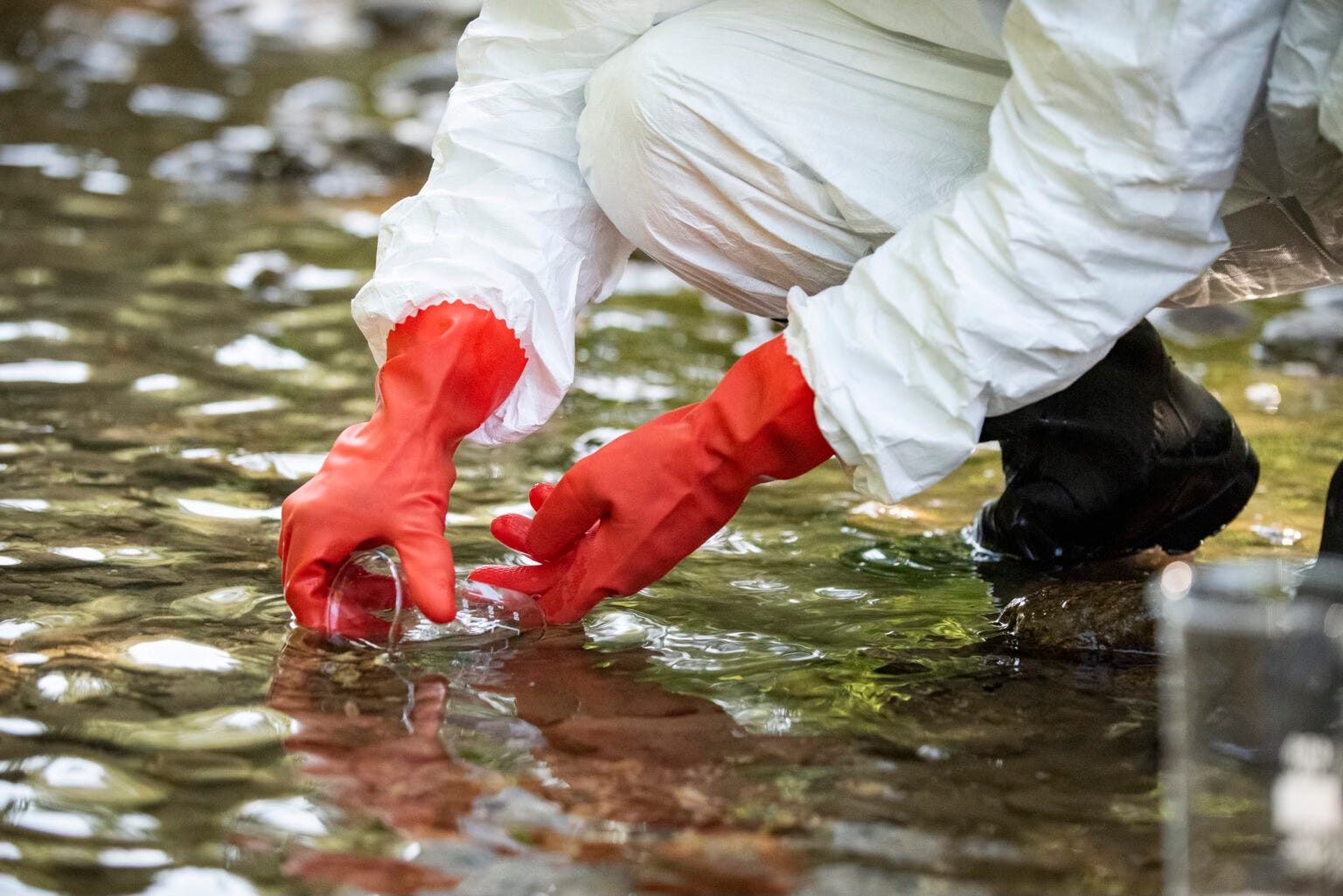
To the Office of Water - Thank you for keeping our rivers and streams clean and preventing another Cuyahoga River disaster, which caught fire at least 13 times and was caused by extreme industrial pollution. Thanks to the Clean Water Act (CWA), enacted in 1972, and EPN volunteers like Elizabeth Southerland and Ronnie Levin, U.S. waterways and drinking water sources are better protected from harmful pollutants, supporting better water quality for fishing and swimming and helping make tap water safer to drink.
To the Office of Air and Radiation - Thank you for keeping harmful smog and soot (particulate matter/PM), mercury and other dangerous pollutants out of the air we breathe, and reducing acid rain, ozone depletion, and climate pollution. Thanks to the Clean Air Act (CAA) and EPN volunteers like Rob Brenner and Joseph Goffman, air pollution has been drastically reduced, preventing hundreds of thousands of premature deaths, asthma attacks, heart and lung disease, and other serious health issues annually.
To the Office of Chemical Safety and Pollution Prevention - Thank you for helping keep pesticide residues in the food we eat in check and for assessing risks to broader ecological systems from chemical exposure. Thanks to the Toxic Substances Control Act (TSCA) and EPN volunteers, including Penny Fenner-Crisp and Linda Birnbaum, safety standards have been strengthened — reducing risks posed by chemicals linked to cancer and other serious health harms.
To the Office of Land and Emergency Management - Thank you for managing hazardous waste, cleaning up contaminated land, and responding to environmental emergencies. Thanks to the Resource Conservation and Recovery Act (RCRA), Superfund and EPN volunteers like Barbara Elkus and Bill Muno, hazardous materials are safely cleaned up, transported, treated, and stored until disposal, keeping our land and communities safe.
To the Office of Enforcement and Compliance Assurance and EPN volunteers like George Wyeth, Cheryl Wasserman, and Joe Tieger - Thank you for ensuring polluters are held accountable by enforcing the nation’s environmental laws and targeting serious air, water, and chemical hazards, such as PFAS contamination.
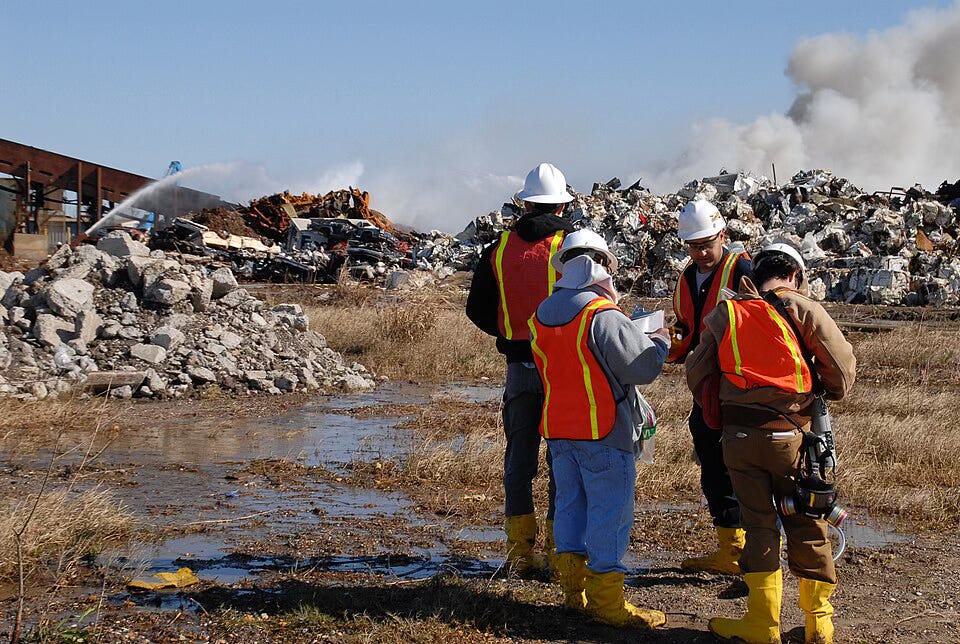
From the scientists in the lab to the inspectors in the field, these individuals represent the best of our country’s professional civil service. We are fortunate to collaborate with such tireless experts who have dedicated their careers to protecting our air, water, land, and communities. This week, and every week, we thank them for their service and their unwavering commitment to a safer, healthier world for all.
Comments
Nothing yet. Say the first thing.
Sign in to join the conversation.