
Welcome to my Substack. Here you’ll find articles on everything from literature and reading to how we engage with our world through art. This is my Reading Notes series, where I walk you through what I’m reading and how I read it.
My aim with these posts is not to teach you how to read, but provide the skeleton-keys for great novels that you might want to read. What are they about? How did I enjoy them? What kind of things did I pay attention to? If you’ve always wanted to learn about the history of the European novel, this is the place to be.
These posts are for paying subscribers only, however right now you can get an annual subscription for 25% off for a full year. The summer sale lasts for six weeks before returning to normal prices!
I’m also introducing a student discount! If you have an institutional email address, you get 20% off any paid subscription tier for as long as you are subscribed. I know it can be difficult to shell out cash when you’re in school, so I wanted to make it as affordable as possible for those of you who want to use these posts to help with schoolwork.
Have you ever read a French novel from the 19th century and thought to yourself, “man, this book is way sexier than a British novel”? This thought has, crudely, been on my mind over the last few weeks as I work my way through the French section of my major field reading list (updated version here! we cut some things this week). Seriously, though, there is something of the…less timid or rigid strain in the French novels of the 19th century (even before…Next week we are looking at Sade) that simply does not exist in British novels of the same period. Complicated themes of moral ambiguity, adultery, sex, complicated social life, etc. seem to make an appearance in the late 18th century (novels such as The Monk, Tristram Shandy, etc.), but dissipate until the latter years of the 19th century in the British novelistic tradition.
Why is that?
The answer will probably not surprise you.
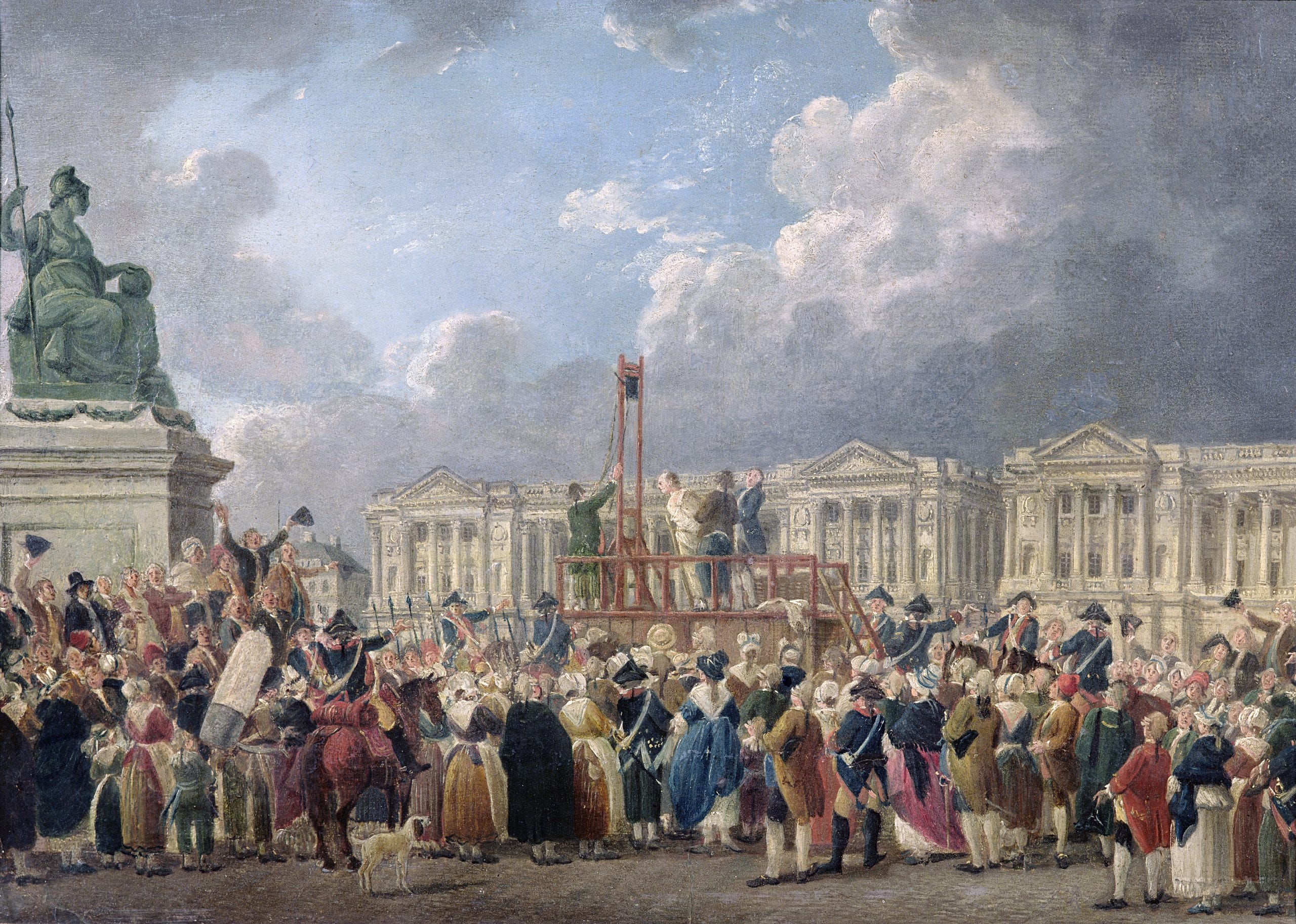
The French Revolution! And Napoleon, of course (everything in 19th century France leads back to Napoleon). I am simplifying it here, but reading through the French post-Napoleonic novels this month has really cemented for me just how impactful the Revolution and Napoleon’s reign was upon not just the social world of France (and, particularly, Paris) in the early 19th century, but also upon that burgeoning nouvelle roman.
Take, for instance, the plot of The Count of Monte Cristo, which I talked about last time. The inciting incident for Edmond’s imprisonment is that he is falsely accused of being a spy for Napoleon—right before Napoleon’s hundred days of 1815—and the aftermath of that sparks the revenge plot. The Revolution, the Reign of Terror, and Napoleon all fundamentally changed the social order of France. It turns out, when you publicly execute your ruling class, people get really cool about a lot more stuff really quickly. Britain does not have anything like that. Their “revolutionary moment” is in the 1770s and 80s; it is far enough away that it does not affect the everyday Briton. Instead, they move from George to Victoria; their press culture is notoriously censorious and their culture famously repressive.
In his book, The Way of the World, Franco Moretti puts it succinctly and better than I could, when he talks about Jane Eyre:
“Every great narrative tradition has dealt with the theme of adultery, in France and in Germany, in America and in Russia. In England, nothing — absolutely nothing. Any Bildungsroman worthy of the name would have had Jane remain among the needles of Thornfield. But this would have meant facing the imperfect, debatable, and perhaps incorrect nature of each fundamental ethical choice. Better to begin all over again…” (p. 188)
Taking that into account, how might we use this information to understand Stendhal’s beauty, The Red and the Black? This is a Bildungsroman as well; it contends with social life in the early 19th century (it is subtitled “Chronicle of 1830; Chronicle of the XIXth Century); it also deals with adultery, the formation of identity, and character.
Let’s dive in.
Comments
Nothing yet. Say the first thing.
Sign in to join the conversation.