
Welcome back to Reading Notes, where I walk you through my yearlong study of the History of the European Novel, from Don Quixote to Austerlitz. Each week (thereabouts), I talk about a novel I’ve read from my list. Right now, we’re wrapping up the French novel. These posts are not meant to outline every aspect of the plot, but rather to show you how I read as a graduate student. Reading comprehension is a skill that needs to be practiced, and so this series is made for those of you looking for a way to get to the core of books and see why novels are important.
My aim with these posts is not to teach you how to read, but provide the skeleton-keys for great novels that you might want to read. What are they about? How did I enjoy them? What kind of things did I pay attention to? If you’ve always wanted to learn about the history of the European novel, this is the place to be.
These posts are for paying subscribers only, however right now you can get an annual subscription for 25% off for a full year. The summer sale lasts for three more weeks before returning to normal prices!
I also offer a student discount! If you have an institutional email address, you get 20% off any paid subscription tier for as long as you are subscribed. I know it can be difficult to shell out cash when you’re in school, so I wanted to make it as affordable as possible for those of you who want to use these posts to help with schoolwork.
This week, we’re talking about a small and relatively underappreciated gem of the late-19th century: Against Nature by Joris-Karl Huysmans. Next week, Proust. The week after that, I’ll be releasing two posts: one on my last French novel, The Plague, and my first Reading Recap. This is going to be available for free and paid subscribers. In each reading recap, I’ll sum up what exactly it is that makes the novels I’ve read important to the history of the novel as a whole. Free subscribers will be able to see the main overview and basic outline, whereas paid subs get: the Recap in full, access to a French literature “Key Themes and Moments” PDF, and a full outline of how to study French novels with secondary sources.
Housekeeping over, let’s get into it.
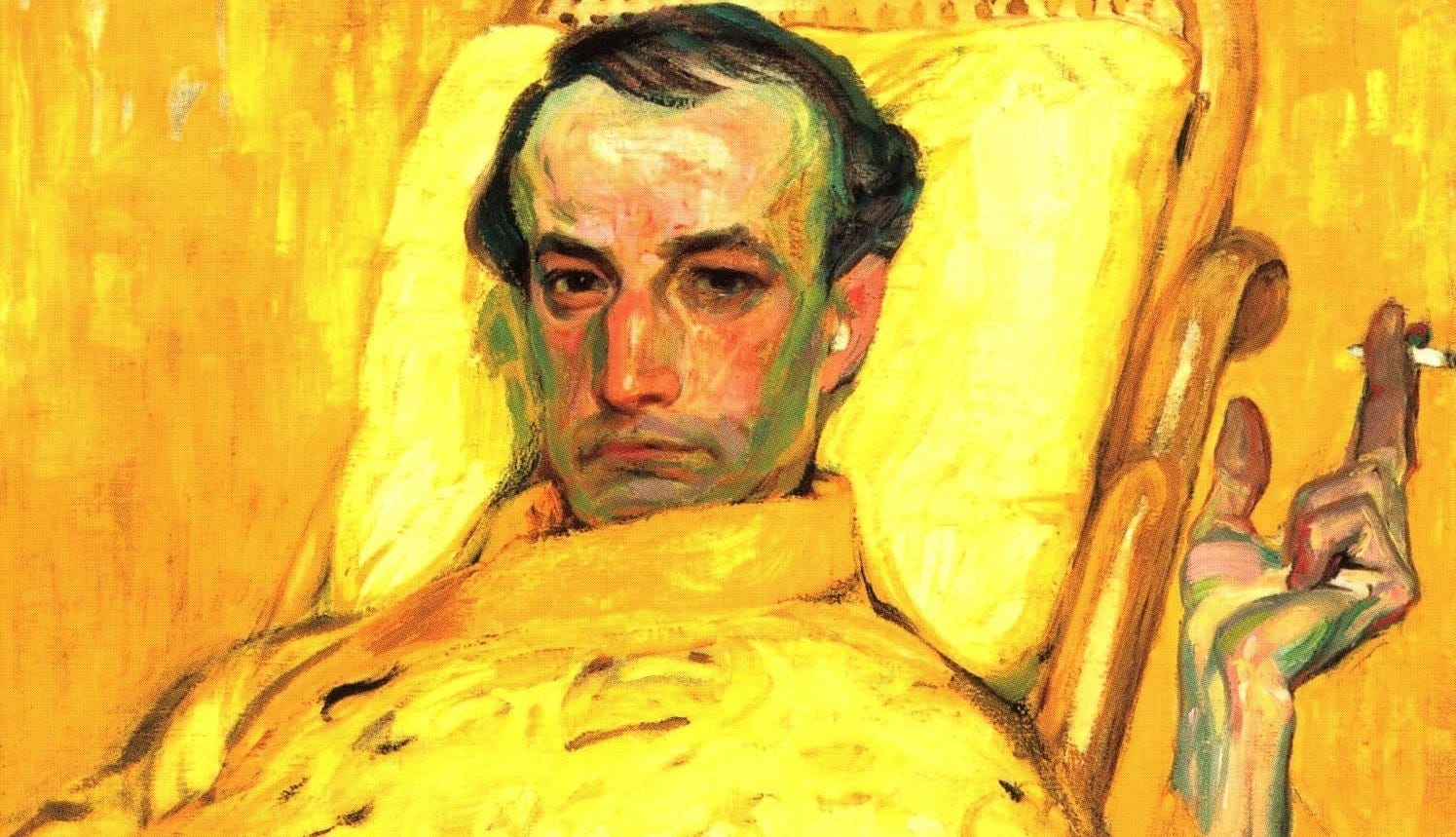
Naturalism is Dead, and Huysmans has killed it!
Now, reader, you may be wondering why we skipped straight over Naturalism and moved from Realism right into Decadence. In truth, I didn’t. After I finished Monte Cristo, I started reading Sentimental Education by Flaubert—the ultimate Naturalist text, besides, perhaps Germinal by Zola (also on my list). For the uninitiated, Naturalism is a harsher, more detached extension of realism. There is no embellishment in Naturalism, whereas Realism tends to embellish or make its characters into heroes (though, not always!). Either way, Sentimental Education is there, on my list, smack-dab in between Lost Illusions and Against Nature.
The problem is, I hated it.
Comments
Nothing yet. Say the first thing.
Sign in to join the conversation.